Maldives overwater bungalow
1344×768 · AVIF · CC BY 4.0
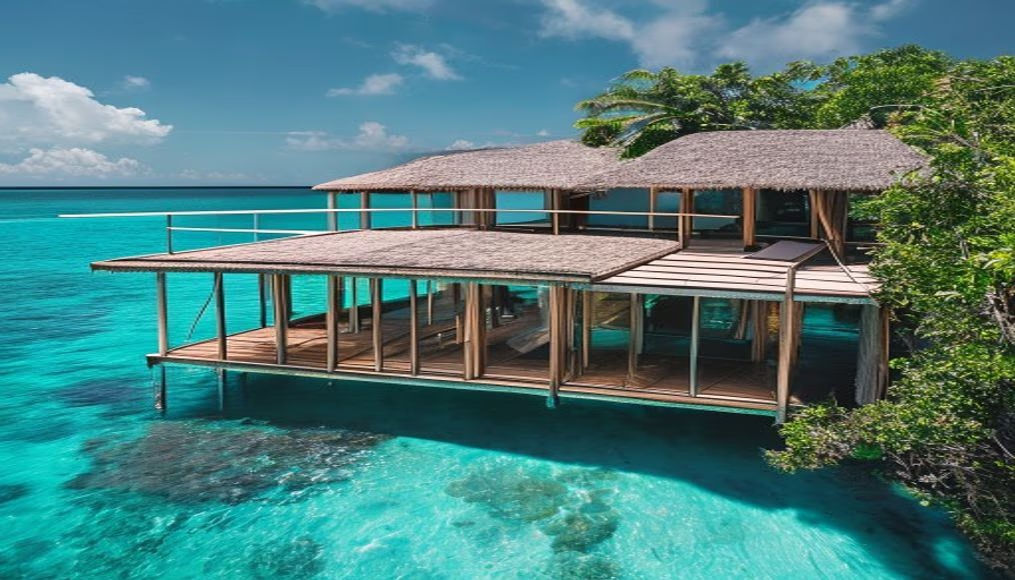
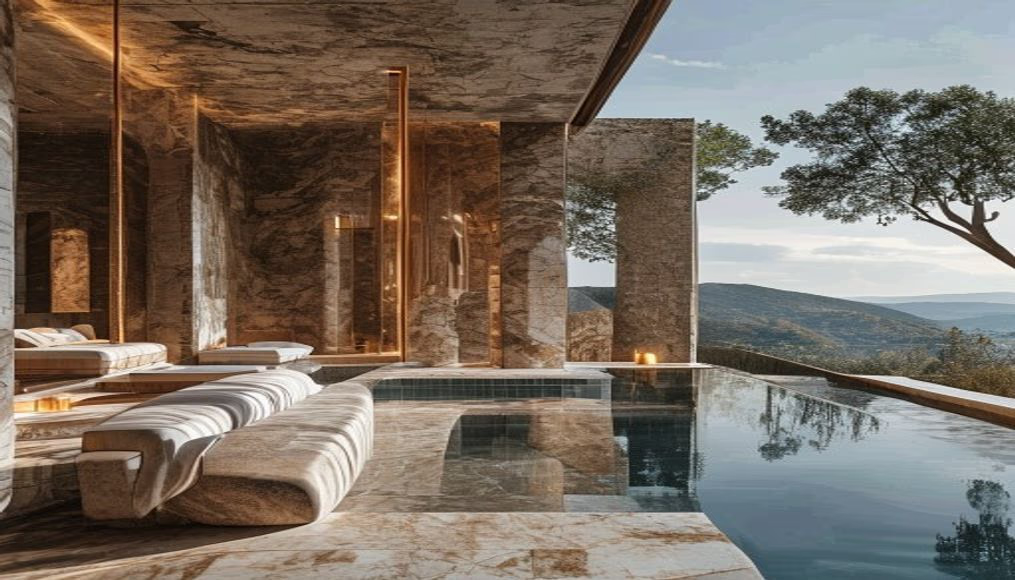
Overwater bungalows in the Maldives combine luxury, sustainable design, and Indian Ocean views, becoming icons of paradise tourism.
About this subject
Overwater bungalows are one of the most iconic luxury experiences in the Maldives. Built on stilts directly over the sea, they provide immediate access to coral reefs and crystal-clear waters. The concept gained popularity in the 1970s when resorts like Soneva Fushi and Kurumba started constructing accommodations over lagoons, inspired by traditional fisherman huts. Today, over 100 resorts across the archipelago offer this type of lodging, accounting for around 30% of total rooms in the country.
Architecture emphasizes sustainable materials such as teak wood and thatch, blending with the marine environment. Many bungalows feature solar panels, rainwater harvesting systems, and ecological sewage treatment to minimize environmental impact. Design includes large windows, private decks with direct ocean access, and sometimes infinity pools or bathtubs overlooking the sea. The average water depth around the bungalows ranges from 1.5 to 3 meters, allowing snorkeling right from the accommodation.
An interesting fact: the term "overwater bungalow" was coined in the 1960s by Tahitian tourism expert Richard Bailey, but Maldivian resorts perfected the concept. The average nightly rate can exceed $2,000, especially at private resorts like Conrad Rangali, which features the underwater suite The Muraka. The Maldives also face challenges from rising sea levels, and many resorts invest in elevated construction and coral restoration to preserve the ecosystem. Overwater bungalows are not only symbols of luxury but also examples of how high-end tourism can coexist with environmental conservation.
Frequently Asked Questions
What is the origin of overwater bungalows in the Maldives?
The concept became popular in the 1970s with resorts like Soneva Fushi and Kurumba, inspired by fisherman huts. The term 'overwater bungalow' was coined in the 1960s in Tahiti.
Are overwater bungalows environmentally sustainable?
Many resorts use eco-friendly materials, solar panels, rainwater harvesting, and sewage treatment to minimize impact. However, construction must still consider coral reef preservation.
How much does it cost to stay in an overwater bungalow in the Maldives?
Average nightly rates range from $500 to over $2,000, depending on the resort and amenities. Exclusive suites like The Muraka can cost up to $50,000 per night.
Direct URL
https://pub-c7d6a6ea828543ac903a74a341ccb2e1.r2.dev/imagens/maldives-overwater-bungalow-macro-detail-close-up-luxo0.avifHow to credit
Include a visible link back to UtilizAí. Copy one of the snippets below:
<a href="https://xn--utiliza-eza.com/en/midia/imagens/maldives-overwater-bungalow-macro-detail-close-up-luxo0">Maldives overwater bungalow</a> by <a href="https://xn--utiliza-eza.com">UtilizAí</a>, licensed under <a href="https://creativecommons.org/licenses/by/4.0/">CC BY 4.0</a>.
[Maldives overwater bungalow](https://xn--utiliza-eza.com/en/midia/imagens/maldives-overwater-bungalow-macro-detail-close-up-luxo0) by [UtilizAí](https://xn--utiliza-eza.com), CC BY 4.0
License: CC-BY-4.0