Maki rolls colorful
1344×768 · AVIF · CC BY 4.0
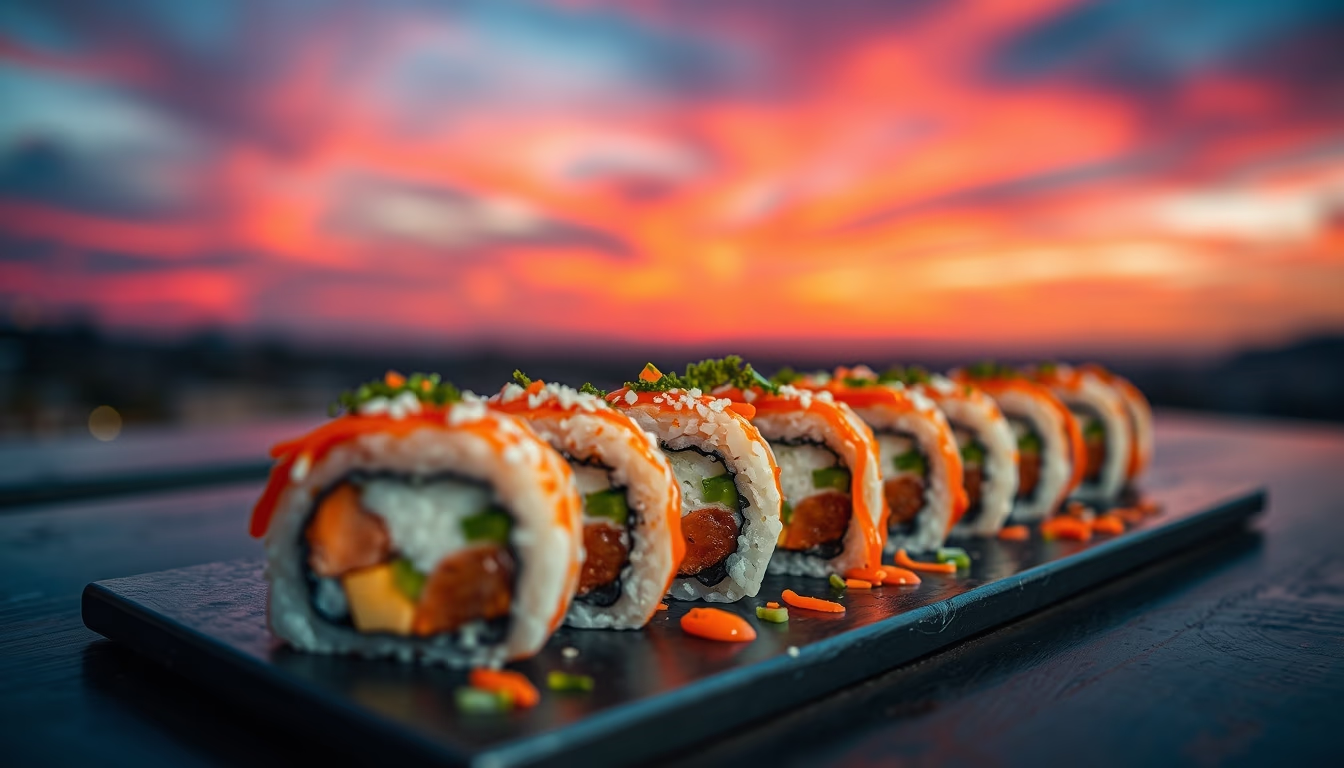
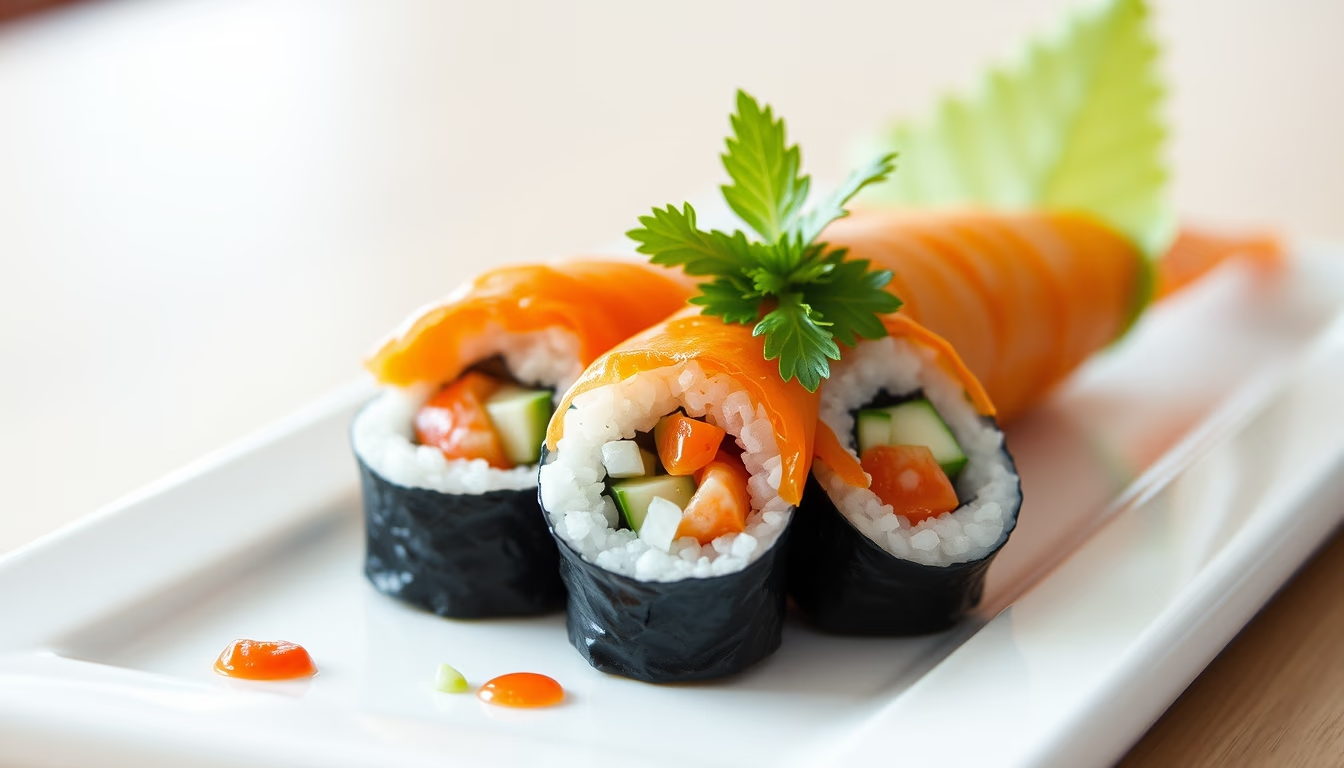
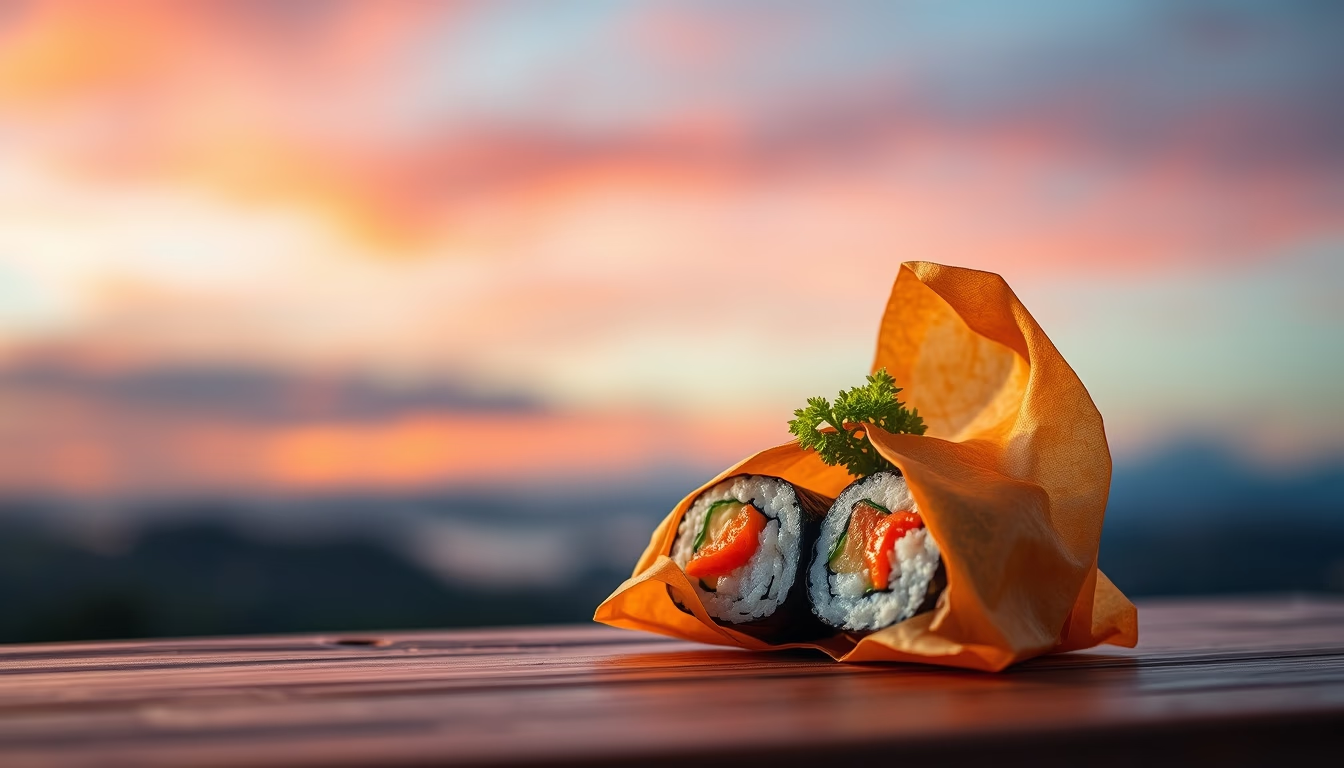
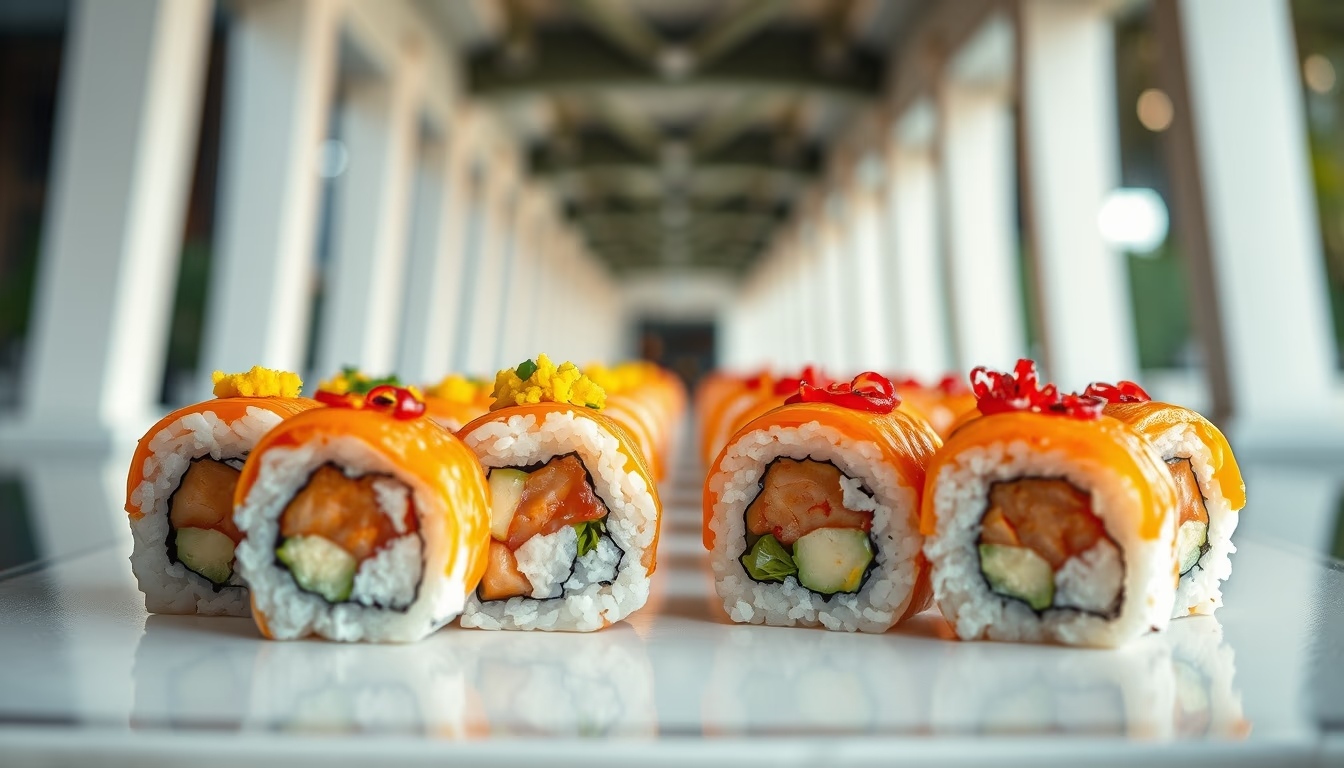
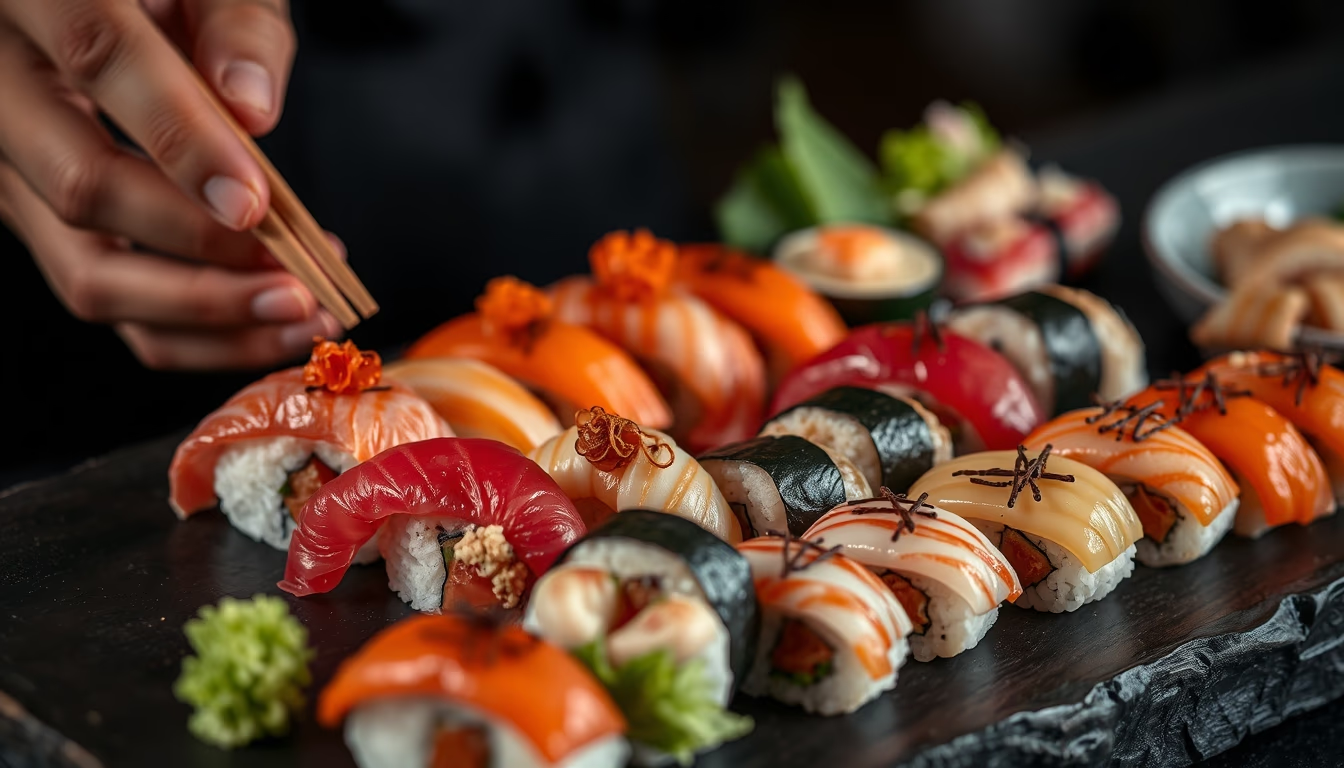
Colorful maki rolls are a vibrant variation of traditional sushi, combining seasoned rice, nori seaweed, and fresh fillings into visually appealing and flavorful rolls.
About this subject
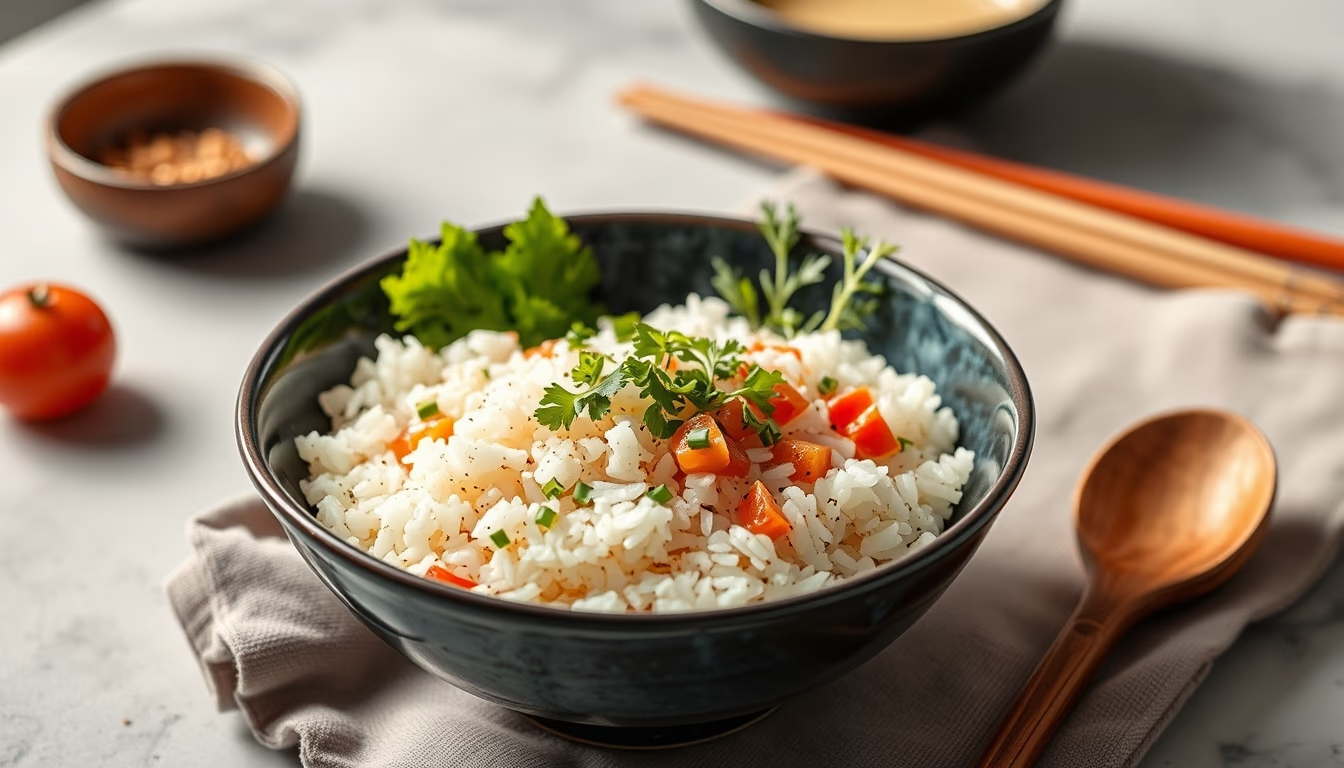
Maki rolls, also known as makizushi, are a classic form of sushi originating from Japan. They consist of vinegared rice wrapped in nori seaweed with various fillings in the center. Colorful maki rolls stand out due to ingredients like salmon, tuna, avocado, cucumber, and flying fish roe (tobiko), which create striking visual contrasts. The rolling technique requires skill to achieve a firm, uniform shape using a bamboo mat called makisu. The rice is seasoned with rice vinegar, sugar, and salt for flavor and stickiness.
In Brazil, maki rolls have gained popularity with local adaptations, such as the inclusion of cream cheese and grilled salmon (Philadelphia roll). Colorful presentations are common in fusion cuisine restaurants, where plate aesthetics are valued. Long-exposure photography highlights the vibrant colors of the ingredients, often combined with modern lighting techniques.
Interestingly, maki originated as a preservation method for fish, wrapping it in fermented rice. Over time, the rice began to be eaten along with fresh fish. The uramaki variation (rice on the outside) was created in the United States to appeal to Western palates. Colorful maki rolls are rich in protein, omega-3 fatty acids, and vitamins, but their calorie content can vary depending on fillings and sauces.
Frequently Asked Questions
What are typical ingredients in colorful maki rolls?
Colorful maki rolls use fish like salmon and tuna, fruits such as avocado and mango, vegetables like cucumber and carrot, along with fish roe (tobiko) and cream cheese. The combination varies by chef creativity.
How are maki rolls different from other types of sushi?
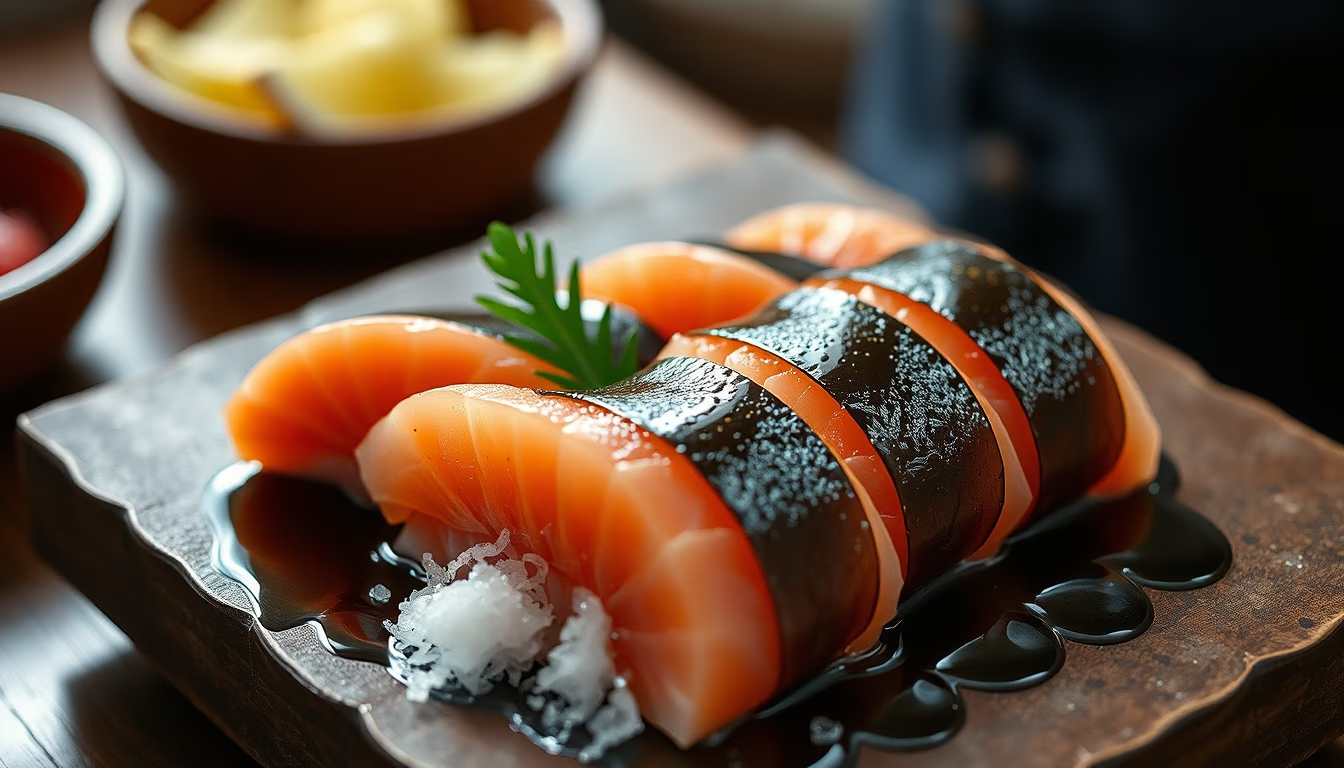
Unlike nigiri (a rice ball topped with fish) and sashimi (just raw fish), maki rolls are wrapped in a cylindrical shape and sliced into pieces. They can be thin (hosomaki) or thick (futomaki).
Are maki rolls healthy?
Yes, when made with fresh ingredients and without excessive sauces. They provide lean protein, healthy fats (omega-3), and carbohydrates from rice. However, versions with cream cheese or tempura can be higher in calories.
Direct URL
https://pub-c7d6a6ea828543ac903a74a341ccb2e1.r2.dev/imagens/maki-rolls-colorful-long-exposure-fresh1.avifHow to credit
Include a visible link back to UtilizAí. Copy one of the snippets below:
<a href="https://xn--utiliza-eza.com/en/midia/imagens/maki-rolls-colorful-long-exposure-fresh1">Maki rolls colorful</a> by <a href="https://xn--utiliza-eza.com">UtilizAí</a>, licensed under <a href="https://creativecommons.org/licenses/by/4.0/">CC BY 4.0</a>.
[Maki rolls colorful](https://xn--utiliza-eza.com/en/midia/imagens/maki-rolls-colorful-long-exposure-fresh1) by [UtilizAí](https://xn--utiliza-eza.com), CC BY 4.0
License: CC-BY-4.0