Maki rolls colorful
1344×768 · AVIF · CC BY 4.0
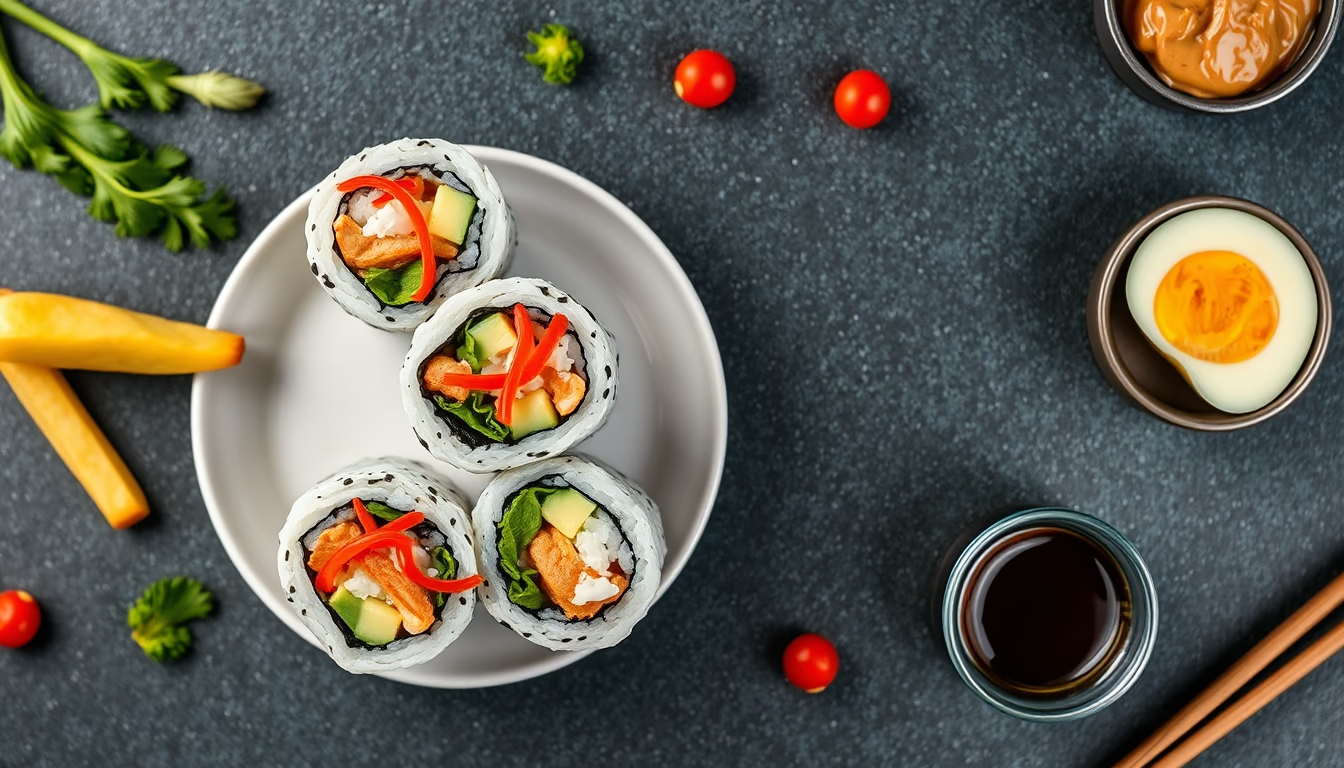
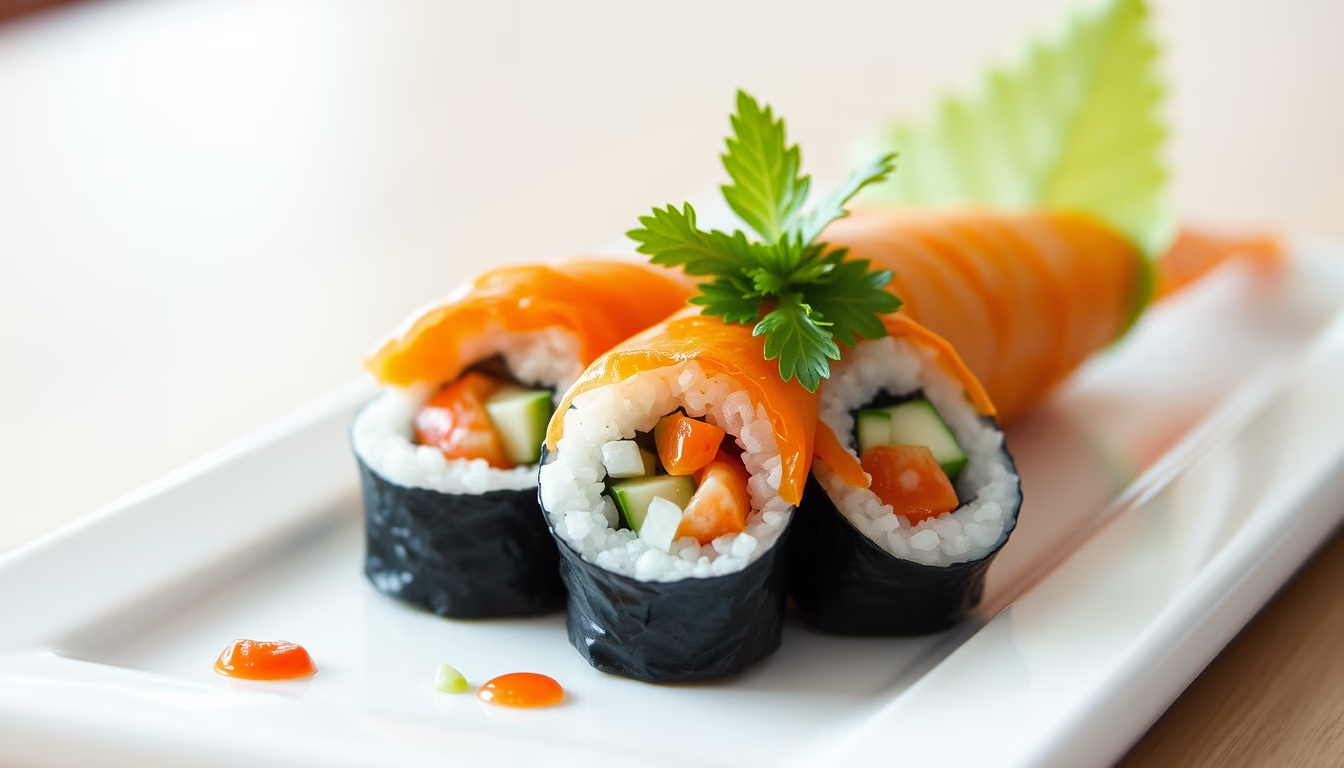
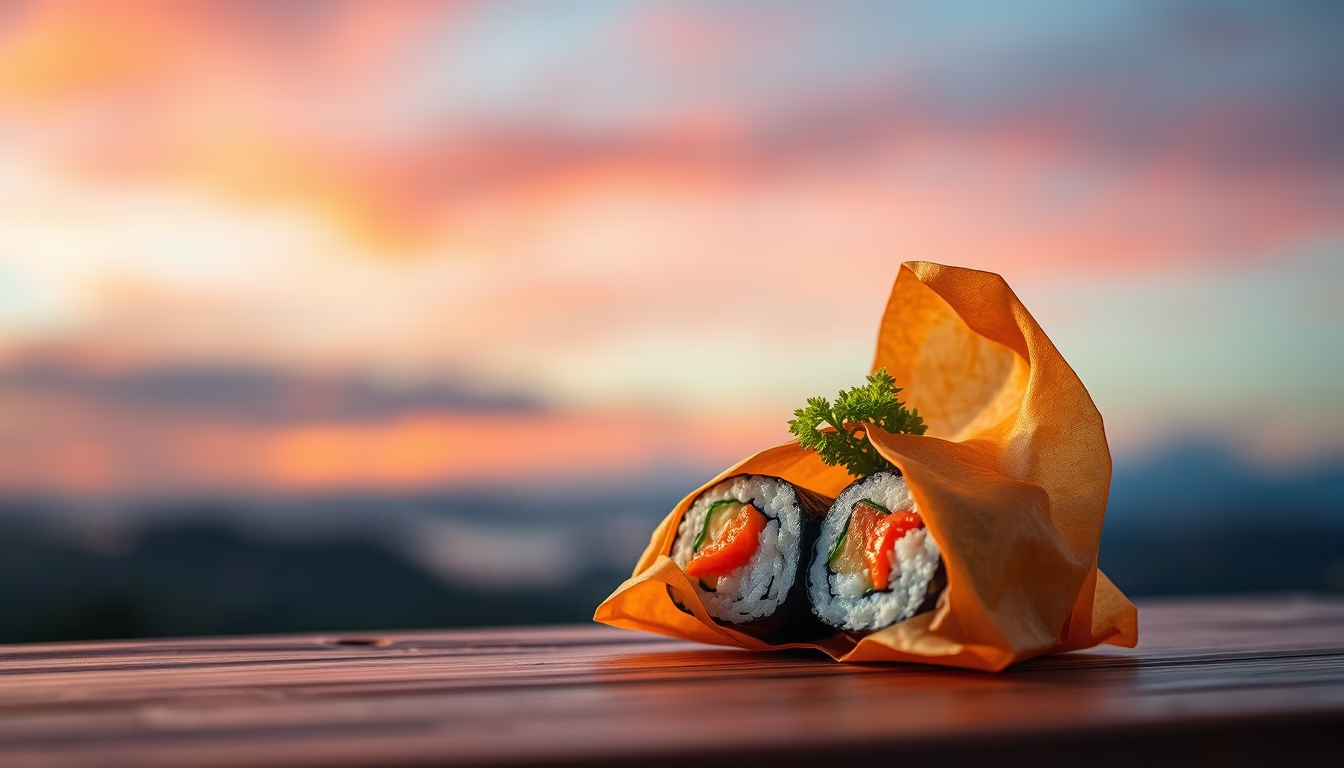
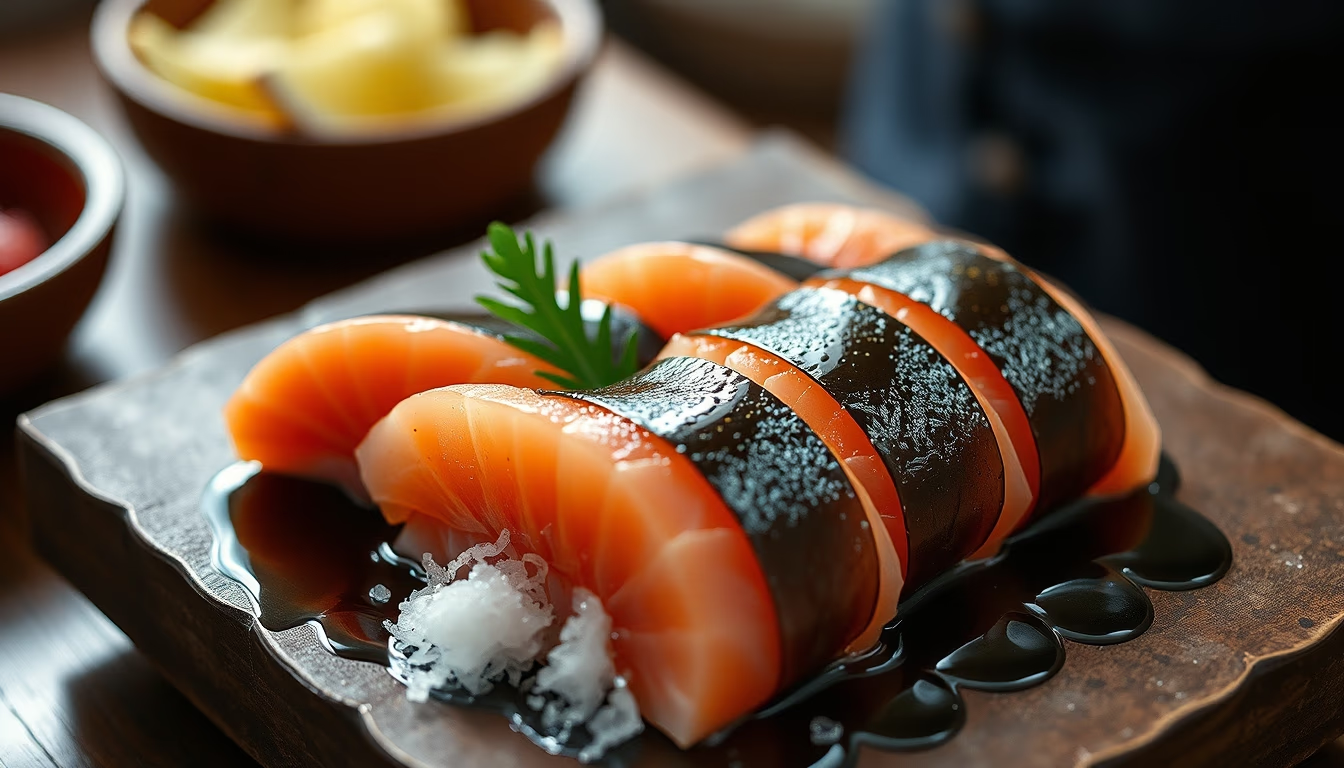
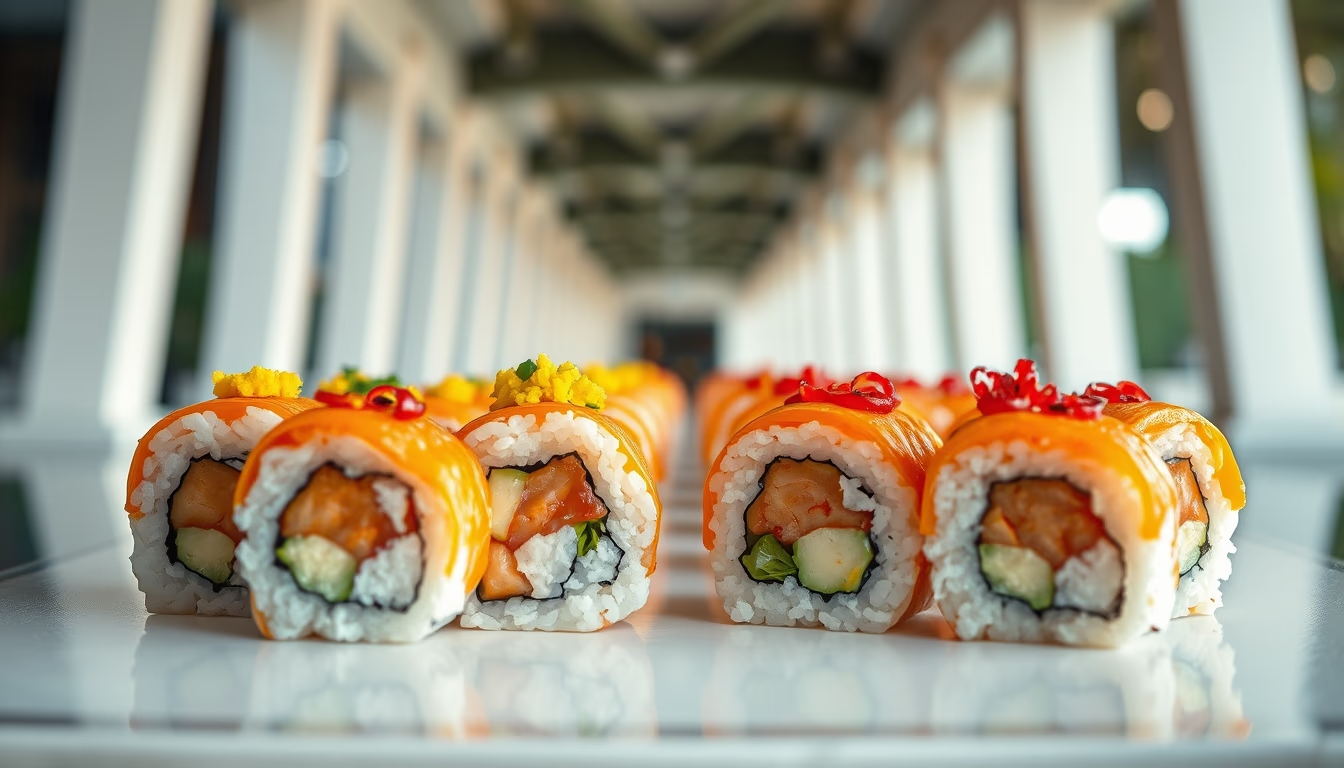
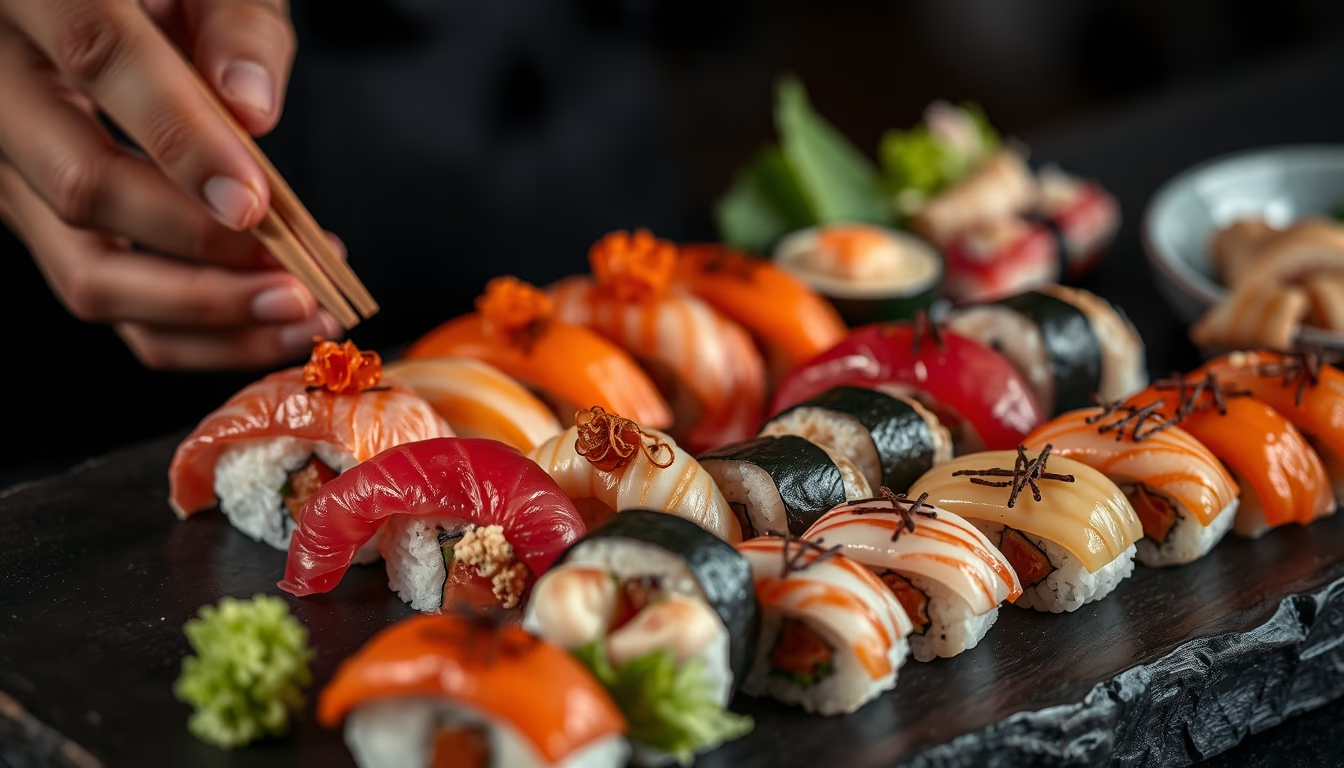
Colorful maki rolls: an explosion of flavors and colors in modern sushi, blending Japanese tradition with contemporary creativity.
About this subject
Maki rolls are one of the most popular types of sushi, characterized by being rolled in a bamboo mat (makisu) with an outer layer of nori seaweed and various fillings. Traditionally, maki are simple, such as hosomaki (thin roll with a single ingredient) or futomaki (thick roll with multiple ingredients). However, the colorful version has gained prominence in contemporary cuisine, especially in fusion restaurants and sushi buffets.
The vibrant coloring of maki rolls is usually achieved through natural ingredients. For example, green comes from avocado or cucumber; yellow from egg or mango; orange from salmon or paprika cream cheese; pink from tuna or cured salmon; purple from red cabbage or beetroot rice. Some chefs use rice seasoned with beet juice or spinach to dye the rice itself, creating an even more striking effect. These variations not only beautify the dish but also add nutritional value and distinct flavors.
Sushi arrived in Brazil with Japanese immigration in the early 20th century, but it was from the 1990s onwards that it became popular, with local adaptations such as temaki and uramaki (inside-out roll, with rice on the outside). Colorful maki rolls are a recent trend, boosted by social media like Instagram, where visual presentation is crucial. In Brazil, it is common to find versions with cream cheese, which differs from the original Japanese recipe. Although purists criticize, the creativity of Brazilian chefs helped democratize sushi, making it accessible and attractive to a wider audience.
Beyond aesthetic appeal, colorful maki rolls can be a way to introduce varied vegetables and fish into the diet. The combination of colors is also used in buffets to indicate different flavors or spiciness levels. In Japan, sushi is traditionally appreciated for its simplicity and freshness of ingredients, but the colorful version reflects the globalization of Japanese cuisine, adapting to different palates and cultures.
Frequently Asked Questions
What makes colorful maki rolls different from traditional ones?
The main difference is in appearance: colorful maki rolls get natural dyes like beet juice, spinach, or turmeric, either in the rice or in the ingredients. This creates a vibrant look, but the flavor and preparation technique are essentially the same as traditional sushi.
Can I make colorful maki rolls at home?
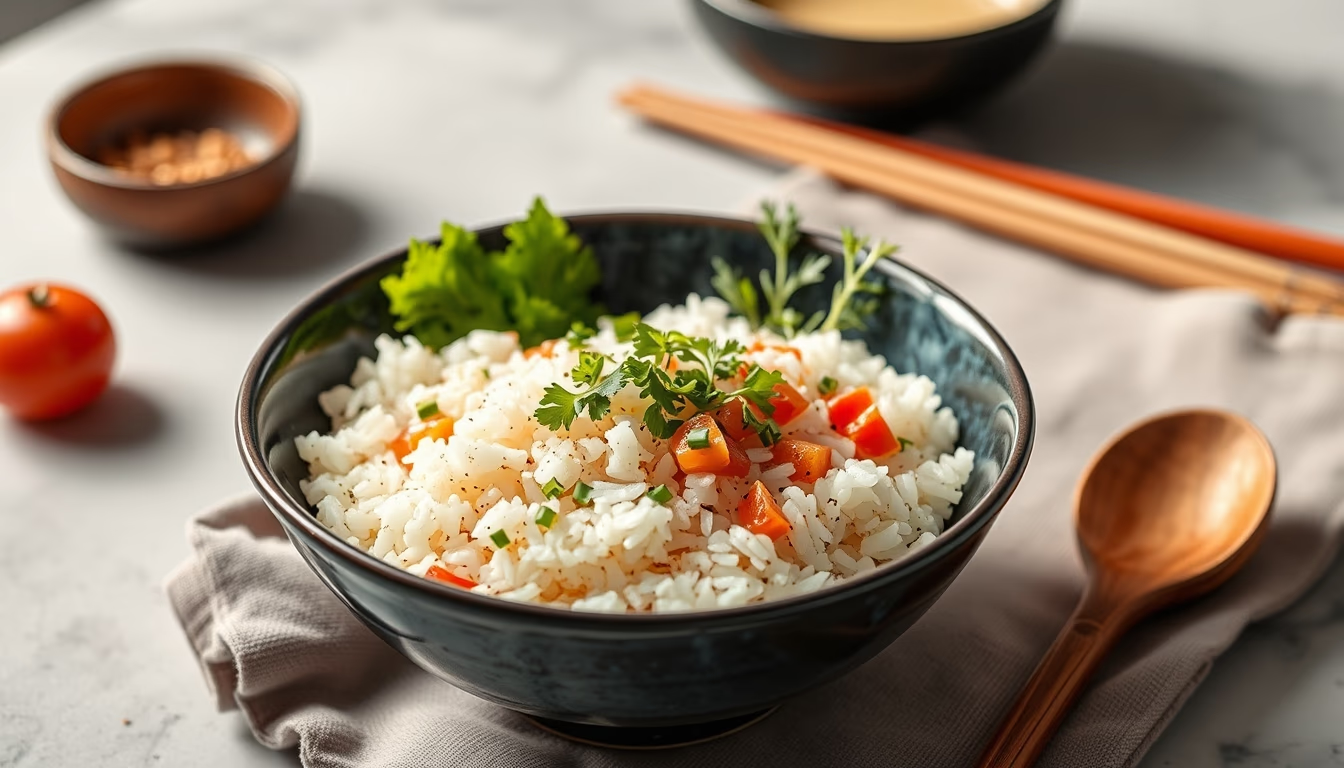
Yes, it is possible. Simply cook sushi rice and season it with vinegar, sugar, and salt. To color, add beet juice (pink), blended spinach (green), or saffron (yellow) to the warm rice. Use fillings like salmon, cucumber, avocado, and cream cheese to complete.
Are colorful maki rolls healthy?
They can be, depending on the ingredients. Using fresh vegetables and fish provides nutrients, but attention should be paid to cream cheese and excess rice. In general, they are a balanced option when prepared with natural ingredients and without frying.
Direct URL
https://pub-c7d6a6ea828543ac903a74a341ccb2e1.r2.dev/imagens/maki-rolls-colorful-isometric-flat-lay-fresh2.avifHow to credit
Include a visible link back to UtilizAí. Copy one of the snippets below:
<a href="https://xn--utiliza-eza.com/en/midia/imagens/maki-rolls-colorful-isometric-flat-lay-fresh2">Maki rolls colorful</a> by <a href="https://xn--utiliza-eza.com">UtilizAí</a>, licensed under <a href="https://creativecommons.org/licenses/by/4.0/">CC BY 4.0</a>.
[Maki rolls colorful](https://xn--utiliza-eza.com/en/midia/imagens/maki-rolls-colorful-isometric-flat-lay-fresh2) by [UtilizAí](https://xn--utiliza-eza.com), CC BY 4.0
License: CC-BY-4.0