Maki rolls colorful
1344×768 · AVIF · CC BY 4.0
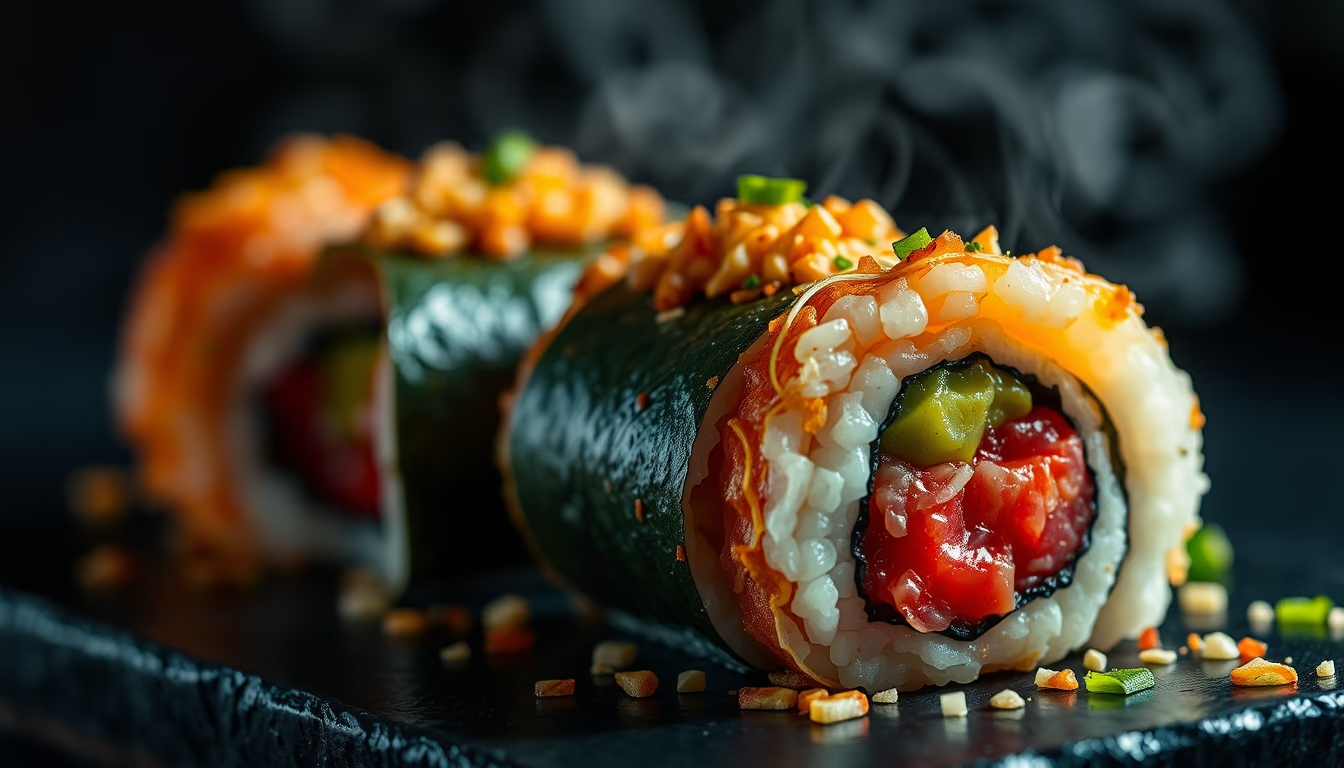
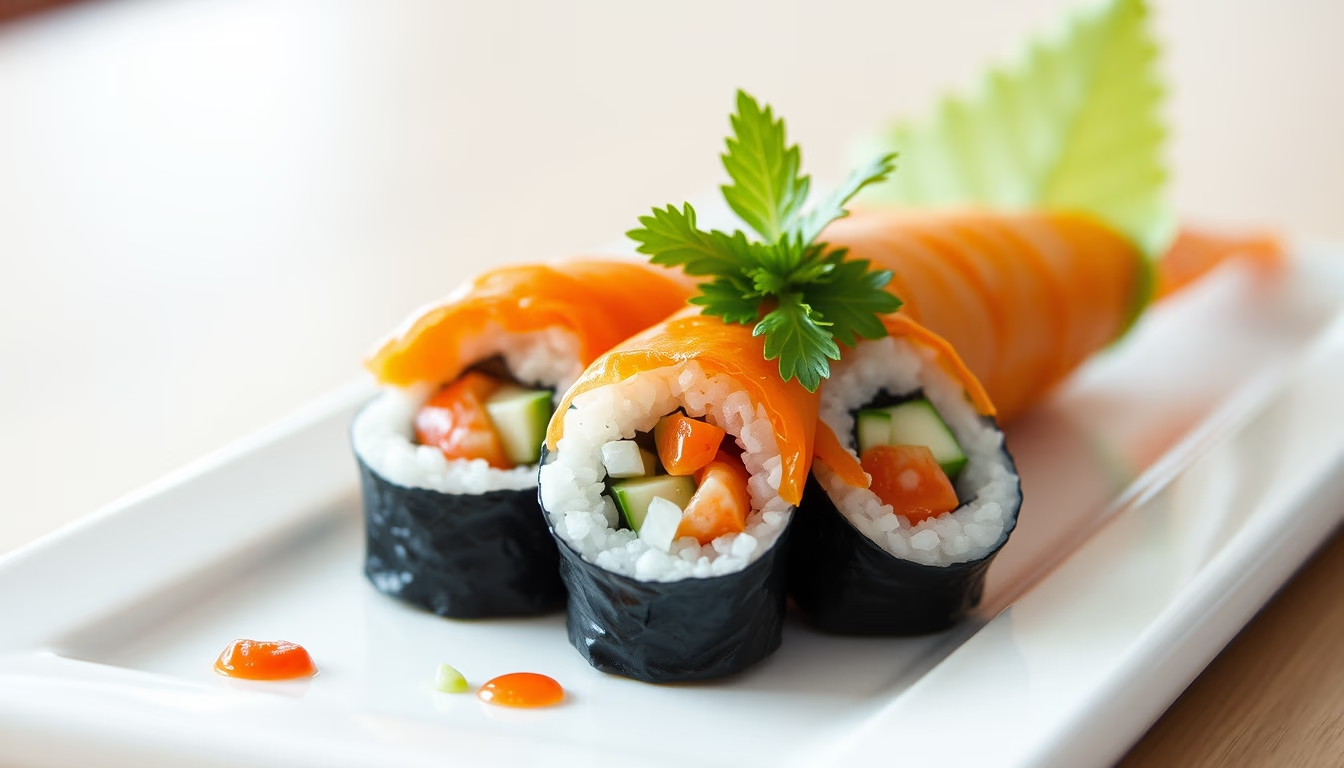
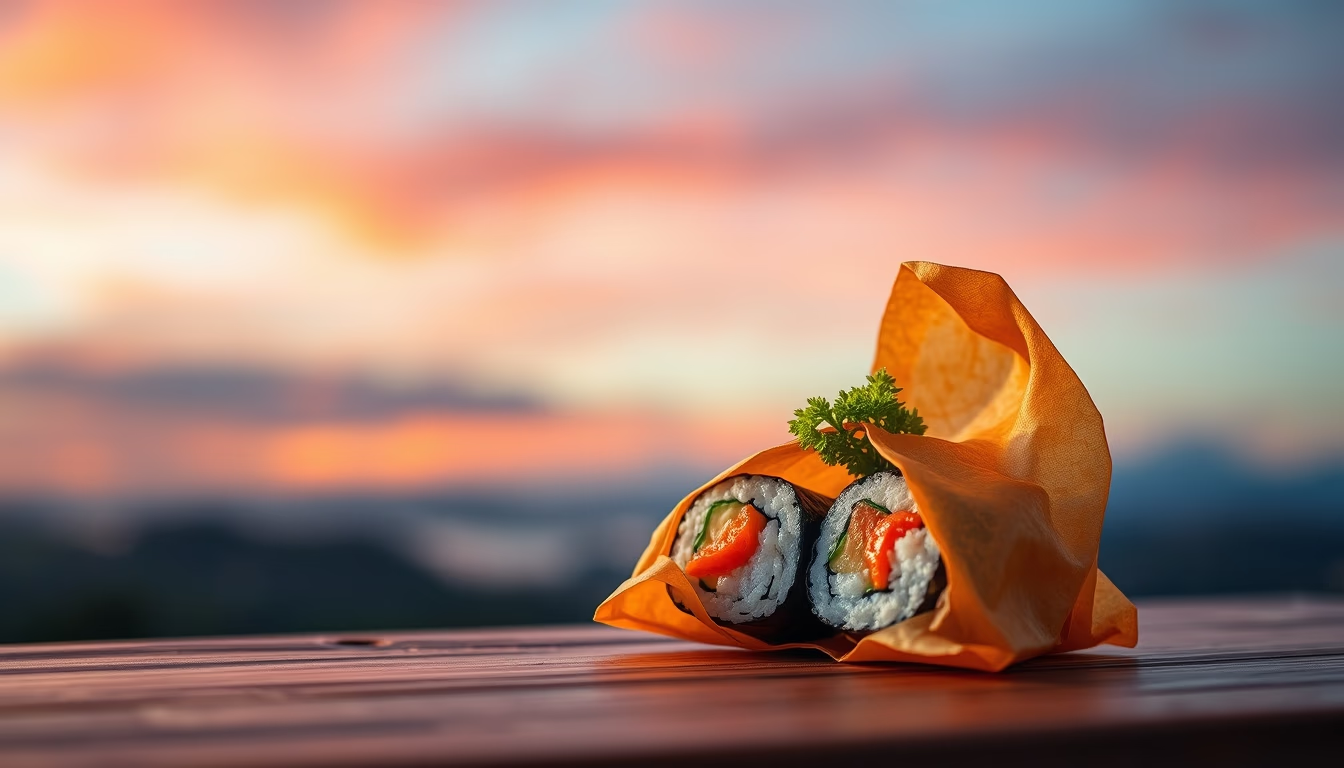
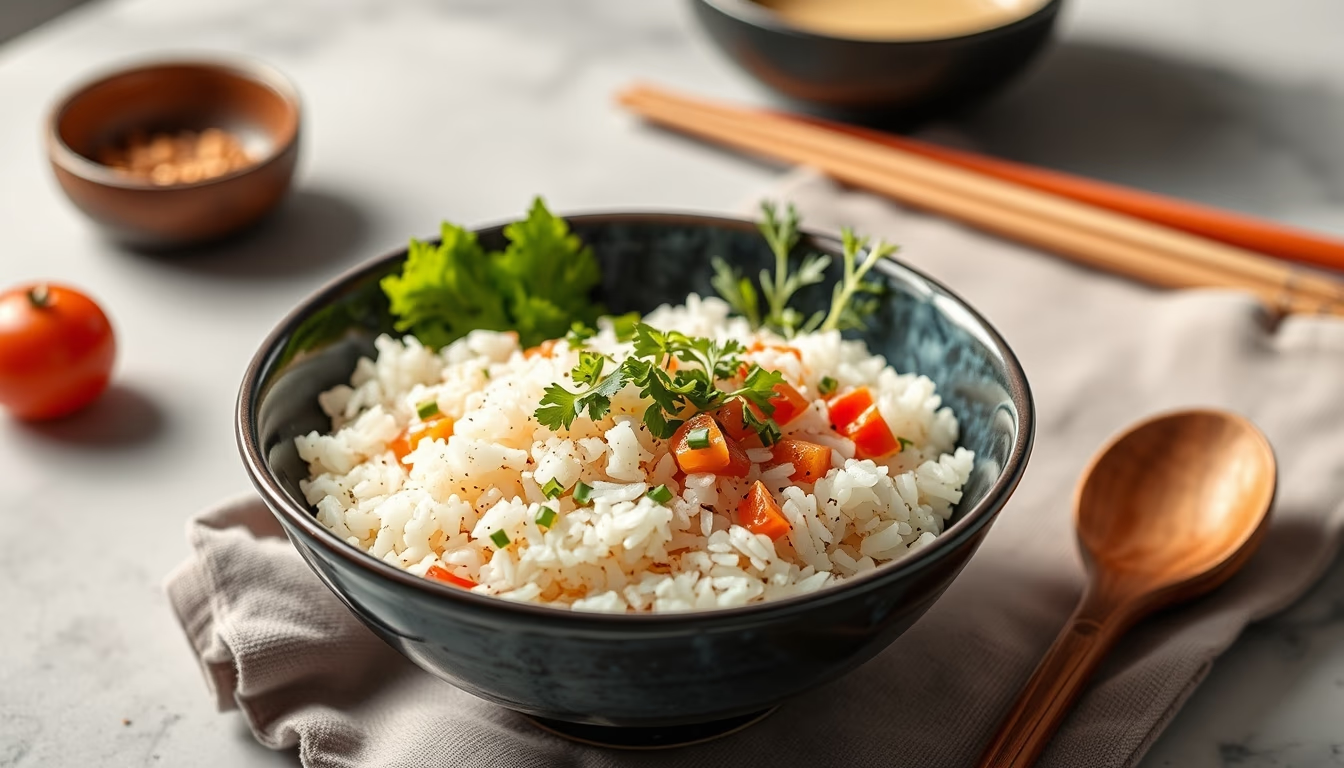
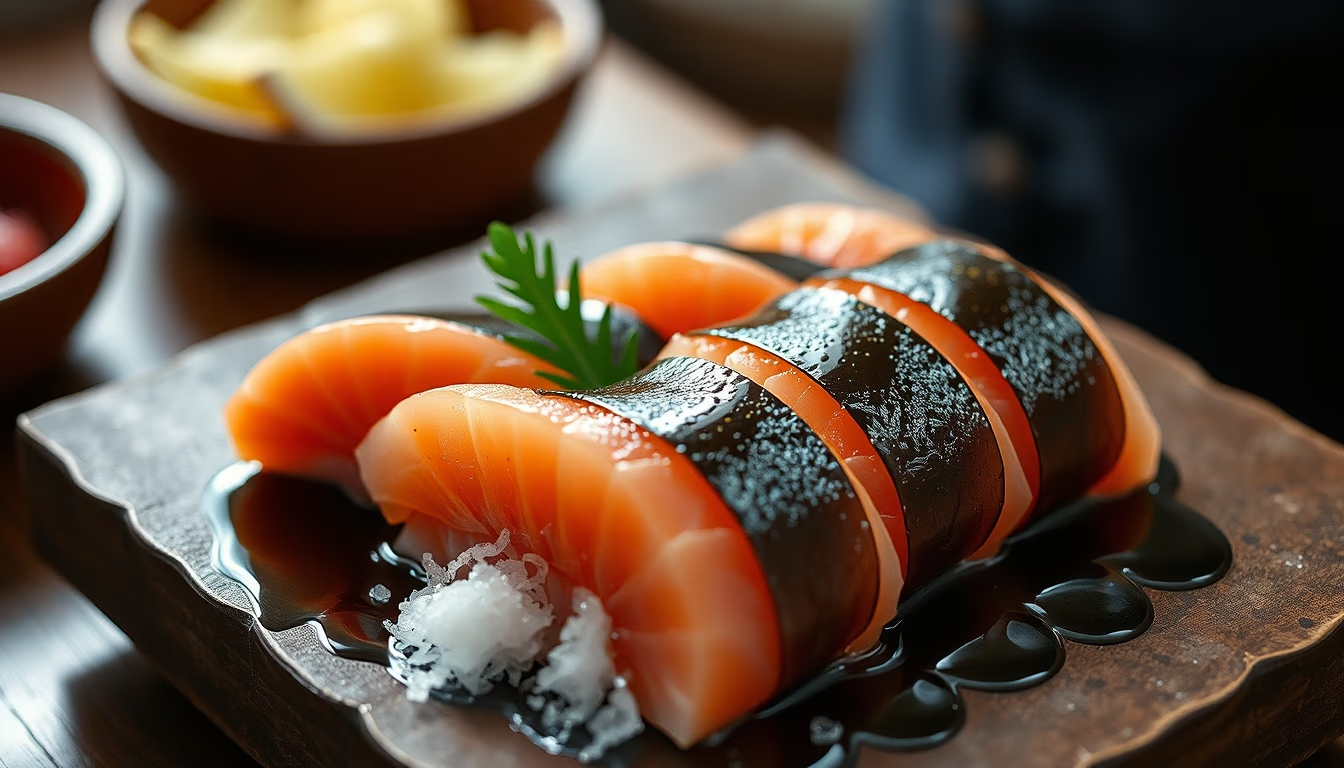
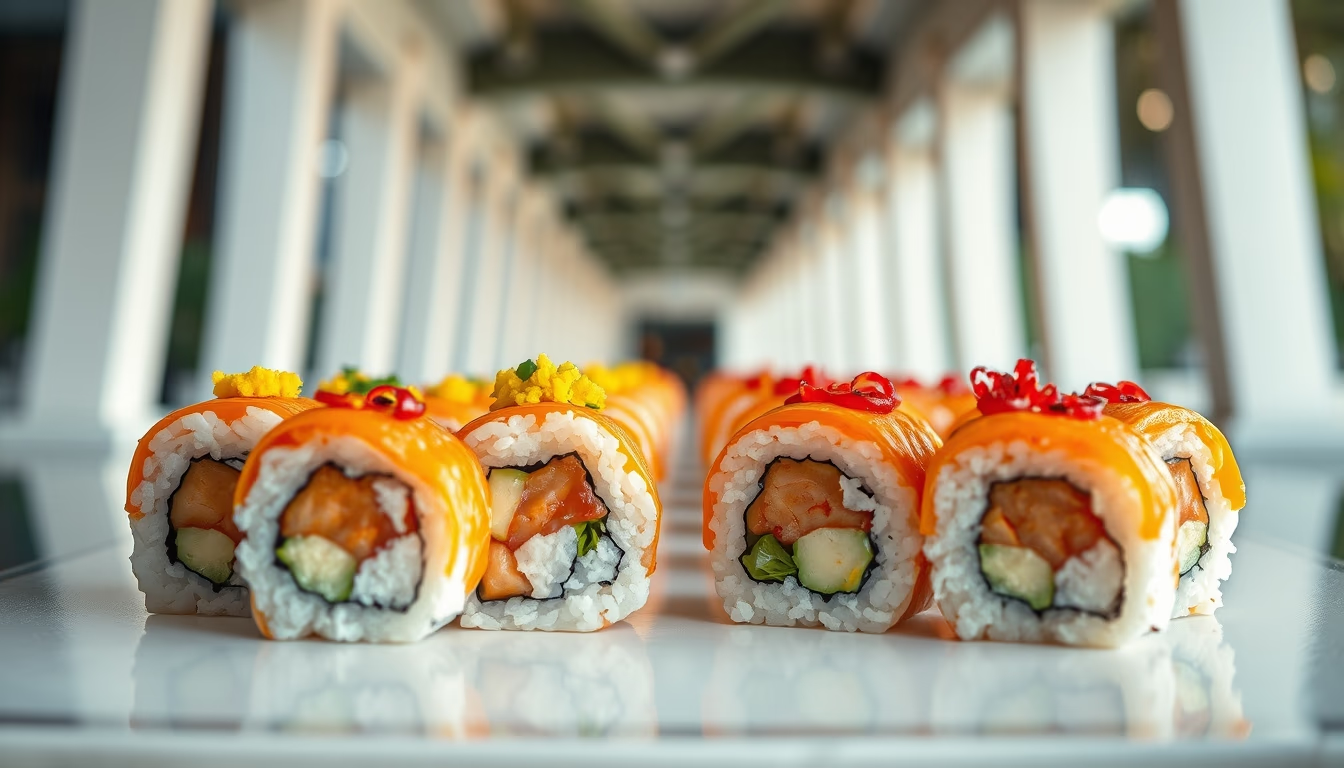
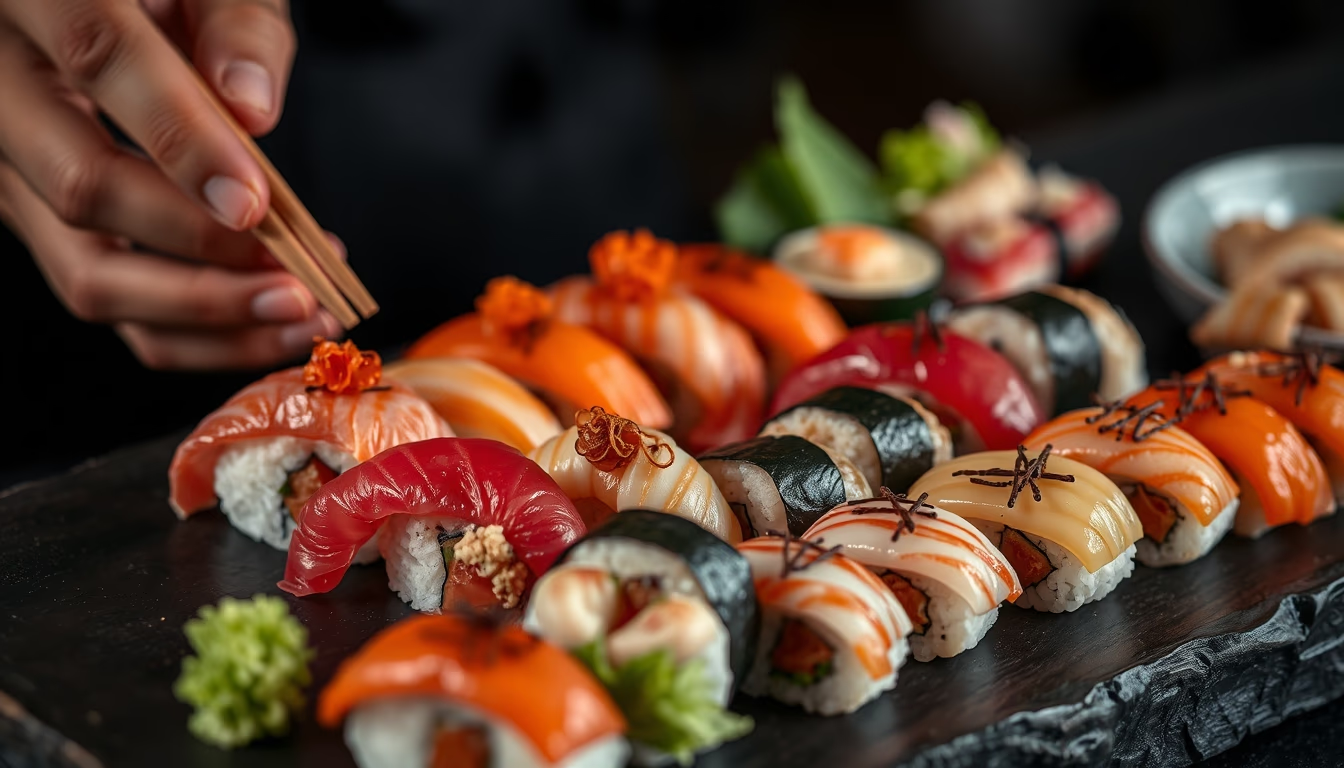
Colorful maki rolls combine seasoned rice with various fillings wrapped in nori seaweed, showcasing the versatility of Japanese cuisine.
About this subject
Maki rolls are one of the most popular types of sushi worldwide, characterized by being rolled in a bamboo mat (makisu) with an outer layer of nori seaweed. The colorful version comes to life with ingredients like salmon, avocado, cucumber, cream cheese, and toppings such as masago (fish roe) or colorful furikake. In Japan, maki originated in the Edo period (8th century) as a way to preserve fish in fermented rice, evolving into the modern version with rice seasoned with rice vinegar, sugar, and salt.
In Brazil, sushi was adapted with local ingredients like cream cheese and tropical fruits, giving rise to creations such as hot roll (breaded and fried) and uramaki (rice on the outside). Colorful maki rolls are often served in contemporary Japanese restaurants, at food design events, and at party buffets. Visual variety can also be achieved by using naturally colored rice (with beetroot or spinach) or toppings like black and white sesame seeds.
The global popularity of maki has led to competitions such as the World Sushi Cup, where chefs compete with artistic creations. The colorful presentation is not just aesthetic: each color can indicate a different flavor, such as green from avocado or orange from salmon. In Brazil, sushi consumption has grown by more than 30% in the last decade, with special rolls that blend tradition and innovation standing out.
Frequently Asked Questions
What is the difference between maki, uramaki, and hosomaki?
Maki is the general term for rolled sushi. Hosomaki is a thin roll with a single ingredient. Uramaki has the rice on the outside and nori on the inside, allowing for varied toppings.
Do colorful maki rolls use artificial coloring?
Not necessarily. Many chefs use natural ingredients like beetroot (purple), spinach (green), or turmeric (yellow) to color the rice, plus colorful toppings like masago or furikake.
How to store maki rolls to keep them fresh?
It is best to consume them the same day. If needed, refrigerate in an airtight container for up to 24 hours, but the rice may harden. Avoid freezing.
Direct URL
https://pub-c7d6a6ea828543ac903a74a341ccb2e1.r2.dev/imagens/maki-rolls-colorful-high-fashion-editorial-fresh16.avifHow to credit
Include a visible link back to UtilizAí. Copy one of the snippets below:
<a href="https://xn--utiliza-eza.com/en/midia/imagens/maki-rolls-colorful-high-fashion-editorial-fresh16">Maki rolls colorful</a> by <a href="https://xn--utiliza-eza.com">UtilizAí</a>, licensed under <a href="https://creativecommons.org/licenses/by/4.0/">CC BY 4.0</a>.
[Maki rolls colorful](https://xn--utiliza-eza.com/en/midia/imagens/maki-rolls-colorful-high-fashion-editorial-fresh16) by [UtilizAí](https://xn--utiliza-eza.com), CC BY 4.0
License: CC-BY-4.0