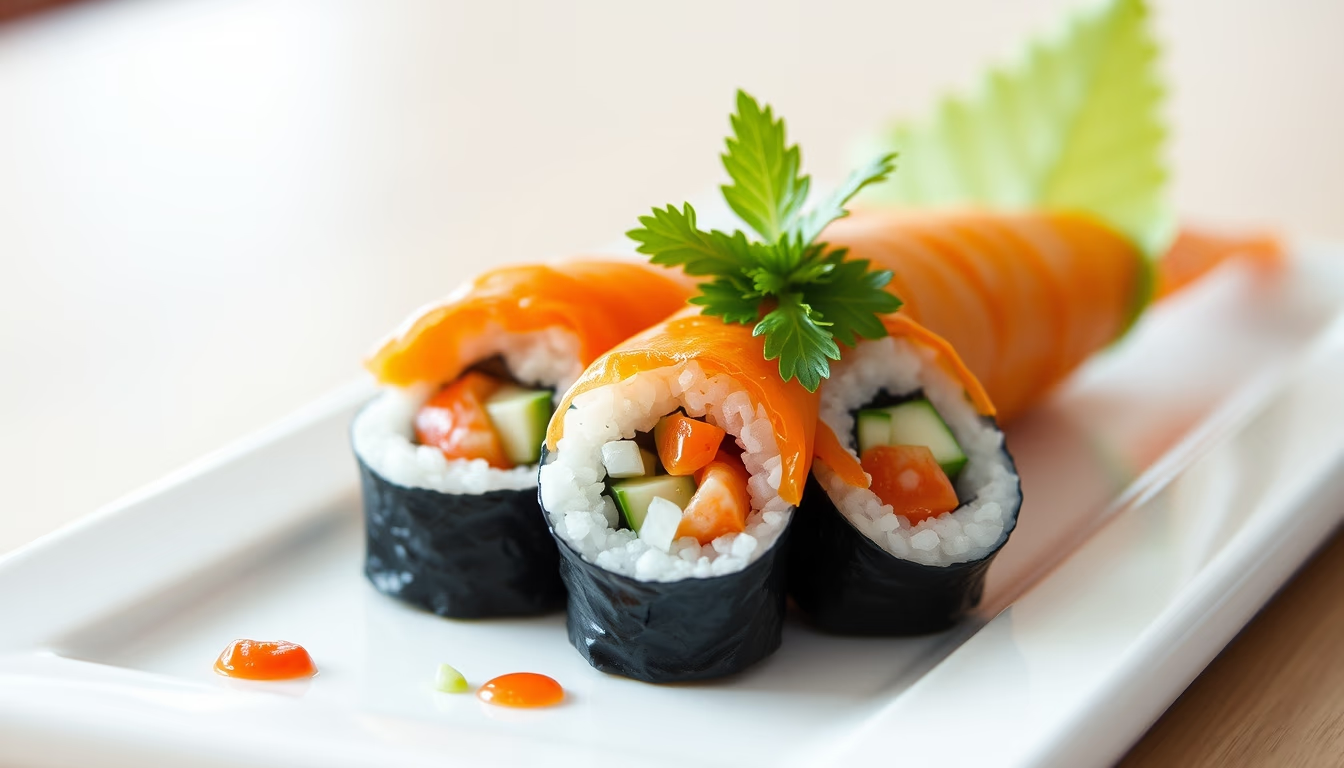
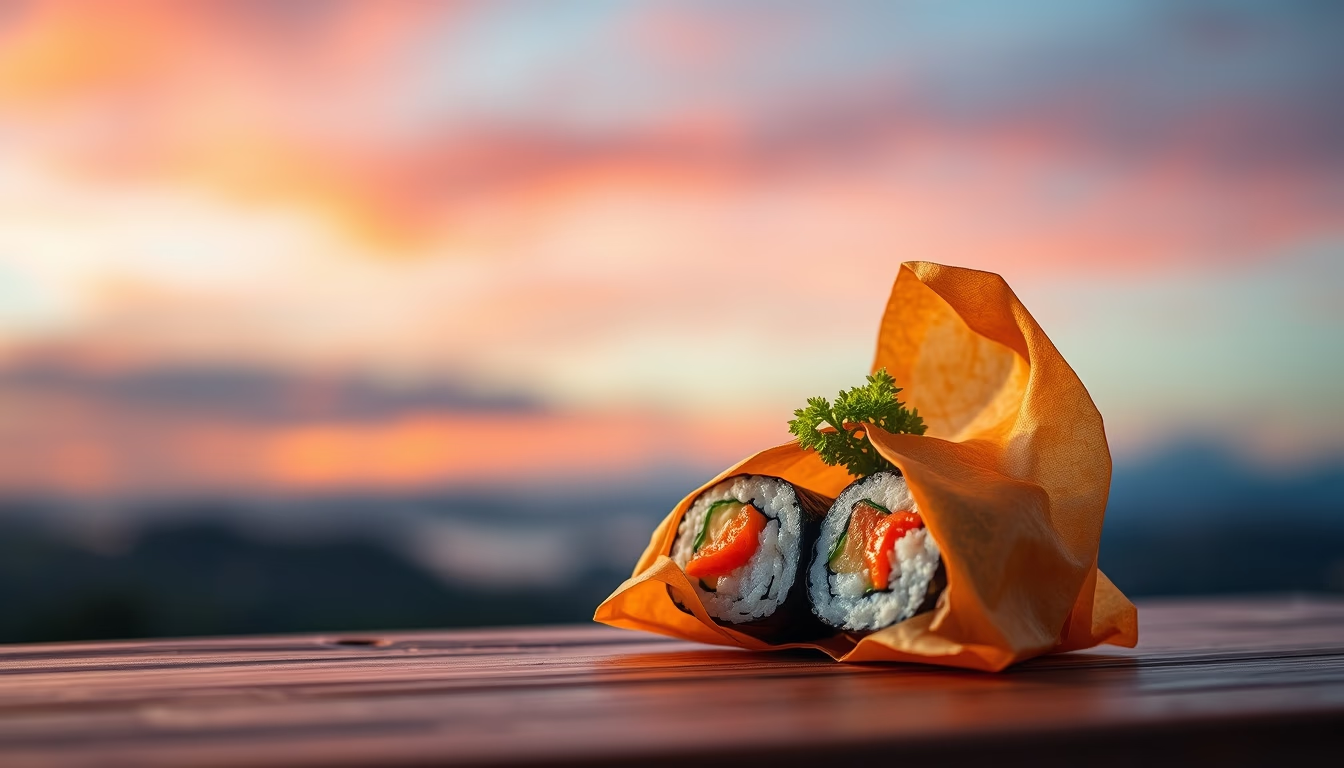
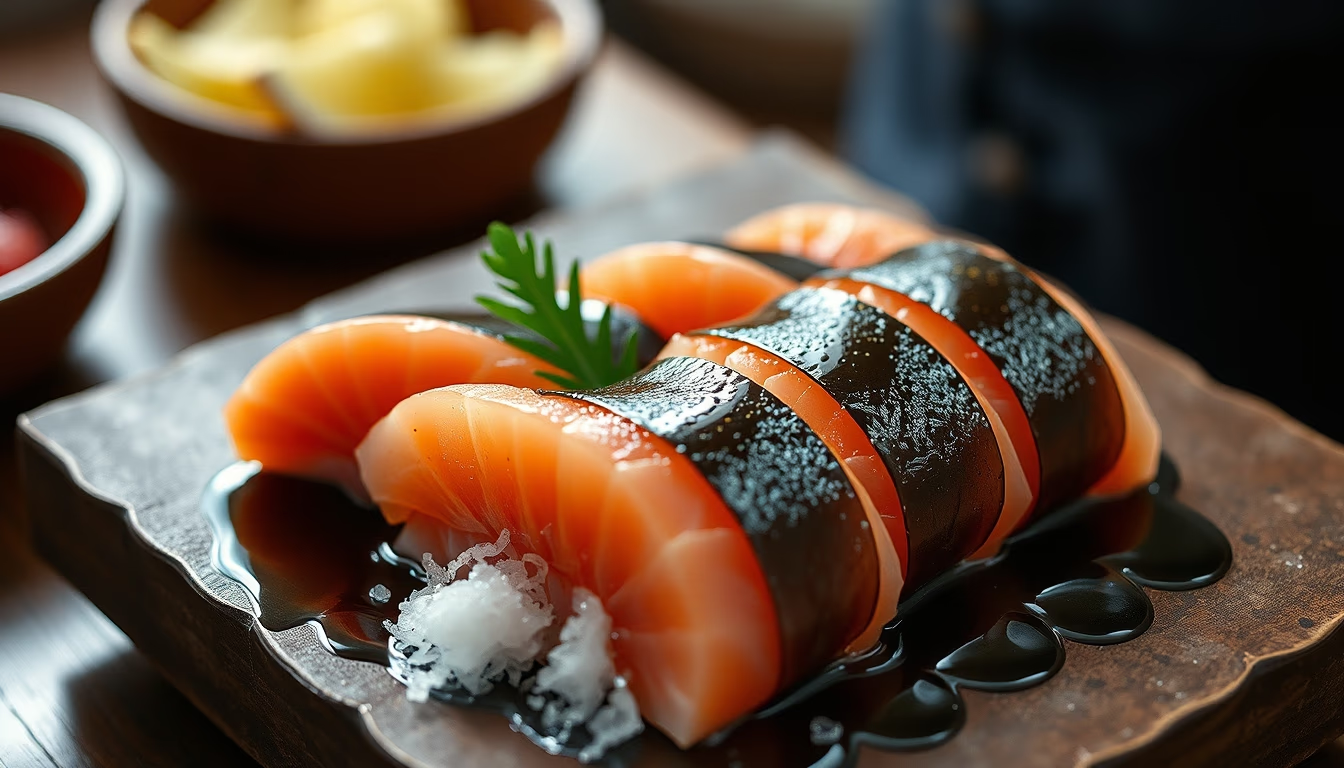
Maki rolls colorful
1344×768 · AVIF · CC BY 4.0
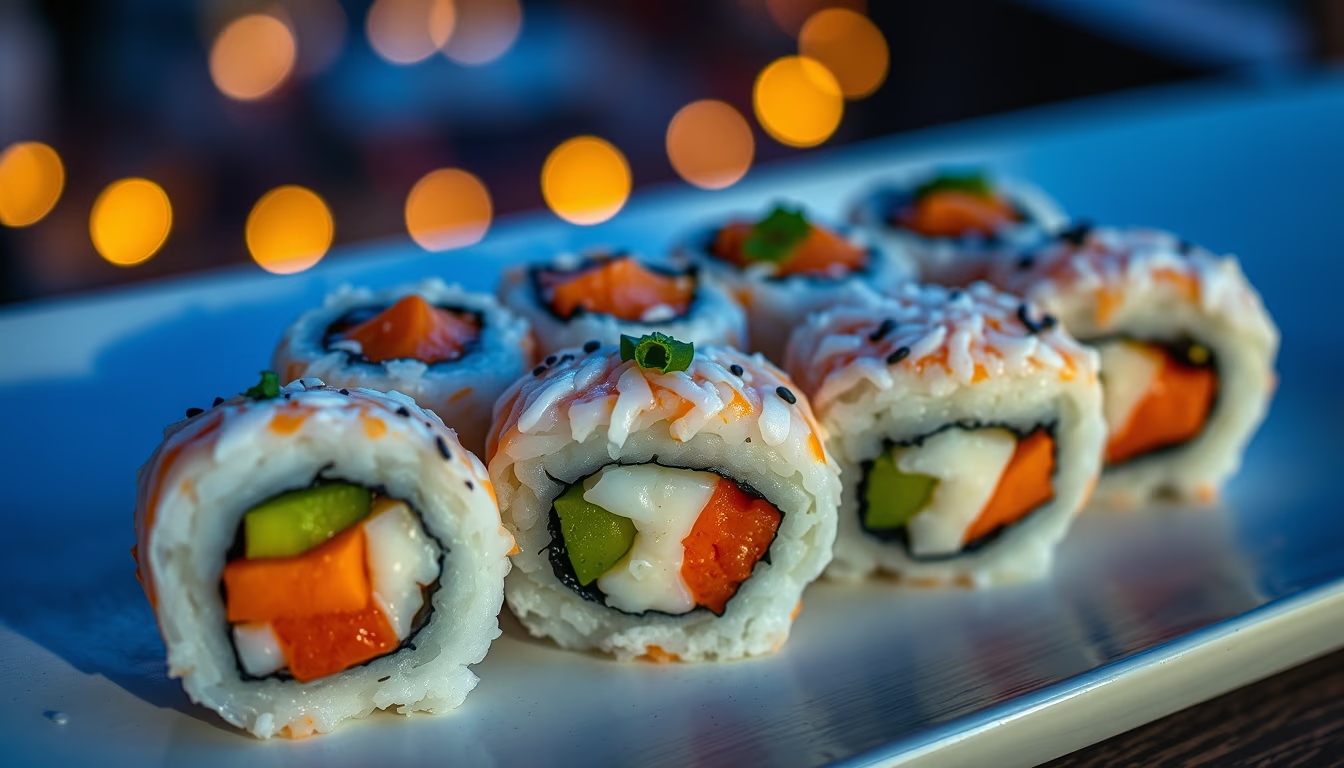
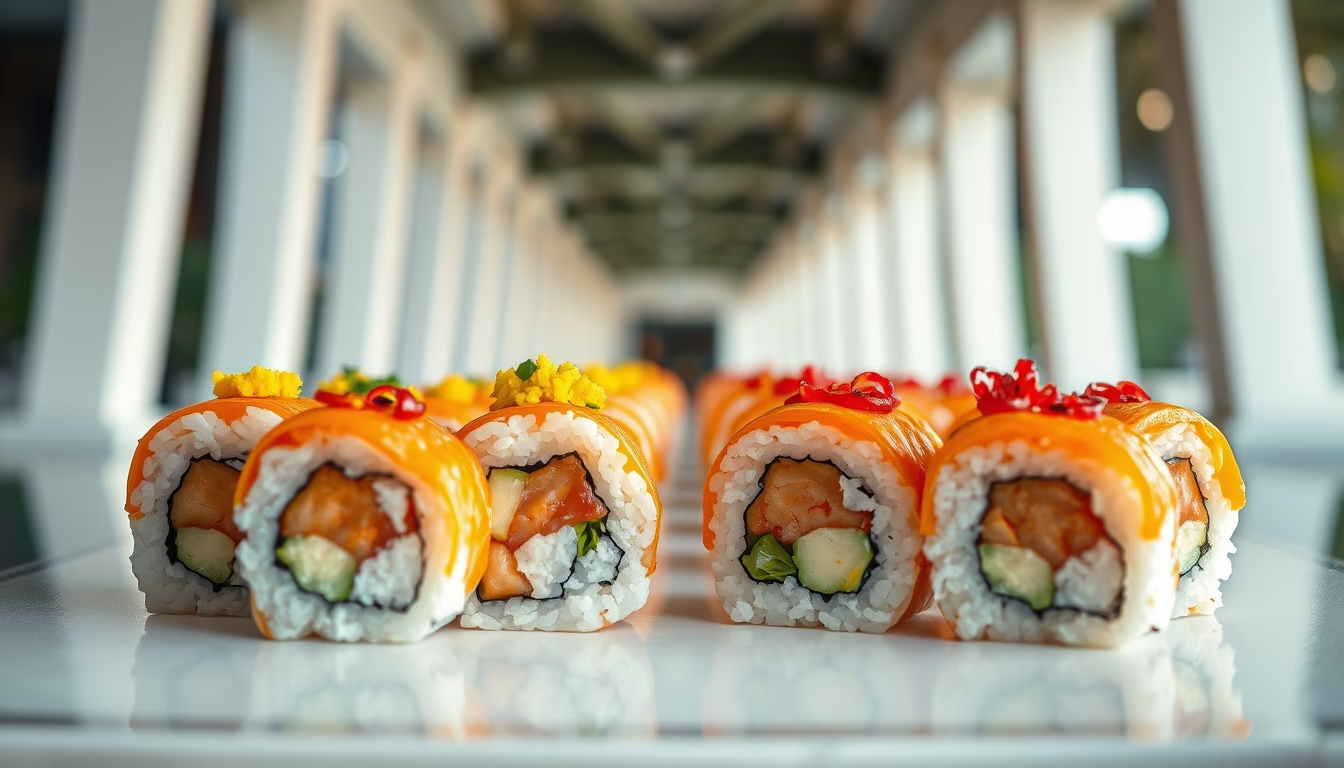
Colorful maki rolls are a vibrant variation of traditional rolled sushi, combining fresh ingredients and seasoned rice to create visually striking presentations.
About this subject
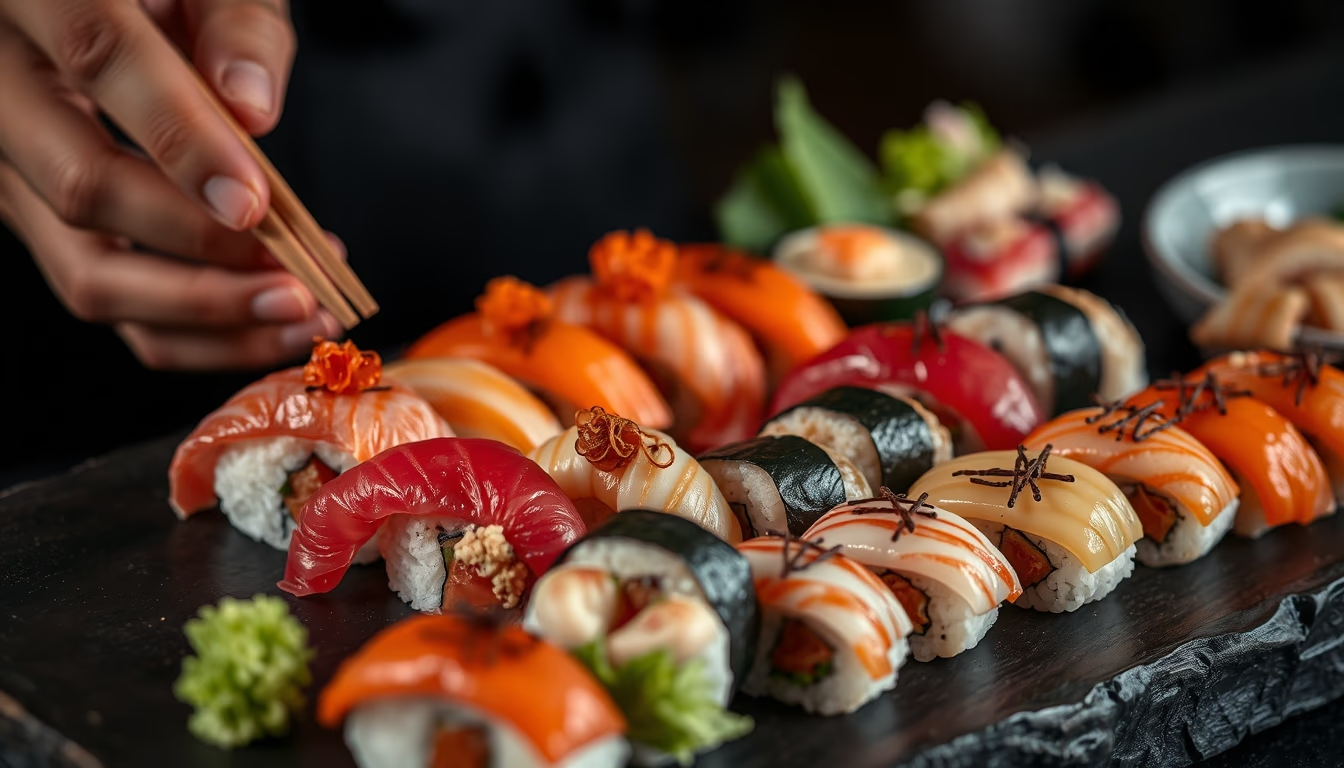
Maki rolls, also known as makizushi, are one of the most popular styles of sushi, characterized by a layer of rice and filling wrapped in a sheet of nori seaweed. The colorful version of these rolls stands out not only for flavor but for aesthetics: ingredients like salmon, avocado, cucumber, mango, and various fish are arranged to create vibrant patterns and contrasts. To achieve even more intense colors, some chefs use rice seasoned with natural juices such as beet (pink), spinach (green), or turmeric (yellow), without compromising the traditional taste.
The origin of maki rolls dates back to Japan's Edo period, when sushi was prepared as a way to preserve fish in vinegared rice. Over time, the technique of rolling with nori became popular, and from the 20th century onward, Western adaptations like colorful rolls emerged in fusion restaurants, especially in the United States and Brazil. In Brazil, sushi took on its own characteristics, with the use of cream cheese, tropical fruits, and even toppings like spicy mayonnaise, making maki rolls even more diverse.
The colorful presentation is not merely decorative: each color can indicate a different ingredient or flavor, making it easier to identify mixed platters. Additionally, the variety of colors stimulates appetite and is often used in festive occasions or in restaurant menus seeking innovation. Colorful maki rolls are also an interesting option for those wanting to experience varied textures and flavors in a single piece, while maintaining the base of rice seasoned with vinegar, sugar, and salt, typical of sushi.
The global popularity of colorful maki rolls reflects the adaptability of Japanese cuisine to different palates and visual trends. On social media, these creations are frequently shared due to their aesthetic appeal, further boosting sushimen's creativity. Despite innovations, the essence of makizushi remains: balance between rice, fresh fish, and seaweed, now with a touch of color that delights the eyes before the palate.
Frequently Asked Questions
What is the difference between maki rolls and other types of sushi?
Maki rolls are cylindrical sushi wrapped in nori seaweed, with rice and filling inside. They differ from nigiri (rice topped with fish) and uramaki (rice on the outside).
Which ingredients are used to give color to colorful maki rolls?
Natural colors come from ingredients like beet (pink), spinach (green), turmeric (yellow), or fish like salmon (orange). Fruits such as mango and vegetables like cucumber are also used.
Are colorful maki rolls a Japanese tradition or a Western adaptation?
They are mainly a Western adaptation, popularized in fusion restaurants. In traditional Japan, maki rolls are more subdued, but colorful versions have gained global popularity.
Direct URL
https://pub-c7d6a6ea828543ac903a74a341ccb2e1.r2.dev/imagens/maki-rolls-colorful-aerial-drone-shot-fresh9.avifHow to credit
Include a visible link back to UtilizAí. Copy one of the snippets below:
<a href="https://xn--utiliza-eza.com/en/midia/imagens/maki-rolls-colorful-aerial-drone-shot-fresh9">Maki rolls colorful</a> by <a href="https://xn--utiliza-eza.com">UtilizAí</a>, licensed under <a href="https://creativecommons.org/licenses/by/4.0/">CC BY 4.0</a>.
[Maki rolls colorful](https://xn--utiliza-eza.com/en/midia/imagens/maki-rolls-colorful-aerial-drone-shot-fresh9) by [UtilizAí](https://xn--utiliza-eza.com), CC BY 4.0
License: CC-BY-4.0