Mai tai tropical garnish
1344×768 · AVIF · CC BY 4.0
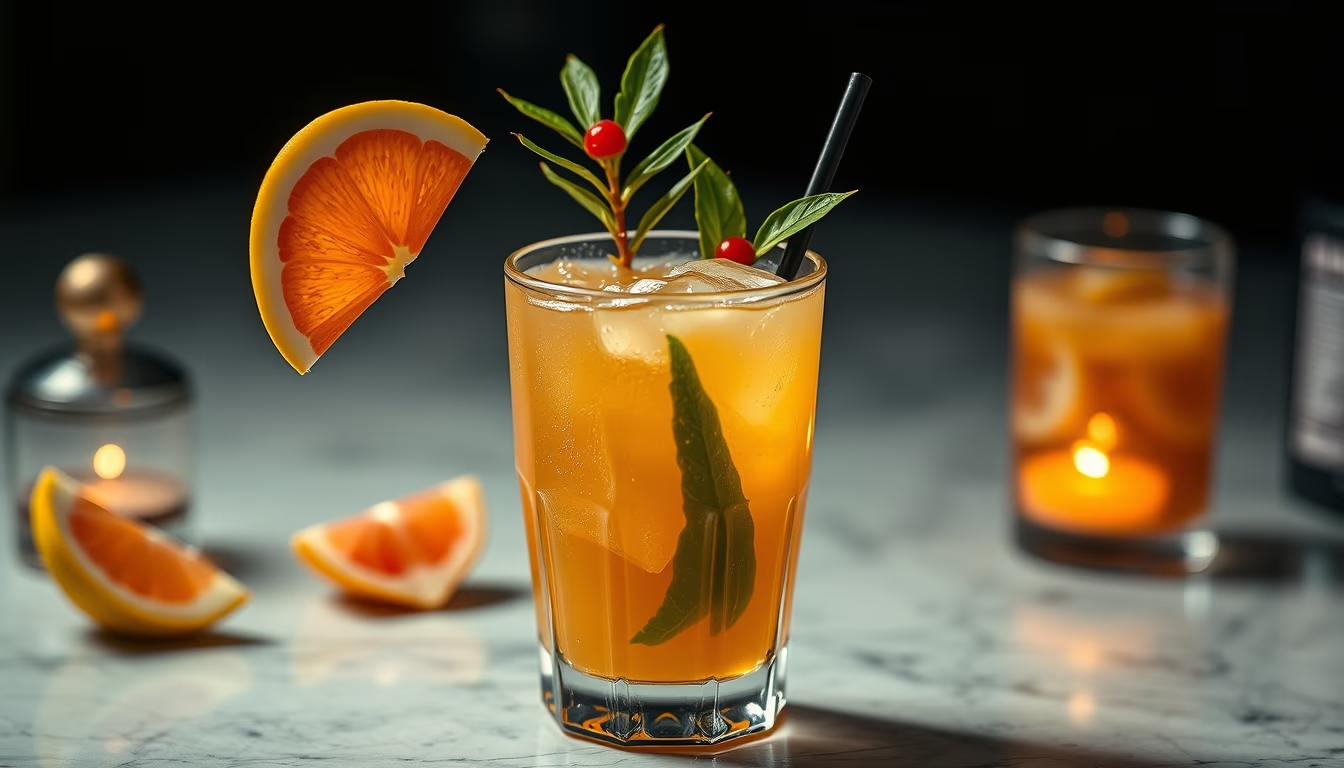
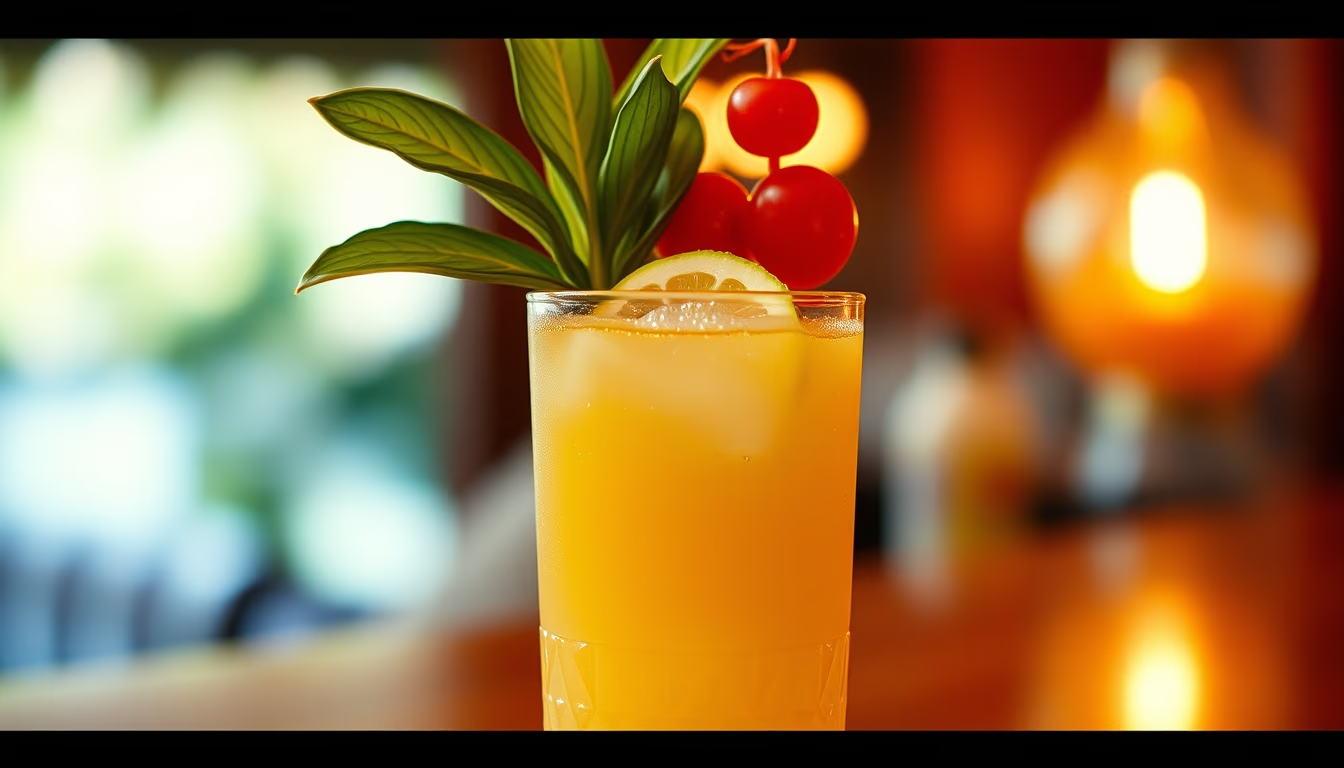
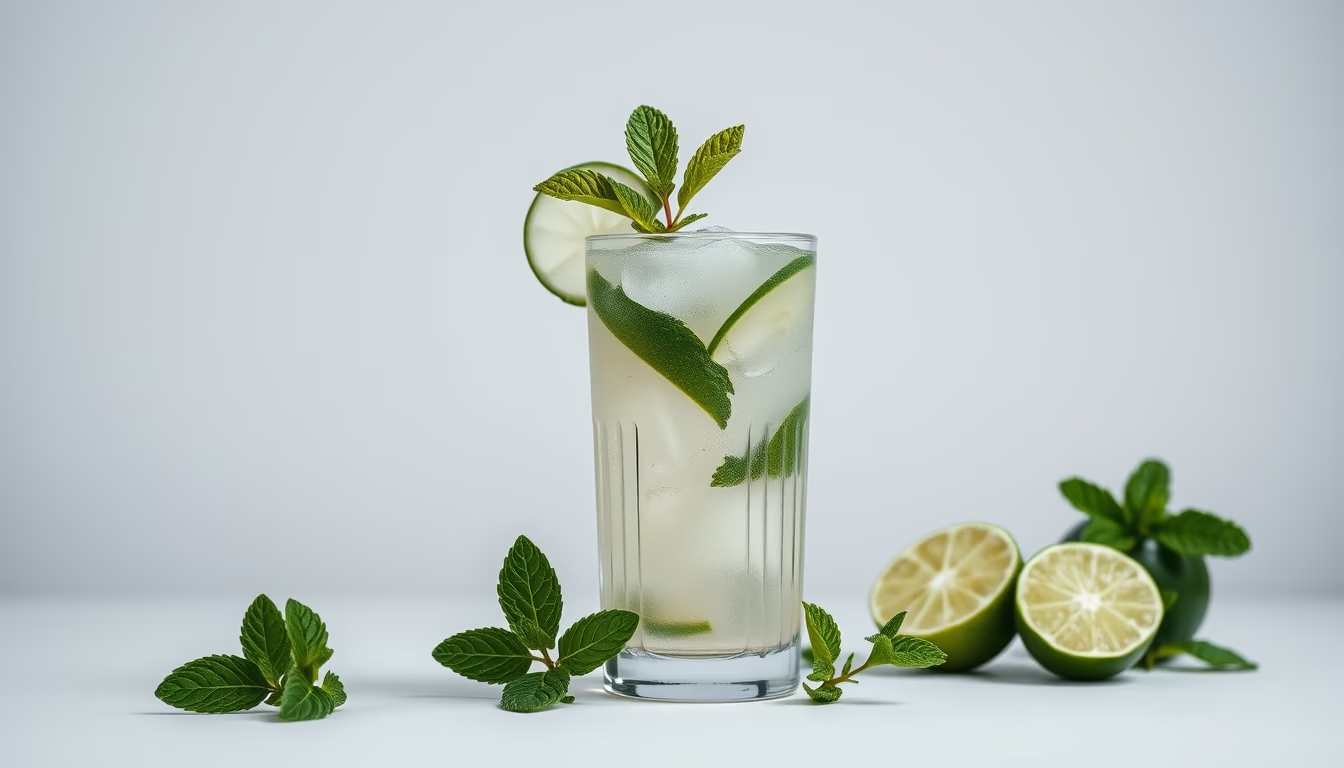
The tropical garnish of a Mai Tai combines mint, lime, pineapple, and hibiscus flower, evoking Polynesian aesthetics and the classic 1944 cocktail.
About this subject
The Mai Tai is one of the most iconic cocktails of tiki culture, created in 1944 by bartender Victor J. Bergeron (known as Trader Vic) in Oakland, California. The original recipe calls for Jamaican and Martinique rums, orange curaçao, lime juice, and orgeat syrup (or almond syrup), resulting in a balanced and refreshing drink. The tropical garnish is an essential part of the presentation: a mint sprig, a lime wheel, a pineapple wedge, and often a hibiscus or orchid flower. These elements not only decorate but also aromatize the drink, releasing essential oils as the guest stirs the glass.
The Mai Tai's aesthetic reflects the influence of Polynesian culture on post-war American pop culture. Trader Vic was inspired by trips to Tahiti and local cocktails, adapting ingredients available in the United States. The name means "good" in Tahitian, and the drink quickly became a symbol of tropical escapism. Unlike other tiki cocktails, the Mai Tai does not rely on sweet fruit juices, trusting the contrast between aged rum and citrus. The garnishing with mint and hibiscus flower is so characteristic that in bartending competitions, the assembly of the garnish is evaluated.
Interestingly, the original recipe did not include pineapple in the garnish, it became popular in later adaptations. The Mai Tai is one of the most requested drinks in classic cocktail bars, appearing on official lists of the International Bartenders Association. Its versatility allows variations with different types of rum, such as potent Jamaican or smooth Demerara. The tropical garnish, while beautifying, also serves as a freshness indicator: the mint should be vibrant, the lime freshly cut, and the flower unwilted.
In 2022, the Mai Tai was celebrated on World Tiki Day, with bars around the world serving their versions. The visual and gustatory combination of the tropical garnish is so striking that it has inspired fashion collections and advertising campaigns, cementing the cocktail as a cultural icon beyond mixology.
Frequently Asked Questions
What is the origin of the name Mai Tai?
Mai Tai means 'good' in Tahitian. Trader Vic claimed that a Tahitian customer tasted the cocktail for the first time and exclaimed 'Mai Tai!', naming the drink.
What does a traditional Mai Tai tropical garnish consist of?
Traditionally it includes a fresh mint sprig, a lime wheel, a pineapple wedge, and an edible flower such as hibiscus or orchid. Some variations add a maraschino cherry.
Does the Mai Tai contain pineapple juice?
The original recipe by Trader Vic does not contain pineapple juice. Pineapple appears only in the garnish. Commercial or adapted versions may include juice, but purists prefer the classic recipe.
Direct URL
https://pub-c7d6a6ea828543ac903a74a341ccb2e1.r2.dev/imagens/mai-tai-tropical-garnish-high-fashion-editorial-fresh14.avifHow to credit
Include a visible link back to UtilizAí. Copy one of the snippets below:
<a href="https://xn--utiliza-eza.com/en/midia/imagens/mai-tai-tropical-garnish-high-fashion-editorial-fresh14">Mai tai tropical garnish</a> by <a href="https://xn--utiliza-eza.com">UtilizAí</a>, licensed under <a href="https://creativecommons.org/licenses/by/4.0/">CC BY 4.0</a>.
[Mai tai tropical garnish](https://xn--utiliza-eza.com/en/midia/imagens/mai-tai-tropical-garnish-high-fashion-editorial-fresh14) by [UtilizAí](https://xn--utiliza-eza.com), CC BY 4.0
License: CC-BY-4.0