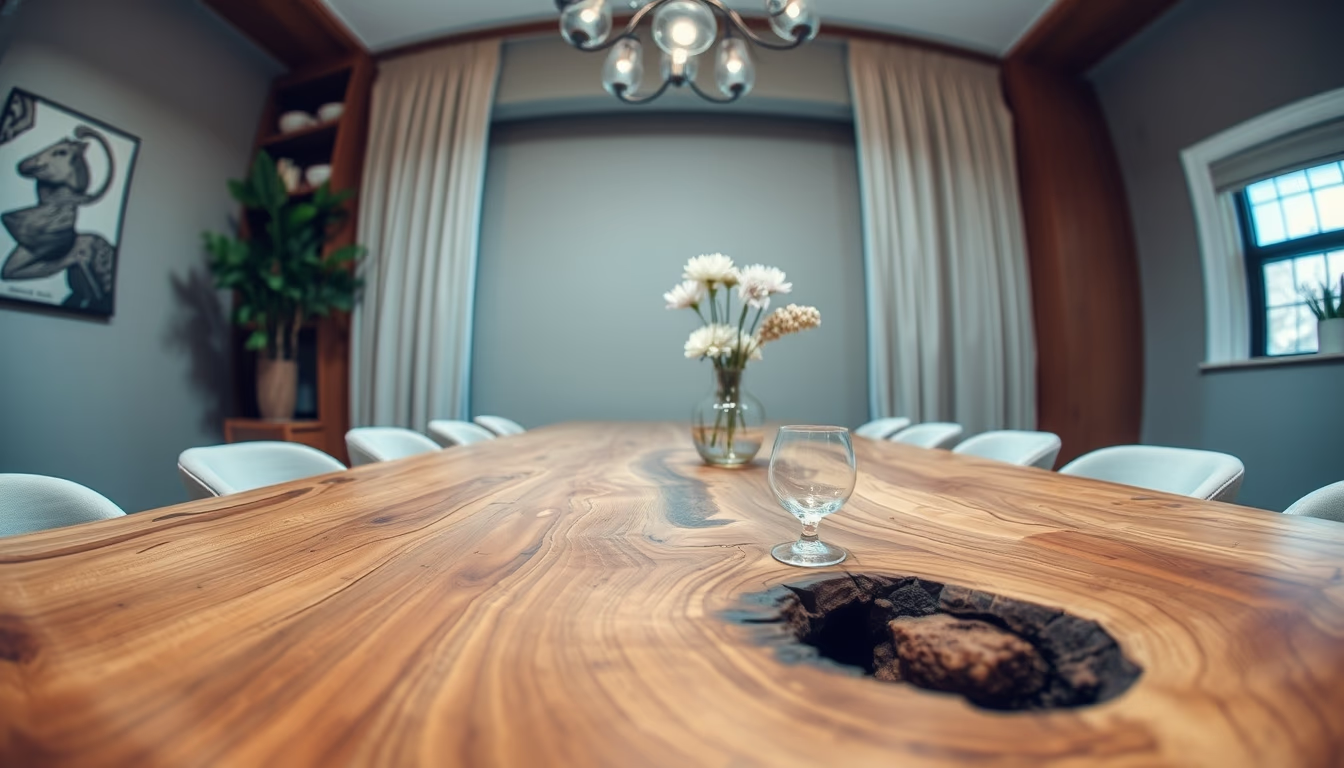
Live edge dining table
1344×768 · AVIF · CC BY 4.0
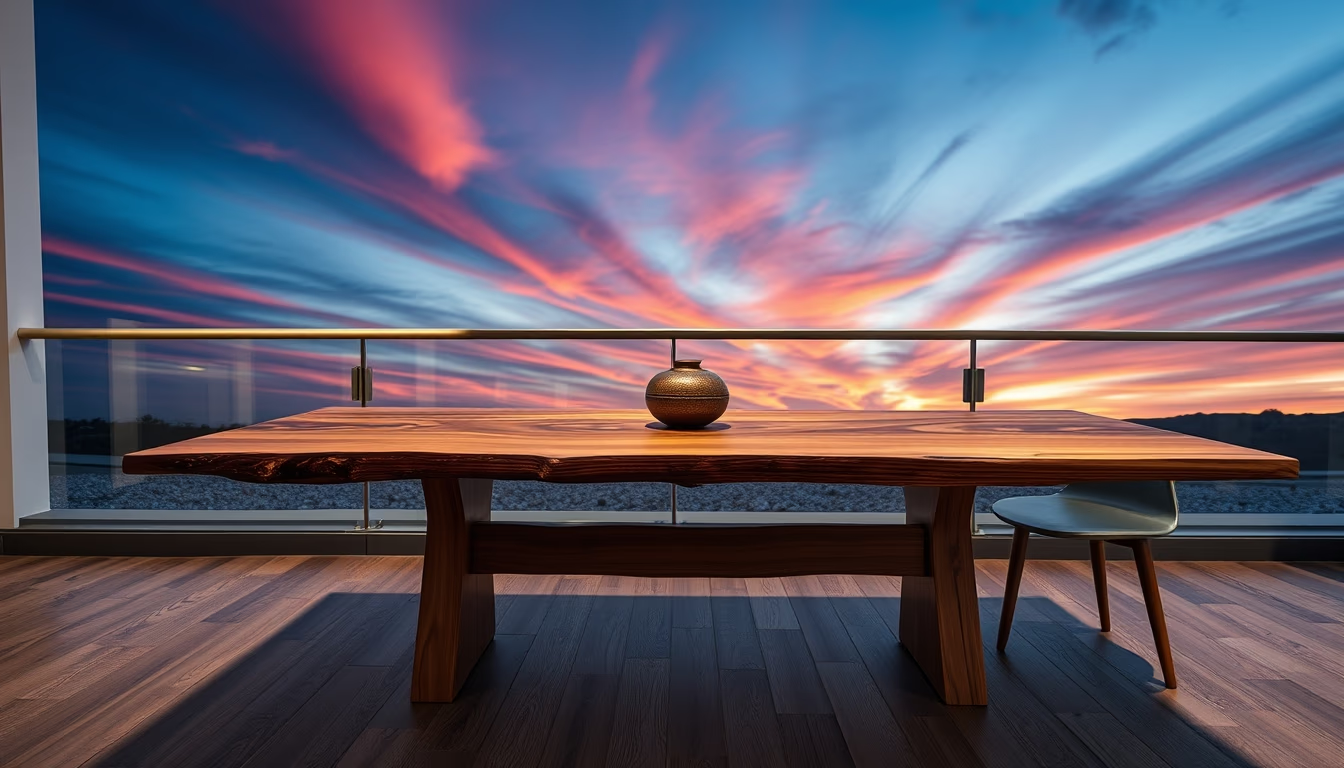
A live edge dining table is a piece of furniture that preserves the natural contour of the wood, bringing an organic and rustic touch to contemporary spaces.
About this subject
Live edge dining tables are crafted from solid wood slabs where the original bark and irregular tree shape are preserved, resulting in a unique, non‑industrial design. This technique highlights natural grain, knots, and color variations, often using hardwoods like walnut, oak, teak, and mahogany. The style gained popularity with the sustainable design movement and appreciation for raw materials, especially in countries like Brazil and the United States, where reclaimed or reforested wood is traditional.
A live edge table typically requires slow drying to prevent cracking, followed by sanding and application of oils or resins that protect the wood without hiding its texture. Some models have a metal base, carbon steel or wrought iron, that contrasts with the organic top. The piece works in dining rooms, offices, or entry halls as a sculptural focal point due to its strong presence.
Interestingly, preserving the live edge dates back to traditional Japanese and Scandinavian carpentry, but gained Western market traction in the 2000s with Nordic design influence. In Brazil, artisan woodworkers from the South and Southeast are references, using woods like cedar and ipê. Maintenance is simple: avoid direct sunlight and clean with a damp cloth and mild soap. Since it's a natural piece, small cracks may appear over time and are considered part of the aged charm.
Frequently Asked Questions
How do I clean a live edge dining table?
Use a soft cloth slightly dampened with water and mild soap. Dry immediately. Avoid harsh chemicals or abrasives that may damage the natural finish.
What types of wood are most common for live edge tables?
Hardwoods like walnut, oak, teak, mahogany, cedar, and ipê. In Brazil, cedar and ipê are popular for their durability and natural beauty.
Will a live edge table crack over time?
Small surface cracks may appear due to natural wood movement, but these are considered character and do not affect structural integrity. Controlled drying minimizes larger cracks.
Direct URL
https://pub-c7d6a6ea828543ac903a74a341ccb2e1.r2.dev/imagens/live-edge-dining-table-long-exposure-fresh15.avifHow to credit
Include a visible link back to UtilizAí. Copy one of the snippets below:
<a href="https://xn--utiliza-eza.com/en/midia/imagens/live-edge-dining-table-long-exposure-fresh15">Live edge dining table</a> by <a href="https://xn--utiliza-eza.com">UtilizAí</a>, licensed under <a href="https://creativecommons.org/licenses/by/4.0/">CC BY 4.0</a>.
[Live edge dining table](https://xn--utiliza-eza.com/en/midia/imagens/live-edge-dining-table-long-exposure-fresh15) by [UtilizAí](https://xn--utiliza-eza.com), CC BY 4.0
License: CC-BY-4.0