Live edge dining table
1344×768 · AVIF · CC BY 4.0
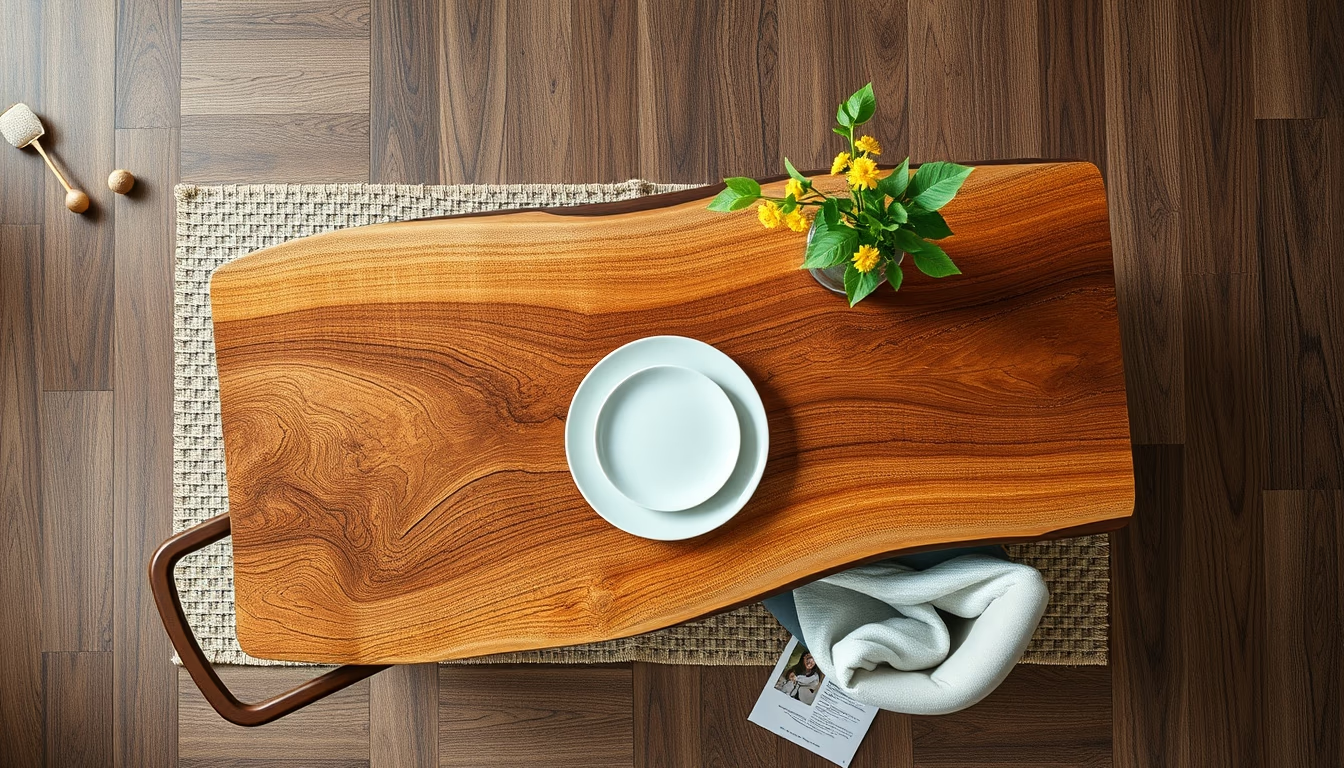
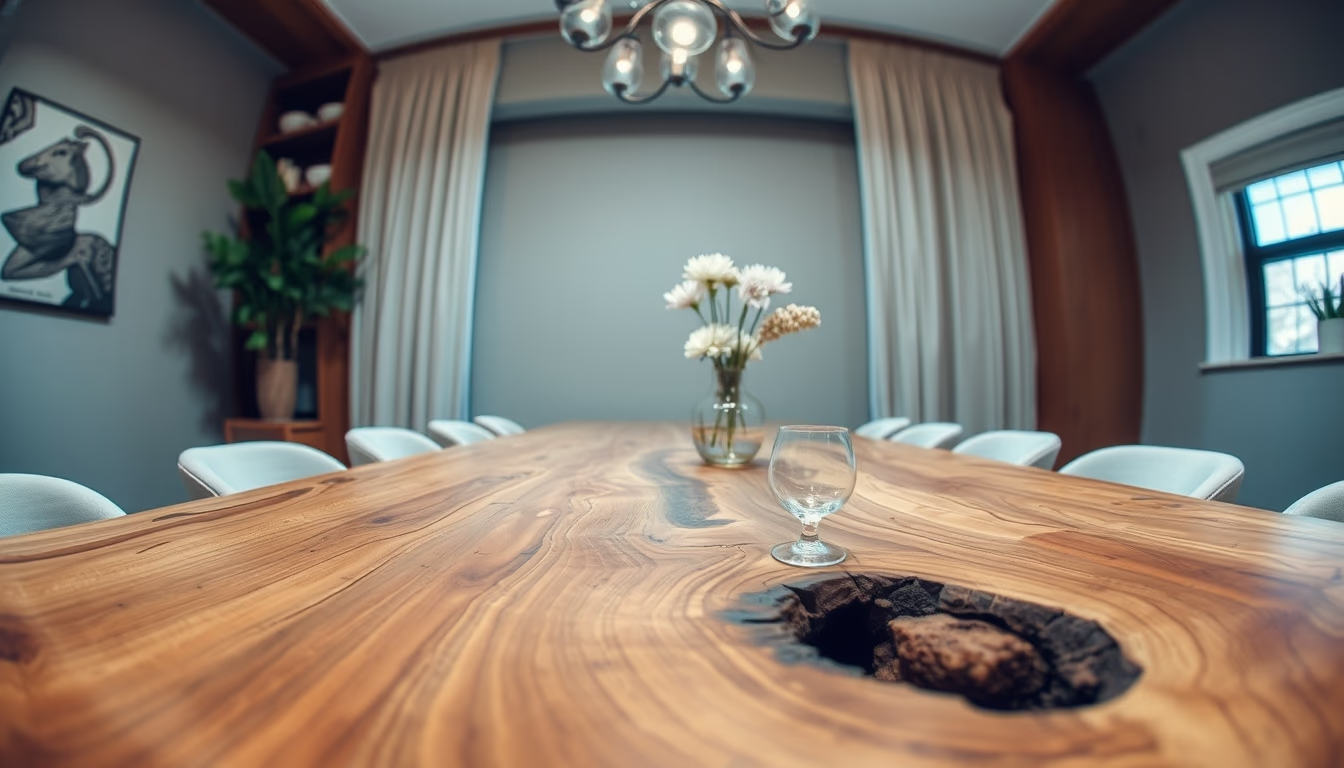
The live edge dining table is a piece that combines the rusticity of natural wood with contemporary design, highlighting unique grains, knots, and textures.
About this subject
The live edge dining table stands out by preserving the original contour of the log, without straight cuts on the sides. This feature accentuates the individuality of each piece, as no tree has the same shape. Traditionally associated with the 19th century Arts and Crafts movement, which valued handcraft and natural materials, the technique strongly resurfaced in Scandinavian and North American design from the 1950s onward.
The choice of wood is decisive for the final result. Species like walnut, oak, teak, and mahogany are common due to their durability and beauty. In Brazil, ipê, cumaru, and freijó are also used, respecting environmental regulations. The drying and stabilization process is crucial to prevent cracking, and epoxy resin is often used to fill natural gaps, creating a contrast between the wood and the translucent or pigmented material.
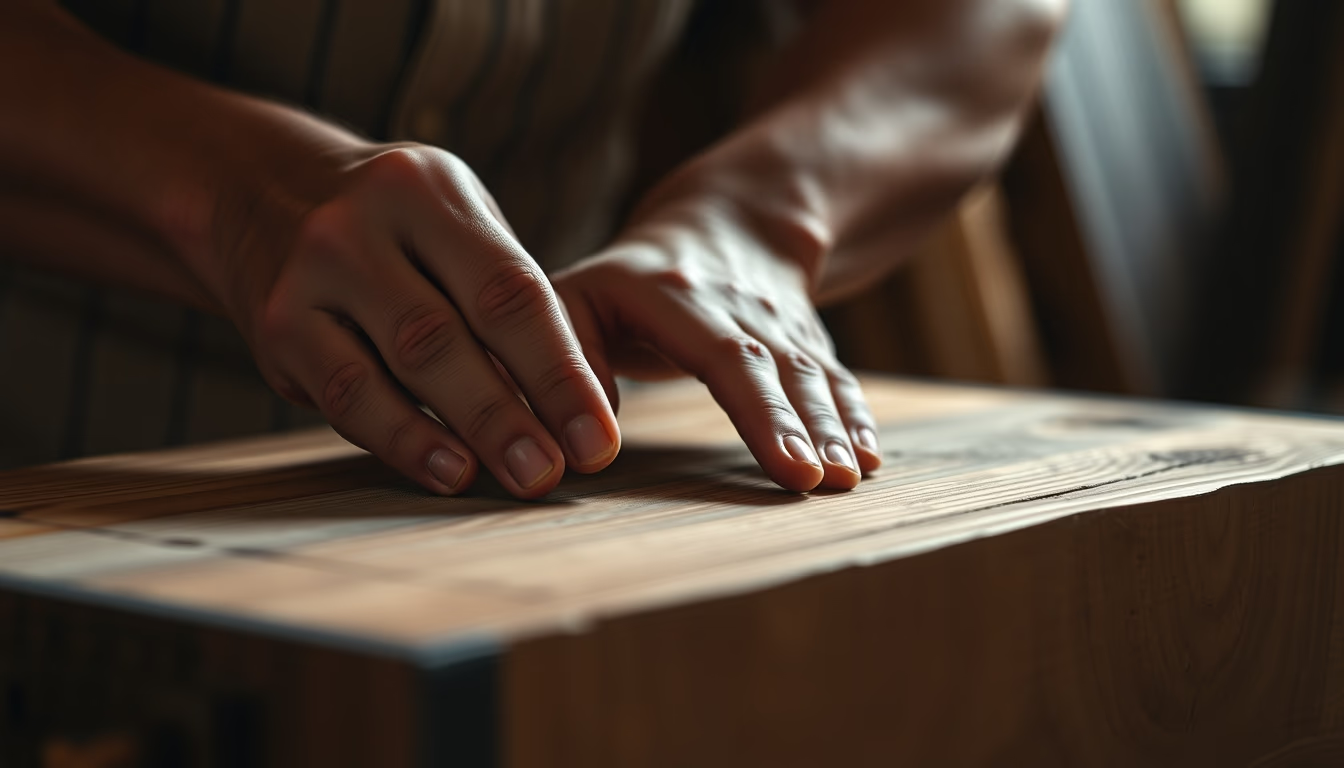
Functionality goes beyond aesthetics. Because the width varies along the length, the table requires careful planning of space and seating. Many models feature metal legs in carbon steel or wrought iron, contrasting with the organic lightness of the top. Maintenance involves periodic application of natural oil or wax to nourish the wood without creating artificial films.
In residential and commercial settings, the live edge table creates a focal point that invites interaction. Its presence evokes nature indoors, appreciated by architects and designers seeking sustainability and authenticity. The global market for this type of furniture grows annually, driven by the biophilic design trend that integrates natural elements into built spaces.
Frequently Asked Questions
What defines a live edge table?
A live edge table keeps the natural contour of the tree on at least one side of the top, without sawing to obtain straight edges. This highlights the grains, knots, and organic shape of the wood.
Which woods are best suited for this type of table?
Hardwoods like walnut, oak, teak, and mahogany are popular. In Brazil, ipê and cumaru are also used. The wood must be well dried and stabilized to prevent cracking.
How do you maintain a live edge table?
Apply natural oil or wax every six months to hydrate the wood. Avoid harsh chemicals and use coasters for hot dishes. Clean with a damp cloth and dry immediately.
Direct URL
https://pub-c7d6a6ea828543ac903a74a341ccb2e1.r2.dev/imagens/live-edge-dining-table-isometric-flat-lay-fresh16.avifHow to credit
Include a visible link back to UtilizAí. Copy one of the snippets below:
<a href="https://xn--utiliza-eza.com/en/midia/imagens/live-edge-dining-table-isometric-flat-lay-fresh16">Live edge dining table</a> by <a href="https://xn--utiliza-eza.com">UtilizAí</a>, licensed under <a href="https://creativecommons.org/licenses/by/4.0/">CC BY 4.0</a>.
[Live edge dining table](https://xn--utiliza-eza.com/en/midia/imagens/live-edge-dining-table-isometric-flat-lay-fresh16) by [UtilizAí](https://xn--utiliza-eza.com), CC BY 4.0
License: CC-BY-4.0