Live edge dining table
1344×768 · AVIF · CC BY 4.0
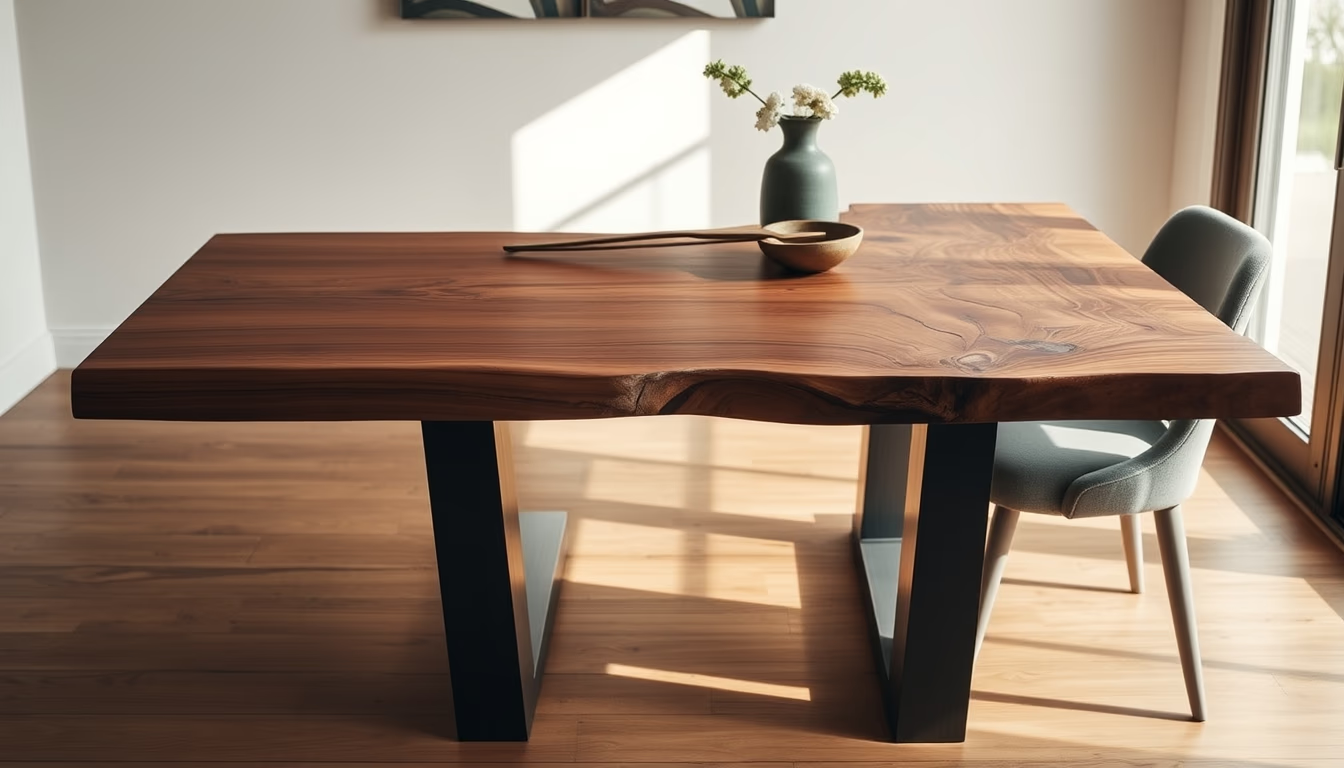
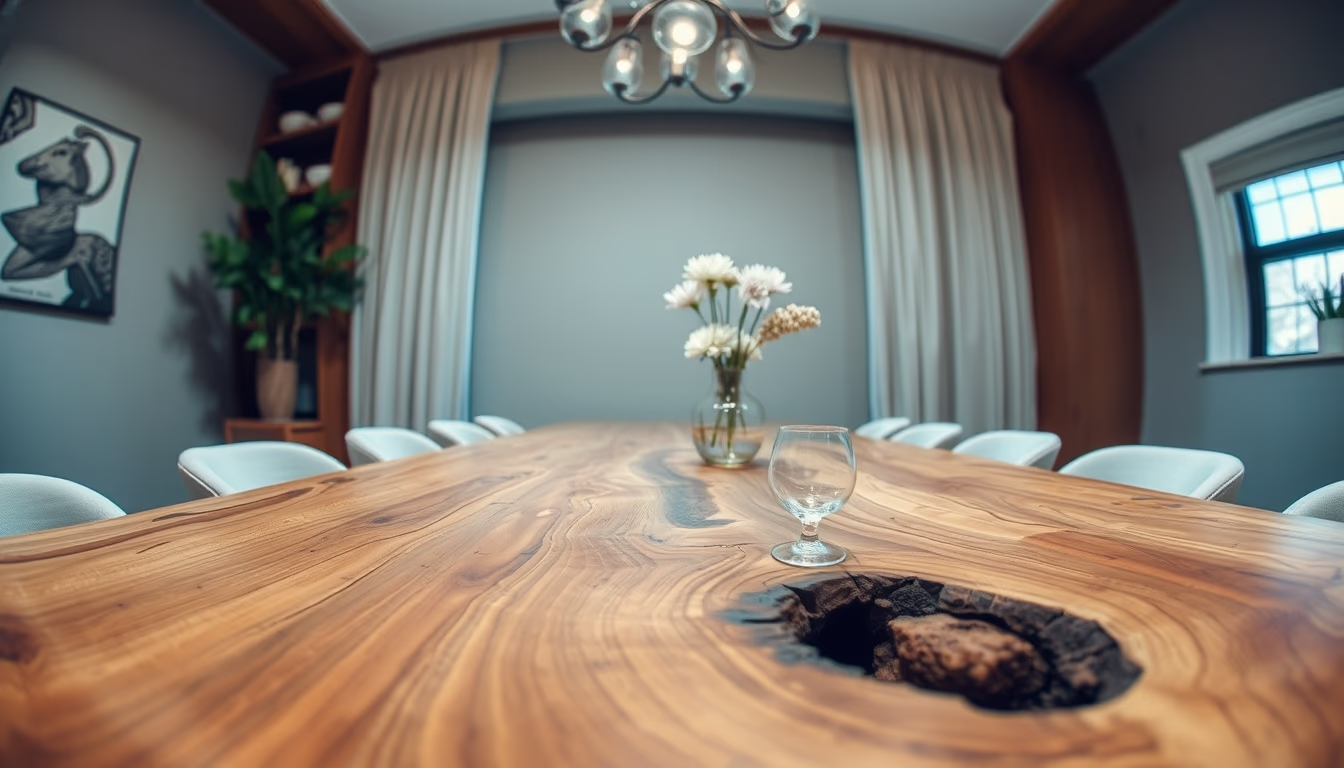
A live edge dining table preserves the natural contour of the wood, combining functionality and organic aesthetics in unique woodworking pieces.
About this subject
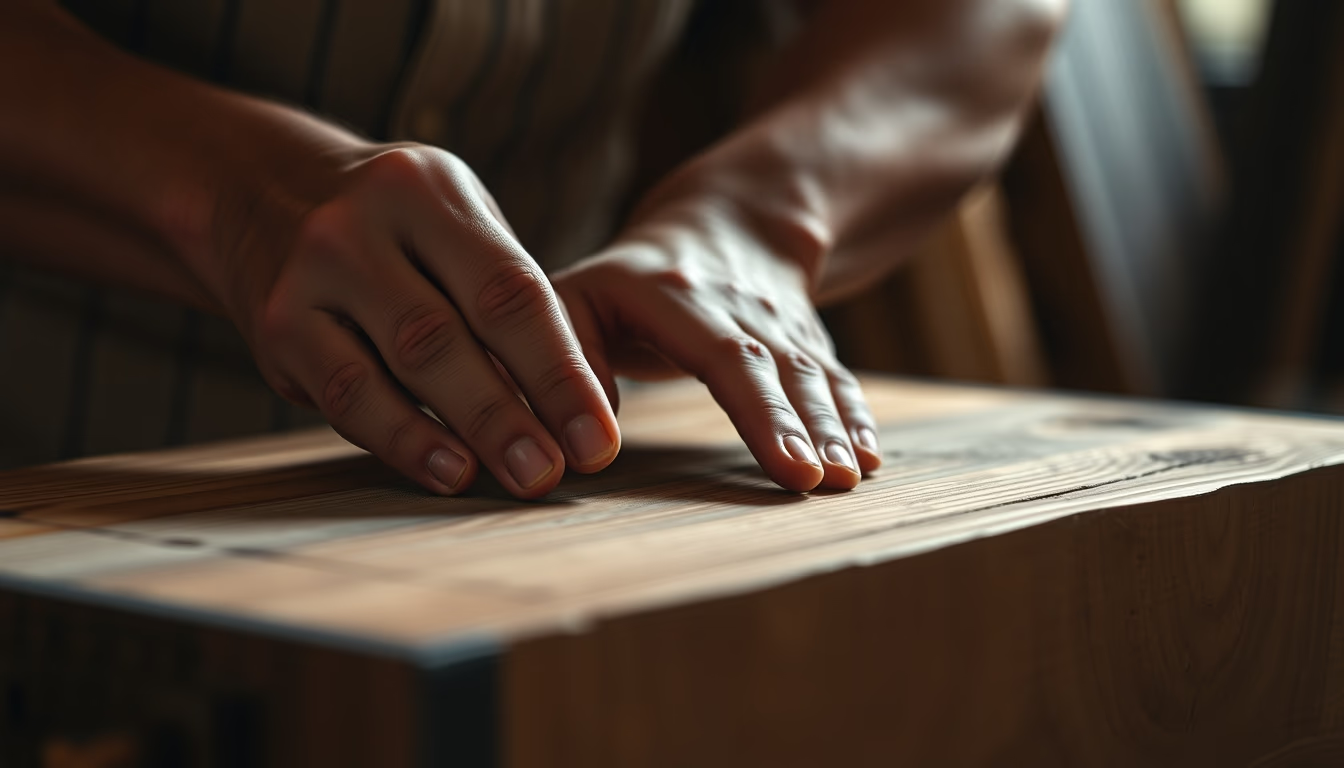
The live edge dining table is a piece of furniture that values the original shape of the log, keeping the bark or the natural edge of the wood. Originating from the Arts and Crafts movement of the 19th century and popularized by Scandinavian design, this technique gained strength in Brazil with the use of native species such as cumaru, ipê, and freijó. Each piece is unique, as the woodworker selects a whole slice of the trunk, called a slab, and sands it to highlight the grain without altering the silhouette. The style is appreciated in both rustic and contemporary environments, bringing nature indoors.
The choice of wood is crucial: beyond aesthetics, hardness and stability determine durability. Live edge tables can weigh over 100 kg and require robust bases, often in black metal or carbon steel, which contrast with the wood's organicity. The finish uses oils or varnishes that protect without creating an artificial barrier. In Brazil, demand has grown with the sustainability movement, as it uses fallen trees or those from certified management.
Historically, the technique was common in indigenous cultures, which used hollowed logs as tables. Today, designers like Hans Wegner and George Nakashima have consecrated it. Nakashima is considered the father of modern live edge, with his tables combining craftsmanship and minimalism. In the Brazilian context, contemporary woodworking blends indigenous and European influences, resulting in pieces that dialogue with the national landscape.
Curiosity: epoxy resin is often used to fill cracks or create colored rivers, a technique that became popular in the 2010s. Purists, however, prefer wood without intervention, so that natural beauty stands out. A live edge table can take 2 to 6 weeks to complete, depending on drying and base design.
Frequently Asked Questions
What is a live edge table?
It is a table that retains the natural edge of the tree, without straight cuts, preserving the organic shape of the trunk. Each piece is unique.
What woods are used for live edge tables?
Common woods include walnut, oak, maple, and exotic species like cumaru or ipê. Choice depends on hardness, color, and availability.
How to maintain a live edge table?
Avoid direct sunlight and moisture. Clean with a dry cloth and reapply oil or wax every 6 months to maintain luster.
Direct URL
https://pub-c7d6a6ea828543ac903a74a341ccb2e1.r2.dev/imagens/live-edge-dining-table-documentary-photography-fresh0.avifHow to credit
Include a visible link back to UtilizAí. Copy one of the snippets below:
<a href="https://xn--utiliza-eza.com/en/midia/imagens/live-edge-dining-table-documentary-photography-fresh0">Live edge dining table</a> by <a href="https://xn--utiliza-eza.com">UtilizAí</a>, licensed under <a href="https://creativecommons.org/licenses/by/4.0/">CC BY 4.0</a>.
[Live edge dining table](https://xn--utiliza-eza.com/en/midia/imagens/live-edge-dining-table-documentary-photography-fresh0) by [UtilizAí](https://xn--utiliza-eza.com), CC BY 4.0
License: CC-BY-4.0