Lightbox tracing
1344×768 · AVIF · CC BY 4.0
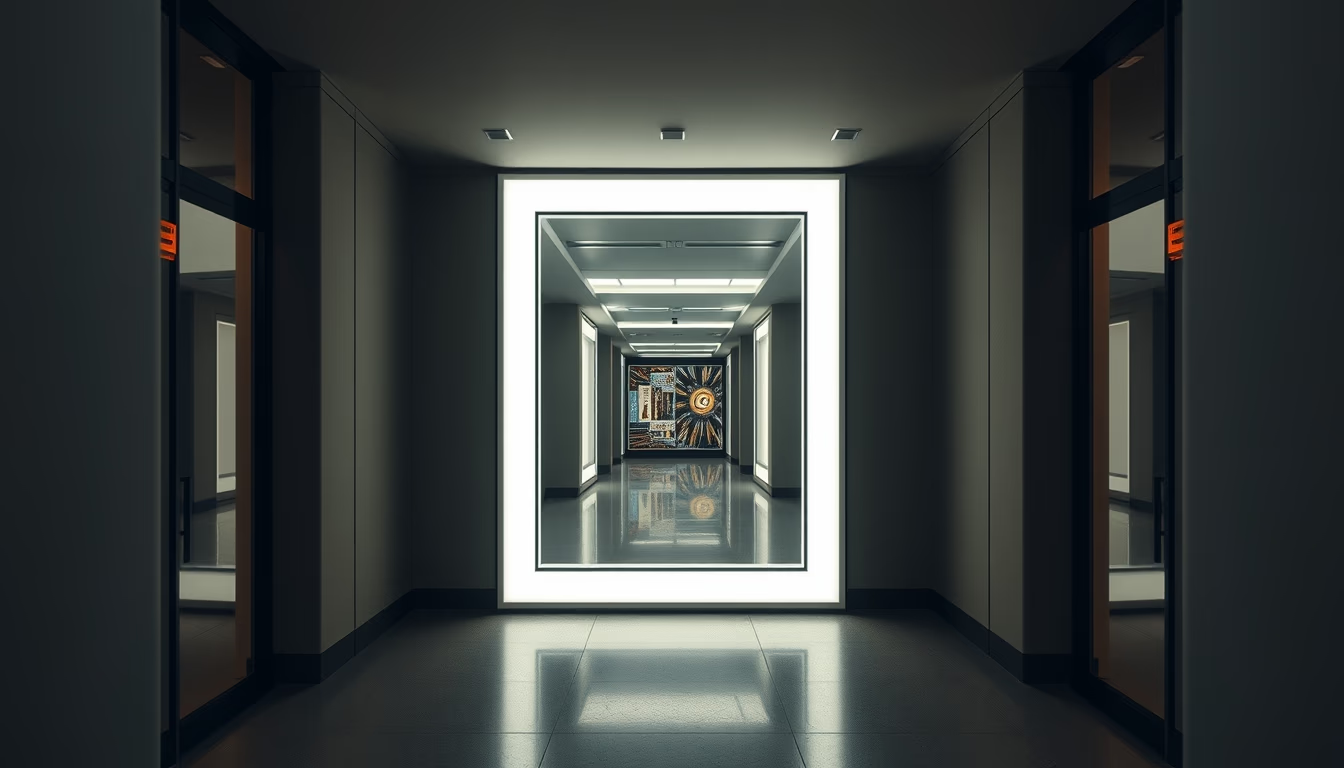
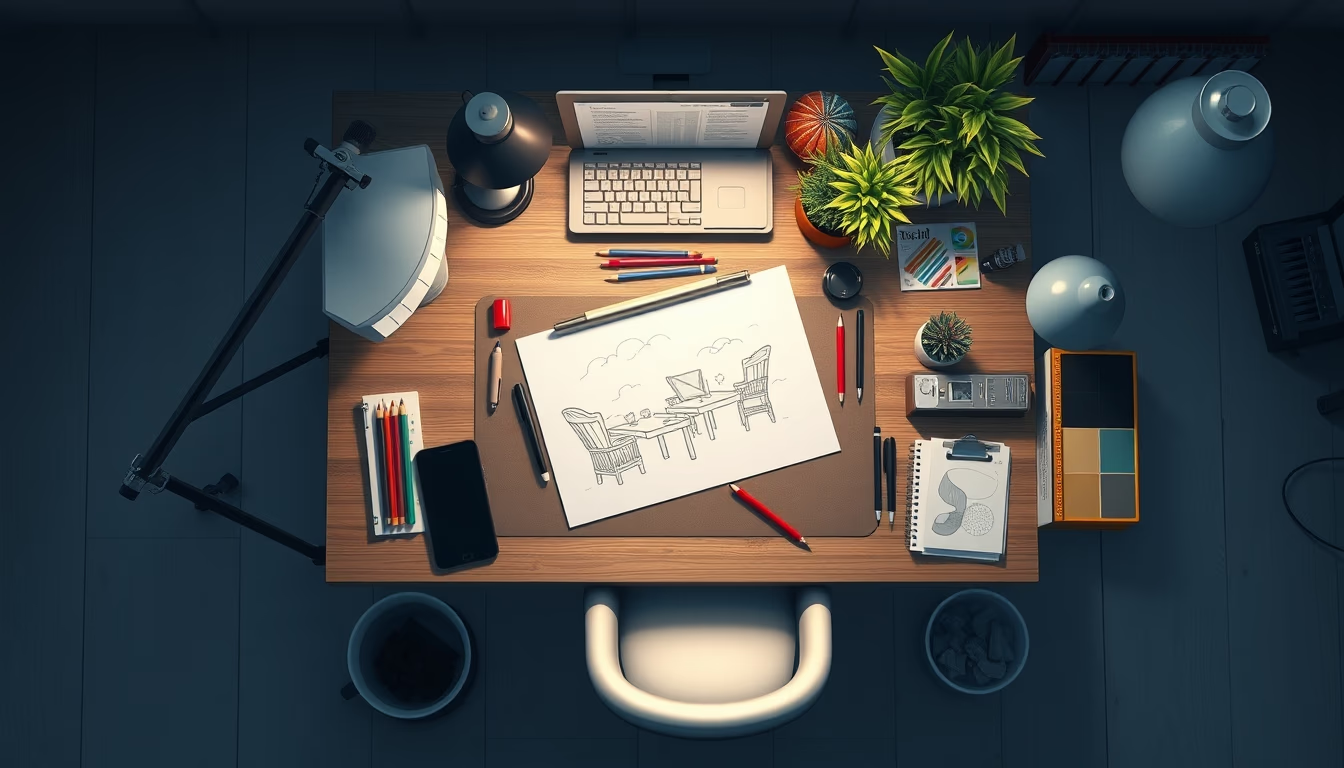
Lightbox tracing is a technique used by artists to transfer drawings accurately, common in architecture and comics.
About this subject
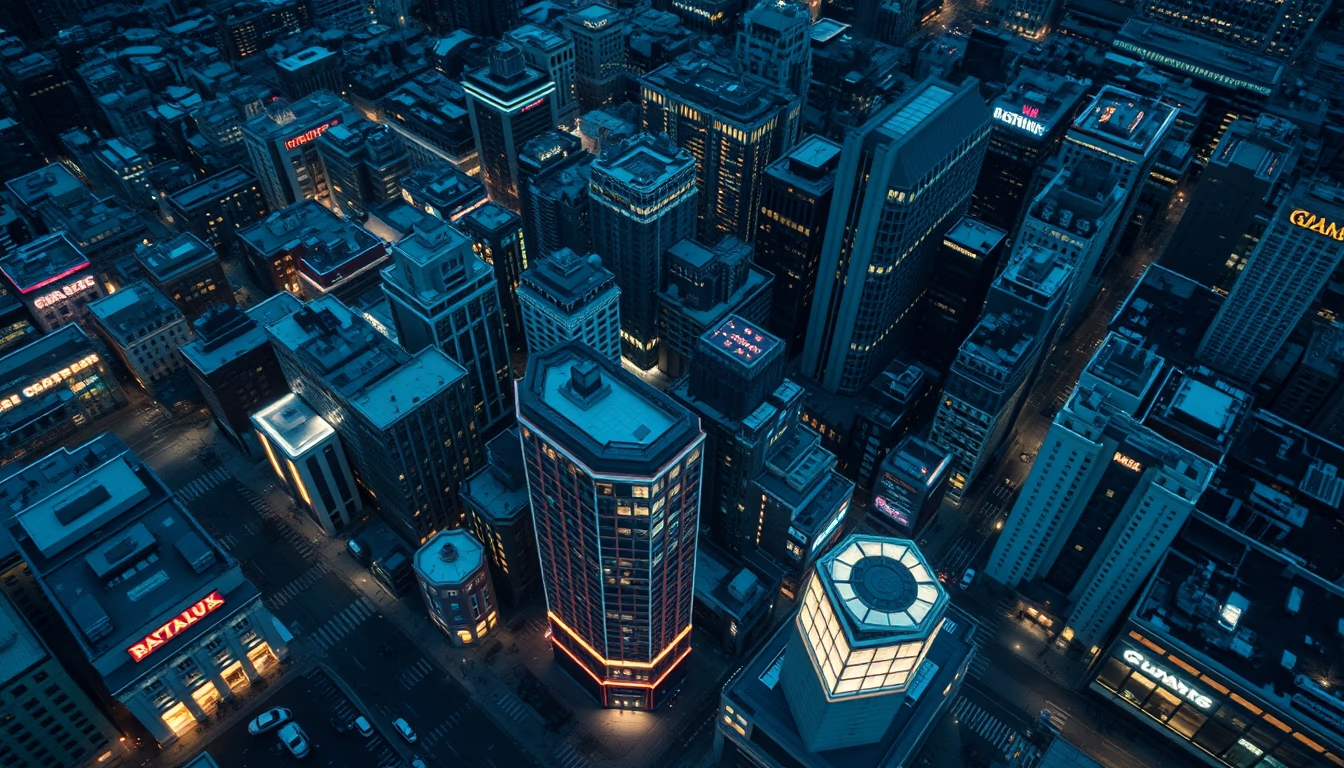
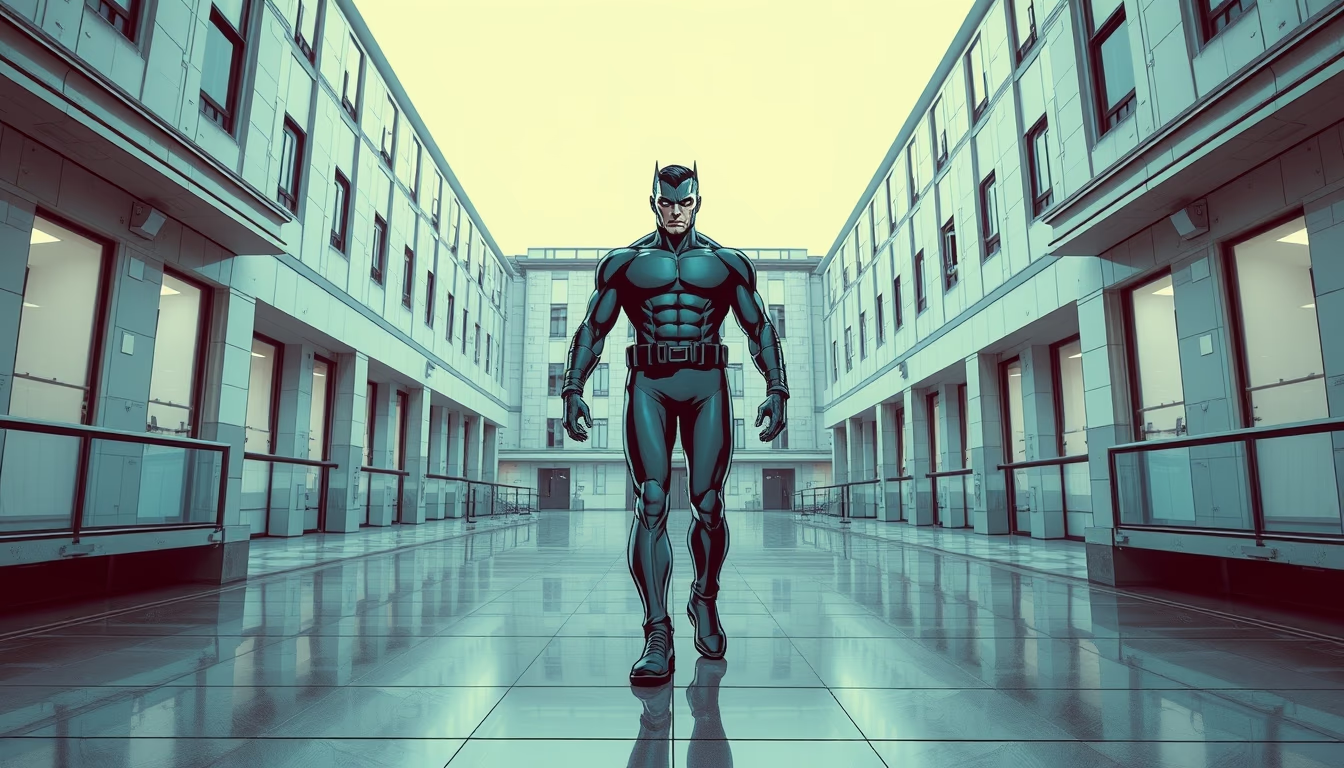
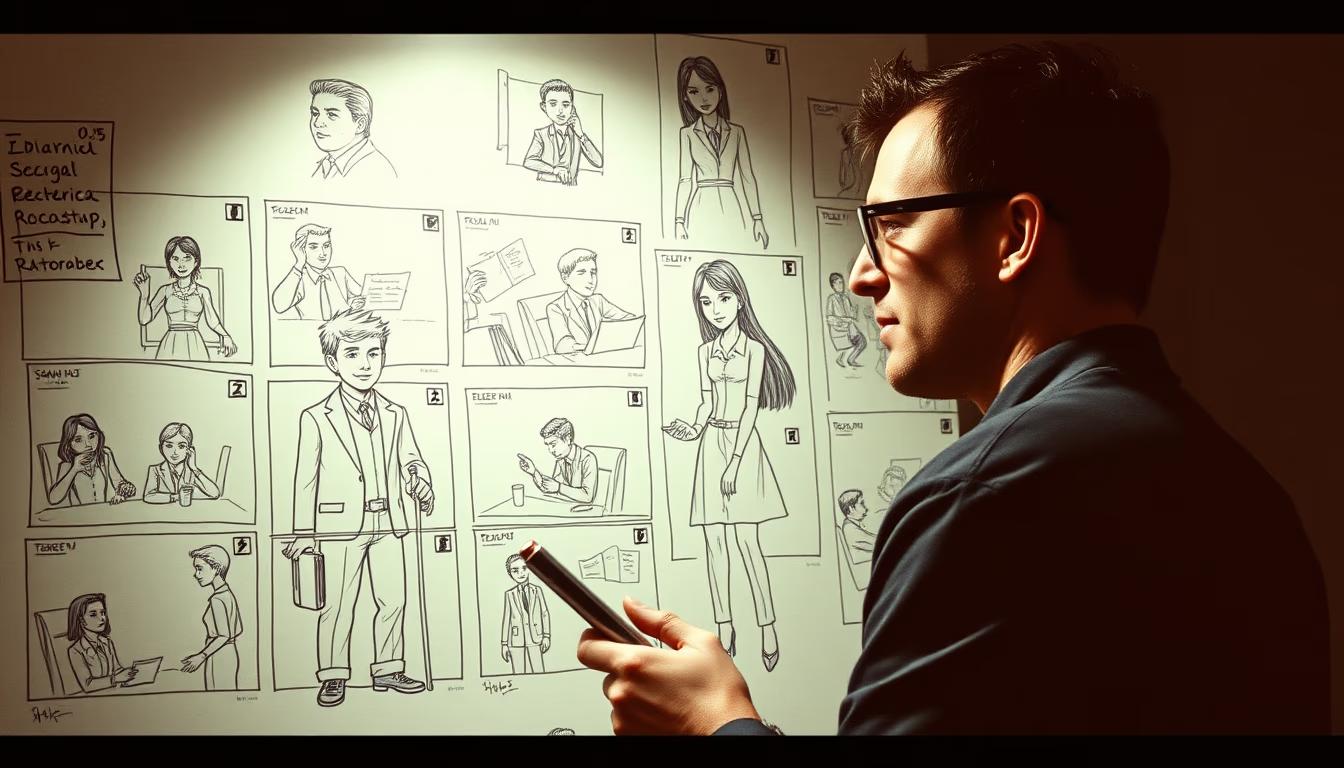
Lightbox tracing, also known as light table tracing, is an artistic technique that uses a backlit surface to copy or refine drawings. Widely adopted by illustrators, architects, and comic artists, it allows the creator to place a blank sheet over the original illuminated image, tracing lines with precision. This eliminates the need for advanced freehand drawing skills to reproduce complex shapes, making it especially useful in architectural projects requiring exact proportions, such as floor plans and elevations. In the comic industry, artists like Marvel and DC veterans use lightbox tracing for inking over pencils, ensuring clean and consistent strokes.
The origin of the lightbox dates back to the 19th century, when artists used windows or slanted glass to capture natural light. Over time, electric light tables with fluorescent or LED bulbs emerged, offering uniform, adjustable illumination. Today, portable devices and drawing tablets with tracing apps enable digital tracing, but the analog version is still valued for its simplicity and tactile control. In architecture, lightbox tracing is often used with photographic references to create realistic perspectives or shadow studies, such as in photo overlay technique.
Interestingly, lightbox tracing is not only a copying tool but also a learning method. Many beginner artists practice by tracing masterworks to understand proportion and line flow. In comic art, it helps maintain visual consistency across panels, especially in long series. A notable example is Brazilian comic artist Mauricio de Sousa using light tables in the early years of 'Turma da Mônica', though the studio now uses digital tools. Despite ethical debates in some circles, lightbox tracing is widely accepted as an educational and production aid, as long as the final work is original and transformative.
Frequently Asked Questions
What is lightbox tracing and what is it used for?
Lightbox tracing is a technique that uses a light table to copy drawings. It is used to transfer images accurately, aiding architects, comic artists, and illustrators in streamlining their creative process.
What are the differences between analog and digital lightbox tracing?
Analog involves a physical light table with bulbs, offering tactile feel and simplicity. Digital uses tablets or software, allowing adjustments, layers, and quick undo of mistakes.
Is lightbox tracing considered plagiarism?
No, as long as the final result is an original or transformative work. It is a common tool in education and professional production, similar to using photographic references.
Direct URL
https://pub-c7d6a6ea828543ac903a74a341ccb2e1.r2.dev/imagens/lightbox-tracing-architectural-photography-fresh15.avifHow to credit
Include a visible link back to UtilizAí. Copy one of the snippets below:
<a href="https://xn--utiliza-eza.com/en/midia/imagens/lightbox-tracing-architectural-photography-fresh15">Lightbox tracing</a> by <a href="https://xn--utiliza-eza.com">UtilizAí</a>, licensed under <a href="https://creativecommons.org/licenses/by/4.0/">CC BY 4.0</a>.
[Lightbox tracing](https://xn--utiliza-eza.com/en/midia/imagens/lightbox-tracing-architectural-photography-fresh15) by [UtilizAí](https://xn--utiliza-eza.com), CC BY 4.0
License: CC-BY-4.0