Level wooden brass
1344×768 · AVIF · CC BY 4.0

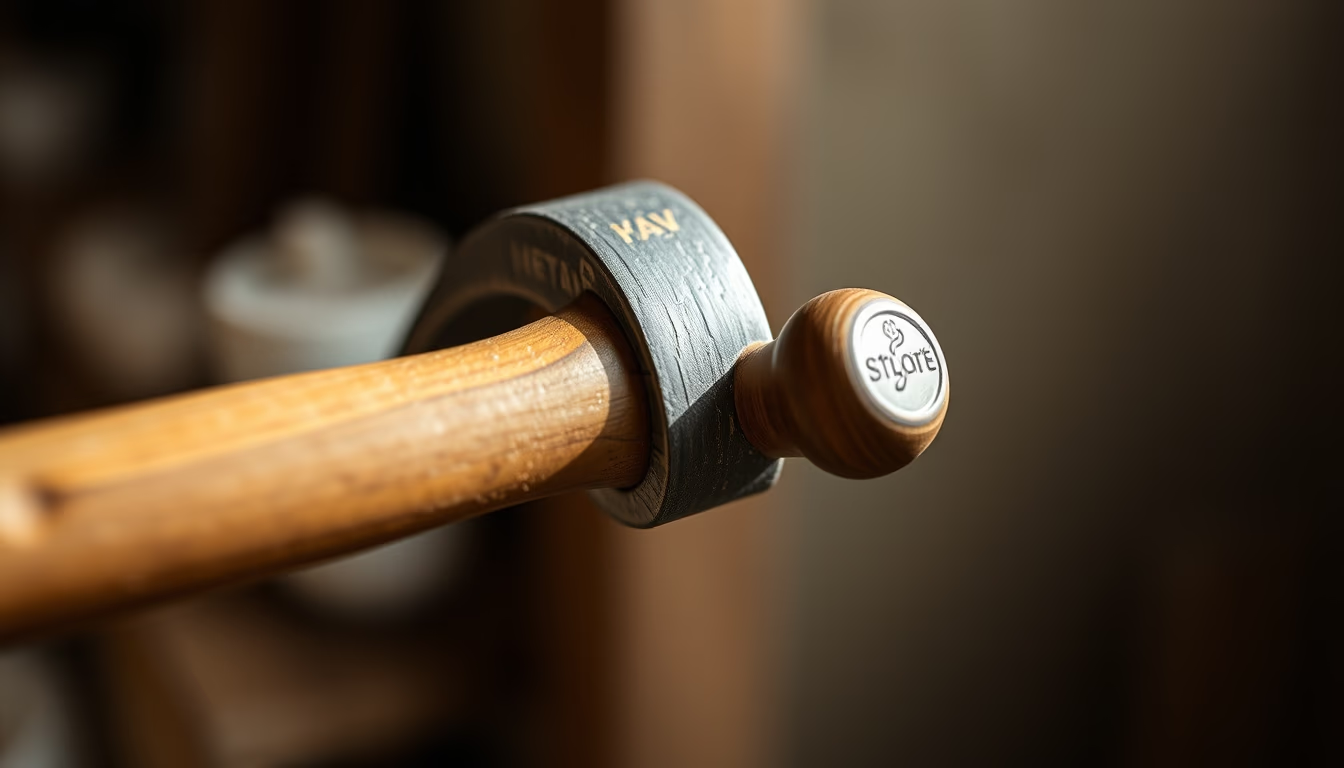
Antique wooden and brass levels are precision tools that defined construction before the digital era, combining functionality and craftsmanship.
About this subject
Wooden levels with brass fittings were widely used from the 18th to the mid-20th century, especially in woodworking, carpentry, and masonry. The wood, typically Brazilian rosewood, mahogany, or oak, was chosen for its dimensional stability and resistance to warping. Brass, applied to the vials and end pieces, offered durability and precision in calibration. These instruments were often handmade by skilled craftsmen who manually adjusted the air bubbles to ensure accuracy.
A typical construction included a rectangular wooden body with one or more brass windows housing glass tubes filled with liquid (alcohol or ether) and an air bubble. The wooden and brass level was particularly valued in humid regions, where treated wood performed better than metal. Historic brands such as Stanley, Davis, and Empire produced iconic models that are now collector's items.
With the arrival of aluminum and digital levels, wooden levels were gradually phased out, but their precision and aesthetic beauty keep them relevant for restorers, artisans, and collectors. Each piece reflects the manual care of an era when the tool was an extension of the worker's hand. Preserving these levels requires special care, such as storage in humidity-controlled environments to prevent wood deformation.
Frequently Asked Questions
How were antique wooden and brass levels calibrated?
Calibration was done manually by the craftsman, adjusting the position of the brass vials or slightly bending the wood body until the air bubble centered on a level reference surface. The process required patience and experience.
What are the advantages of using a wooden level over modern ones?
Wooden levels are more resistant to light impacts and do not conduct electricity, making them safe near wires. Additionally, their aesthetic beauty and historical value make them desirable for collectors and restorers.
How to identify a valuable antique wooden and brass level?
Check for well-known manufacturer marks (e.g., Stanley, Davis), quality of wood (solid rosewood or mahogany) and brass, as well as serial numbers or original labels. The condition of the vials and originality of parts influence value.
Direct URL
https://pub-c7d6a6ea828543ac903a74a341ccb2e1.r2.dev/imagens/level-wooden-brass-minimalist-composition-fresh1.avifHow to credit
Include a visible link back to UtilizAí. Copy one of the snippets below:
<a href="https://xn--utiliza-eza.com/en/midia/imagens/level-wooden-brass-minimalist-composition-fresh1">Level wooden brass</a> by <a href="https://xn--utiliza-eza.com">UtilizAí</a>, licensed under <a href="https://creativecommons.org/licenses/by/4.0/">CC BY 4.0</a>.
[Level wooden brass](https://xn--utiliza-eza.com/en/midia/imagens/level-wooden-brass-minimalist-composition-fresh1) by [UtilizAí](https://xn--utiliza-eza.com), CC BY 4.0
License: CC-BY-4.0