Level wooden brass
1344×768 · AVIF · CC BY 4.0

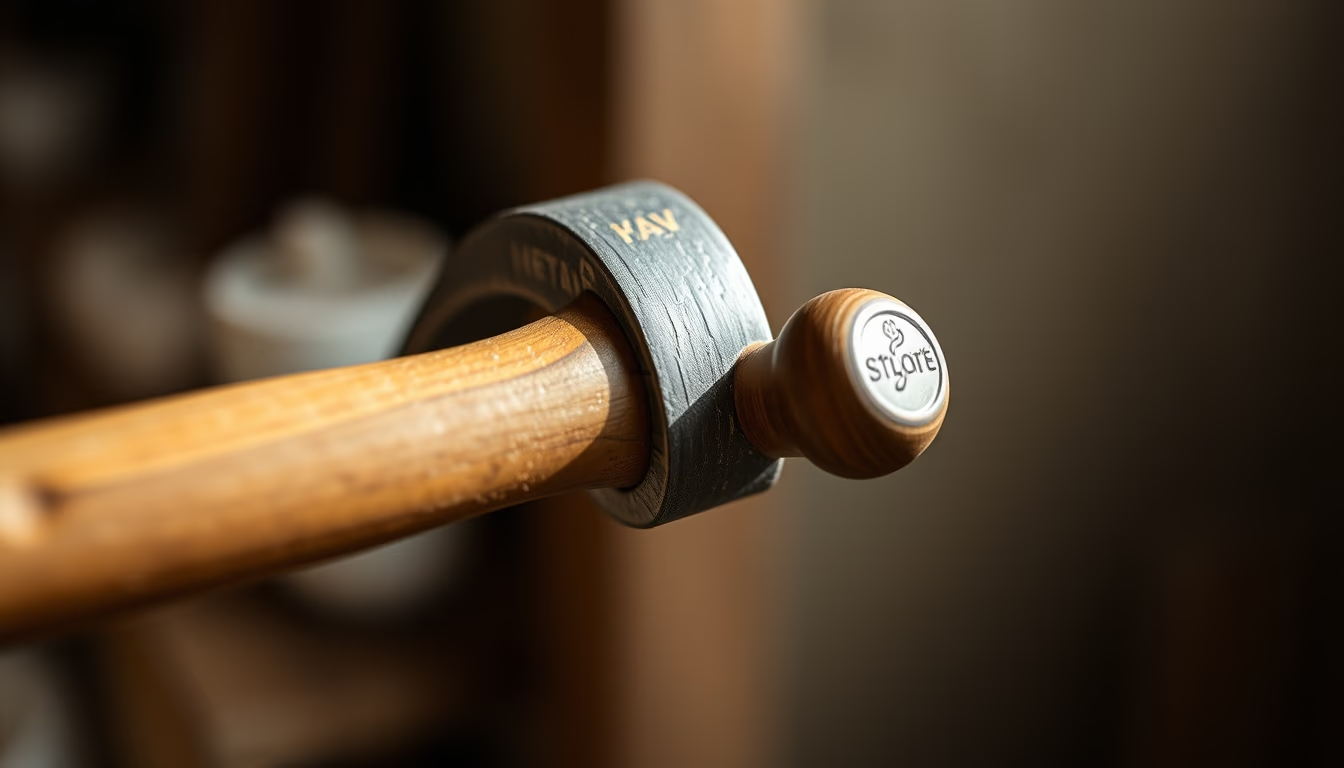
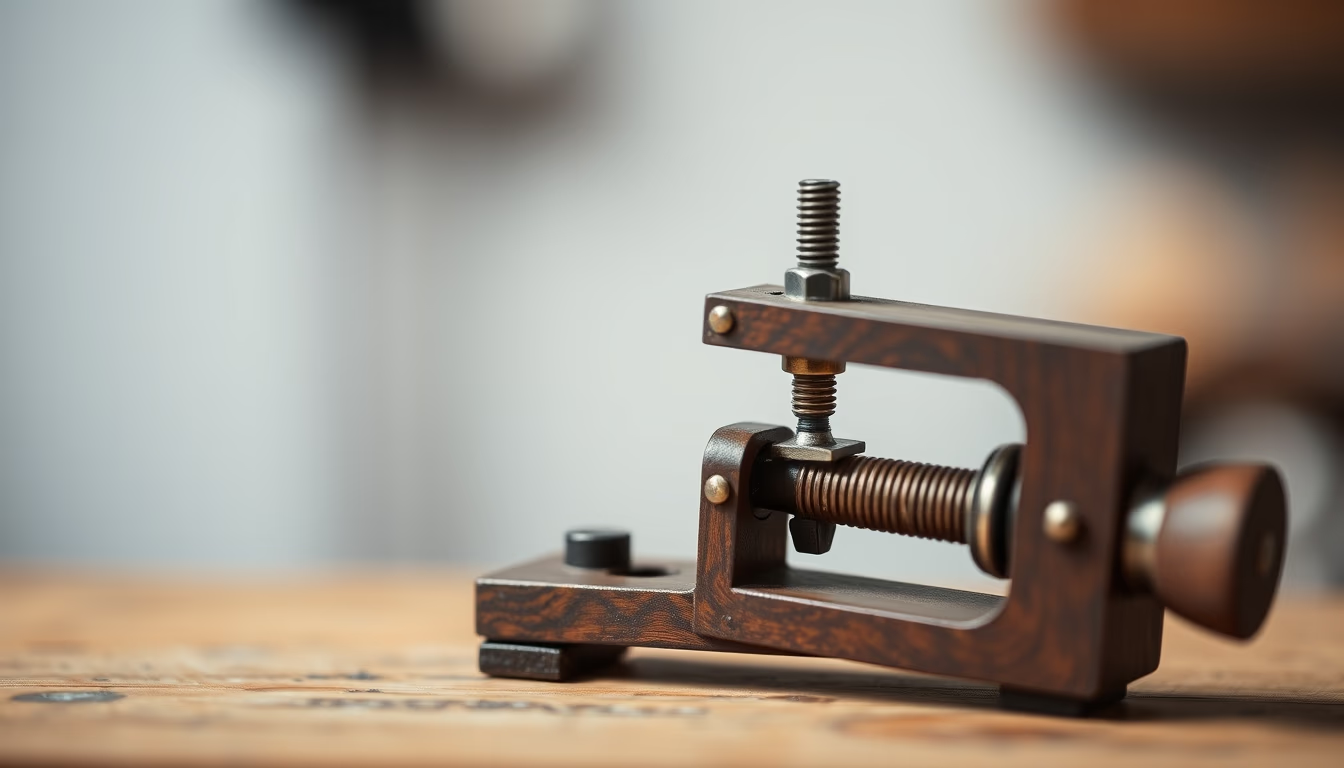
Antique wooden and brass level from the 19th century, a precision tool essential for construction and woodworking in the Victorian era.
About this subject
The wooden and brass level is a classic tool for measuring horizontal planes. Its origins date back to the 18th century, but it reached its peak in the 19th century with the development of fine woodworking and civil construction. The combination of noble woods, such as mahogany or oak, with cast brass parts ensured durability and precision. Unlike modern levels, these instruments were often hand-calibrated and featured blown glass vials. Collectors value brands like Stanley Rule & Level Co. and English models from the Victorian era. Today, they are decorative items and museum pieces that tell the story of metrology.
The artisanal manufacturing of these levels involved meticulous steps. Wood was selected for dimensional stability to prevent warping. Brass was used in end blocks and engraved scales, resisting corrosion. The level vials were made of blown glass, filled with ether or alcohol to avoid freezing. Many models had brass screw adjustments, allowing recalibration over time. This care reflected the tool's importance for quality construction, such as public buildings and luxury furniture.
With industrialization, levels were mass-produced, but antique wooden and brass models are now highly collectible. They represent the transition from manual work to mechanized production. Antique fairs and specialized auctions often feature rare pieces, such as 1-meter levels with polished brass details. Beyond historical value, many restorers use them as decorative objects in offices and libraries, evoking an era of artisanal precision.
Frequently Asked Questions
How does a wooden and brass level work?
The level uses an air bubble inside a glass tube filled with liquid. When the bubble centers between two marks, the surface is horizontally level.
What is the historical significance of antique levels?
Before laser levels, these tools were essential for precise construction of buildings and furniture. They mark the development of metrology and industrial standardization.
How to identify an authentic antique level?
Check for solid wood (mahogany, oak), seamless brass fittings, blown glass vials, and markings from makers like Stanley or English manufacturers. Avoid modern replicas with visible screws.
Direct URL
https://pub-c7d6a6ea828543ac903a74a341ccb2e1.r2.dev/imagens/level-wooden-brass-long-exposure-fresh11.avifHow to credit
Include a visible link back to UtilizAí. Copy one of the snippets below:
<a href="https://xn--utiliza-eza.com/en/midia/imagens/level-wooden-brass-long-exposure-fresh11">Level wooden brass</a> by <a href="https://xn--utiliza-eza.com">UtilizAí</a>, licensed under <a href="https://creativecommons.org/licenses/by/4.0/">CC BY 4.0</a>.
[Level wooden brass](https://xn--utiliza-eza.com/en/midia/imagens/level-wooden-brass-long-exposure-fresh11) by [UtilizAí](https://xn--utiliza-eza.com), CC BY 4.0
License: CC-BY-4.0