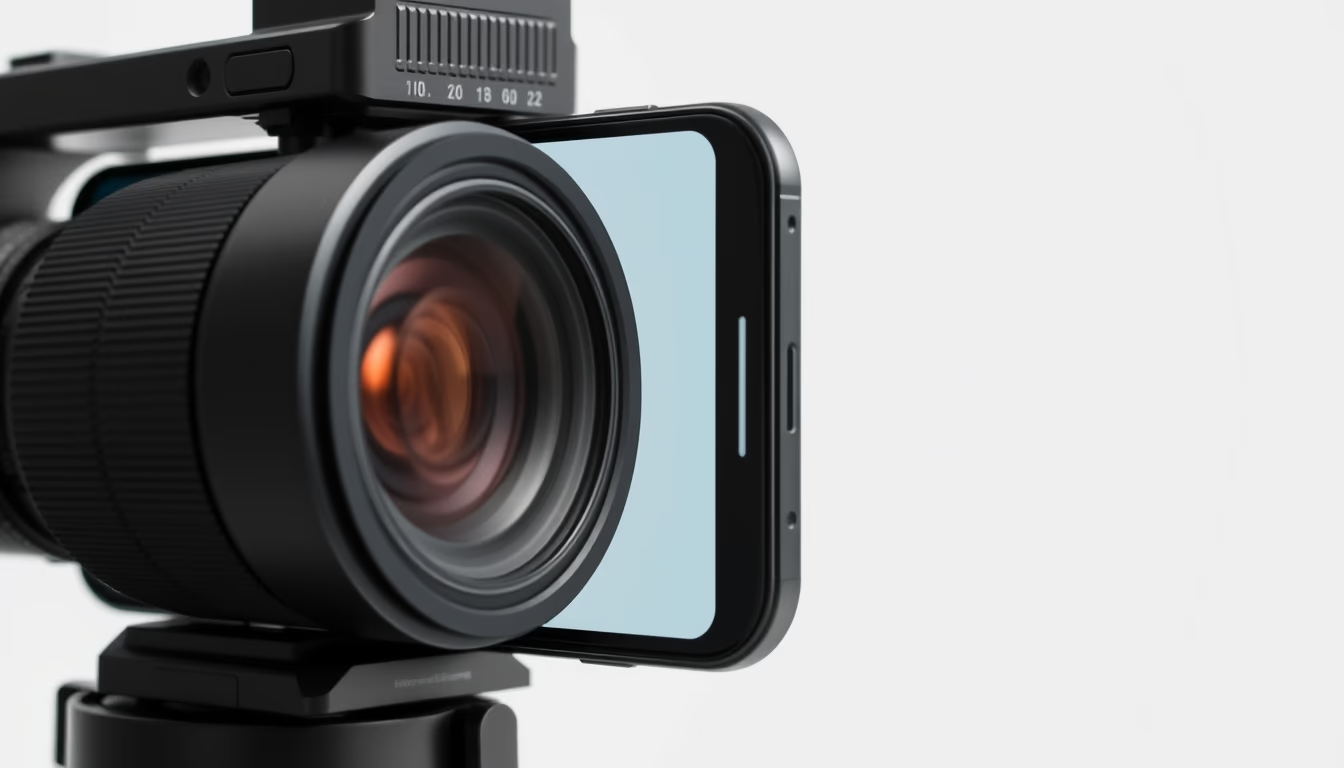
Lens attachment phone
1344×768 · AVIF · CC BY 4.0
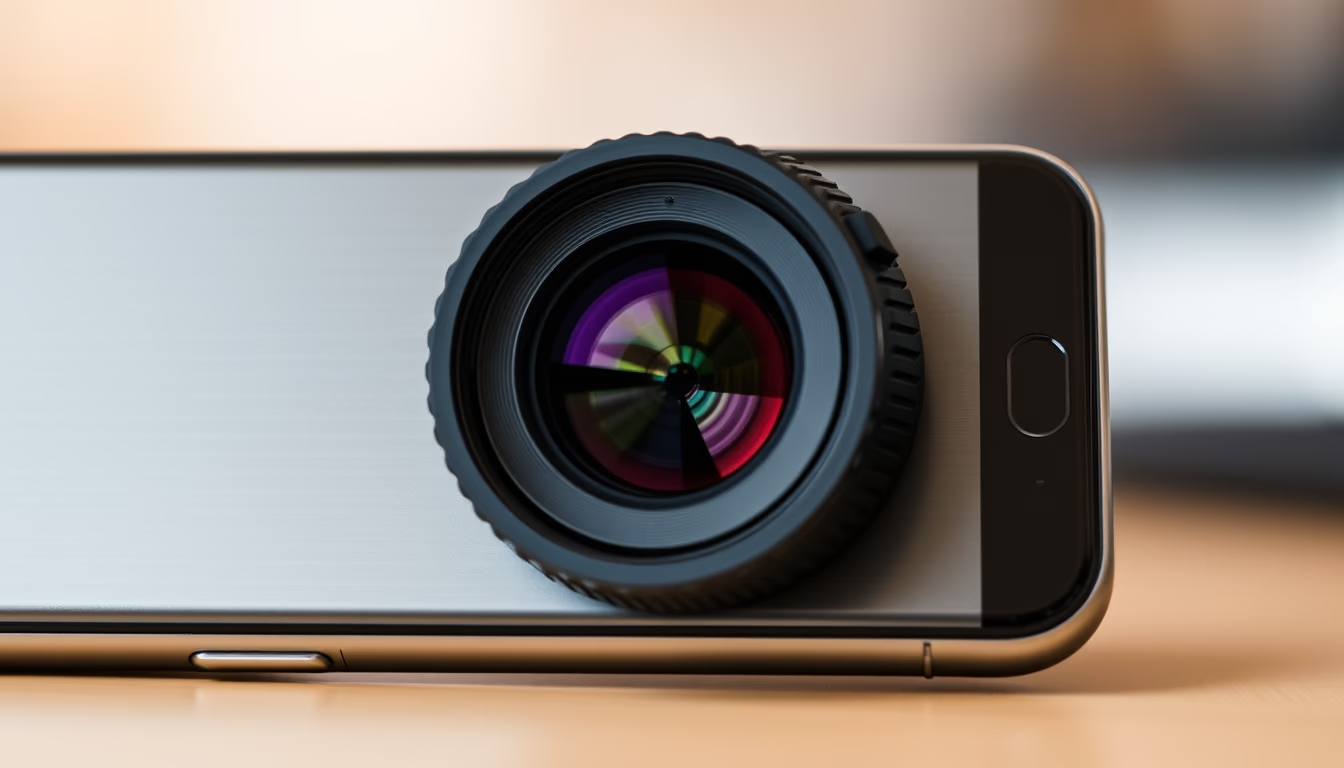
Tilt-shift lens attachment for phones creates a miniature effect in photos, popular among amateur and professional photographers.
About this subject
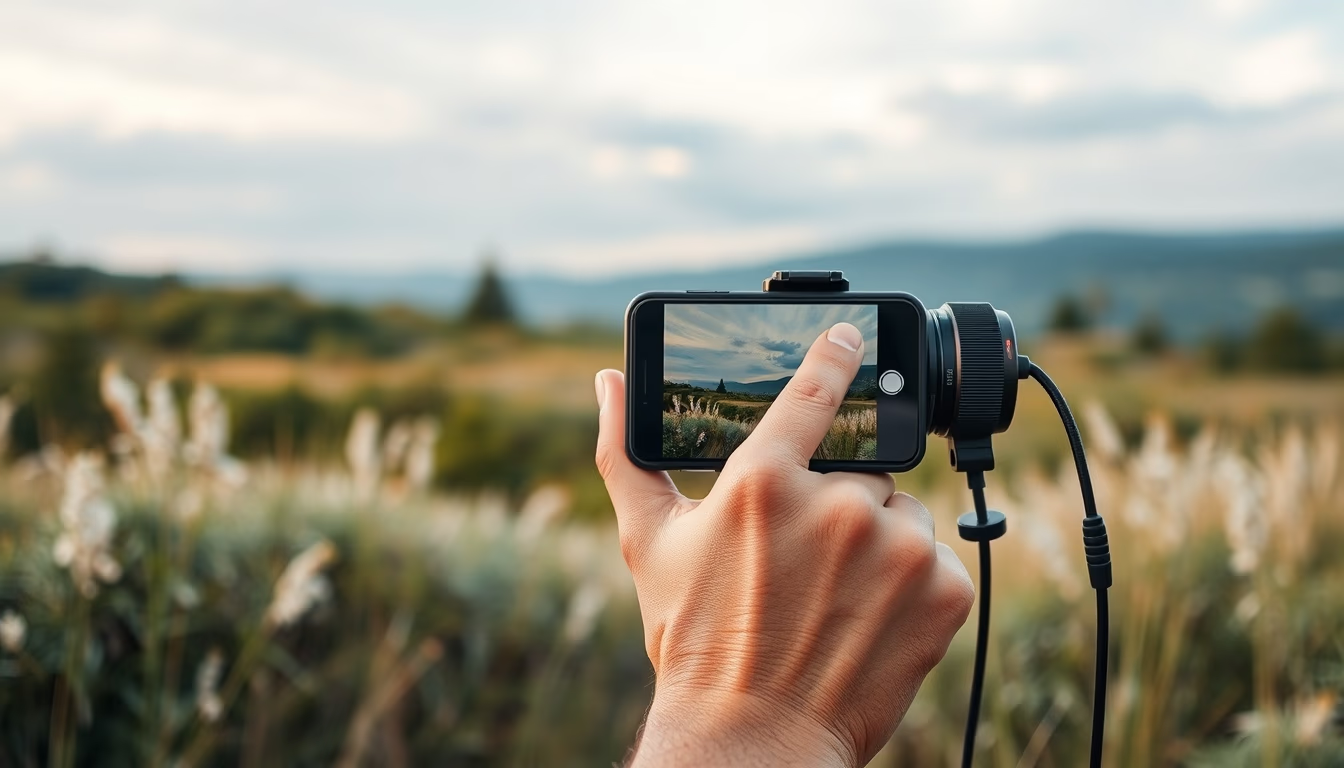
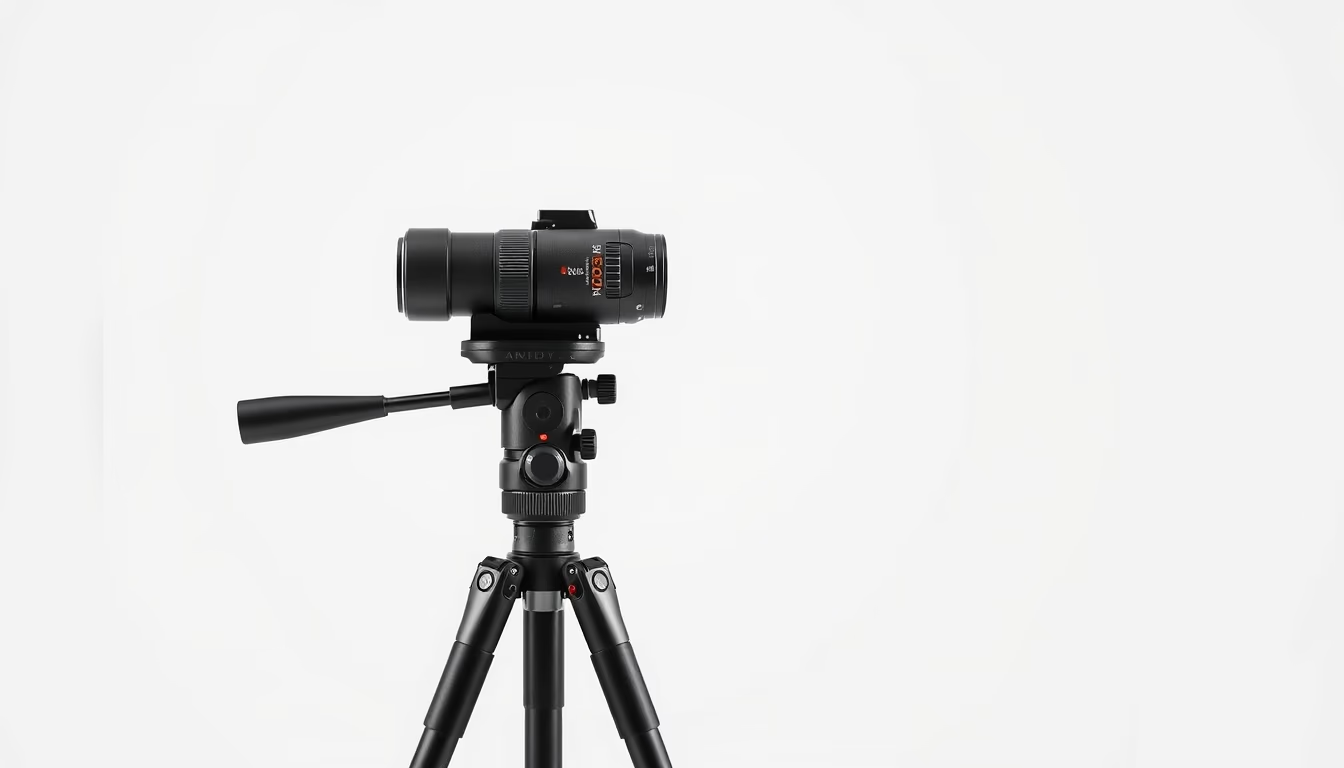
The tilt-shift lens attachment for phones is an optical device that clips onto the smartphone camera, simulating the shallow depth of field characteristic of professional tilt-shift lenses. This effect, known as miniature or diorama, makes real scenes look like scaled-down models and is widely used in aerial photography, cityscapes, and architecture.
The technique works by shifting the focal plane relative to the sensor, creating a controlled blur gradient. In traditional lenses, the mechanism is purely mechanical; in phone attachments, it is achieved through additional lenses that distort light similarly. Many editing apps also offer the effect digitally, but the optical result tends to be more natural with smoother transitions.
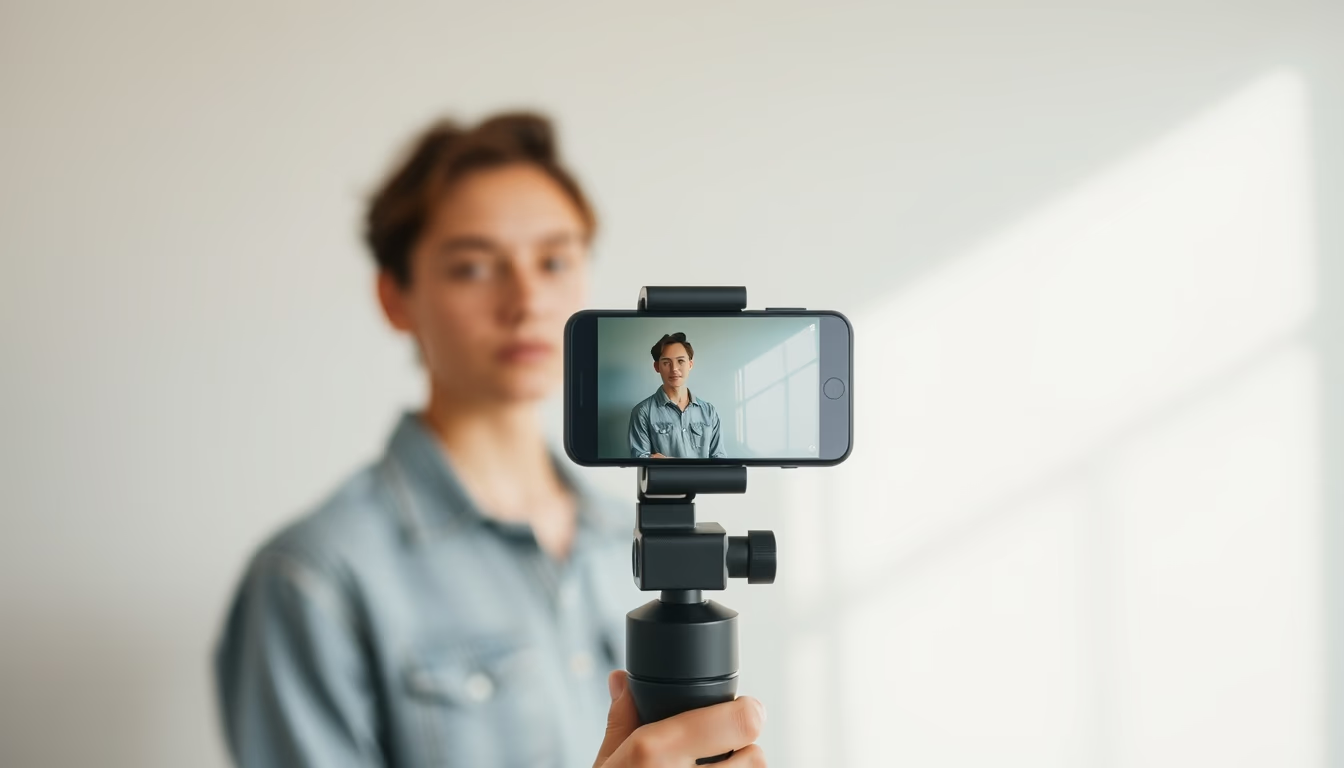
The use of such attachments grew with the rise of mobile photography. In Brazil, enthusiasts of urban and travel photography often use external lenses to expand smartphone capabilities without investing in expensive gear. Besides tilt-shift, there are wide-angle, macro, and telephoto lenses, forming a versatile ecosystem for content creators.
Fun fact: the tilt-shift effect was originally developed to correct perspective distortions in architectural photography with large-format cameras. Its adaptation for the miniature effect was a creative discovery by photographers, who noticed that selective blur mimicked the human view when observing tiny objects up close.
Frequently Asked Questions
How does the tilt-shift effect work on phone attachments?
The attachment uses lenses that shift the focal plane, creating selective blur at the edges of the image. This makes the scene look like a miniature, mimicking the shallow depth of field of professional lenses.
What is the difference between optical and digital tilt-shift?
Optical uses physical lenses to distort light, resulting in smoother, more natural blur transitions. Digital is done by software, which can cause artifacts or artificial edges but is more accessible.
What kind of photos look best with the miniature effect?
Aerial or high-angle shots, scenes with lots of small details (like houses, cars, and people), and cityscapes. The effect works best when the scene is captured from above with good lighting.
Direct URL
https://pub-c7d6a6ea828543ac903a74a341ccb2e1.r2.dev/imagens/lens-attachment-phone-tilt-shift-miniature-fresh7.avifHow to credit
Include a visible link back to UtilizAí. Copy one of the snippets below:
<a href="https://xn--utiliza-eza.com/en/midia/imagens/lens-attachment-phone-tilt-shift-miniature-fresh7">Lens attachment phone</a> by <a href="https://xn--utiliza-eza.com">UtilizAí</a>, licensed under <a href="https://creativecommons.org/licenses/by/4.0/">CC BY 4.0</a>.
[Lens attachment phone](https://xn--utiliza-eza.com/en/midia/imagens/lens-attachment-phone-tilt-shift-miniature-fresh7) by [UtilizAí](https://xn--utiliza-eza.com), CC BY 4.0
License: CC-BY-4.0