Lens attachment phone
1344×768 · AVIF · CC BY 4.0
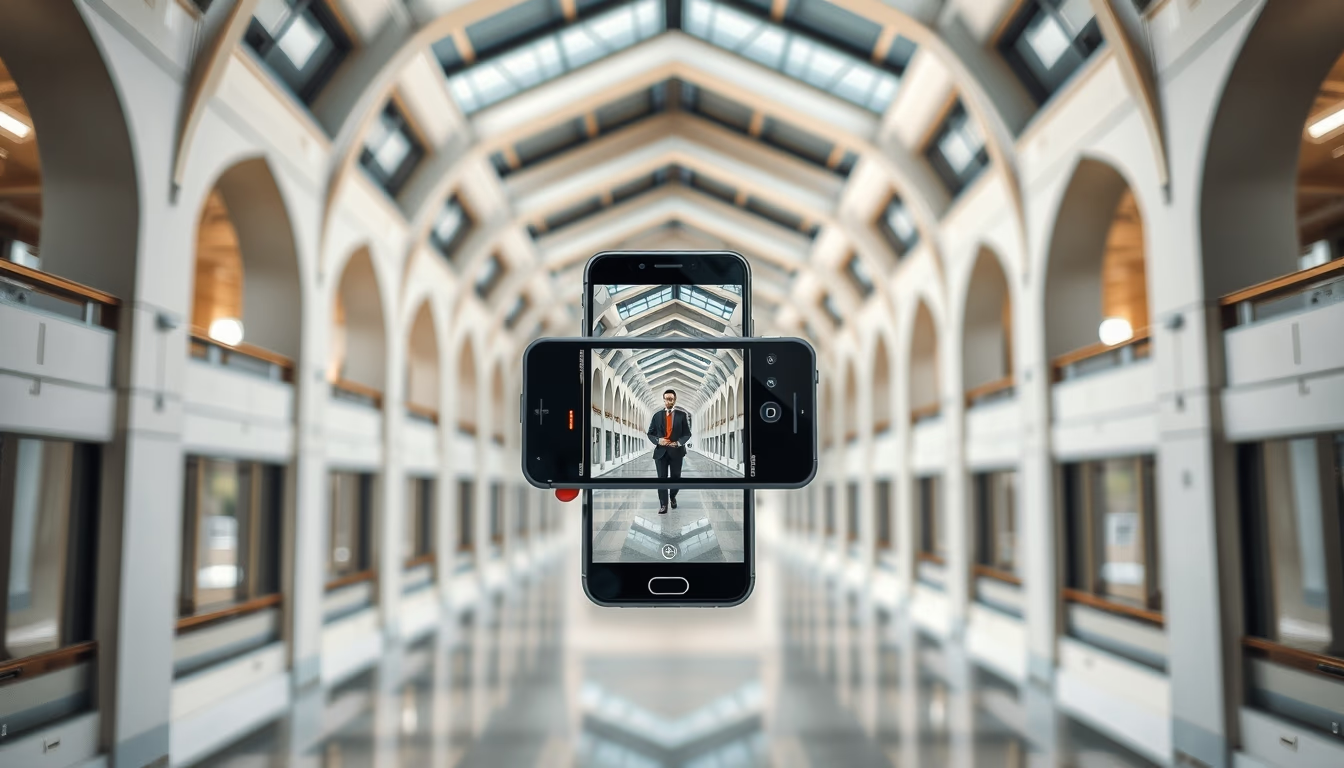
Smartphone lens attachments transform architectural photography by correcting distortion and expanding the field of view.
About this subject
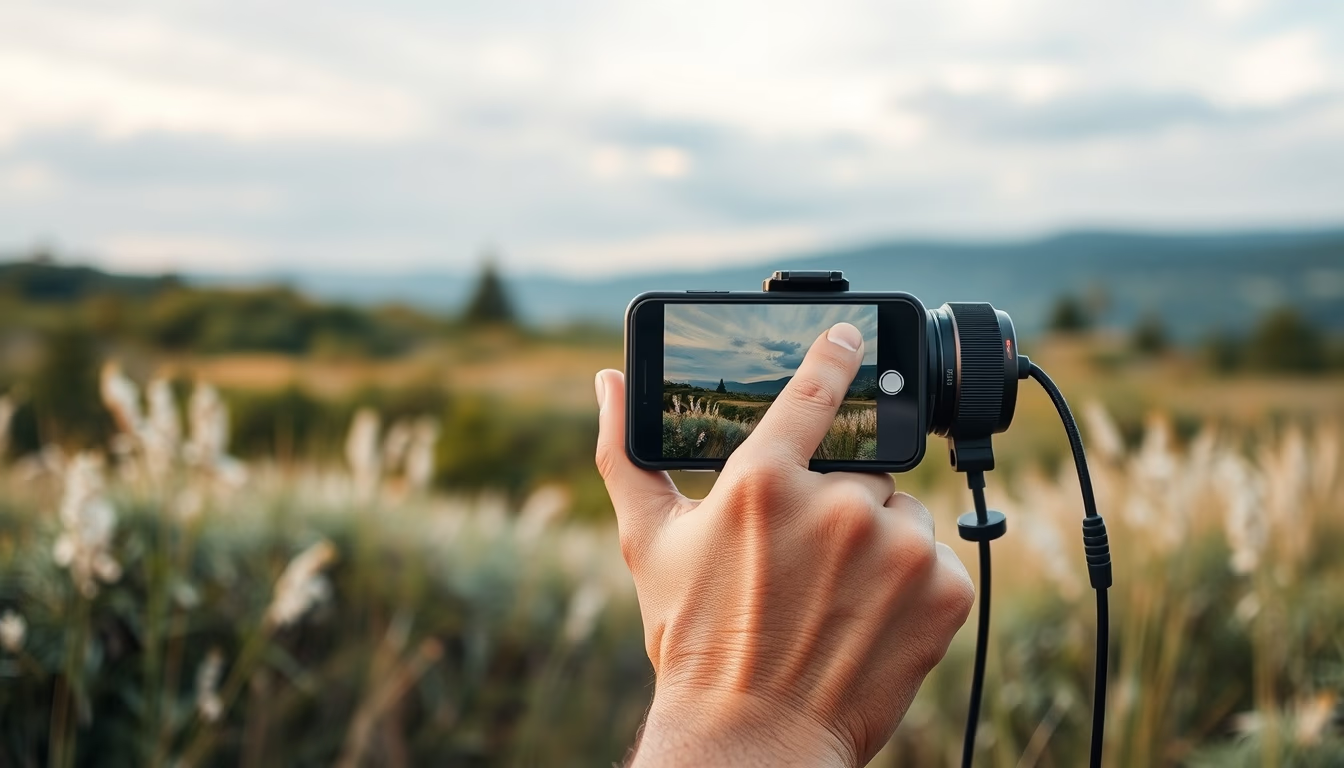
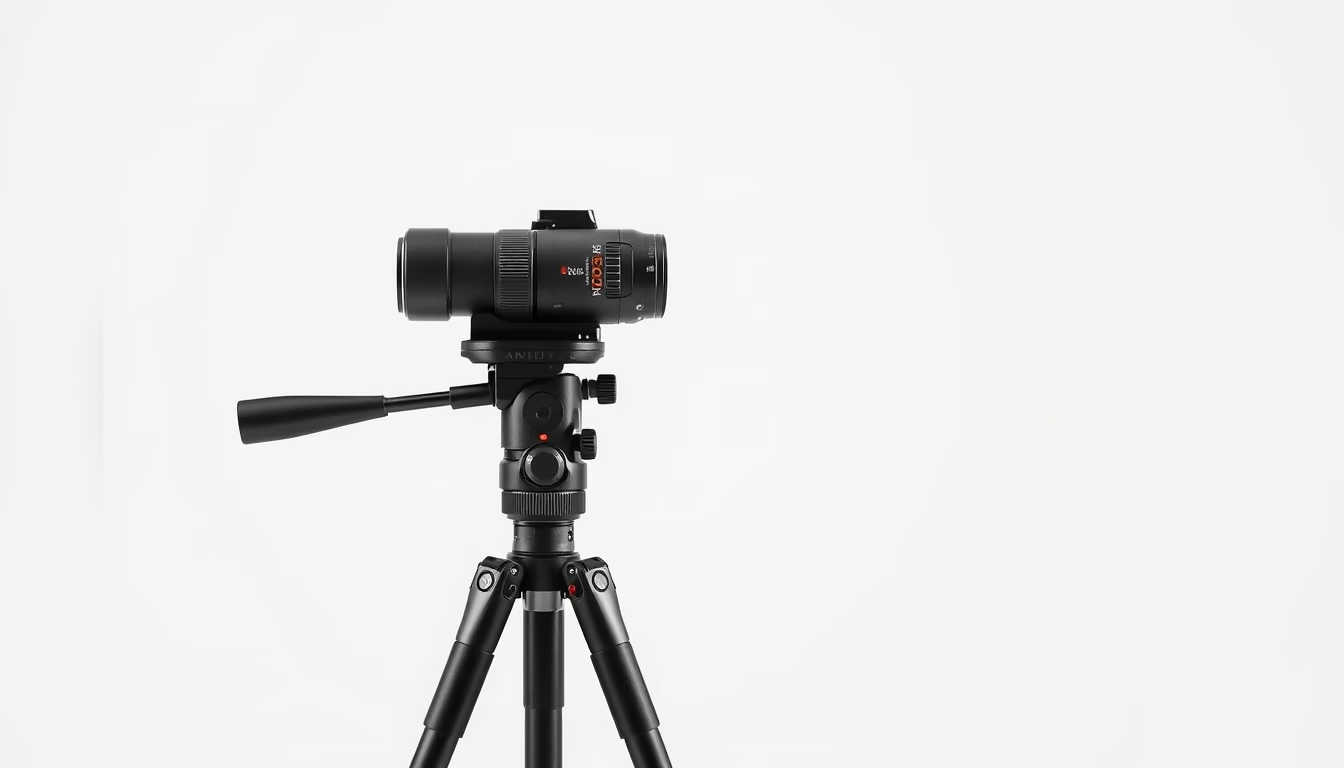
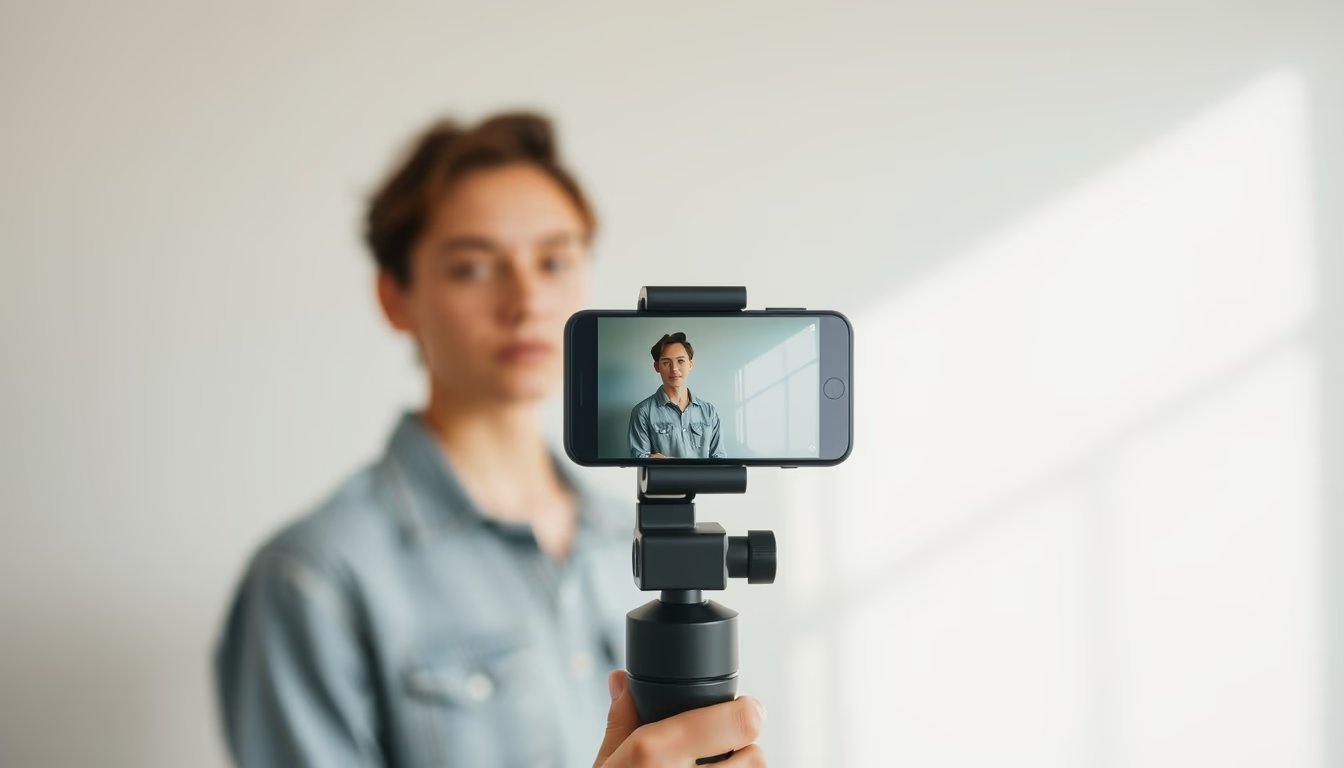
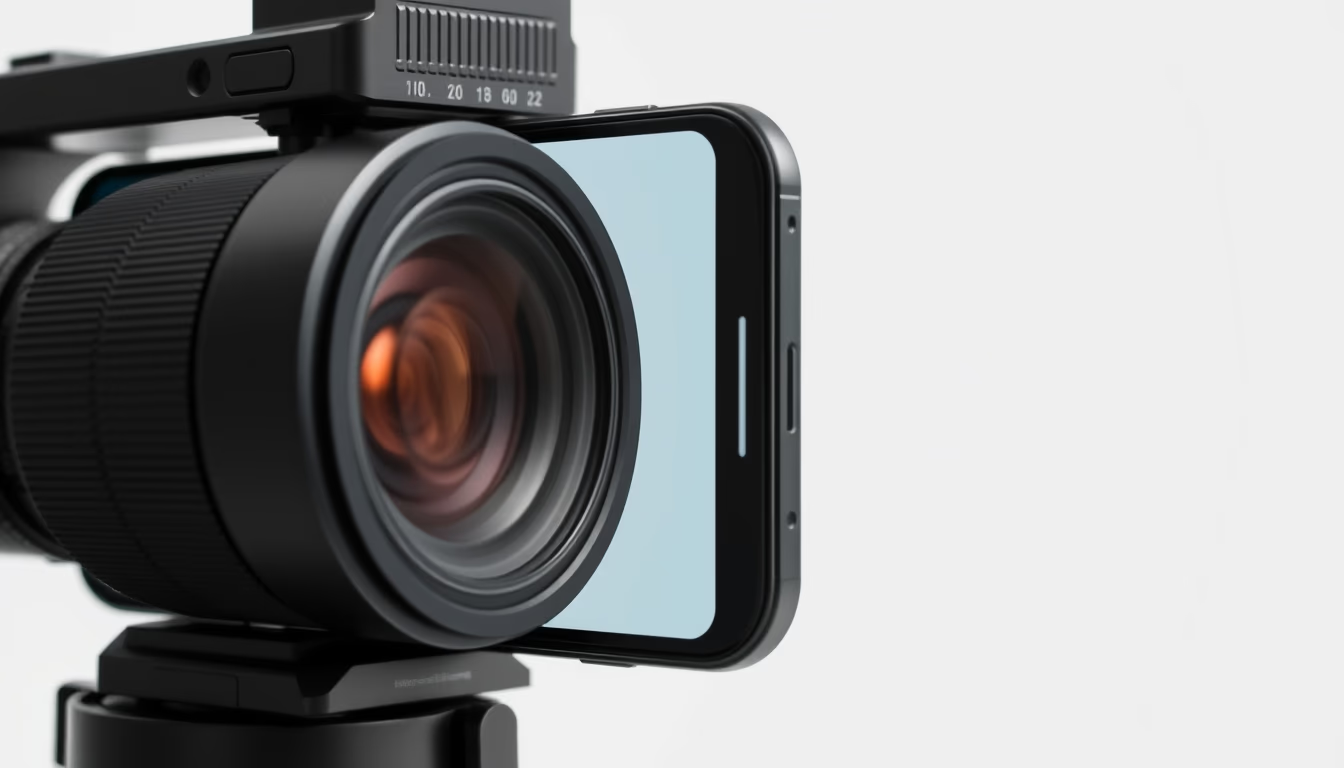
Smartphone lens attachments, also known as external lenses, are devices that clip or mount onto a phone's camera to alter its optical characteristics. In architectural photography, they are particularly valuable for overcoming limitations of native phone lenses. Wide-angle lenses allow capturing entire building facades or expansive interiors without needing to step back, while anamorphic lenses correct perspective distortion and produce cinematic aspect ratios. Macro lenses, though less common in architecture, can record texture and material details.
These accessories have evolved significantly from early low-quality plastic models. Brands like Moment, Sandmarc, and Sirui now offer lenses with multi-coated glass, aluminum housings, and precise mounting systems, ensuring sharpness and minimizing chromatic aberrations. Attachment methods include specific cases for each phone model or universal clip-on adapters, though the latter may compromise optical alignment. For architectural work, dedicated cases are recommended to center the lens over the main camera.
One major challenge in smartphone architectural photography is correcting converging vertical lines, caused by tilting the device. Perspective-control lenses like adapted tilt-shift attachments help address this, but remain rare and expensive. Alternatively, combining wide-angle lenses with perspective-correction apps in post-processing has become popular among photographers seeking professional results without heavy gear.
Portability is another key advantage. A set of two or three lenses fits in a pocket and weighs under 200 grams, enabling architects, designers, and hobbyists to explore locations without carrying a DSLR. As smartphone sensors improve, the image quality from these attachments meets editorial and social media standards, provided lighting is good and alignment is careful. Minor vignetting can be corrected digitally.
Frequently Asked Questions
Which types of external lenses are best for architectural photography?
Wide-angle lenses are the most recommended, as they allow capturing wide scenes and facades with minimal distortion. Anamorphic lenses are also useful for correcting perspective and achieving a cinematic look.
Do these lenses work on any smartphone?
Most work with universal clip-on systems, but optical quality is better when using a case specifically designed for your phone model. Proper alignment with the main camera is crucial.
Is the image quality from an external lens comparable to a DSLR?
While smartphone sensors have improved, there are still differences in dynamic range and low-light performance. For well-lit architectural scenes, results can be very good, but they don't fully replace a dedicated camera.
Direct URL
https://pub-c7d6a6ea828543ac903a74a341ccb2e1.r2.dev/imagens/lens-attachment-phone-architectural-photography-fresh0.avifHow to credit
Include a visible link back to UtilizAí. Copy one of the snippets below:
<a href="https://xn--utiliza-eza.com/en/midia/imagens/lens-attachment-phone-architectural-photography-fresh0">Lens attachment phone</a> by <a href="https://xn--utiliza-eza.com">UtilizAí</a>, licensed under <a href="https://creativecommons.org/licenses/by/4.0/">CC BY 4.0</a>.
[Lens attachment phone](https://xn--utiliza-eza.com/en/midia/imagens/lens-attachment-phone-architectural-photography-fresh0) by [UtilizAí](https://xn--utiliza-eza.com), CC BY 4.0
License: CC-BY-4.0