Leather workshop knives
1344×768 · AVIF · CC BY 4.0
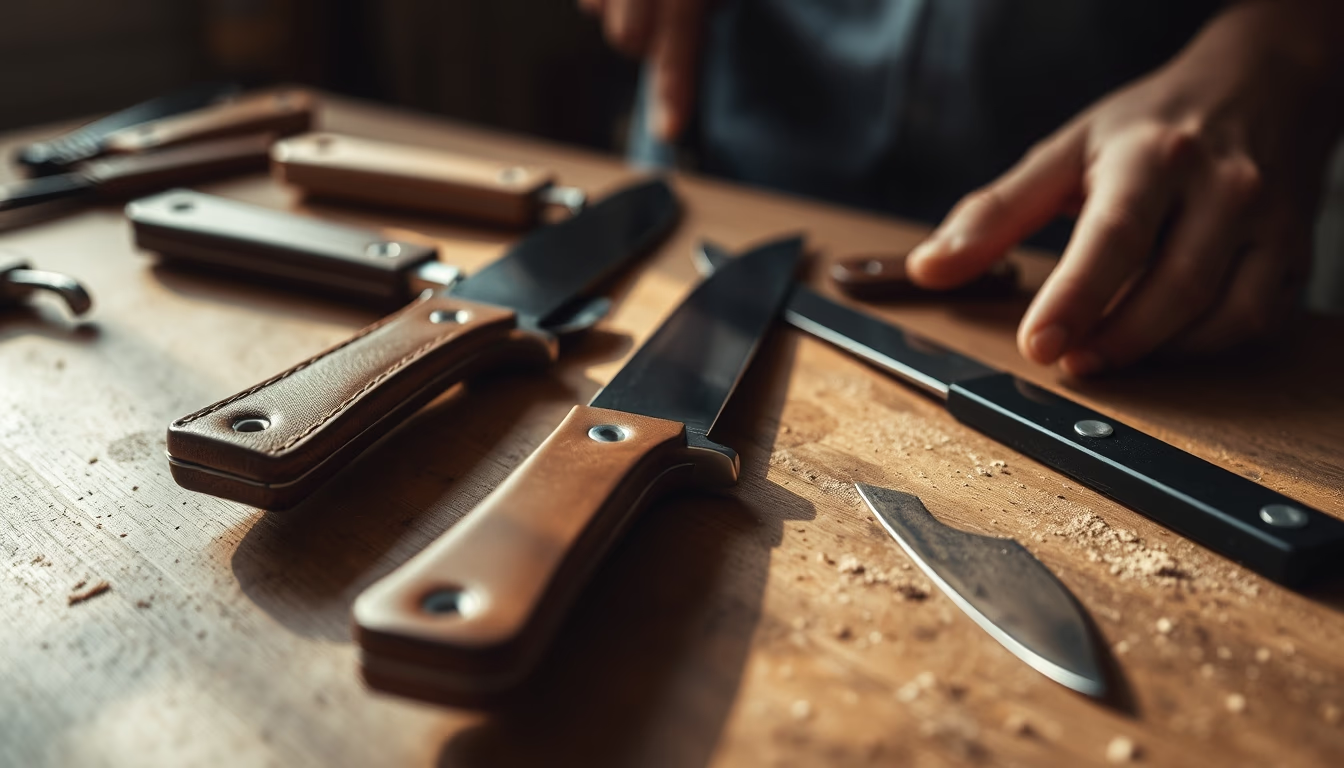
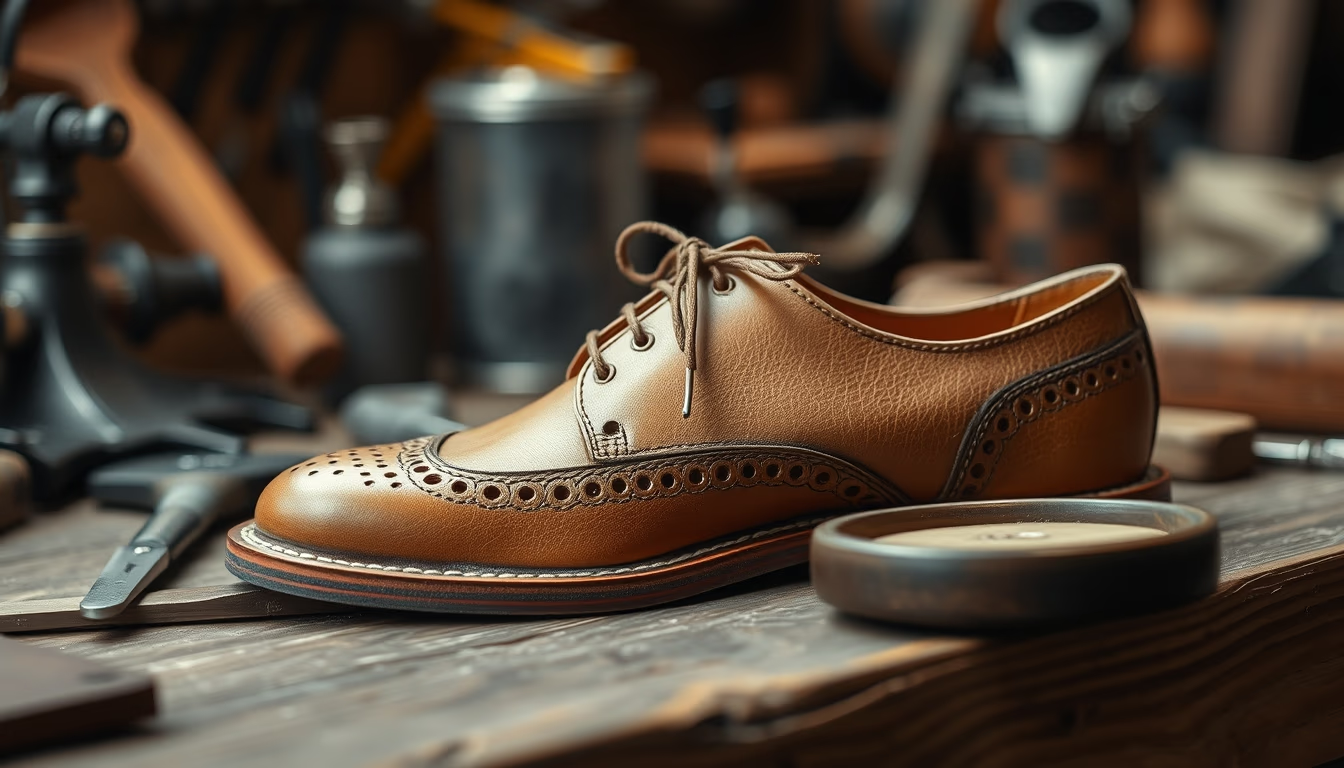
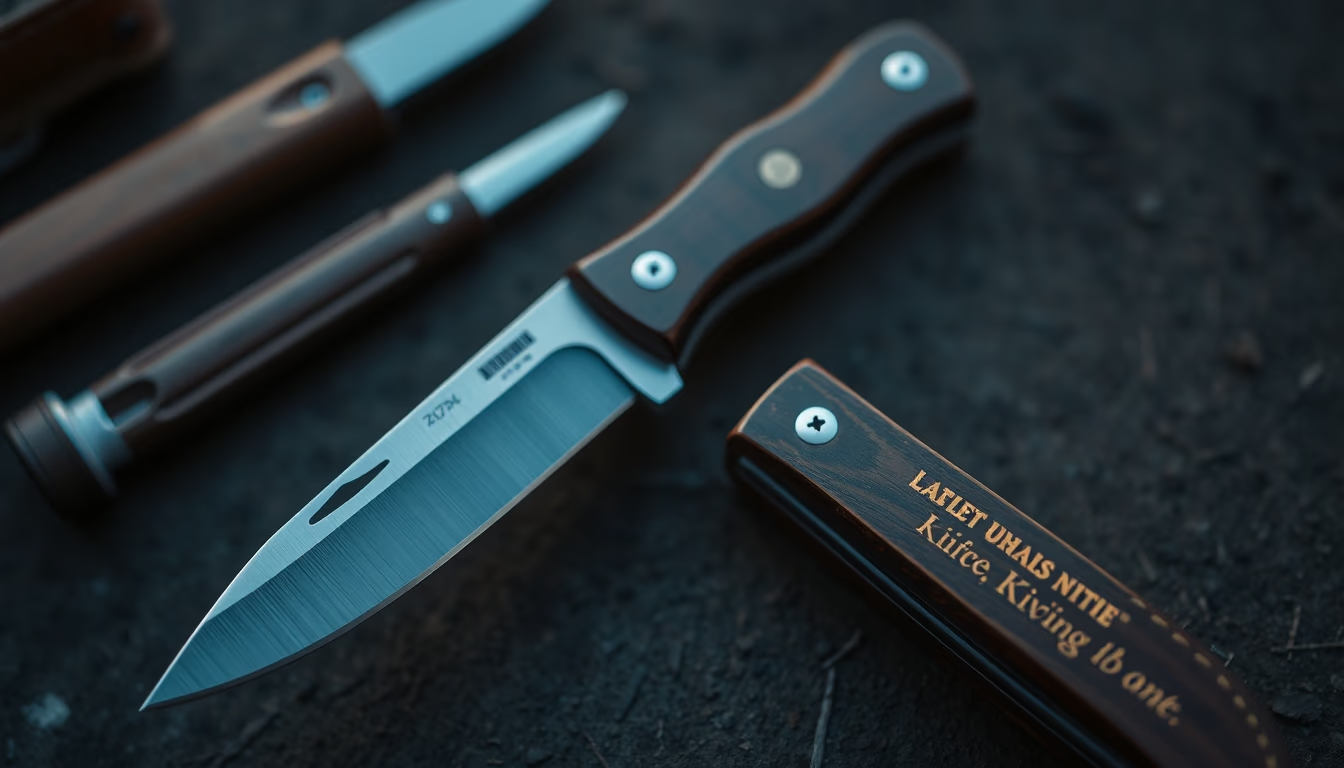
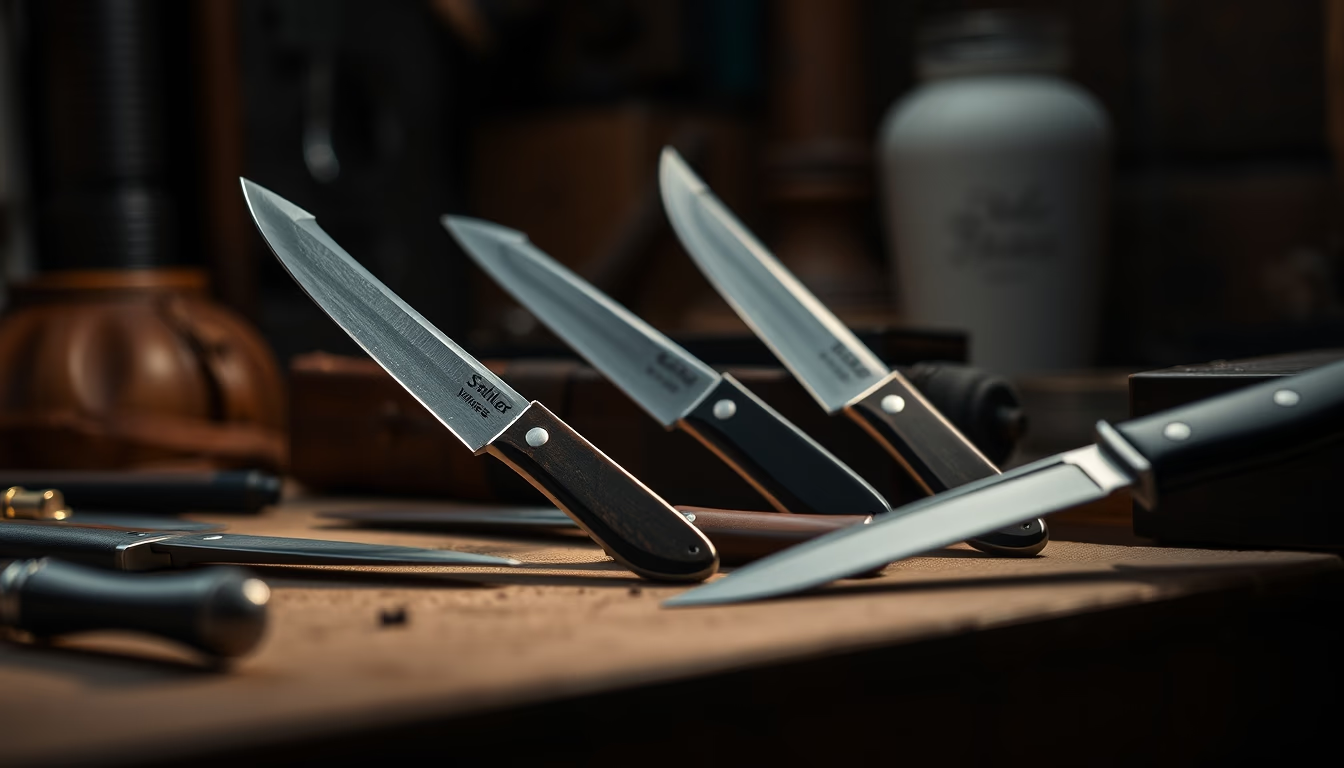
Leather workshop knives are essential tools in leathercraft, each type designed for specific cuts, from skiving to decorative carving.
About this subject
Leather workshop knives are indispensable tools in leathercraft, varying in shape and purpose. Common types include the round knife, ideal for long straight cuts; the skiving knife, used to thin leather edges; and the head knife, favored by saddle makers for curved cuts. Each blade is engineered for specific cuts, ensuring precision and safety.
Globally, leatherworking traditions date back millennia, from ancient Egyptian sandals to medieval armor. In modern workshops, the utility knife remains a staple for general cutting, while specialized knives like the swivel knife enable intricate floral patterns in tooling. The choice of knife directly affects the quality of the finished product and the efficiency of the craft.
Proper maintenance extends the life of these tools. Carbon steel blades require frequent sharpening with water stones or strops, while stainless steel holds an edge longer. Using a honing guide helps maintain a consistent bevel angle. Storage in leather sheaths or magnetic strips protects both the blade and the user.
Interesting facts: The crescent-shaped round knife dates back to Roman times. The swivel knife, with its rotating handle, was refined in the 19th century for American saddle making. In Japan, similar knives called "kogatana" are used for precise cuts in leather crafts. Understanding the history and design of each knife enriches the leatherworker's skill set.
Frequently Asked Questions
What is the most versatile knife for leatherworking beginners?
A utility knife with replaceable blades is the best for beginners, allowing straight cuts and easy sharpening. For curved cuts, a round knife can be added later.
How to properly sharpen a leather knife?
Use a water stone or diamond stone with fine grit (4000-8000). Maintain the original blade angle (typically 20-25 degrees). Finish with a strop to polish the edge. Sharpen whenever you feel resistance while cutting.
What is the difference between a skiving knife and a swivel knife?
A skiving knife has a wide, straight blade used to thin leather edges. A swivel knife has a curved blade and a rotating handle, designed for decorative cuts and tooling patterns.
Direct URL
https://pub-c7d6a6ea828543ac903a74a341ccb2e1.r2.dev/imagens/leather-workshop-knives-minimalist-composition-fresh4.avifHow to credit
Include a visible link back to UtilizAí. Copy one of the snippets below:
<a href="https://xn--utiliza-eza.com/en/midia/imagens/leather-workshop-knives-minimalist-composition-fresh4">Leather workshop knives</a> by <a href="https://xn--utiliza-eza.com">UtilizAí</a>, licensed under <a href="https://creativecommons.org/licenses/by/4.0/">CC BY 4.0</a>.
[Leather workshop knives](https://xn--utiliza-eza.com/en/midia/imagens/leather-workshop-knives-minimalist-composition-fresh4) by [UtilizAí](https://xn--utiliza-eza.com), CC BY 4.0
License: CC-BY-4.0