Leather workshop knives
1344×768 · AVIF · CC BY 4.0
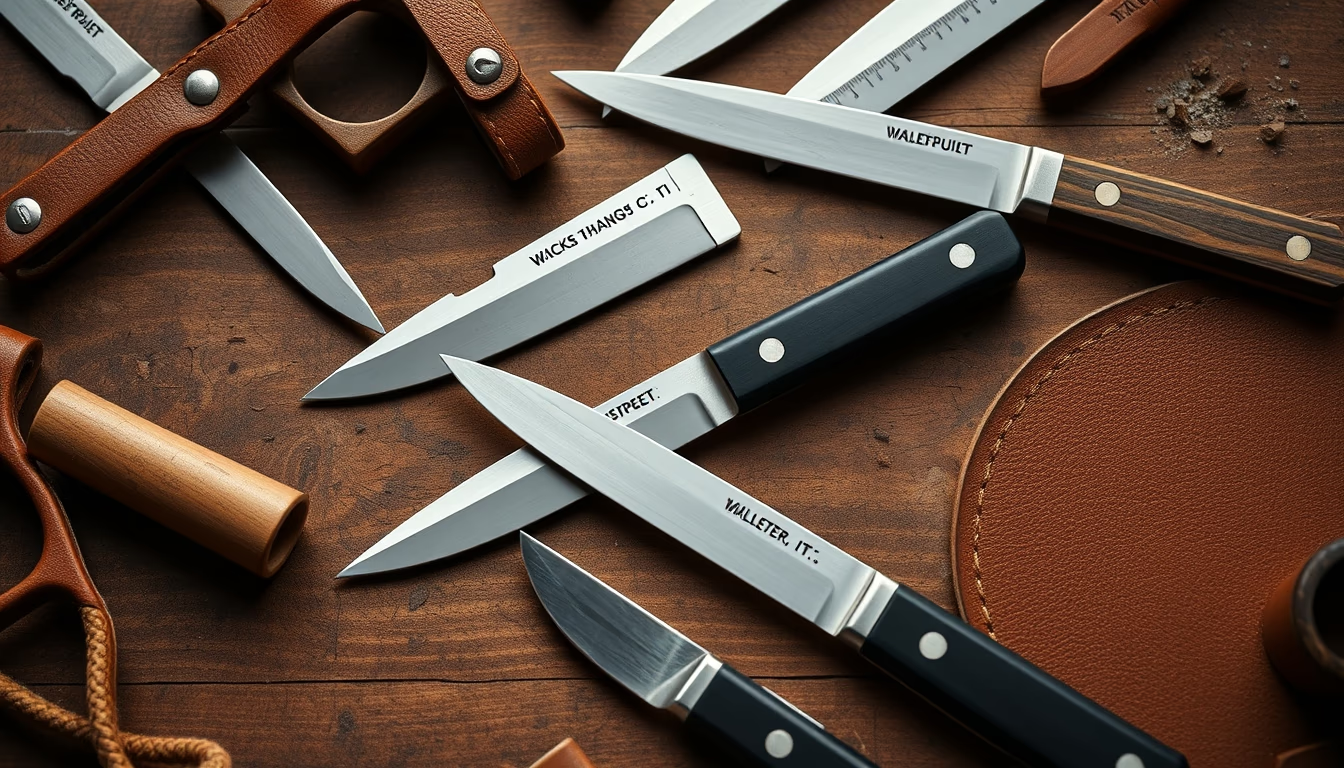
Leatherworker knives and artisan cutlery are essential tools in leathercraft, with specific blades for each stage of the process.
About this subject
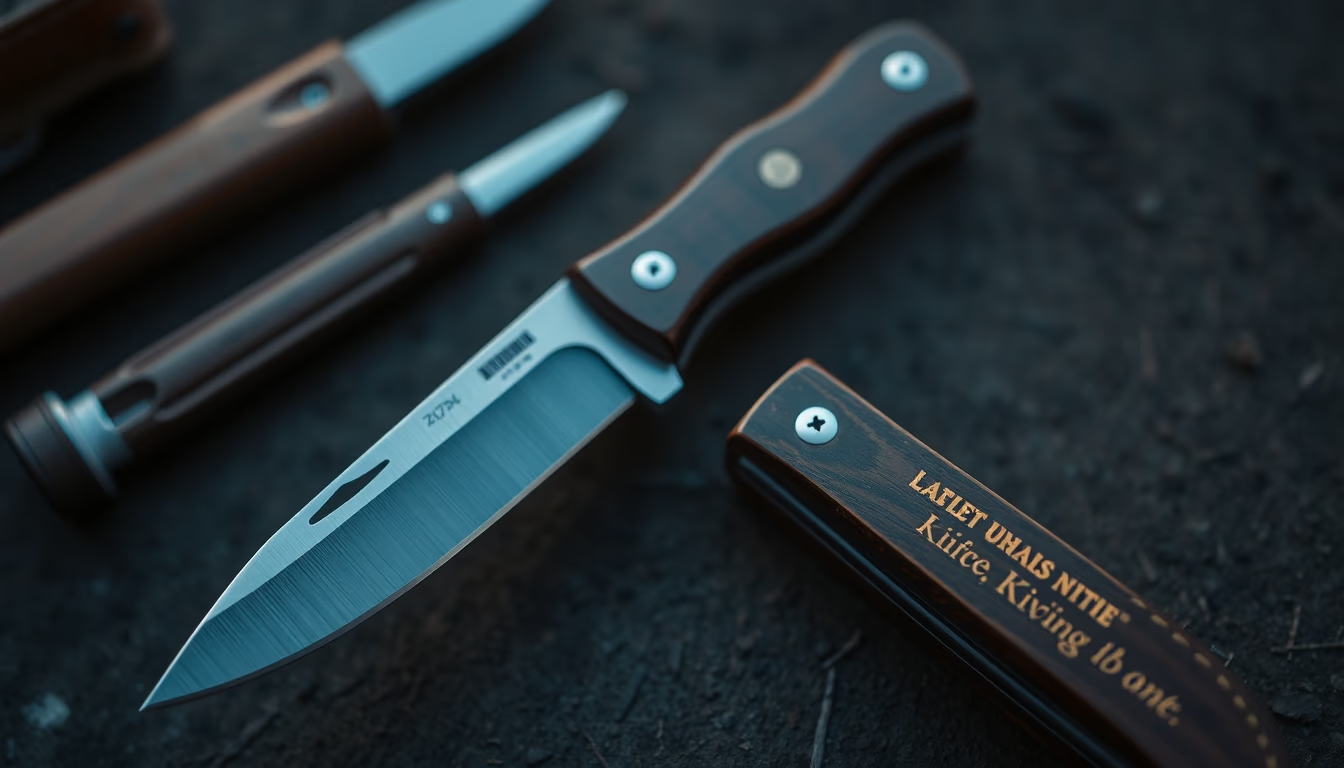
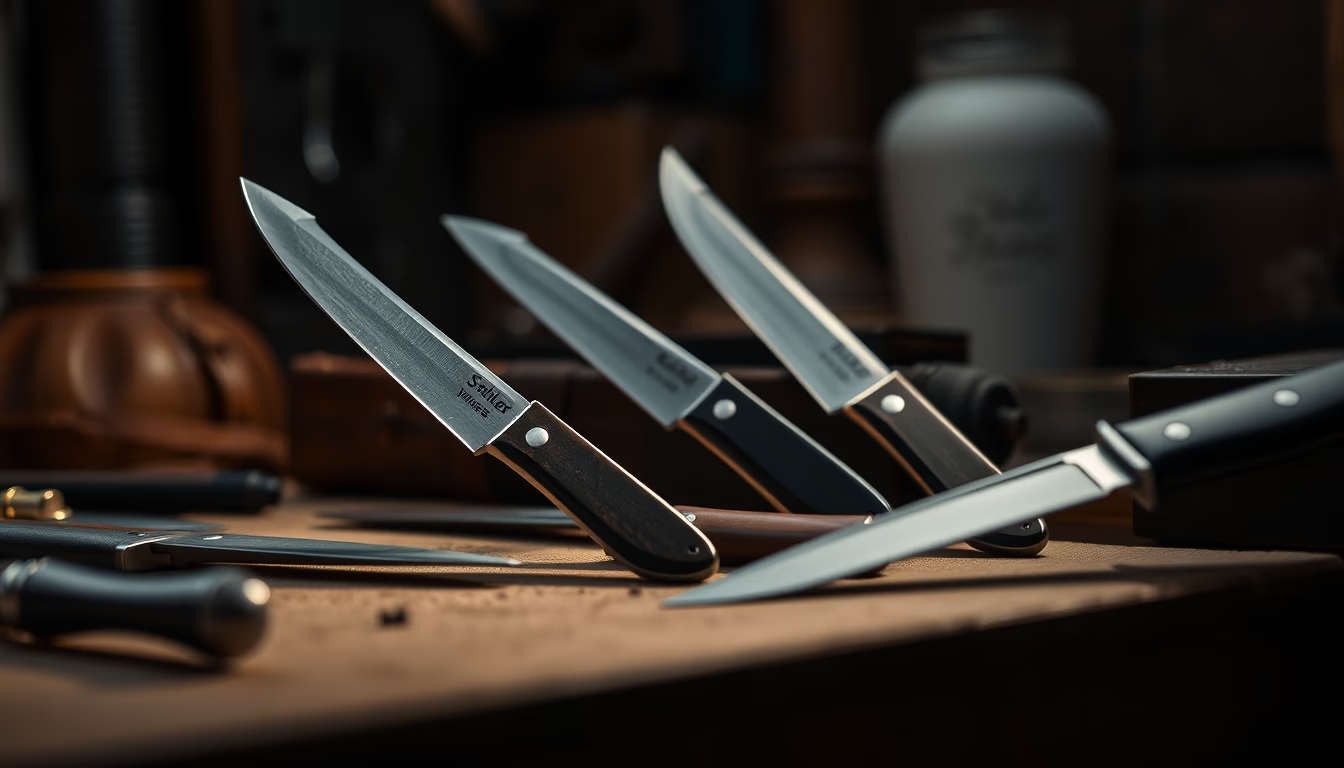
Leatherworking knives are the core tools in leathercraft, each with a blade geometry designed for a specific task. The head knife, for instance, has a curved, pointed blade ideal for long, straight cuts like edge skiving. The skiving knife features a straight, beveled blade used to thin leather at seams or folds, ensuring smooth transitions and avoiding bulk. The round knife, with its circular blade, is versatile for both curved and straight cuts, widely used by traditional artisans.
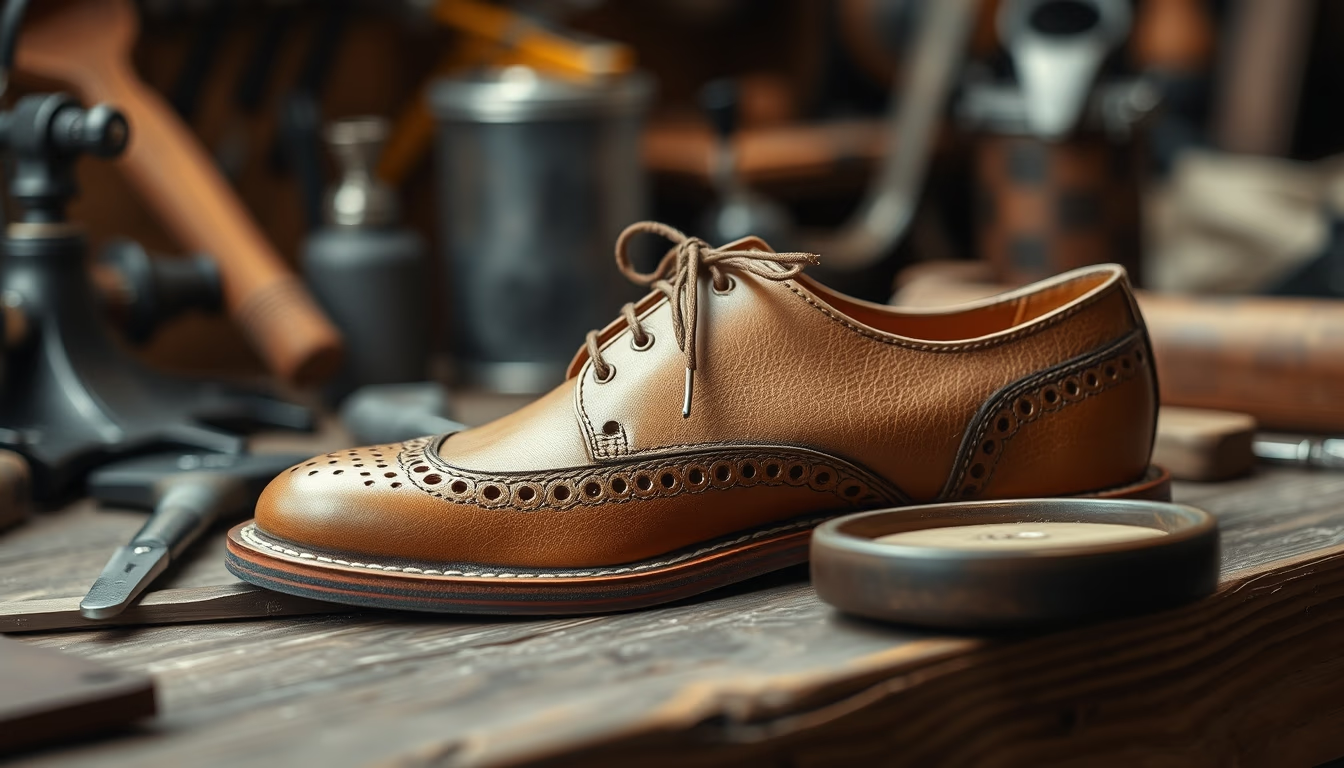
The history of leather cutlery dates back to antiquity, with bronze and iron tools found in archaeological sites. In Brazil, the tradition of artisanal shoemaking spurred the development of regional knives, such as the shoemaker's knife, with a short blade and comfortable handle for detailed work. Modern industry has produced blades from carbon or stainless steel, with handles of wood, bone, or synthetic materials. Steel choice impacts durability and ease of sharpening, carbon steels (like 1095) sharpen easily but rust; stainless steels (like 440C) resist corrosion but require more careful sharpening.
Maintenance of leather knives is crucial for work quality. Regular sharpening with water stones or guide systems keeps the edge keen. Blade angle varies by use: skiving knives use shallow angles (15-20°), while general cutting knives use 20-25°. Additionally, proper lubrication and storage prolong tool life. Experienced craftsmen develop an intimate relationship with their knives, adjusting blade and handle for maximum precision.
Frequently Asked Questions
What is the difference between a head knife and a skiving knife?
A head knife has a curved, pointed blade, ideal for long, straight cuts like edge skiving. A skiving knife has a straight, beveled blade used to thin leather at seams or folds.
How to properly sharpen a leather knife?
Use water stones or guided sharpening systems. Maintain a constant angle: for skiving knives, 15-20°; for general cutting knives, 20-25°. Lubricate the stone with water or oil and make uniform strokes to refine the edge.
Which steel is better for leather knives: carbon or stainless?
It depends on preference. Carbon steel (e.g., 1095) sharpens easily and holds a very sharp edge, but rusts if not dried and lubricated. Stainless steel (e.g., 440C) resists corrosion, but is harder to sharpen and may not achieve the same edge sharpness.
Direct URL
https://pub-c7d6a6ea828543ac903a74a341ccb2e1.r2.dev/imagens/leather-workshop-knives-isometric-flat-lay-fresh15.avifHow to credit
Include a visible link back to UtilizAí. Copy one of the snippets below:
<a href="https://xn--utiliza-eza.com/en/midia/imagens/leather-workshop-knives-isometric-flat-lay-fresh15">Leather workshop knives</a> by <a href="https://xn--utiliza-eza.com">UtilizAí</a>, licensed under <a href="https://creativecommons.org/licenses/by/4.0/">CC BY 4.0</a>.
[Leather workshop knives](https://xn--utiliza-eza.com/en/midia/imagens/leather-workshop-knives-isometric-flat-lay-fresh15) by [UtilizAí](https://xn--utiliza-eza.com), CC BY 4.0
License: CC-BY-4.0