Leather wallet handcrafted
1344×768 · AVIF · CC BY 4.0
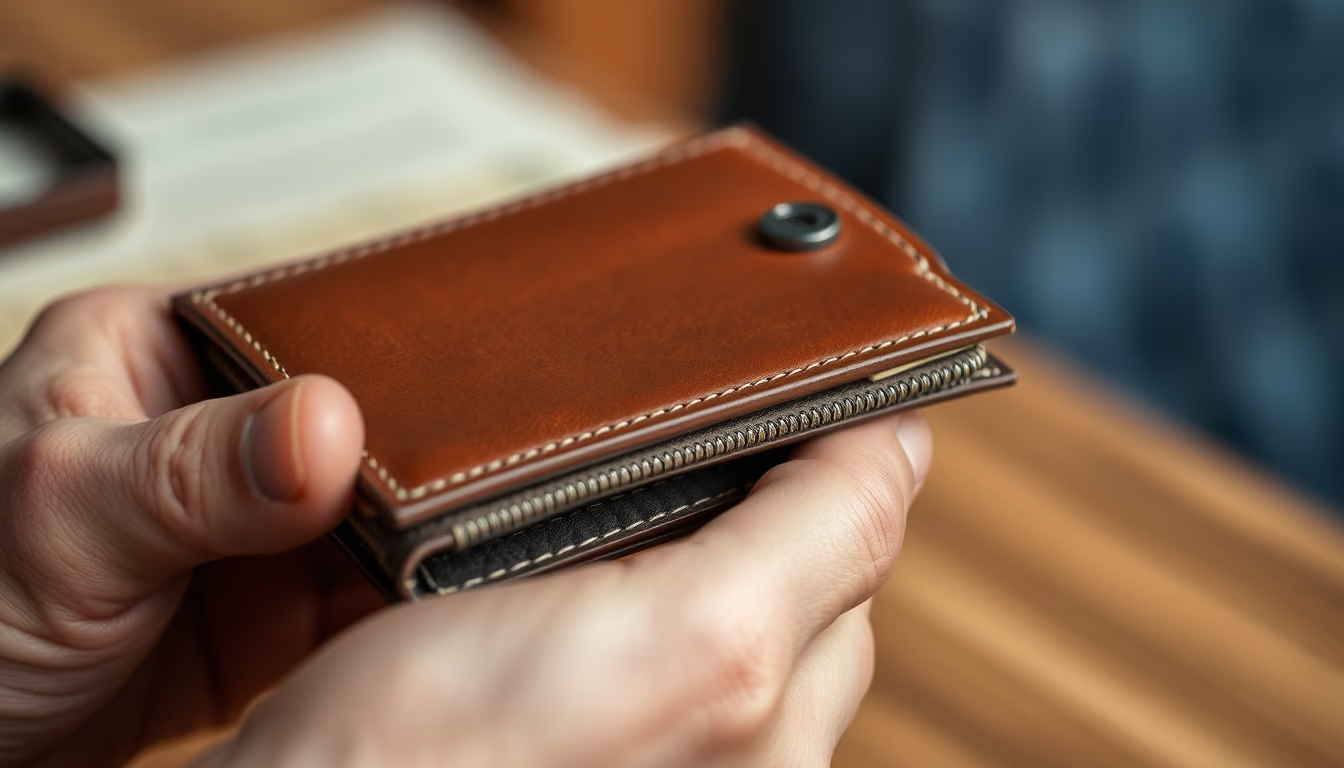
Handcrafted leather wallet: details of vegetable tanning and hand-stitching that ensure unique durability and beauty.
About this subject
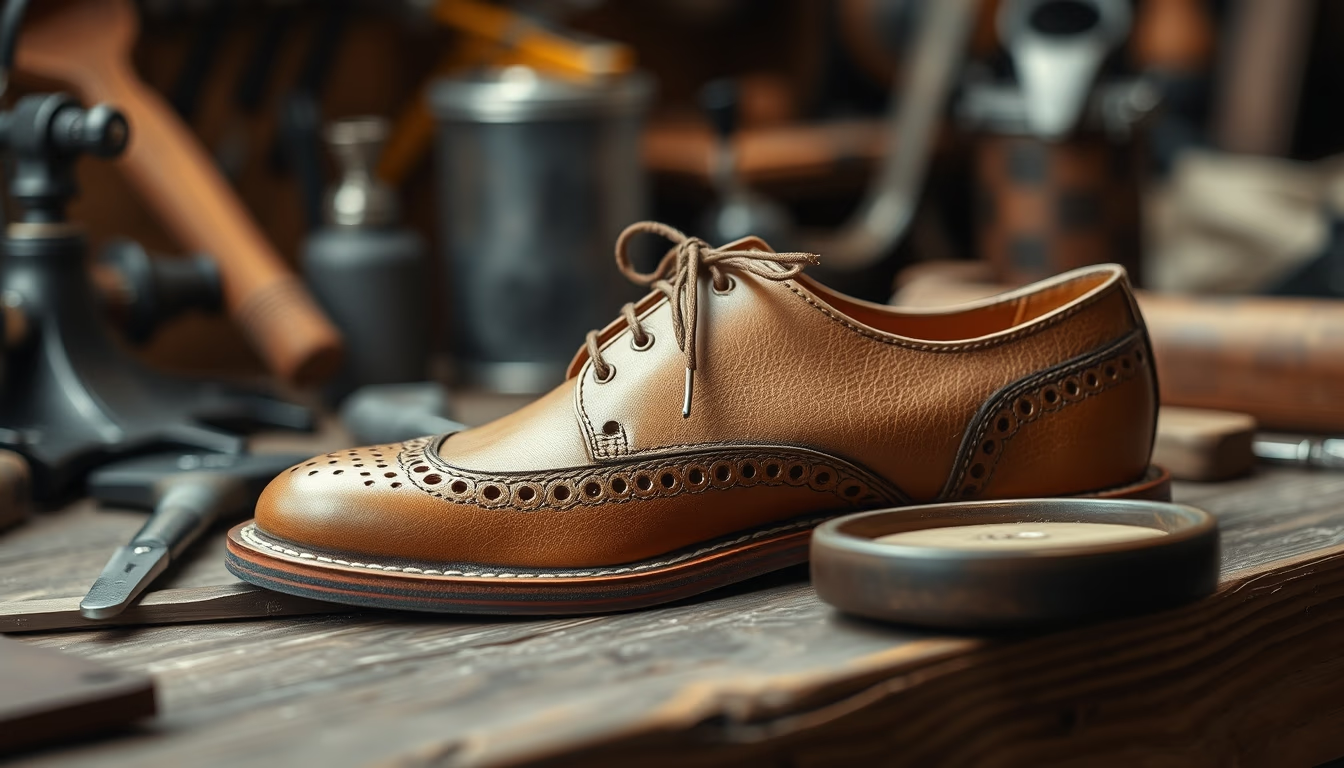
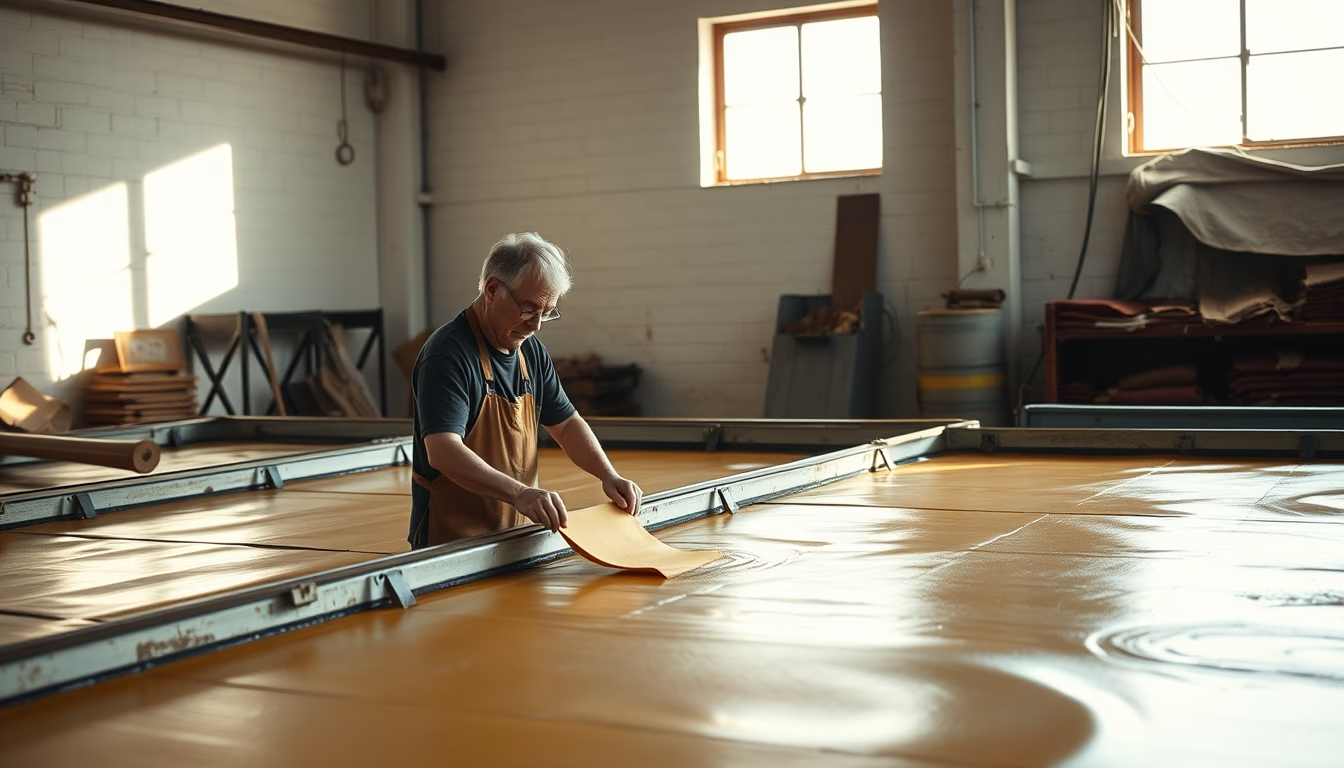
Handcrafted leather wallets represent the union of tradition and functionality. The process begins with selecting leather, usually bovine, subjected to vegetable tanning, a method using natural tannins from tree barks like acacia and oak. This weeks-long process gives leather resistance, malleability, and the ability to develop a patina over time, making each piece unique.
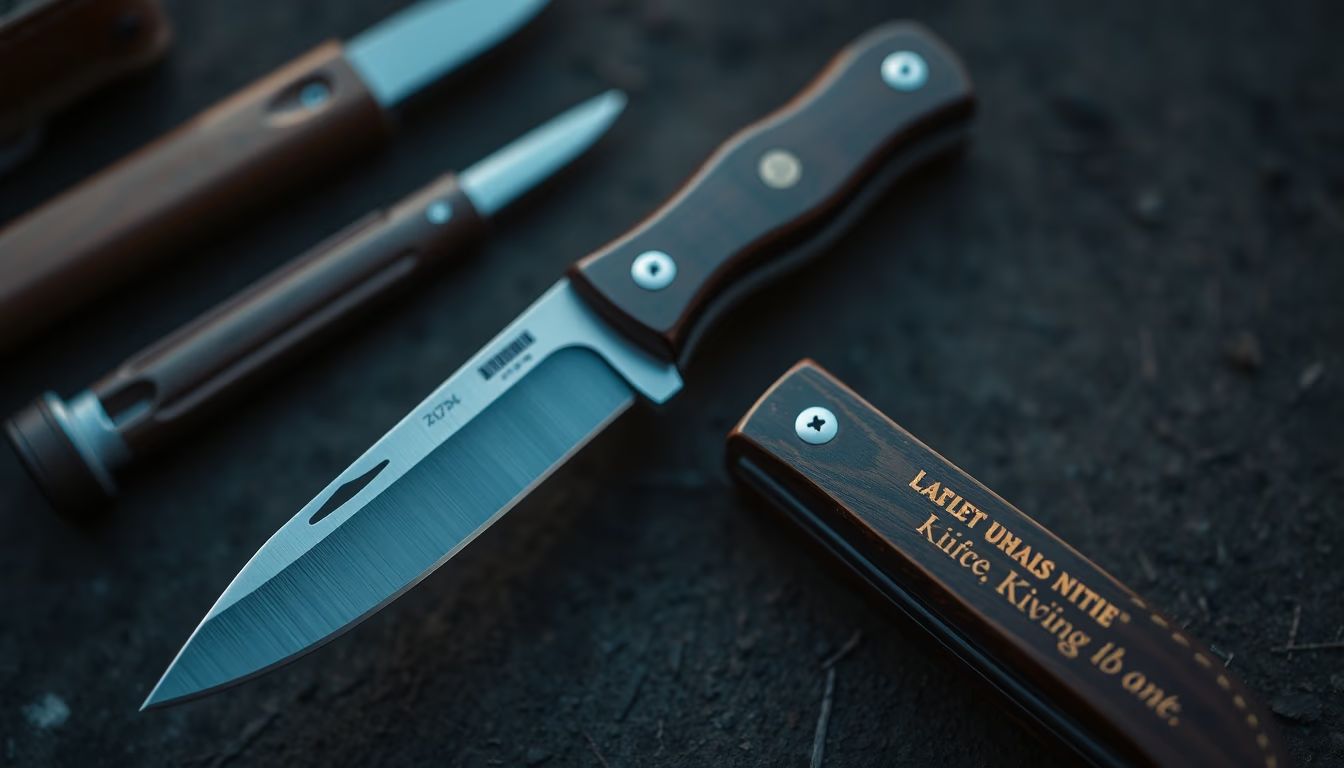
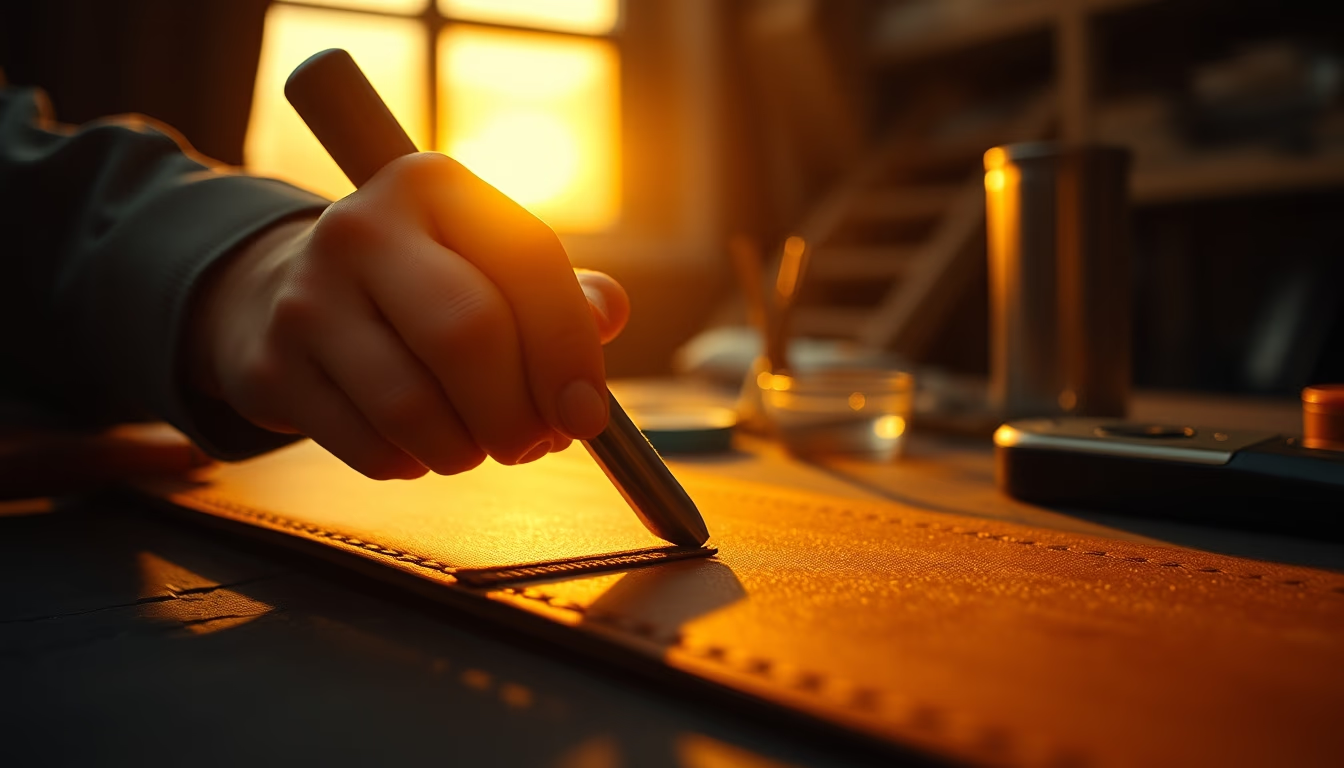
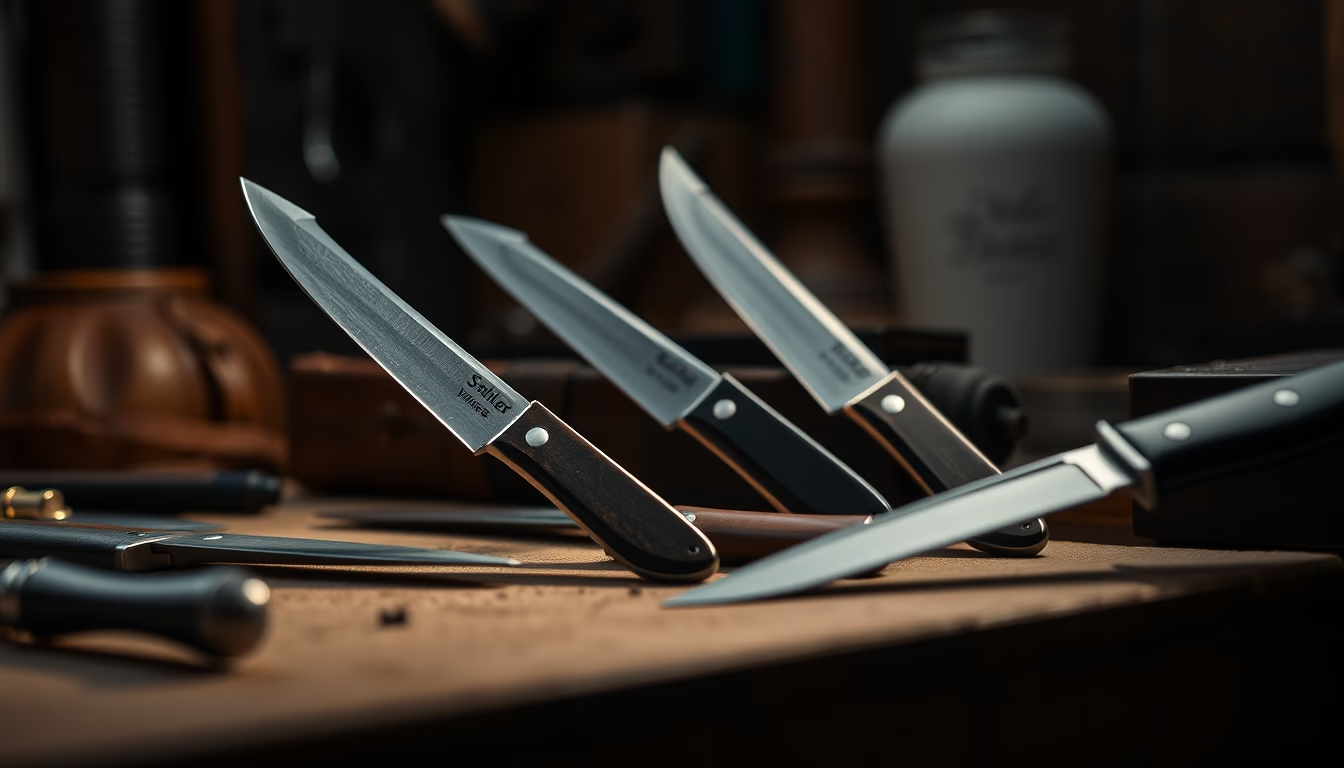
The making of a handcrafted wallet involves precise cuts with knives or utility blades, followed by shaping and hand-stitching with waxed thread. Unlike industrial stitching, the manual saddle stitch is more durable because each stitch is individually tensioned. Artisans use awls to pierce the leather, creating aligned holes that guide the needle. Edges are sanded and burnished, and wax or dye is applied for finishing.
In Brazil, the leatherworking tradition is strong, especially in the states of Rio Grande do Sul and Ceará, where there are hubs of tanneries and artifact production. Handcrafted accessories like wallets, belts, and bags are valued for both their rustic style and commitment to sustainability, as leather is a byproduct of the food industry and craftsmanship extends its useful life.
Essential care for a leather wallet includes avoiding prolonged sun exposure and moisture, cleaning with a dry cloth, and periodic conditioning with specific creams. This way, the piece can last decades, acquiring a noble aged appearance, a feature that sets it apart from ephemeral synthetic materials.
Frequently Asked Questions
How long does a handcrafted leather wallet last?
With proper care, a handcrafted leather wallet can last 10 to 20 years or more. Durability depends on leather quality, stitching technique, and maintenance.
What is vegetable tanning and why is it important?
Vegetable tanning uses natural tannins from plants to turn animal hide into leather. It is important because it produces eco-friendly, durable leather that develops a patina over time, ideal for craftsmanship.
How to clean a genuine leather wallet?
Use a slightly damp soft cloth to remove surface dirt. Avoid harsh chemicals. Apply a leather conditioner every 3-6 months to maintain moisture.
Direct URL
https://pub-c7d6a6ea828543ac903a74a341ccb2e1.r2.dev/imagens/leather-wallet-handcrafted-macro-closeup-fresh16.avifHow to credit
Include a visible link back to UtilizAí. Copy one of the snippets below:
<a href="https://xn--utiliza-eza.com/en/midia/imagens/leather-wallet-handcrafted-macro-closeup-fresh16">Leather wallet handcrafted</a> by <a href="https://xn--utiliza-eza.com">UtilizAí</a>, licensed under <a href="https://creativecommons.org/licenses/by/4.0/">CC BY 4.0</a>.
[Leather wallet handcrafted](https://xn--utiliza-eza.com/en/midia/imagens/leather-wallet-handcrafted-macro-closeup-fresh16) by [UtilizAí](https://xn--utiliza-eza.com), CC BY 4.0
License: CC-BY-4.0