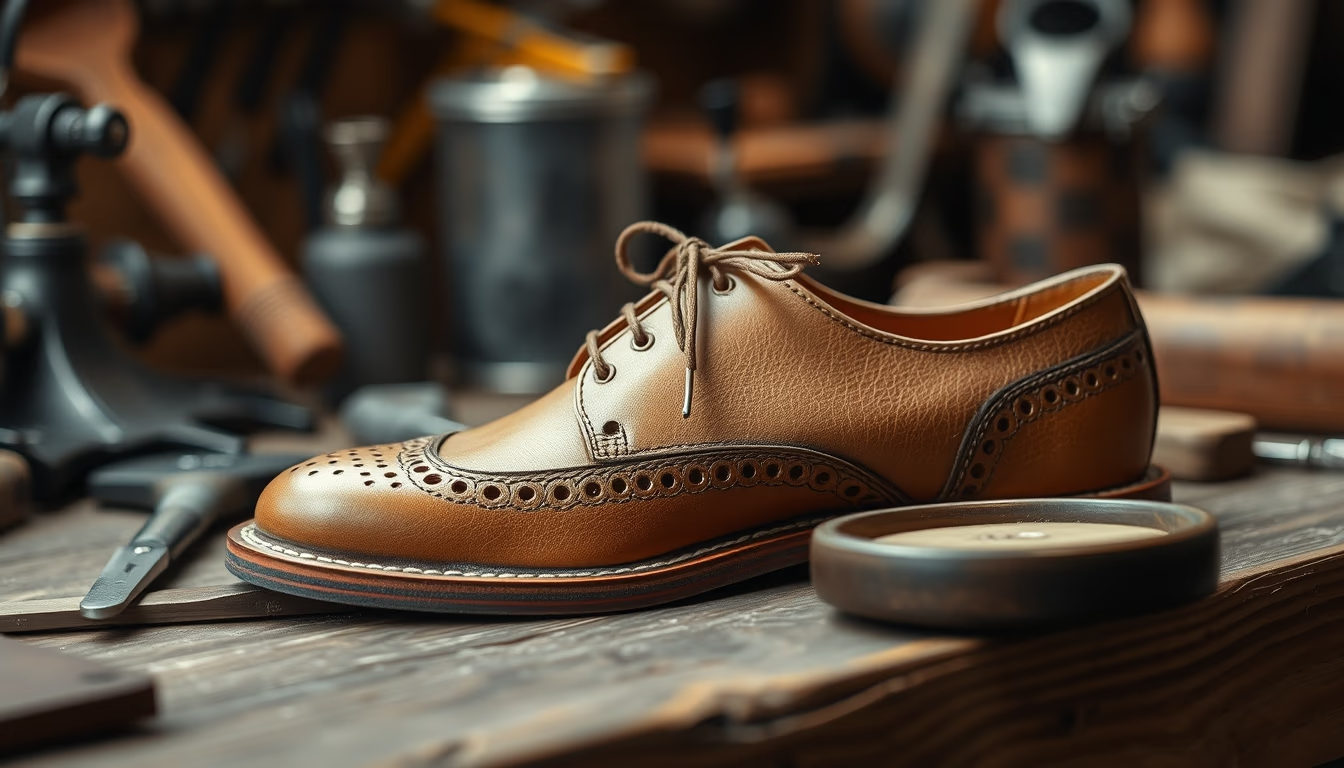
Leather wallet handcrafted
1344×768 · AVIF · CC BY 4.0
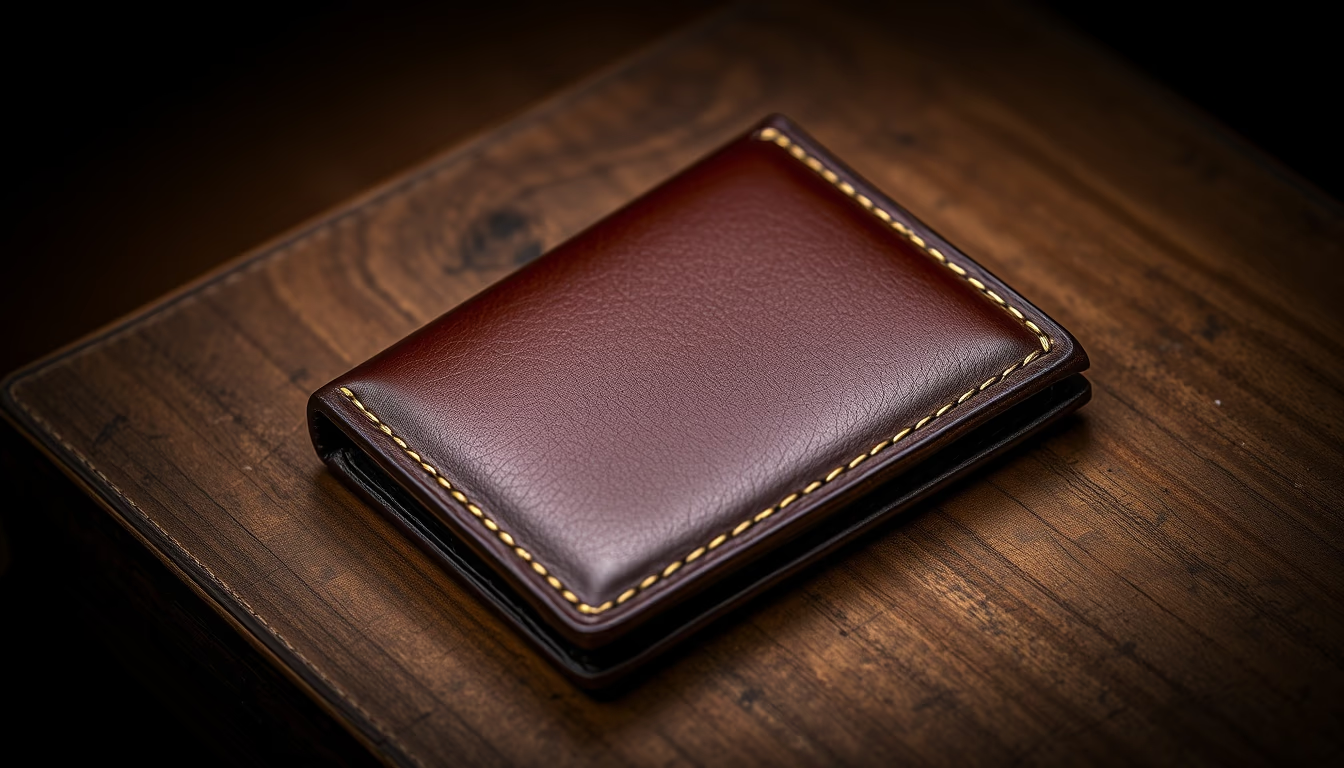
Handcrafted leather wallets combine manual skill, noble materials, and functional design to create durable and elegant accessories.
About this subject
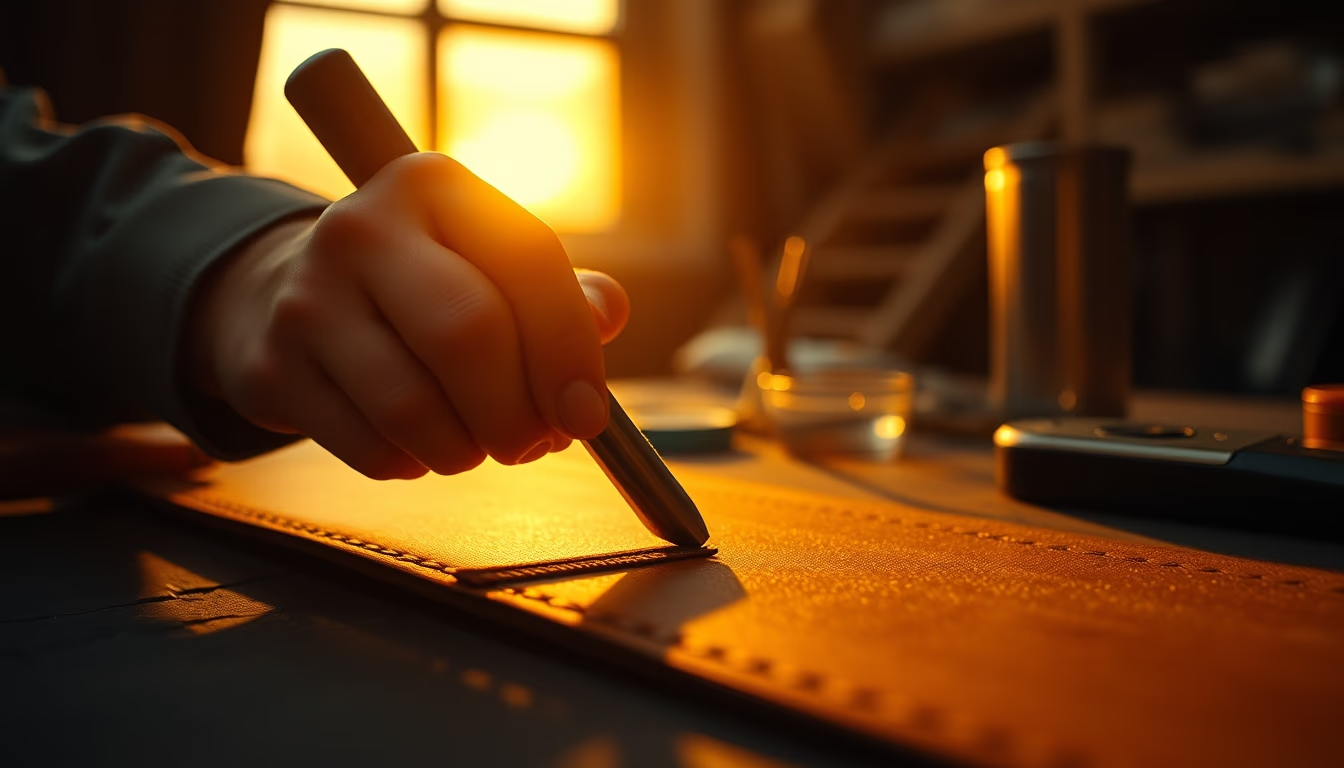
Handcrafting leather wallets is a centuries-old tradition rooted in the mastery of tanning and stitching. Unlike mass‑produced items, each wallet requires hours of meticulous work: precise cutting of full-grain or top-grain leather, saddle stitching with waxed thread, and edge burnishing. Vegetable tanning, which uses natural tannins from bark and plants, is favored by artisans for producing leather that develops a rich patina over time.
In many countries, leather craft is tied to specific regions. In Italy, for example, Tuscany is known for its high‑quality vegetable‑tanned leather, while in the United States, the Horween tannery in Chicago supplies leather for premium goods. A well‑made artisan wallet can last decades if properly cared for, resisting the throwaway culture of fast fashion. Designs range from minimal cardholders to classic bifolds with multiple pockets for notes and coins.
The choice of leather greatly affects quality. Full-grain leather retains the hide’s natural texture and is the most durable; top-grain leather is slightly corrected but still strong. Genuine leather is lower quality. Artisans also use fish leather (like salmon or carp) for eco‑friendly alternatives. Hand stitching (saddle stitch) is stronger than machine stitching because if one thread breaks, the rest stays intact.
Simple care extends a wallet’s life: keep it away from direct heat, condition it occasionally with leather balm, and avoid overstuffing. The patina that develops is a hallmark of quality and use, not damage. Buying artisanal leather supports small workshops and reduces reliance on synthetic materials that pollute and wear out quickly.
Frequently Asked Questions
What is the difference between genuine leather and full-grain leather?
Full-grain leather comes from the top layer of the hide, retaining natural grain and strength. Genuine leather is made from lower layers and is less durable. Artisans prefer full-grain for high‑end wallets.
How should I clean a handmade leather wallet?
Use a slightly damp cloth to remove dust, then apply a leather conditioner (avoid silicone‑based products). Keep away from direct sunlight and harsh chemicals.
How long does it take to make a handmade leather wallet?
Depending on complexity, from 4 to 8 hours of manual work, including cutting, saddle stitching, edge finishing, and drying of glues or dyes.
Direct URL
https://pub-c7d6a6ea828543ac903a74a341ccb2e1.r2.dev/imagens/leather-wallet-handcrafted-fine-art-photography-fresh18.avifHow to credit
Include a visible link back to UtilizAí. Copy one of the snippets below:
<a href="https://xn--utiliza-eza.com/en/midia/imagens/leather-wallet-handcrafted-fine-art-photography-fresh18">Leather wallet handcrafted</a> by <a href="https://xn--utiliza-eza.com">UtilizAí</a>, licensed under <a href="https://creativecommons.org/licenses/by/4.0/">CC BY 4.0</a>.
[Leather wallet handcrafted](https://xn--utiliza-eza.com/en/midia/imagens/leather-wallet-handcrafted-fine-art-photography-fresh18) by [UtilizAí](https://xn--utiliza-eza.com), CC BY 4.0
License: CC-BY-4.0