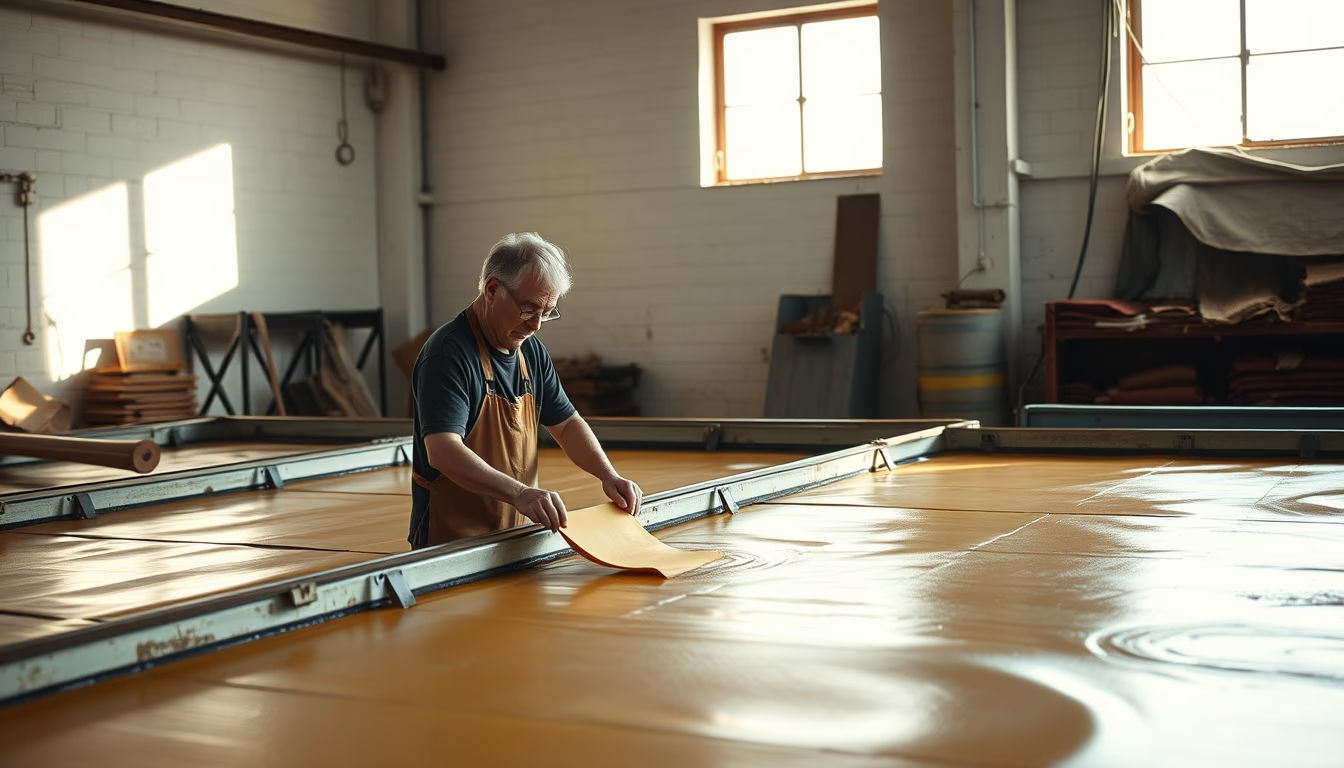
Leather wallet handcrafted
1344×768 · AVIF · CC BY 4.0
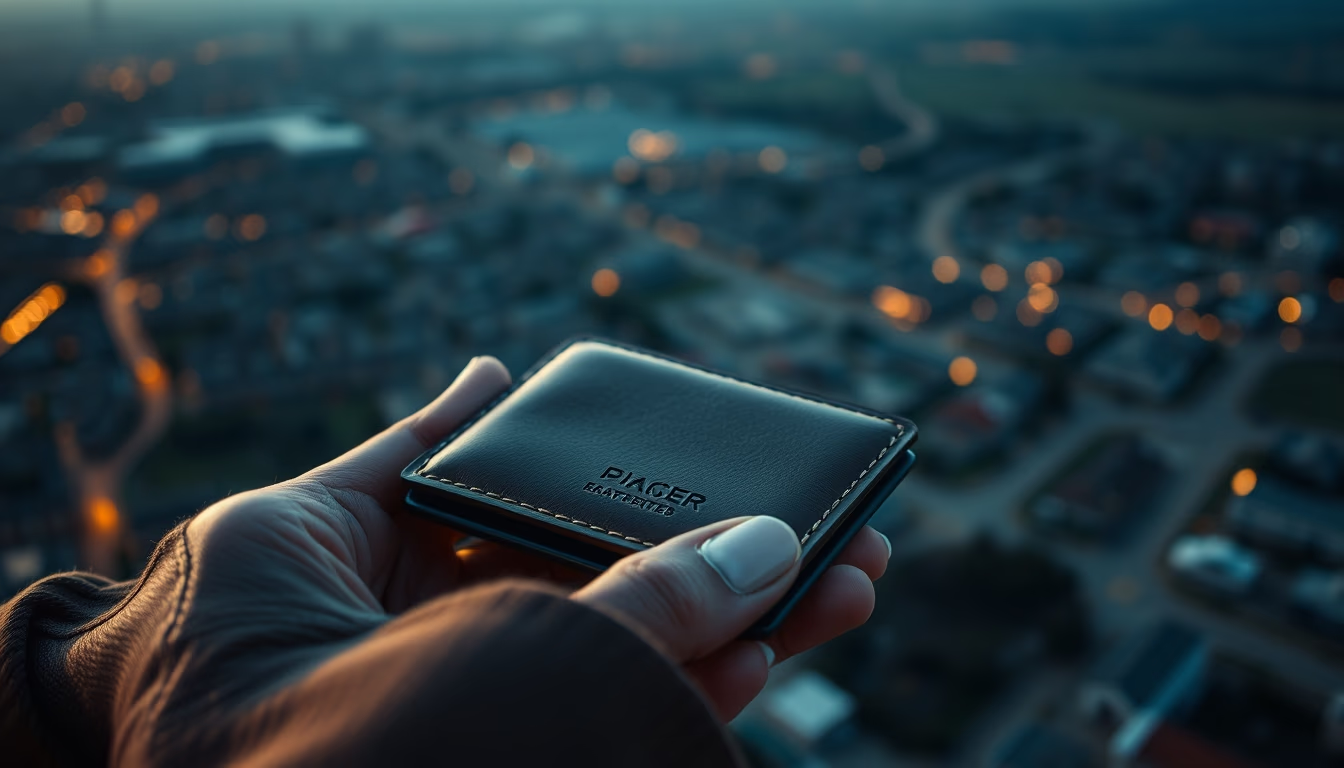
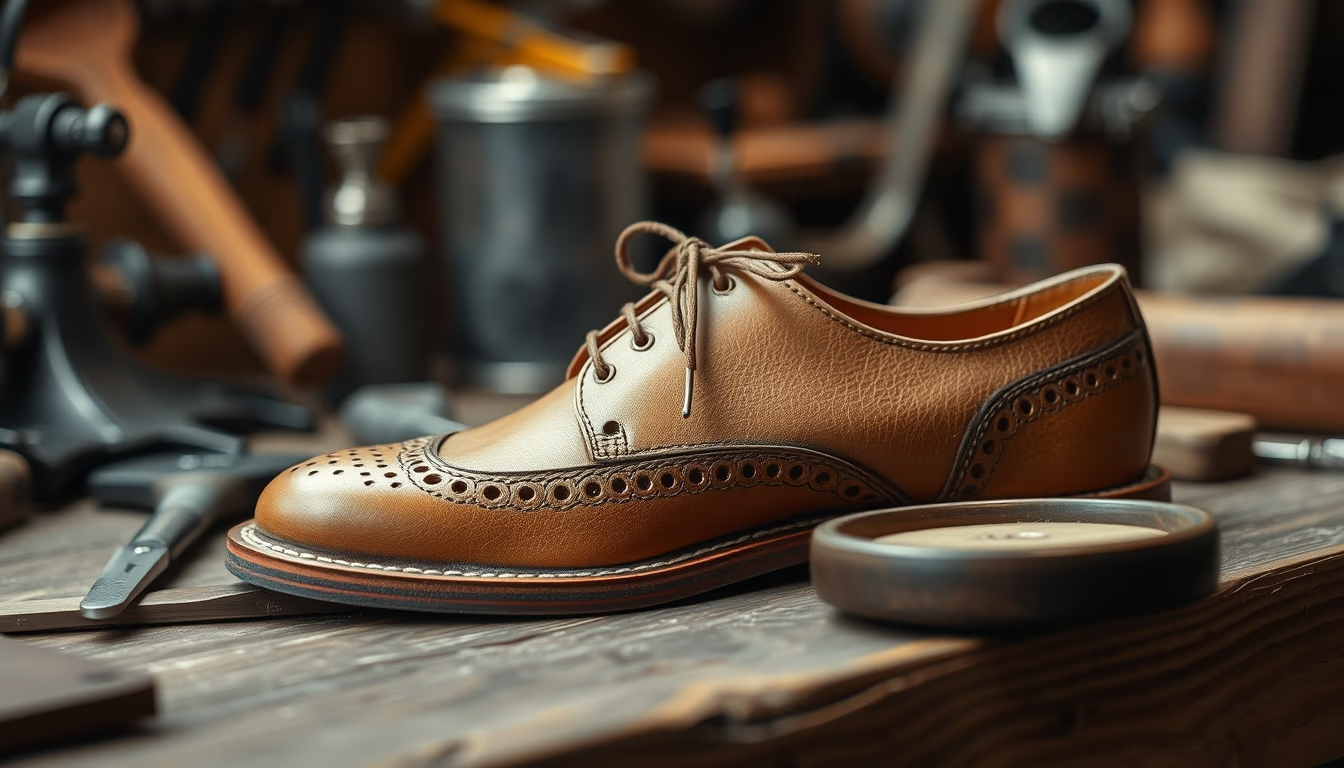
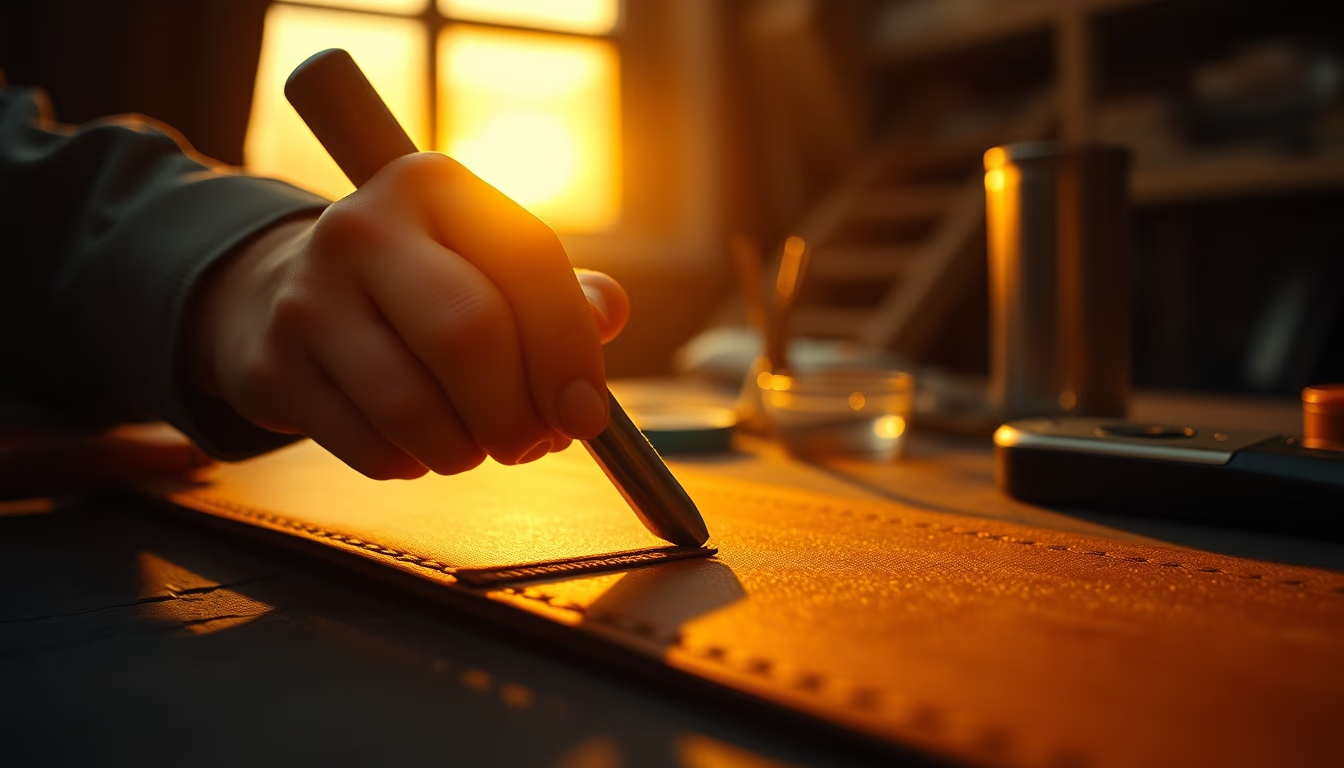
Handcrafted leather wallet combines tradition and functionality, with vegetable tanning and hand stitching ensuring durability and unique beauty.
About this subject
Handcrafted leather wallets are made using techniques that date back centuries. Vegetable tanning, for instance, uses natural tannins from tree bark, resulting in leather that is both durable and develops a beautiful patina over time. Hand stitching, typically the saddle stitch, is stronger than machine stitching because each stitch is individually locked, preventing unraveling if a thread breaks. This craftsmanship ensures each piece is unique, with natural imperfections that tell the story of the material.
In Brazil, leatherworking traditions are strong in states like Rio Grande do Sul, where gaucho culture values items such as belts, boots, and wallets. Globally, regions like Florence in Italy and Marrakech in Morocco are renowned for their mastery of this craft. Choosing an artisanal wallet over an industrial one goes beyond aesthetics; it involves sustainability, support for manual labor, and greater product longevity.
Materials range from cowhide, the most common, to goat or buffalo leather, each with specific texture and durability. Full-grain leather is the highest quality, retaining the original surface. To maintain the wallet, periodic conditioning with specific creams and avoiding prolonged exposure to water or extreme heat are recommended. With proper care, a handcrafted wallet can last decades.
Interestingly, vegetable tanning takes 30 to 60 days, while chrome tanning takes only one day but is less eco-friendly. Hand stitching consumes up to three times more time than machine stitching but results in stronger, more repairable seams. These details make the artisanal wallet not just a functional item, but an investment in tradition and quality.
Frequently Asked Questions
What is the difference between vegetable-tanned and chrome-tanned leather?
Vegetable tanning uses natural tannins and takes months, resulting in firm leather that develops patina. Chrome tanning is faster and produces softer leather, but uses chemicals harmful to the environment. Vegetable-tanned leather is more eco-friendly and durable for items like wallets.
How to care for a handcrafted leather wallet?
Avoid prolonged exposure to water and intense heat. Apply a leather-specific conditioner every 6 months. Light stains can be cleaned with a damp cloth. Store in a breathable bag. Never use solvent-based or silicone products.
Why choose an artisanal wallet over an industrial one?
Artisanal wallets have stronger stitching, higher-quality leather, and unique design. They support manual craftsmanship and are more sustainable due to longer lifespan. Each piece is unique, with natural leather marks that tell its story.
Direct URL
https://pub-c7d6a6ea828543ac903a74a341ccb2e1.r2.dev/imagens/leather-wallet-handcrafted-aerial-drone-shot-fresh15.avifHow to credit
Include a visible link back to UtilizAí. Copy one of the snippets below:
<a href="https://xn--utiliza-eza.com/en/midia/imagens/leather-wallet-handcrafted-aerial-drone-shot-fresh15">Leather wallet handcrafted</a> by <a href="https://xn--utiliza-eza.com">UtilizAí</a>, licensed under <a href="https://creativecommons.org/licenses/by/4.0/">CC BY 4.0</a>.
[Leather wallet handcrafted](https://xn--utiliza-eza.com/en/midia/imagens/leather-wallet-handcrafted-aerial-drone-shot-fresh15) by [UtilizAí](https://xn--utiliza-eza.com), CC BY 4.0
License: CC-BY-4.0