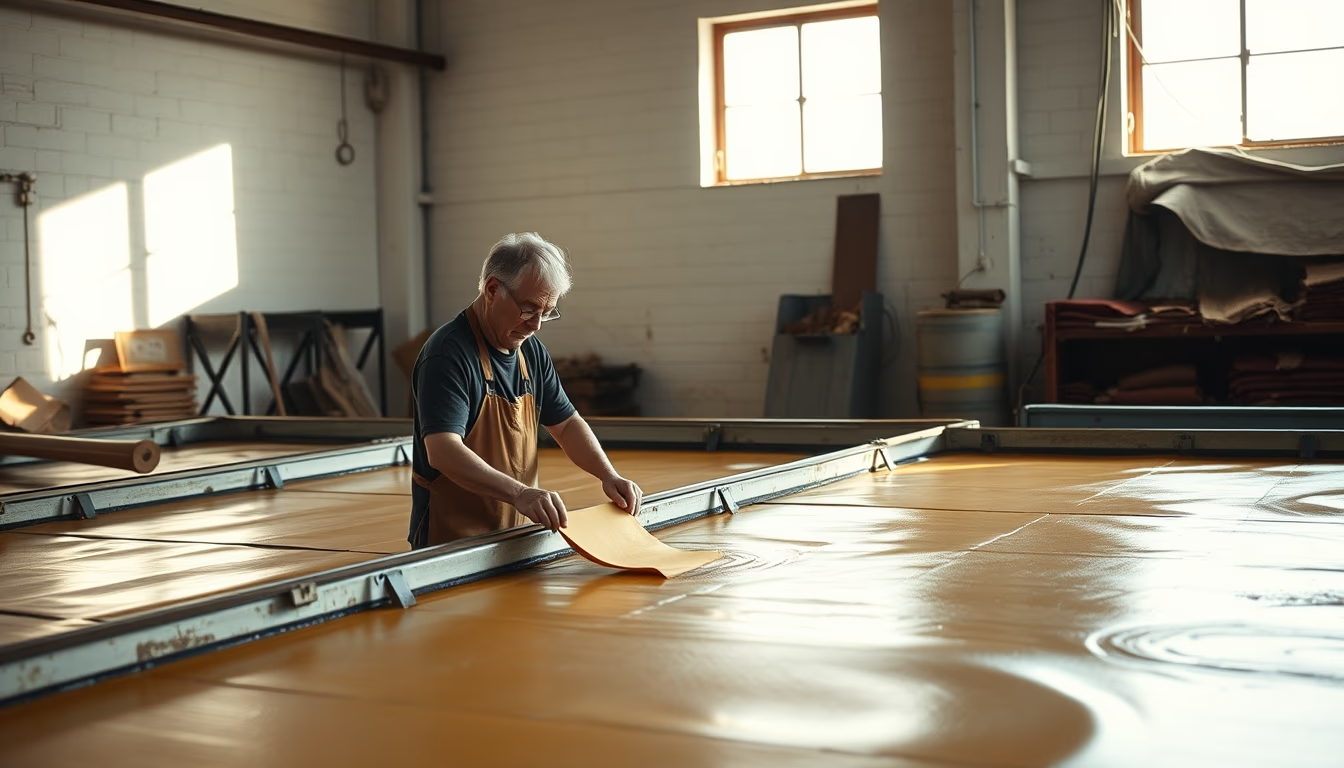
Leather skiving knife
1344×768 · AVIF · CC BY 4.0
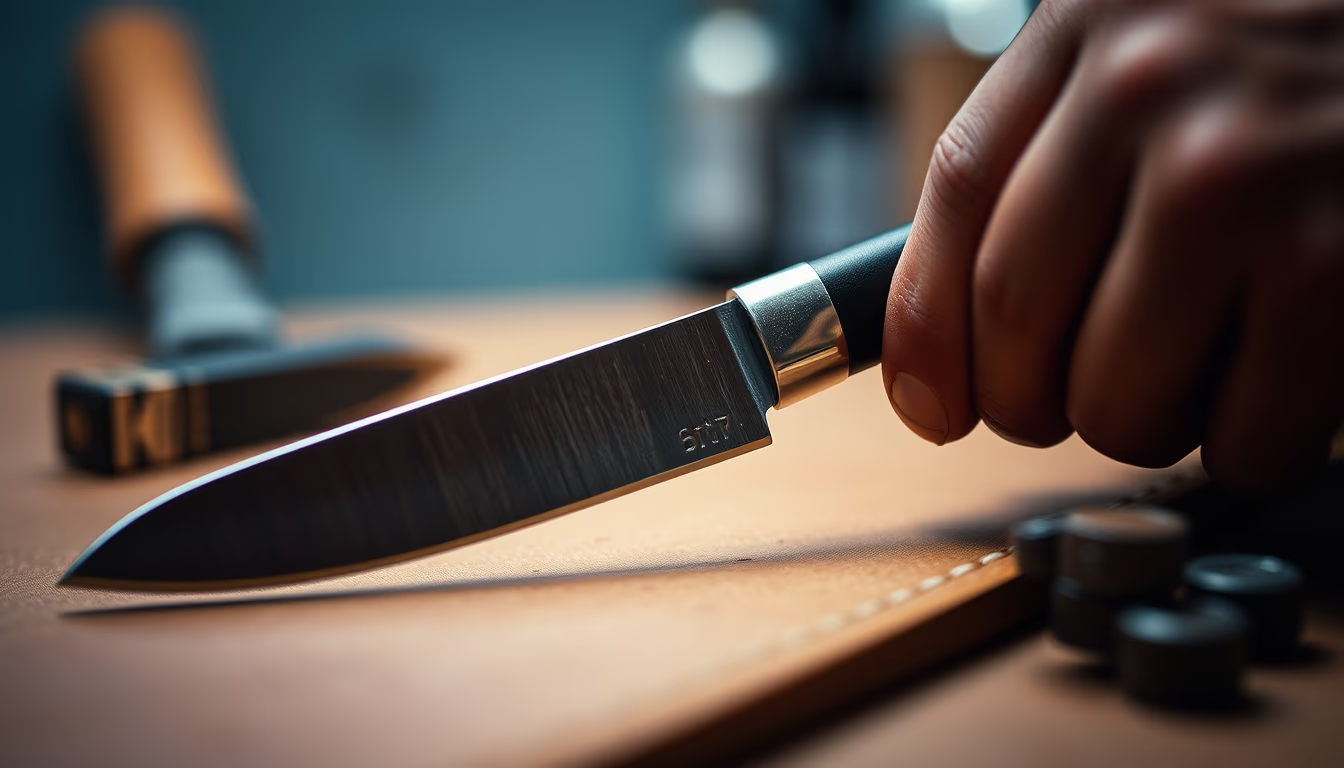
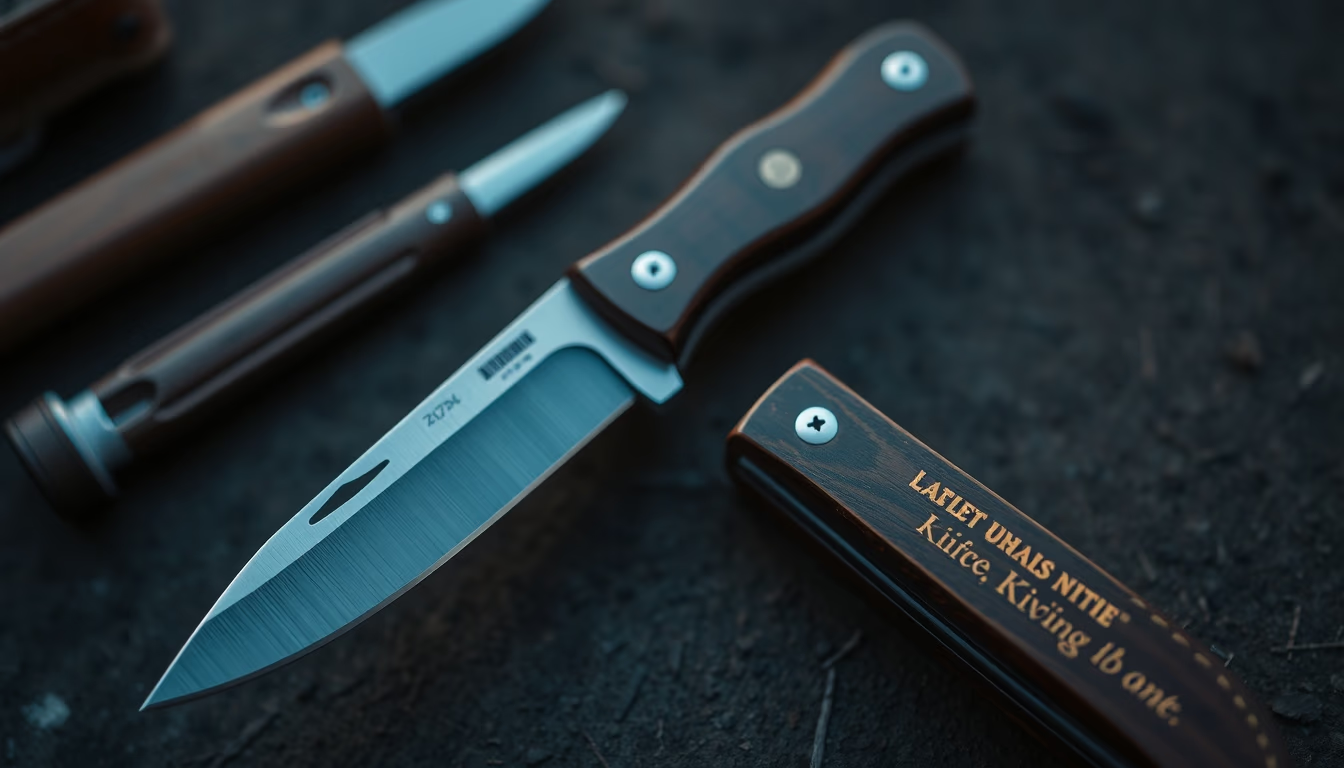
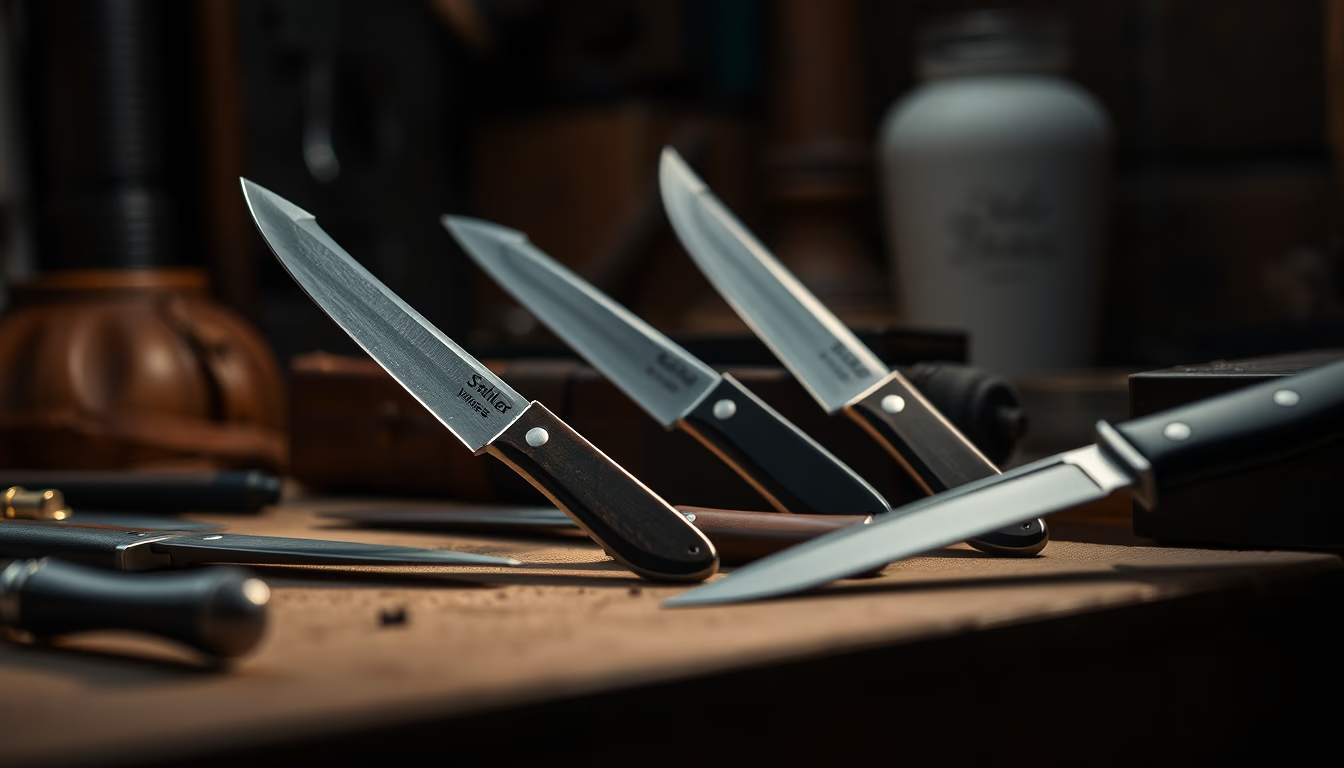
Leather skiving knife, an essential tool for thinning edges and preparing handcrafted leather pieces.
About this subject
The leather skiving knife, also known as a skiver or thinning knife, is a fundamental tool in handcrafted leatherworking. Its primary purpose is to reduce the thickness of leather edges, allowing for precise folds, smooth seams, and a professional finish on belts, wallets, and bags. Unlike ordinary knives, the blade is extremely sharp and has a specific shape, usually straight or slightly curved, with a beveled edge on one side. The handle can be made of wood, bone, or synthetic materials, designed to provide full control during cutting.
There are several regional varieties of skiving knives. The French skiver, for example, has a wide, straight blade, ideal for skiving on flat surfaces. The Japanese skiving knife features a thinner, curved blade, perfect for detailed work and concavities. The choice depends on the craftsman's technique and the type of leather, such as cowhide, chrome-tanned, or vegetable-tanned leather. Sharpening is critical: a dull edge can tear the leather or produce uneven cuts, ruining the piece.
Historically, manual skiving dates back to ancient times, when tanners and saddlers used specialized knives. With industrialization, skiving machines emerged, but the hand tool remains preferred by artisans seeking control and customization. Interestingly, the term “skive” comes from Old Norse “skifa”, meaning to cut into thin slices. Besides leather, similar knives are used for other materials like rubber and felt.
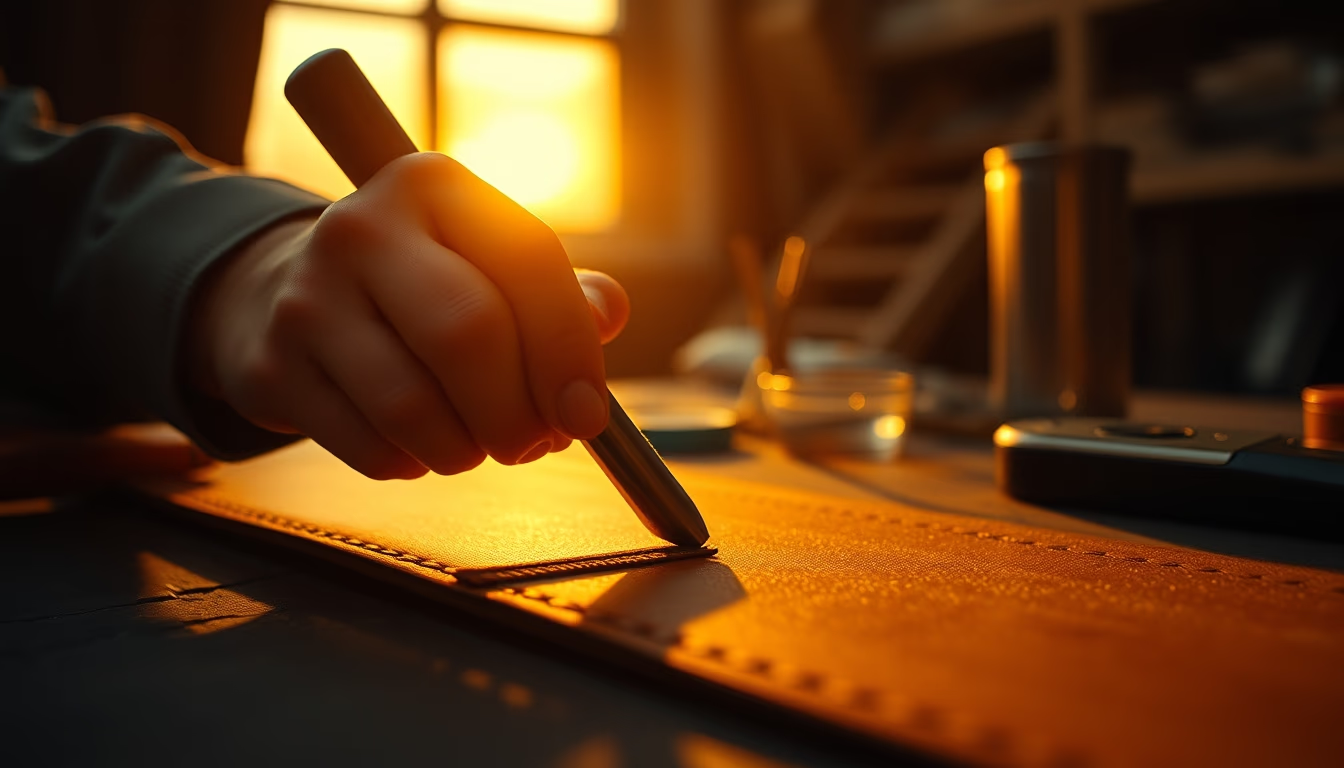
In contemporary leathercraft, the skiving knife is indispensable for techniques such as edge creasing, applying reinforcements, and creating folds in corners. Proper use reduces material buildup at seams and improves the final product's durability. Craftsmen often work on a glass or granite cutting board to preserve the blade's edge longer.
Frequently Asked Questions
How to use a skiving knife correctly?
Hold the knife with the bevel facing away from the leather, resting the handle in your palm. With the other hand, stretch the leather piece and slide the blade at a shallow angle (about 10 to 20 degrees) to remove thin layers. Always use long, continuous strokes; never saw.
What is the difference between a skiving knife and a shoemaker's knife?
A skiving knife is specifically designed for thinning edges with precision, featuring a thin blade and a very sharp edge. A shoemaker's knife (or sole knife) has a thicker, curved blade used for cutting soles and heavy pieces, not for delicate thinning.
How to sharpen a skiving knife?
Use water stones (800 to 6000 grit) or diamond paste. Maintain the original bevel angle (usually 15 to 20 degrees). Pass the blade across the stone with unidirectional strokes, starting with coarse grit and finishing with fine grit. Test sharpness on a leather scrap.
Direct URL
https://pub-c7d6a6ea828543ac903a74a341ccb2e1.r2.dev/imagens/leather-skiving-knife-tilt-shift-miniature-fresh13.avifHow to credit
Include a visible link back to UtilizAí. Copy one of the snippets below:
<a href="https://xn--utiliza-eza.com/en/midia/imagens/leather-skiving-knife-tilt-shift-miniature-fresh13">Leather skiving knife</a> by <a href="https://xn--utiliza-eza.com">UtilizAí</a>, licensed under <a href="https://creativecommons.org/licenses/by/4.0/">CC BY 4.0</a>.
[Leather skiving knife](https://xn--utiliza-eza.com/en/midia/imagens/leather-skiving-knife-tilt-shift-miniature-fresh13) by [UtilizAí](https://xn--utiliza-eza.com), CC BY 4.0
License: CC-BY-4.0