Leather skiving knife
1344×768 · AVIF · CC BY 4.0
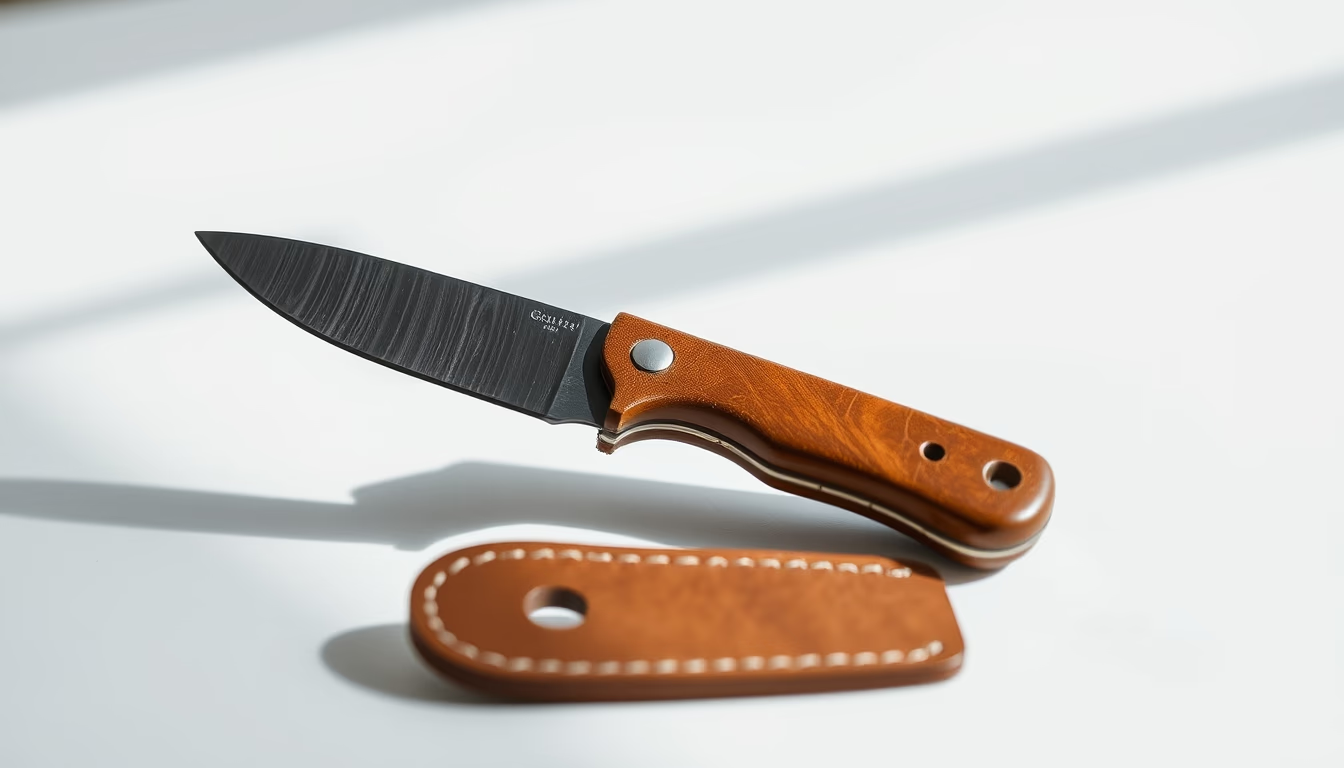
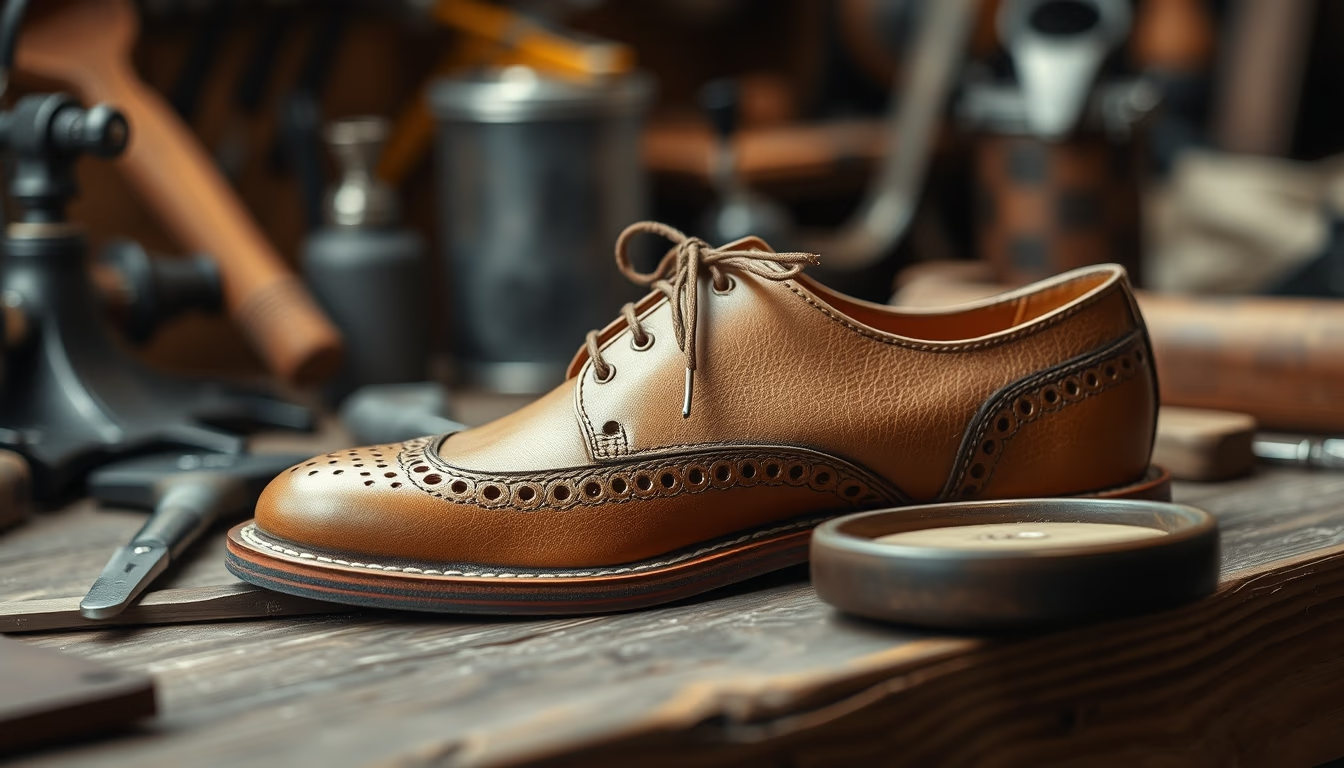
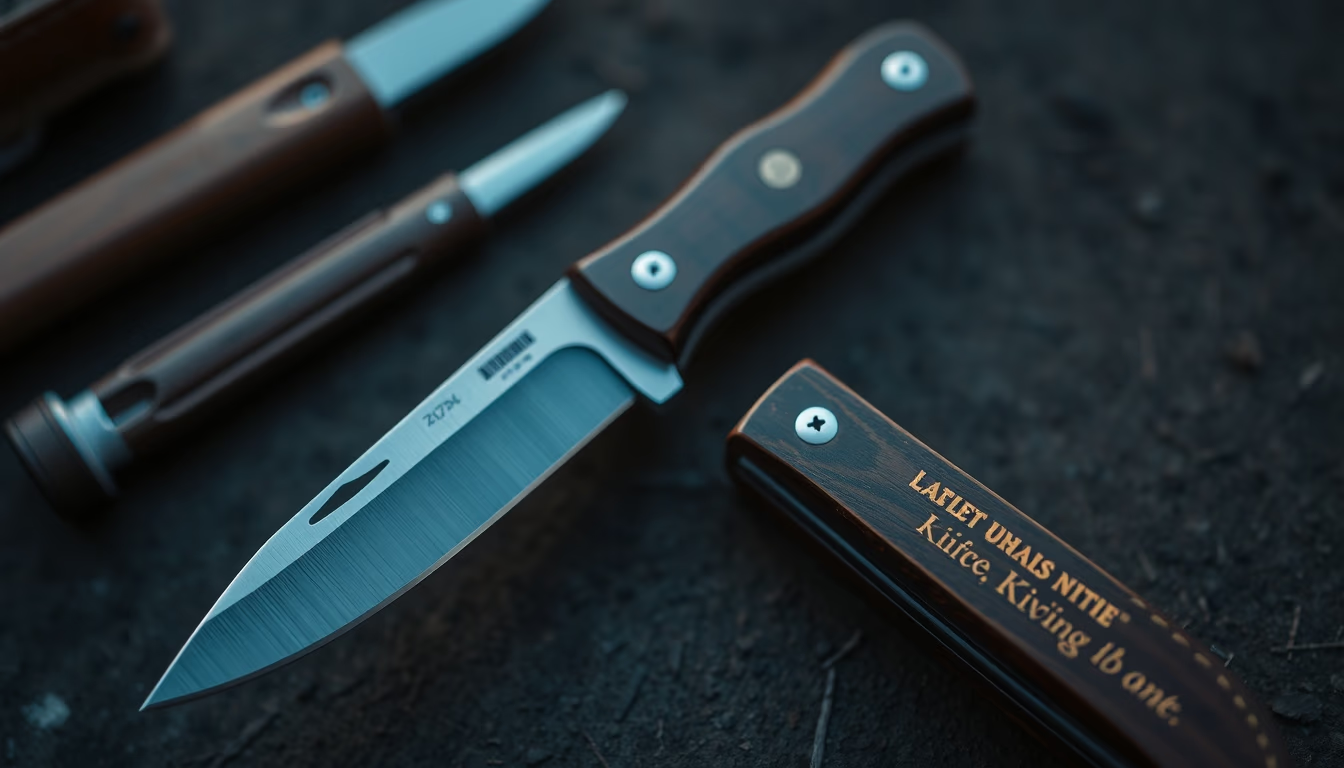
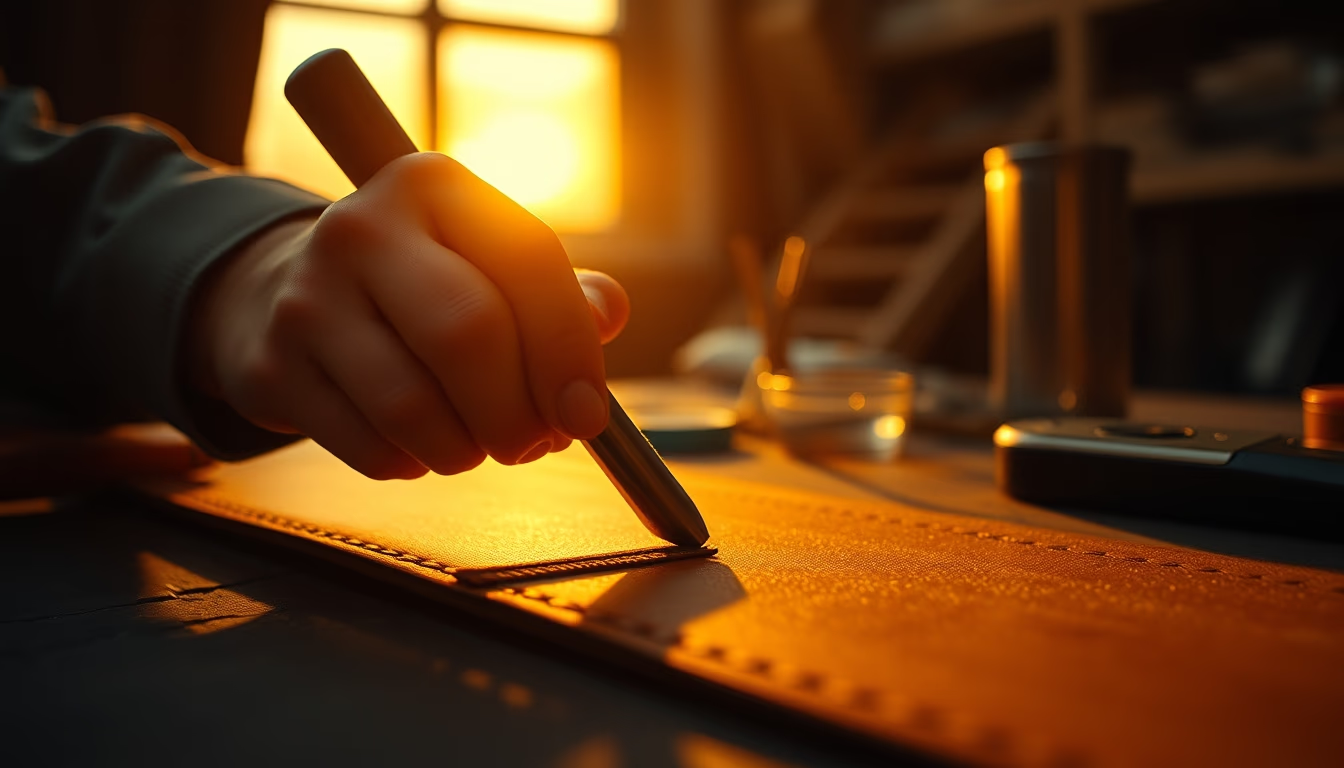
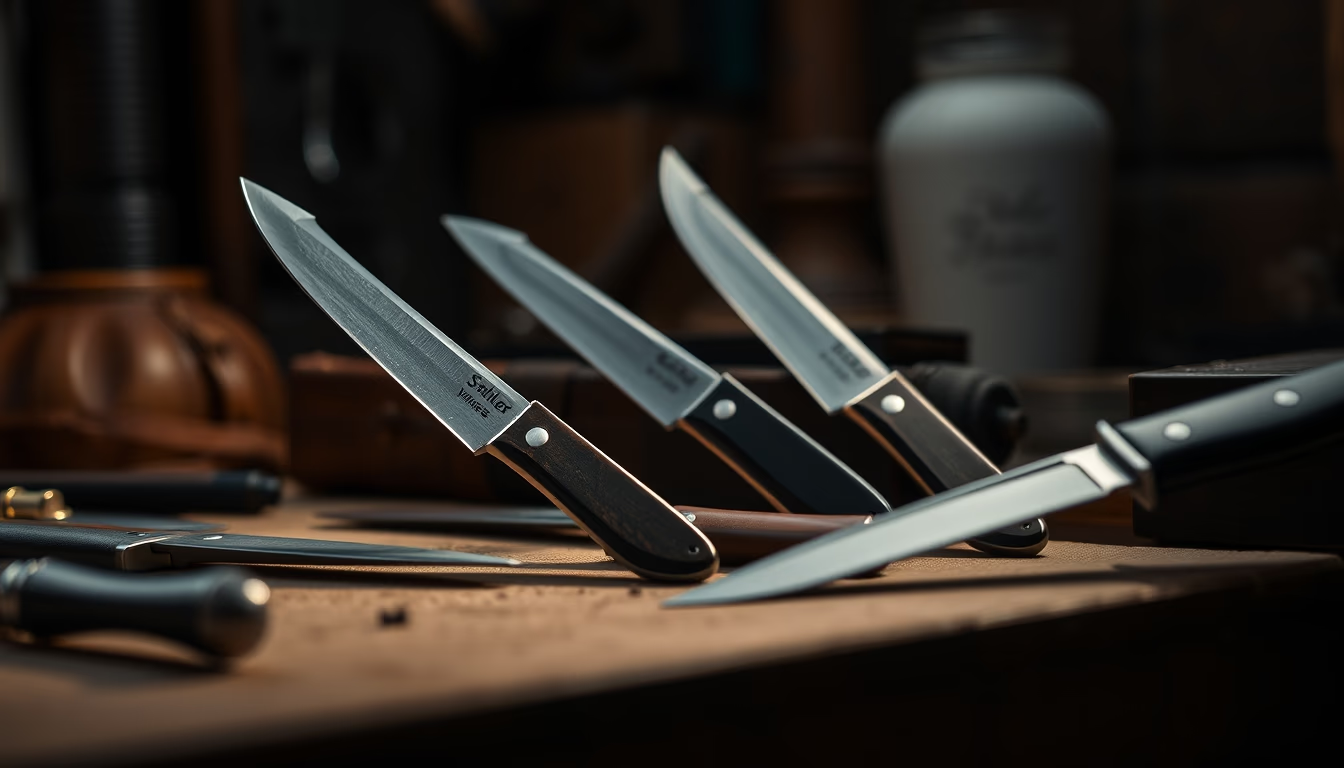
Leather skiving knife, an essential tool in leathercraft, used to thin edges and reduce thickness with precision.
About this subject
The leather skiving knife, also known as a skiving knife or paring knife, is a hand tool used by leathercrafters and shoemakers to reduce the thickness of leather in specific areas, such as edges and folds. Unlike other knives, its blade is beveled and extremely sharp, allowing controlled and uniform cuts. Variations include the Japanese skiving knife (kamikiri) and the French skiving knife, each with specific cutting angles.
The skiving process is essential in bookbinding, bag making, belt crafting, and footwear. By removing thin layers, it prevents excessive bulk at seams and folds, ensuring a professional finish. The technique requires practice: the artisan holds the knife at a low angle to the leather and pulls the blade towards the body with steady, continuous strokes.
Historically, manual skiving was done with straight or curved blades, but the modern skiving knife typically features a crescent or hook-shaped blade. Maintaining the edge is critical; many artisans sharpen the blade with water stones or diamond abrasives. Carbon steel is preferred for ease of sharpening, but stainless steels are also used.
Interestingly, in medieval Europe, cobblers used similar knives to skive leather soles, and the technique evolved over time. Today, electric skiving machines exist, but the hand knife is still valued for its control and silence.
Frequently Asked Questions
What is the difference between a skiving knife and a utility knife?
A skiving knife has a beveled, very sharp blade designed for thin, controlled cuts on leather. A utility knife is better for straight cuts and tearing, but does not offer the same precision for edge thinning.
How to maintain the edge of a skiving knife?
Use water stones or diamond abrasives, maintaining the original blade angle. Frequency depends on use, but the knife should always be sharp to avoid tearing the leather.
Why is skiving leather important?
Skiving reduces leather thickness in specific areas, preventing excessive bulk at seams and folds, ensuring a smooth, professional finish in bags, belts, shoes, and bookbinding.
Direct URL
https://pub-c7d6a6ea828543ac903a74a341ccb2e1.r2.dev/imagens/leather-skiving-knife-minimalist-composition-fresh0.avifHow to credit
Include a visible link back to UtilizAí. Copy one of the snippets below:
<a href="https://xn--utiliza-eza.com/en/midia/imagens/leather-skiving-knife-minimalist-composition-fresh0">Leather skiving knife</a> by <a href="https://xn--utiliza-eza.com">UtilizAí</a>, licensed under <a href="https://creativecommons.org/licenses/by/4.0/">CC BY 4.0</a>.
[Leather skiving knife](https://xn--utiliza-eza.com/en/midia/imagens/leather-skiving-knife-minimalist-composition-fresh0) by [UtilizAí](https://xn--utiliza-eza.com), CC BY 4.0
License: CC-BY-4.0