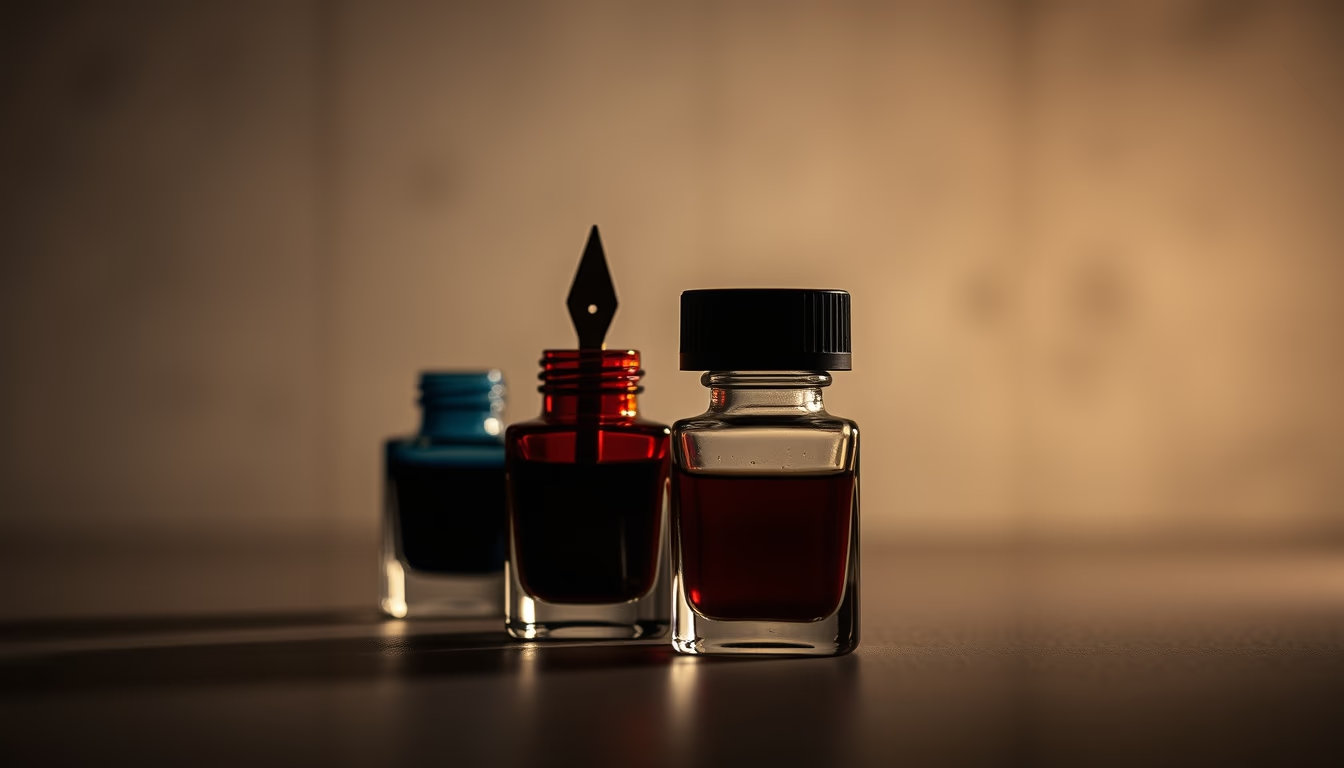
Leather journal travel
1344×768 · AVIF · CC BY 4.0

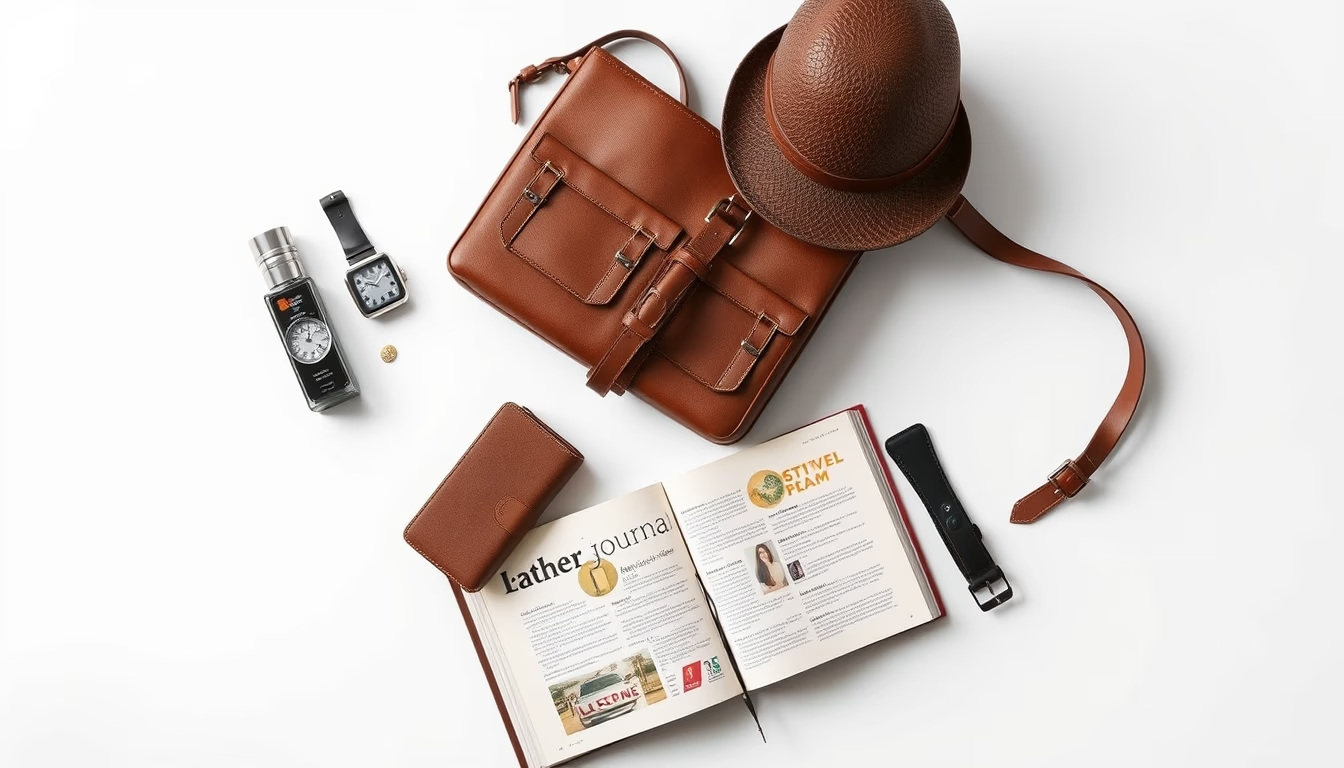
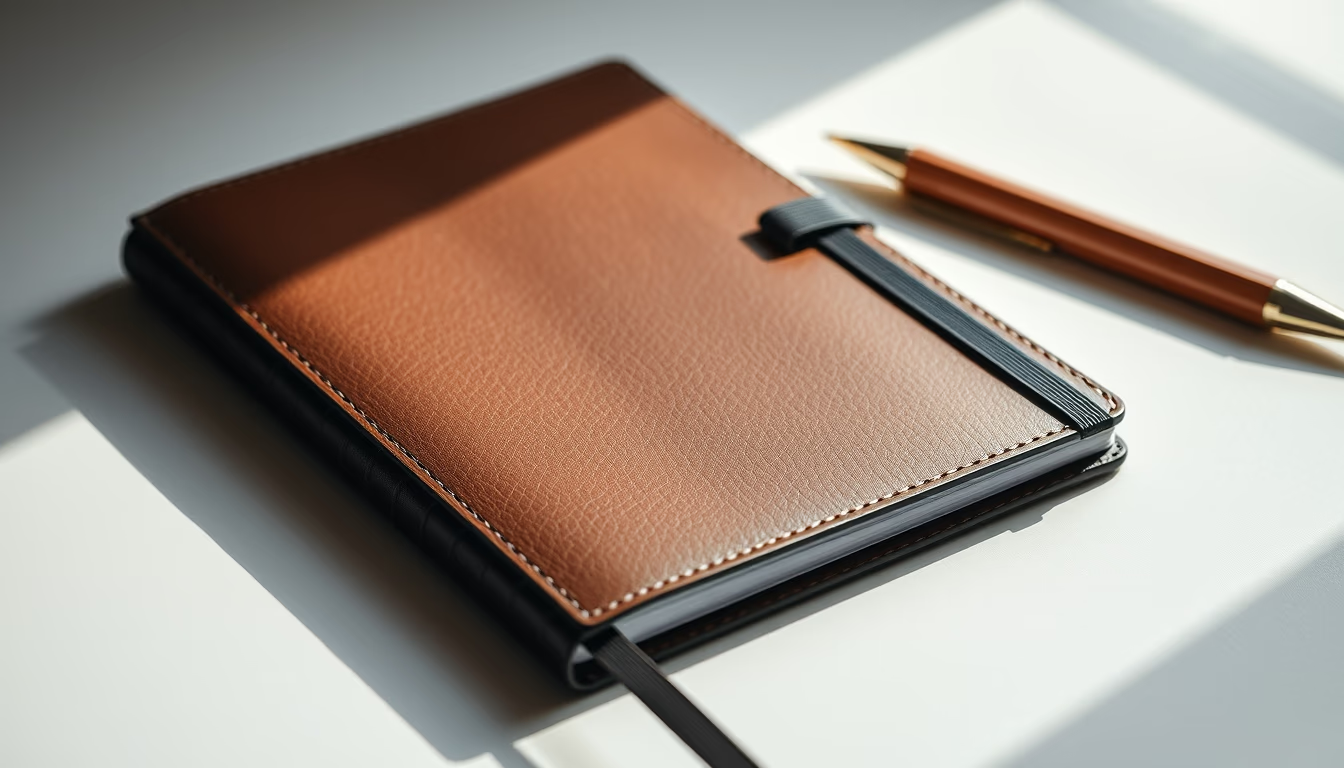
Leather travel journals combine artisanal craftsmanship and functionality, serving as ideal companions for recording experiences and reflections during journeys around the world.
About this subject
Leather travel journals are stationery items that have gained popularity among travelers, writers, and artists for their durability and timeless aesthetic. Typically made from vegetable-tanned leather, these journals age with use, developing a unique patina that reflects their owner's experiences. Leather, used for centuries in bookbinding, provides superior protection to pages against weather and wear, ideal for frequent travelers.
The use of leather journals for recording travels dates back to explorers like Charles Darwin and naturalists of the 19th century, who relied on these instruments for field observations. Today, brands such as Moleskine, Leuchtturm, and independent artisans produce versions with elastic closures, inner pockets, and special-weight papers suitable for pen and watercolor. Paper choice, lined, dotted, or blank, depends on the purpose: writing, drawing, or collage of mementos.
In Brazil, leather craftsmanship is a tradition in states like Rio Grande do Sul and Ceará, where tanneries and small workshops produce journals with locally sourced leather covers. These products emphasize national raw materials and manual labor, resulting in unique pieces. Beyond utility, the leather journal carries symbolism of introspection and emotional memory; travelers often dedicate pages to personal reflections, addresses of visited places, and sketches inspired by the landscape.
Interestingly, keeping a travel diary is associated with psychological benefits such as improved memory retention and reduced stress. The texture of leather and the act of handwriting create a sensory experience that technology cannot replace. For collectors, the rarity of handmade covers or limited editions with embossed details and custom closures makes each journal a coveted object.
Frequently Asked Questions
What is the difference between vegetable-tanned and chrome-tanned leather journals?
Vegetable-tanned leather uses natural plant tannins, offering greater durability and the ability to develop a patina over time. Chrome-tanning is faster and cheaper, resulting in softer leather but with less resistance and no significant patina evolution.
How should I care for a leather journal while traveling?
Avoid prolonged sun or heavy rain exposure; clean with a dry cloth. For stains, use diluted mild soap and dry in the shade. Store in a ventilated place; if leather dries out, apply a specific leather conditioner (like beeswax balm) sparingly.
What does 'patina' mean for a leather journal?
Patina is the natural aging process of leather, which darkens and gains deeper tones and a soft sheen through use and exposure. Each journal develops a unique patina, personalized by handling and environment, making it a one-of-a-kind item.
Direct URL
https://pub-c7d6a6ea828543ac903a74a341ccb2e1.r2.dev/imagens/leather-journal-travel-high-fashion-editorial-fresh0.avifHow to credit
Include a visible link back to UtilizAí. Copy one of the snippets below:
<a href="https://xn--utiliza-eza.com/en/midia/imagens/leather-journal-travel-high-fashion-editorial-fresh0">Leather journal travel</a> by <a href="https://xn--utiliza-eza.com">UtilizAí</a>, licensed under <a href="https://creativecommons.org/licenses/by/4.0/">CC BY 4.0</a>.
[Leather journal travel](https://xn--utiliza-eza.com/en/midia/imagens/leather-journal-travel-high-fashion-editorial-fresh0) by [UtilizAí](https://xn--utiliza-eza.com), CC BY 4.0
License: CC-BY-4.0