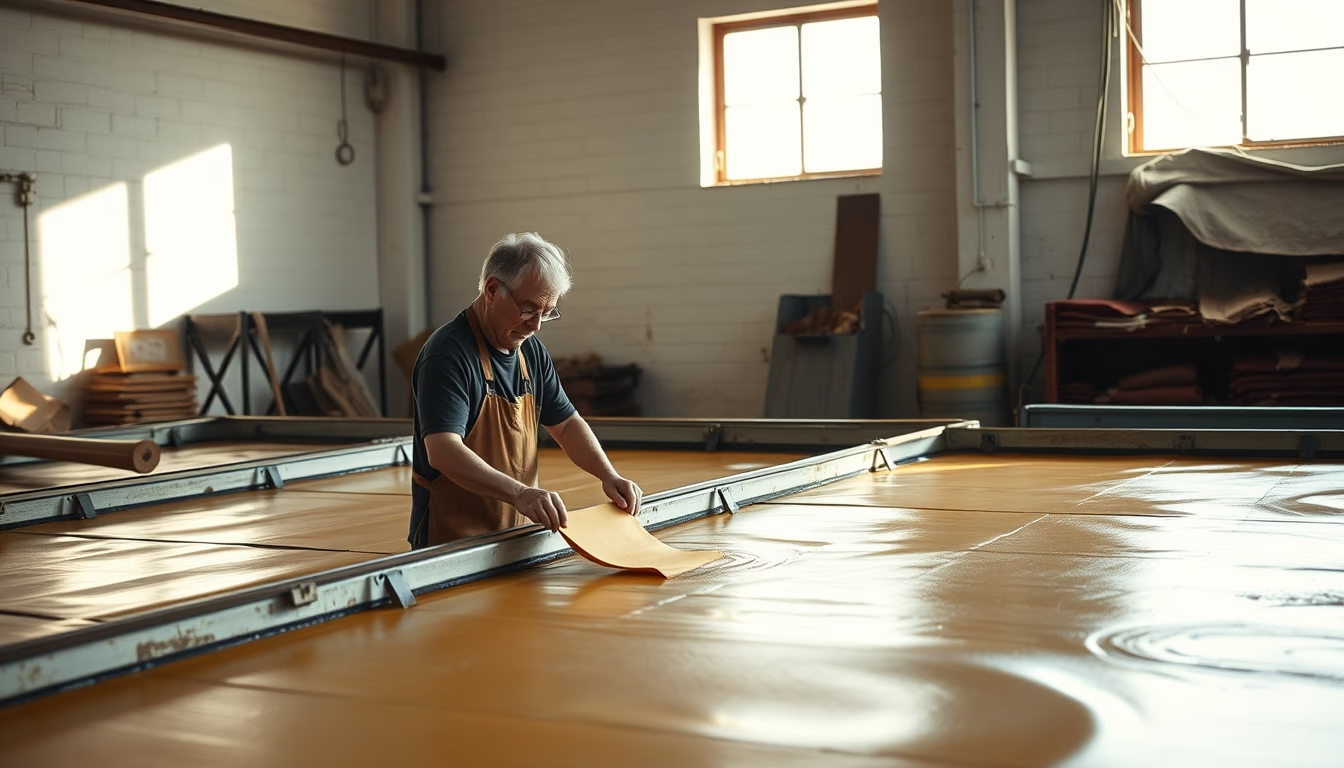
Leather embossing tools
1344×768 · AVIF · CC BY 4.0
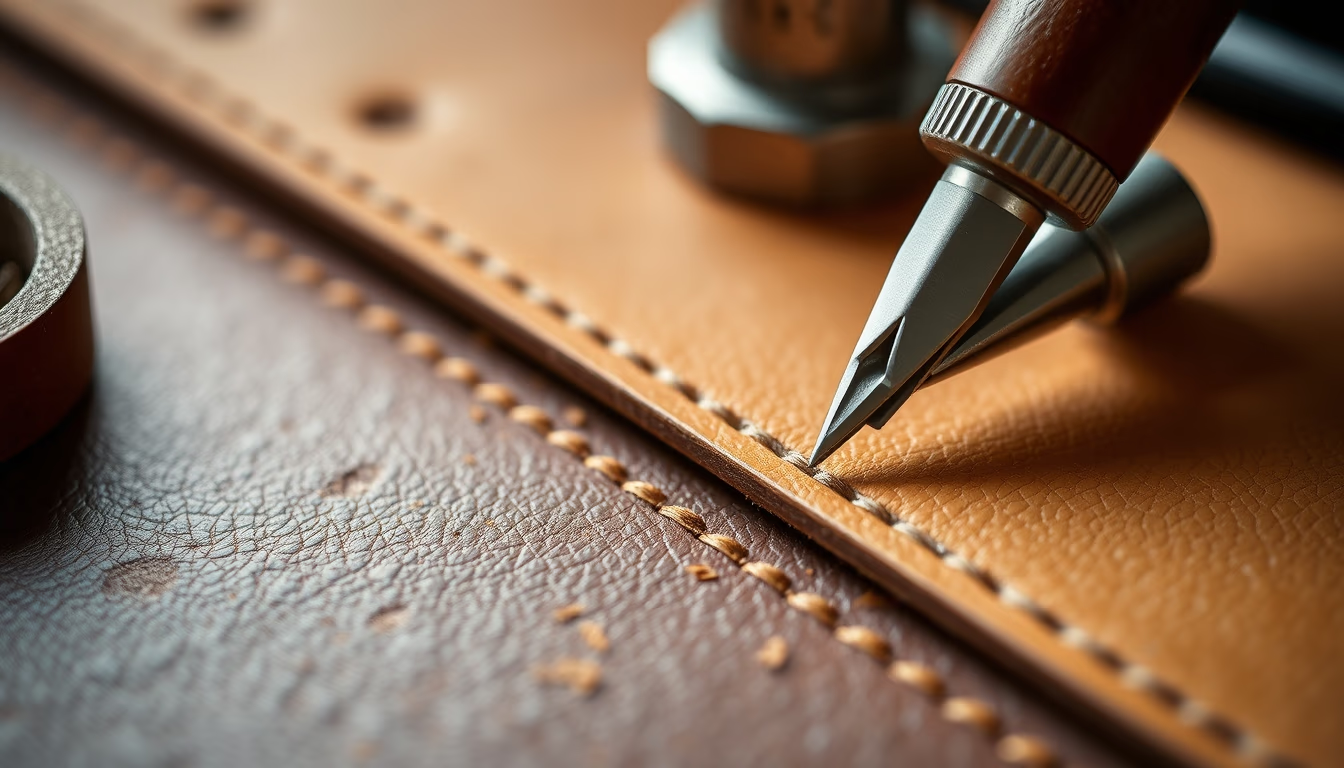
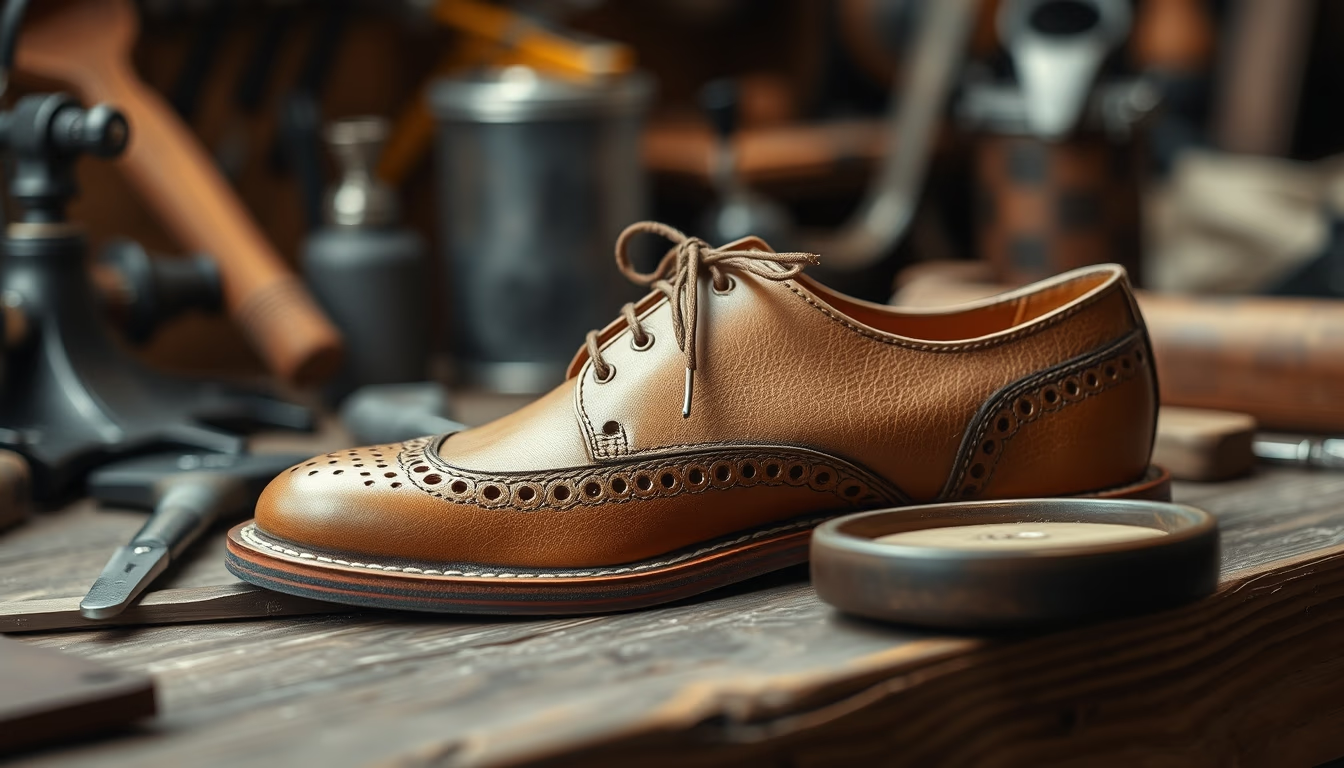
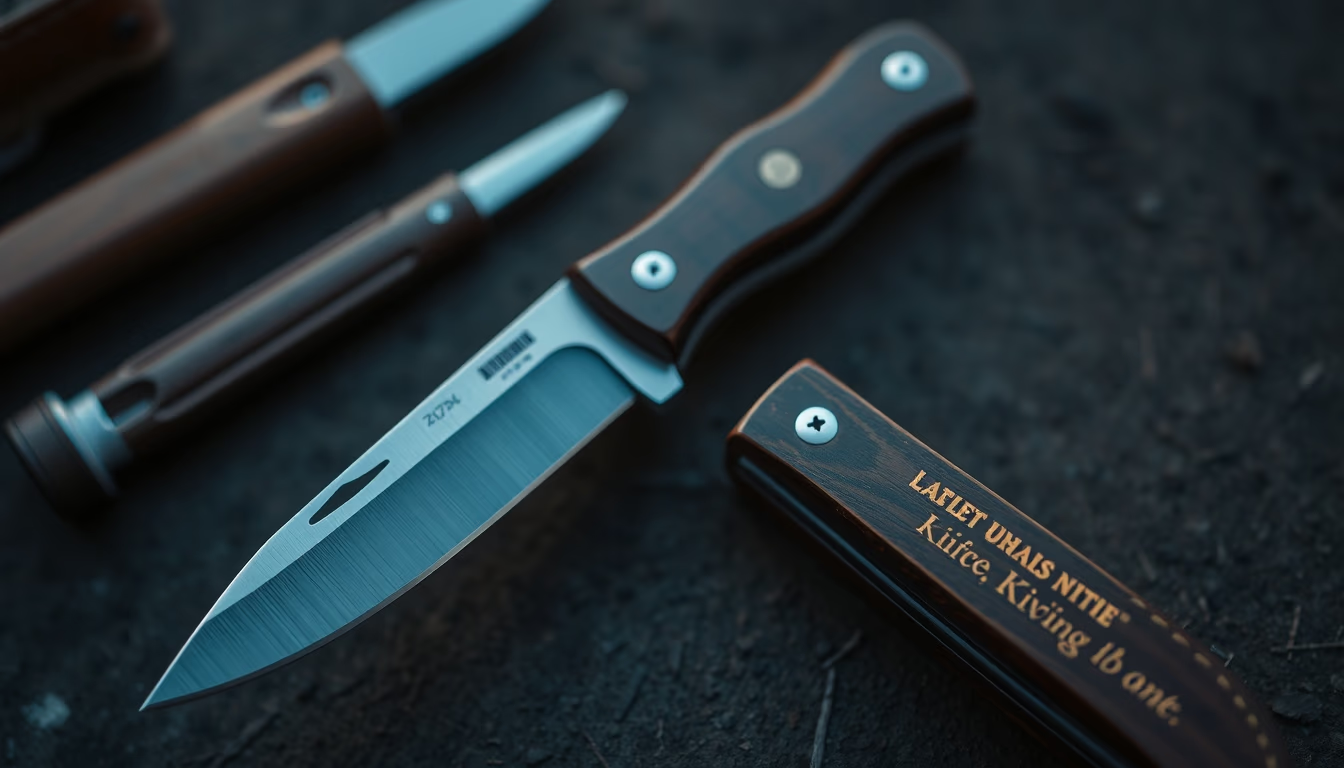
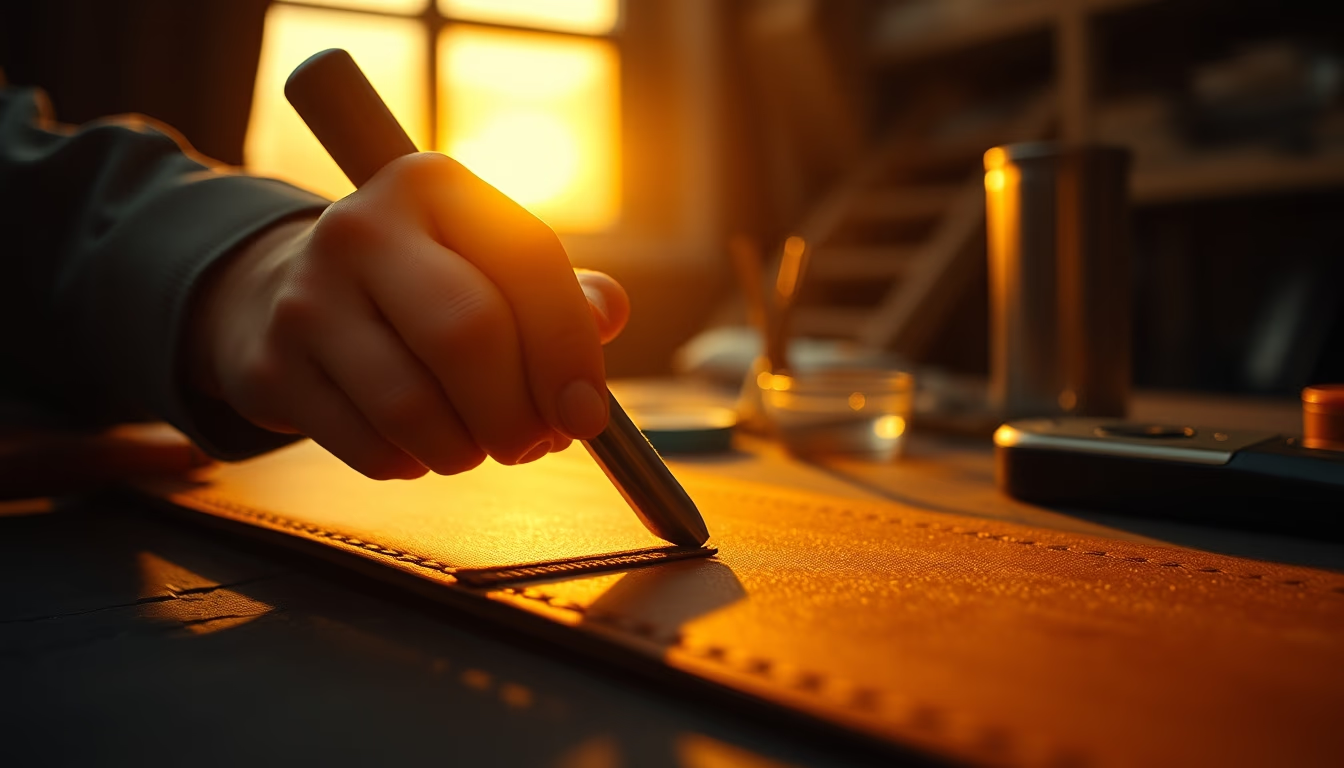
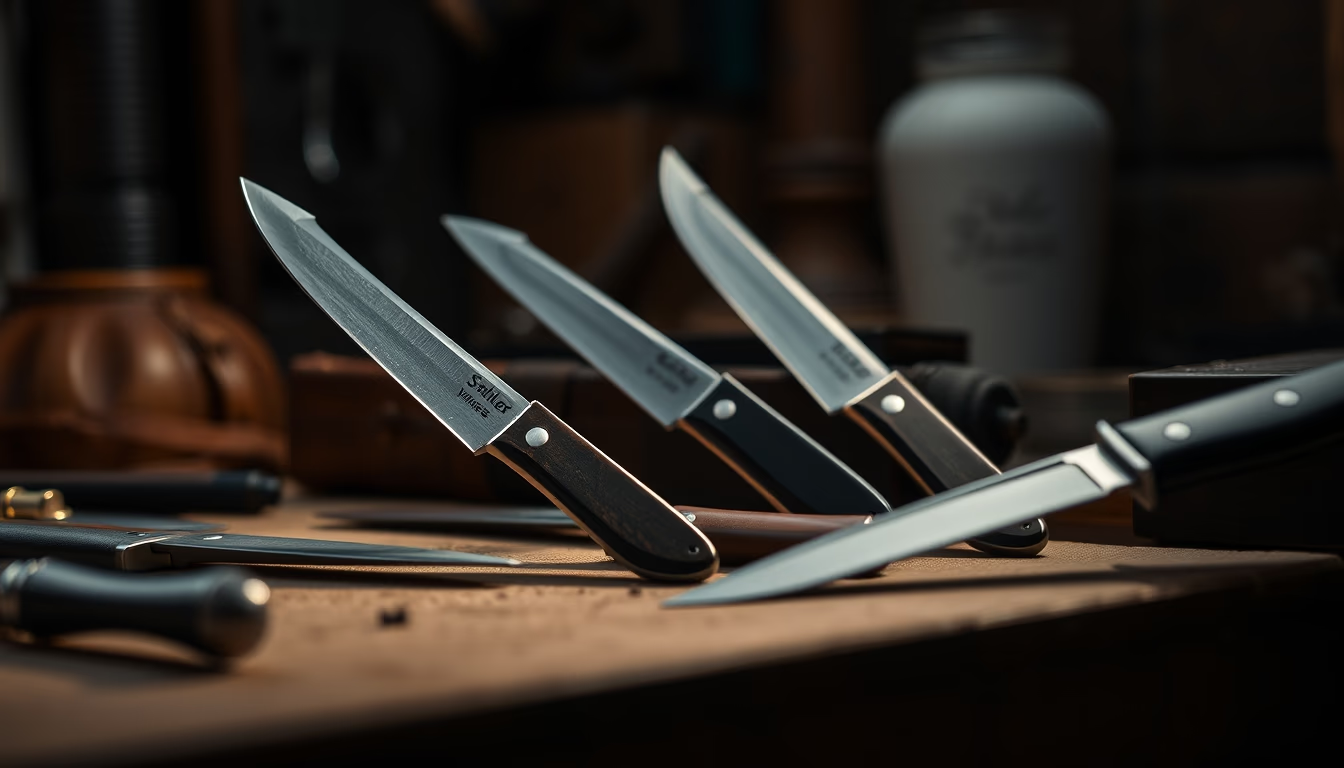
Leather embossing tools, such as stamps and mallets, are essential for creating raised patterns and textures in leathercraft.
About this subject
Leather embossing tools encompass a range of hand instruments used to stamp, carve, and texture leather surfaces. The most common are metal or wooden stamps with raised designs at the tip, struck with a special mallet to transfer the pattern onto the leather. Types include bevelers (to round edges), seeders (to create dots), and veiners (to make fine grooves). This technique, called embossing, is widely used to create belts, wallets, covers, and handmade leather accessories.
Historically, leather embossing dates back to the Middle Ages, when European artisans developed methods to decorate bookbindings and seals. In Brazil, leather craft has a strong tradition in the Northeast region, especially among cowboys (vaqueiros) in the production of saddles and harnesses. Modern tools include hydraulic presses and laser engraving machines, but hand tools remain favored for unique details and artisanal touch.
The choice of tool depends on the desired effect: geometric stamps create repeating patterns, while chisels allow continuous lines. The leather must be lightly dampened to facilitate imprinting, and the striking angle of the mallet influences the depth and sharpness of the relief. Practice is essential, as mastering force and precision distinguishes amateur from professional work.
Interestingly, many traditional tools are handmade by specialized blacksmiths, and each artisan develops their own collection over years. Embossing is also used to imitate textures like alligator skin or satin, expanding creative possibilities in leather design.
Frequently Asked Questions
What are the most common types of leather embossing tools?
The most common types include stamps such as bevelers, seeders, and veiners, along with mallets and hammers. Each serves a specific purpose to create reliefs, textures, or lines.
Do you need to dampen leather before embossing?
Yes, lightly dampening the leather with water or conditioner softens the fibers, making the impression easier and preventing cracks.
What is the difference between hand and laser embossing?
Hand embossing with traditional tools offers more artistic control and unique textures, while laser is faster and more precise for mass reproduction but lacks the handcrafted feel.
Direct URL
https://pub-c7d6a6ea828543ac903a74a341ccb2e1.r2.dev/imagens/leather-embossing-tools-tilt-shift-miniature-fresh5.avifHow to credit
Include a visible link back to UtilizAí. Copy one of the snippets below:
<a href="https://xn--utiliza-eza.com/en/midia/imagens/leather-embossing-tools-tilt-shift-miniature-fresh5">Leather embossing tools</a> by <a href="https://xn--utiliza-eza.com">UtilizAí</a>, licensed under <a href="https://creativecommons.org/licenses/by/4.0/">CC BY 4.0</a>.
[Leather embossing tools](https://xn--utiliza-eza.com/en/midia/imagens/leather-embossing-tools-tilt-shift-miniature-fresh5) by [UtilizAí](https://xn--utiliza-eza.com), CC BY 4.0
License: CC-BY-4.0