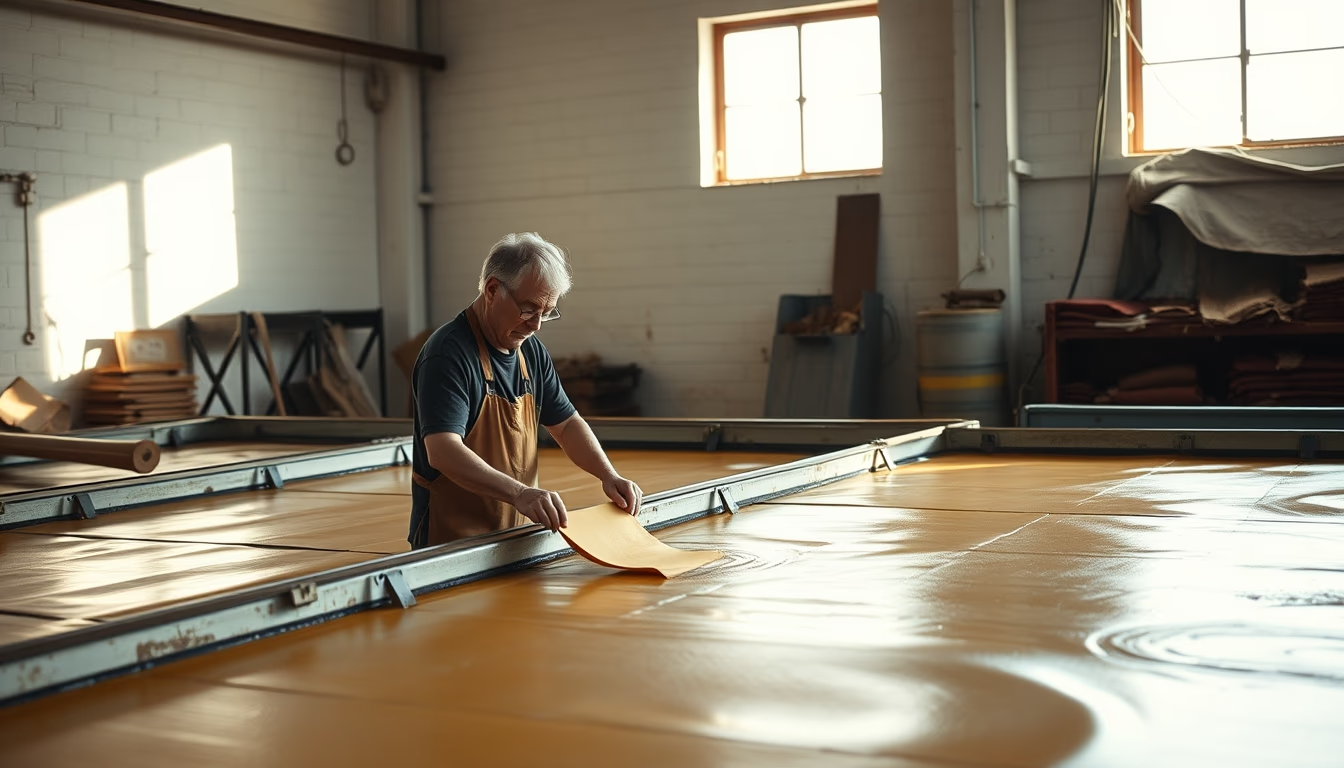
Leather embossing tools
1344×768 · AVIF · CC BY 4.0

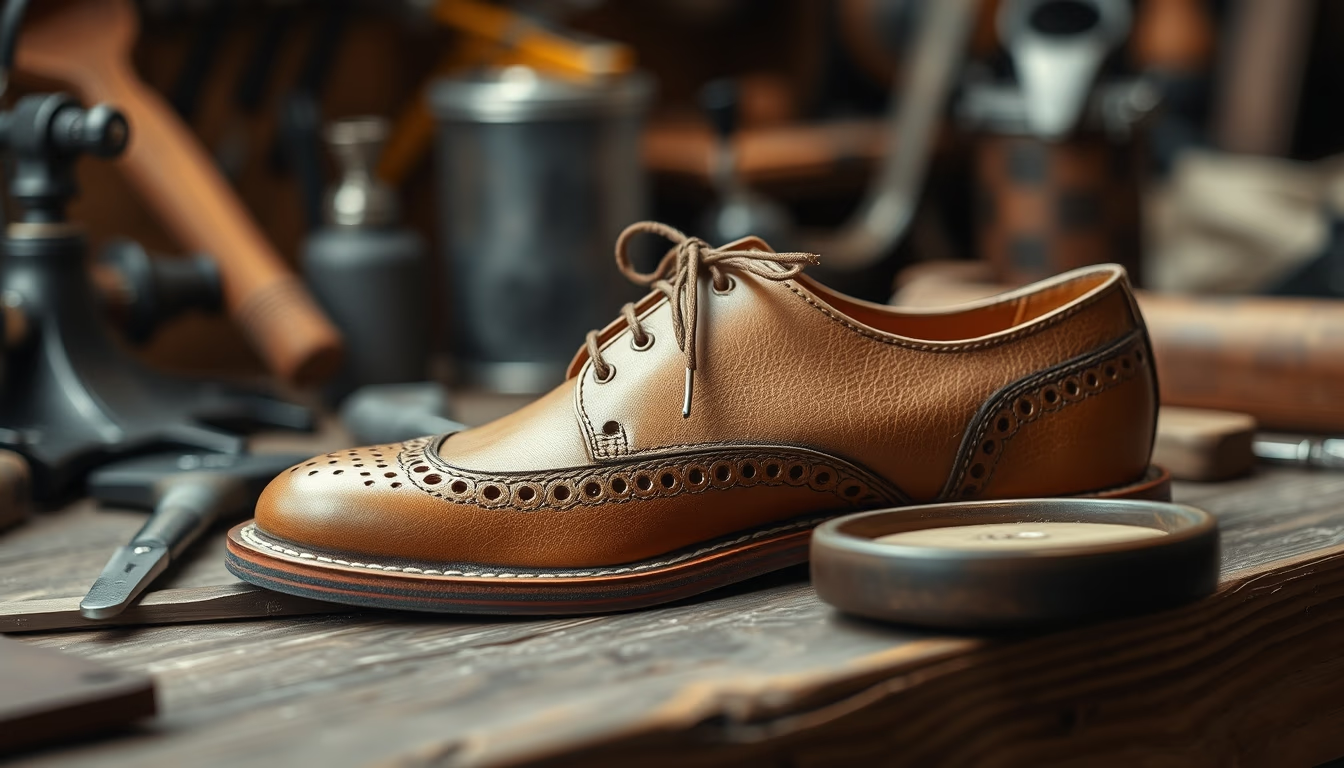
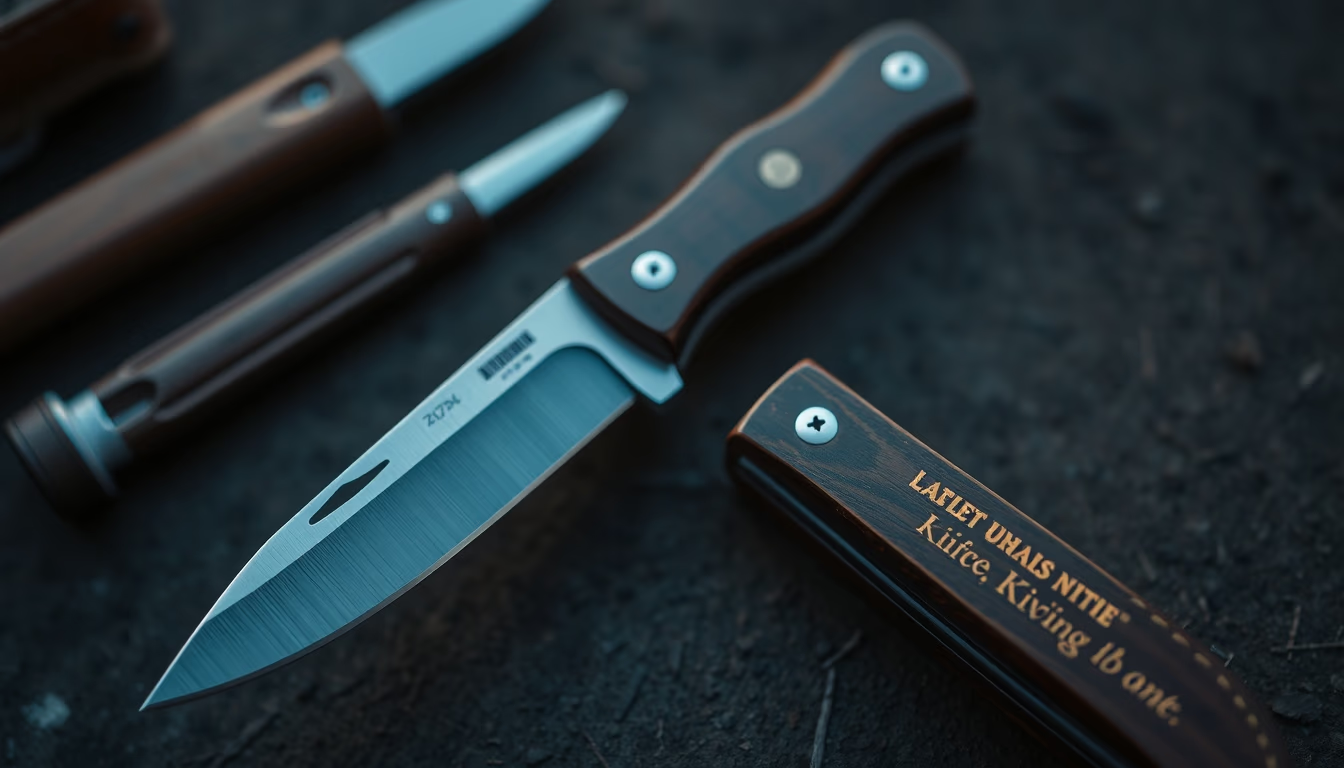
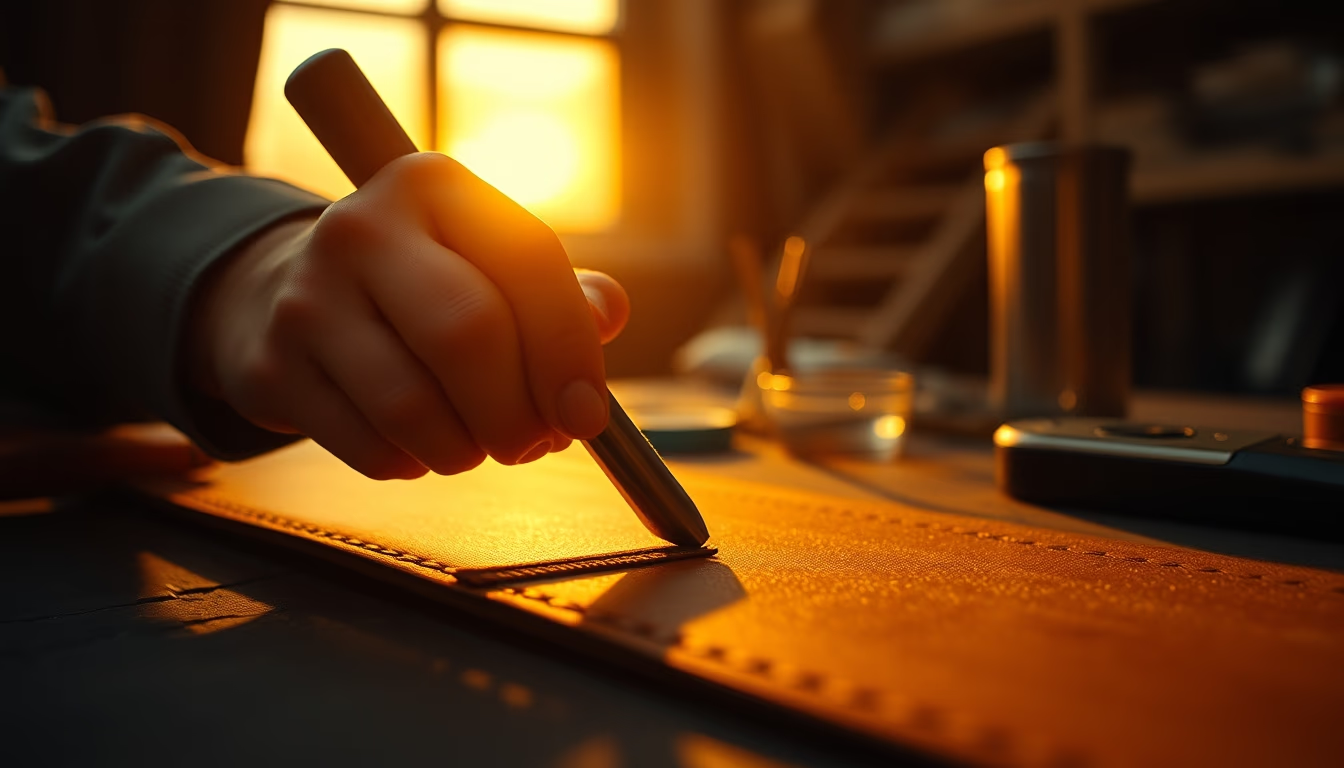
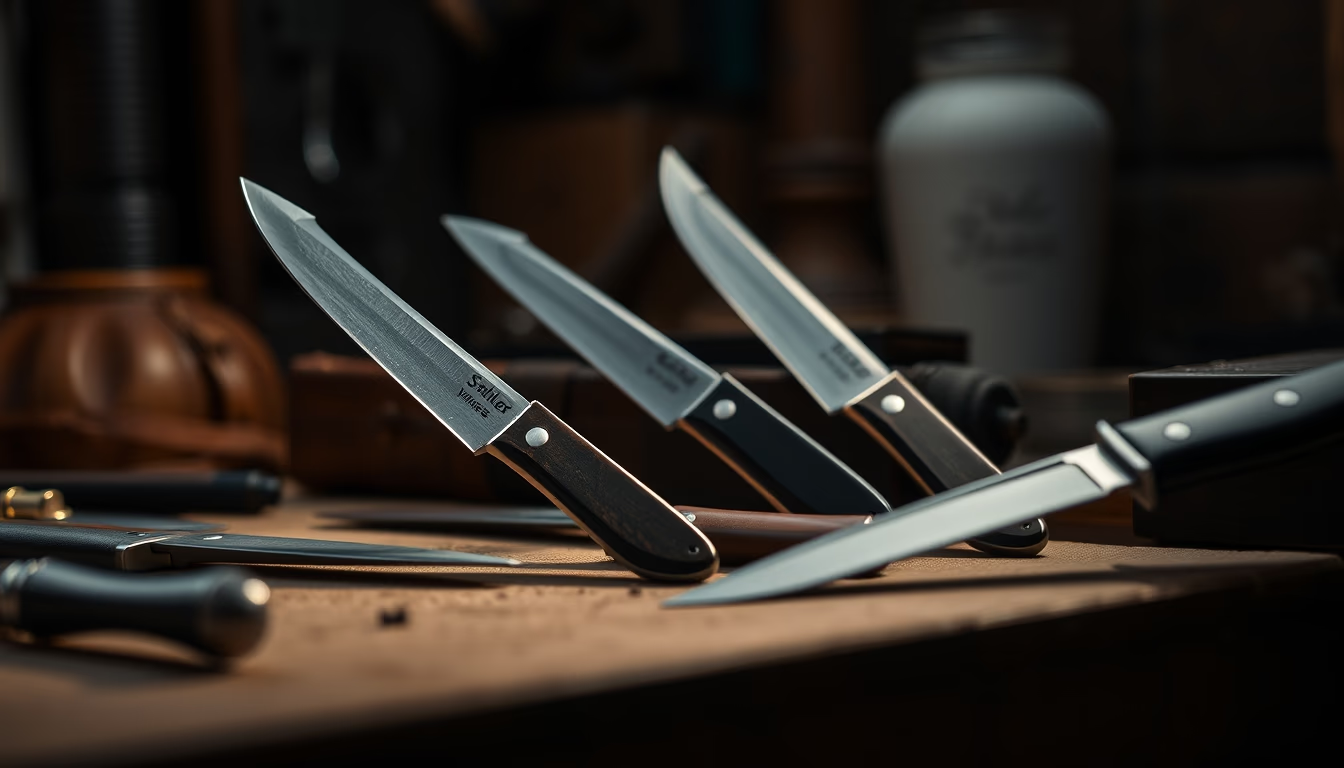
Leather embossing tools, including stamps and styluses, are essential for creating manual reliefs and textures in leathercraft.
About this subject
Leather embossing, also known as tooling or carving, is an ancient technique used to decorate leather surfaces. Basic tools include metal stamps (usually brass or steel), swivel knives with fine points, and mallets made of wood or nylon. Stamps have raised designs that transfer patterns when pressed onto dampened leather. Swivel knives allow precise cuts for outlines and details. Modeling spoons are used to smooth and add depth. The technique requires vegetable-tanned leather, which is more absorbent, and a casing process (moistening) to make it pliable. Globally, this craft is popular among hobbyists, scouts, and artisans creating personalized belts, wallets, and saddles. Historically, leather tooling dates back to ancient Egypt and medieval Europe, with distinct styles such as the intricate floral patterns of the Middle East or the geometric designs of Native American cultures. In Brazil, leather carving is traditional in the Northeast region, especially with goat leather, used in hats, bags, and saddles. Tool choice depends on the desired effect: geometric stamps for repetition, swivel knives for freehand drawing, and background stamps for texture. Proper maintenance includes cleaning with a dry cloth after use and storing in a dry place to prevent rust. Embossing not only enhances aesthetics but also adds value, representing a blend of manual skill and cultural heritage.
Frequently Asked Questions
What is the difference between leather carving and embossing?
Carving involves cutting into the leather surface, while embossing creates raised or recessed patterns by pressure alone, without cutting the fibers.
How to maintain leather embossing tools?
After use, wipe them clean with a dry cloth. Apply light oil to metal parts to prevent rust and store in a dry place, preferably in a case.
What type of leather is best for embossing?
Vegetable-tanned leather is ideal because it absorbs moisture well and holds its shape after drying, making the embossed designs permanent.
Direct URL
https://pub-c7d6a6ea828543ac903a74a341ccb2e1.r2.dev/imagens/leather-embossing-tools-long-exposure-fresh2.avifHow to credit
Include a visible link back to UtilizAí. Copy one of the snippets below:
<a href="https://xn--utiliza-eza.com/en/midia/imagens/leather-embossing-tools-long-exposure-fresh2">Leather embossing tools</a> by <a href="https://xn--utiliza-eza.com">UtilizAí</a>, licensed under <a href="https://creativecommons.org/licenses/by/4.0/">CC BY 4.0</a>.
[Leather embossing tools](https://xn--utiliza-eza.com/en/midia/imagens/leather-embossing-tools-long-exposure-fresh2) by [UtilizAí](https://xn--utiliza-eza.com), CC BY 4.0
License: CC-BY-4.0