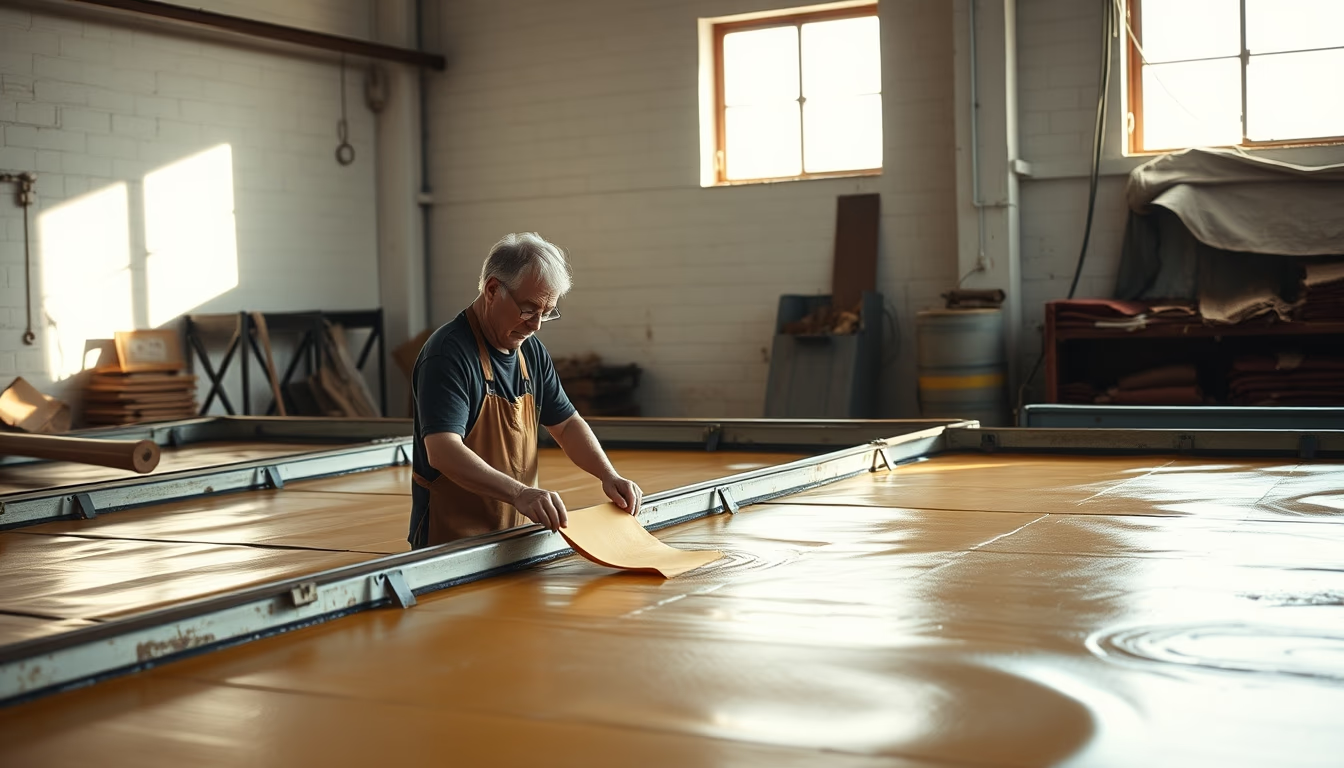
Leather embossing tools
1344×768 · AVIF · CC BY 4.0

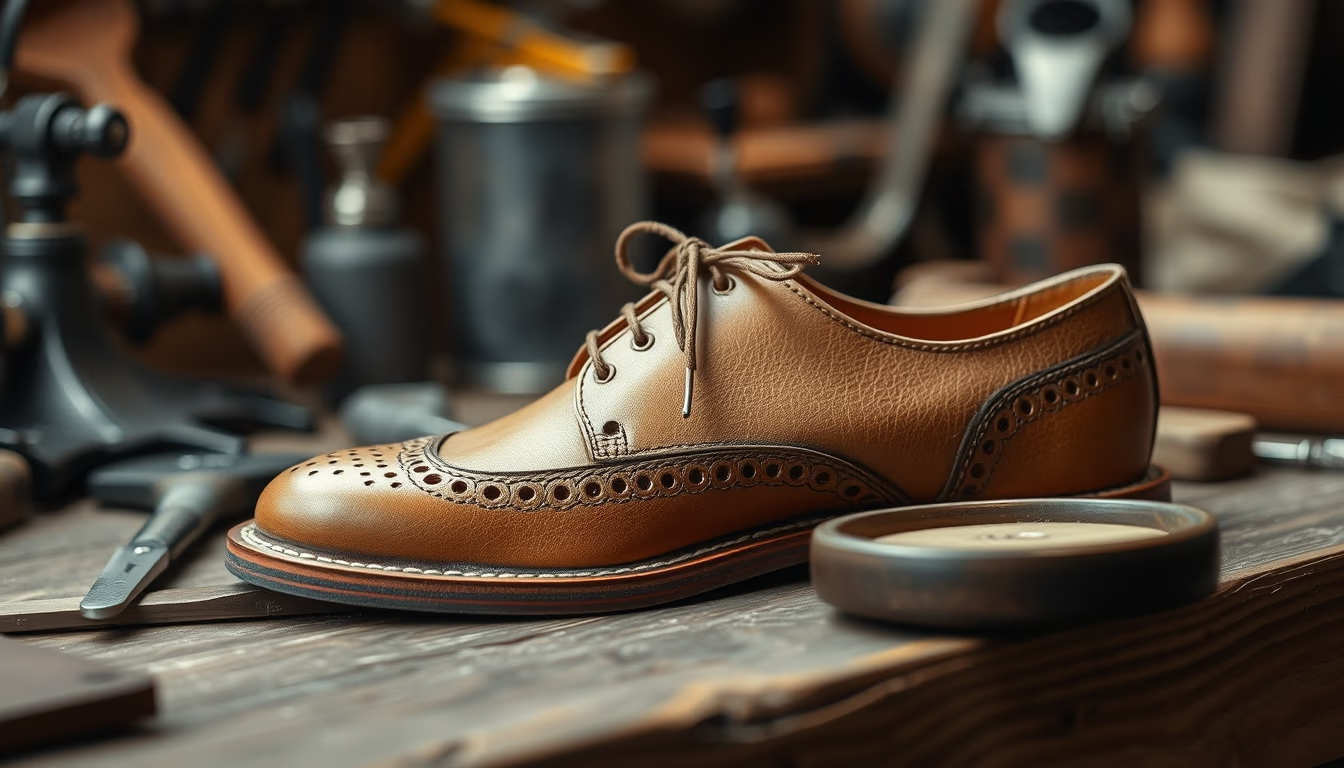
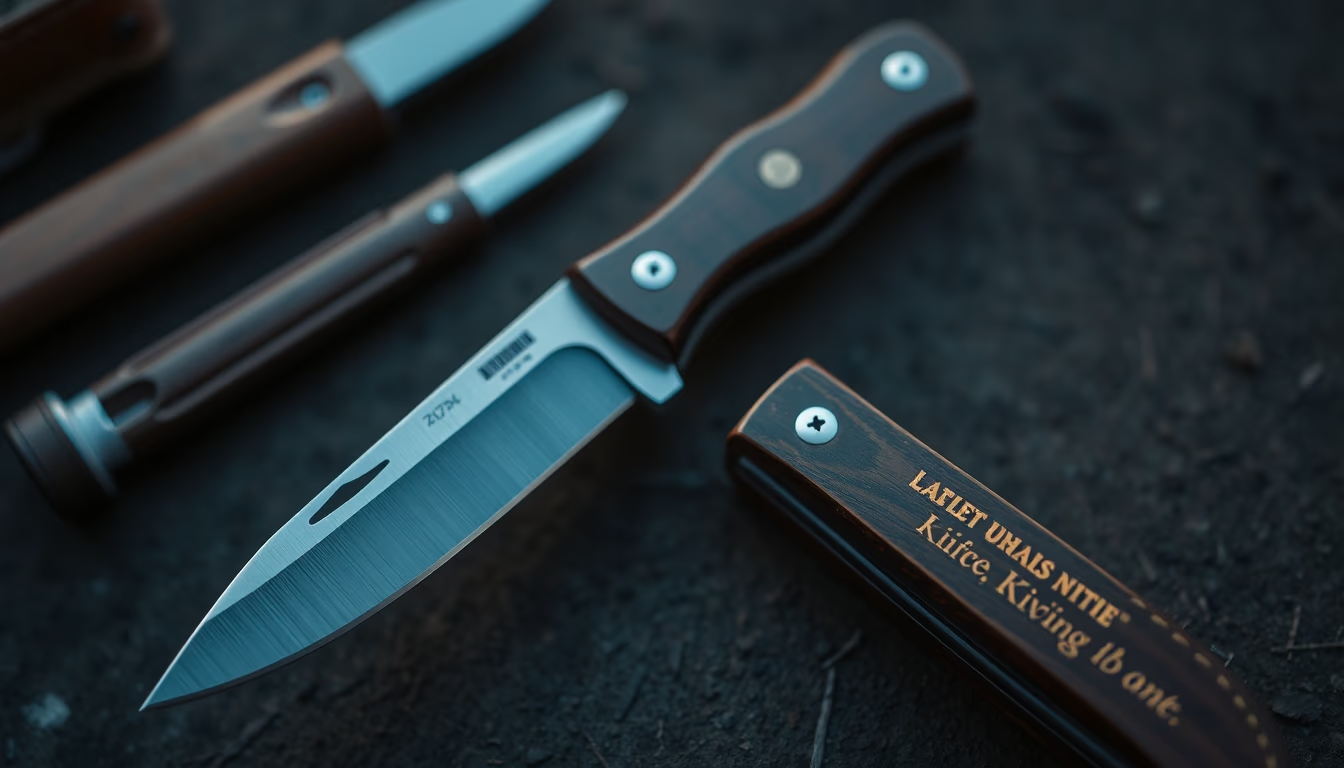
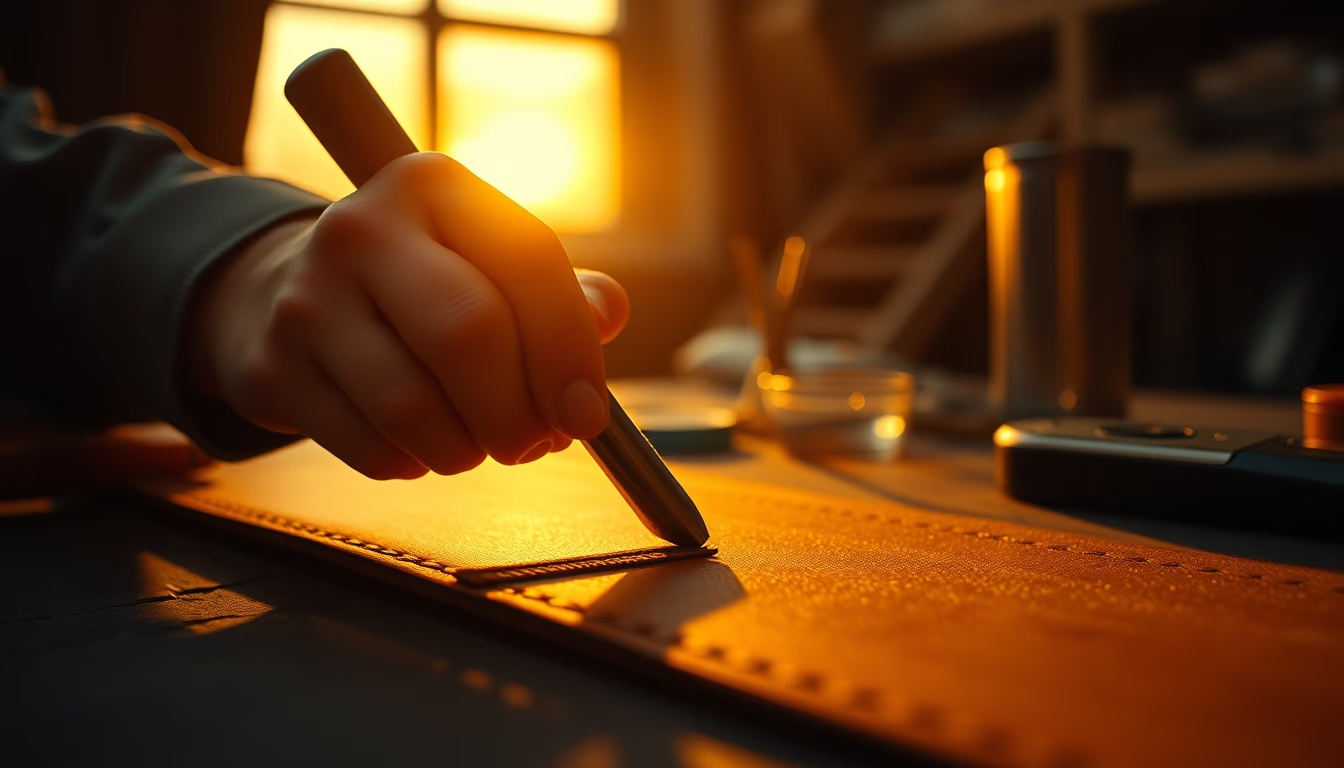
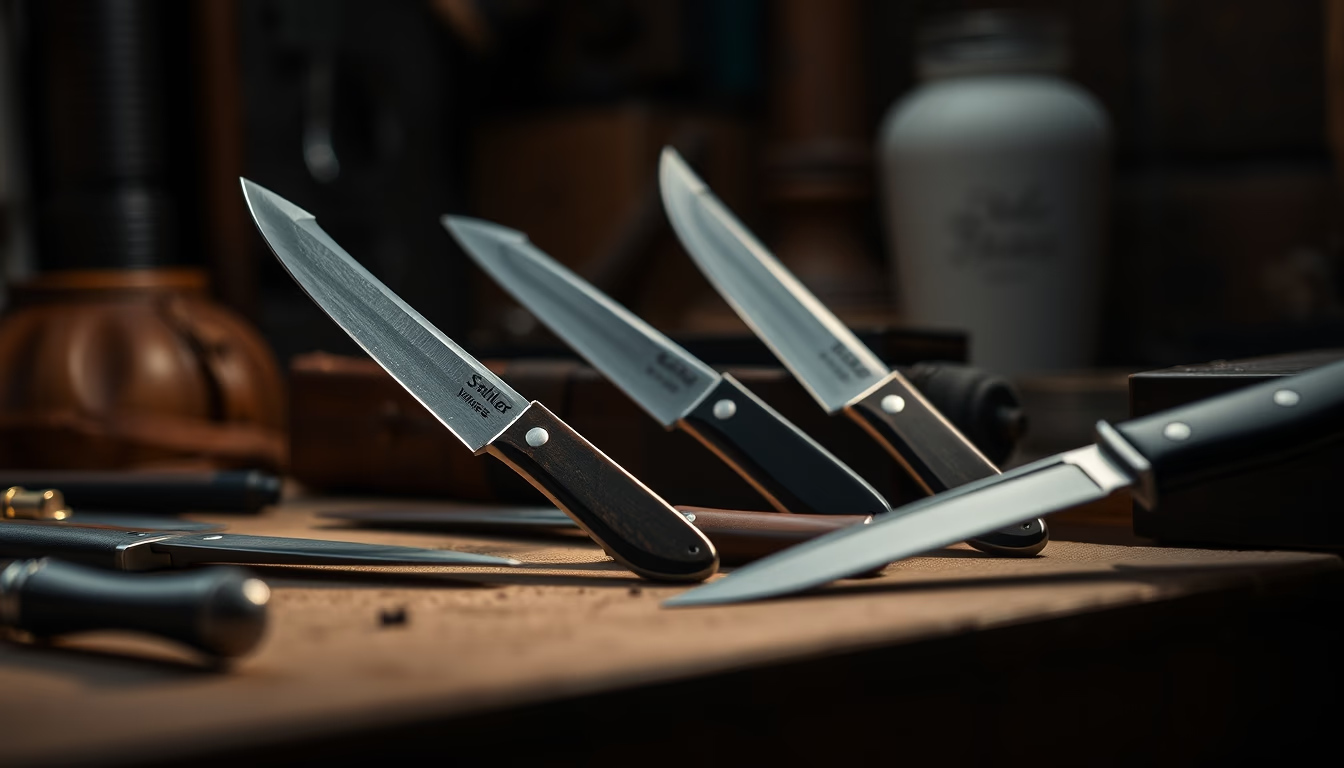
Leather embossing tools: types, uses, and techniques for creating reliefs and textures in handmade pieces.
About this subject
Leather embossing tools are specialized instruments used to engrave, stamp, or create reliefs on leather surfaces. They come in various shapes and functions, from styluses and punches to metal and wooden stamps. Each tool is designed for a specific effect: straight lines, curves, dotted textures, or geometric patterns. Manual embossing, done with these tools, is an ancient technique dating back to civilizations such as the Egyptians and Mesopotamians, who decorated leather with religious symbols and hunting scenes.
In contemporary craftsmanship, these tools are essential for making belts, wallets, book covers, and personalized seals. The process starts with leather slightly dampened to make it pliable for marking. The artisan uses a wooden or polyurethane mallet to strike the tool, transferring the design onto the leather. The depth and definition of the relief depend on the pressure applied and the type of tool. Metal stamps, for example, produce repetitive and uniform impressions, ideal for monograms and logos. Modeling tools like spatulas and styluses allow for smooth curves and shading.
Choosing the right tool depends on the type of leather and desired effect. Firmer leathers like veg-tan support deeper cuts, while soft leathers like nubuck require light-pressure tools. Tool maintenance is crucial: they must be kept sharp and clean to ensure crisp lines and avoid damaging the material. In Brazil, leatherworking traditions are strong in the South and Northeast regions, with techniques inherited from gauchos and northeastern artisans, who use embossing tools to create typical items like hats, saddles, and embroidered bags.
Interestingly, some embossing tools are heated to burn the leather surface, creating dark tones and contrast. This technique, known as pyrography, combines embossing and heat. Other tools have interchangeable tips, allowing a single handle to serve multiple patterns. Leather embossing is an art requiring patience and precision, but with the right tools, any artisan can transform a simple piece into a functional work of art.
Frequently Asked Questions
What is the difference between leather carving and stamping tools?
Carving involves cutting or scratching the leather surface with tools like swivel knives and modeling tools, creating lines and reliefs. Stamping uses stamps to press a pre-designed pattern into the leather, without cutting the fibers.
What type of leather is best for beginners in manual embossing?
Vegetable-tanned leather is the most suitable because it is firm, holds marks well, and can be wet without distorting. Avoid very thin leathers or those with synthetic finishes.
Do I need special equipment to maintain embossing tools?
Yes, it is recommended to use fine sandpaper (600 to 1200 grit) to polish tips, mineral oil to prevent rust, and a soft cloth for cleaning. Dull tools can be sharpened with sharpening stones or appropriate sandpaper.
Direct URL
https://pub-c7d6a6ea828543ac903a74a341ccb2e1.r2.dev/imagens/leather-embossing-tools-cinematic-wide-shot-fresh8.avifHow to credit
Include a visible link back to UtilizAí. Copy one of the snippets below:
<a href="https://xn--utiliza-eza.com/en/midia/imagens/leather-embossing-tools-cinematic-wide-shot-fresh8">Leather embossing tools</a> by <a href="https://xn--utiliza-eza.com">UtilizAí</a>, licensed under <a href="https://creativecommons.org/licenses/by/4.0/">CC BY 4.0</a>.
[Leather embossing tools](https://xn--utiliza-eza.com/en/midia/imagens/leather-embossing-tools-cinematic-wide-shot-fresh8) by [UtilizAí](https://xn--utiliza-eza.com), CC BY 4.0
License: CC-BY-4.0