Leather dyeing vat
1344×768 · AVIF · CC BY 4.0
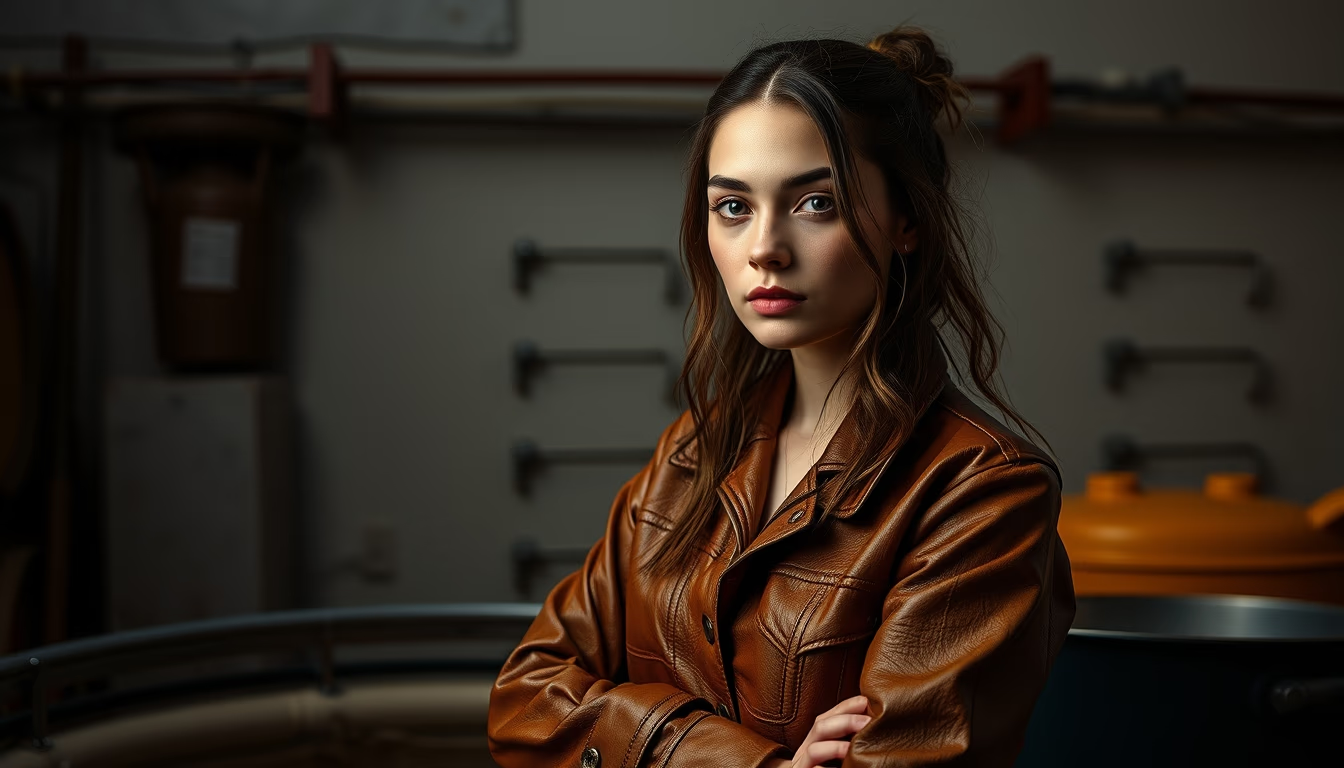
A leather dyeing vat is an essential piece of equipment in both artisanal and industrial production of dyed leather goods.
About this subject
A leather dyeing vat, also known as a dyeing tub, is a container used to immerse hides or leather pieces in dye solutions. These vats can be made of stainless steel, plastic, or even treated wood, depending on the scale and method of production. In the leather industry, dyeing is a crucial step to impart uniform color and durability to the material, as well as enabling a wide range of shades from natural tones to vibrant hues.
Historically, leather dyeing dates back to ancient civilizations such as the Egyptians and Romans, who used plant extracts and minerals to color hides. With the Industrial Revolution, dyeing vats evolved into more efficient systems like rotating drums that allow better dye penetration. Today, traditional methods with static vats and manual stirring coexist alongside automated processes that control time, temperature, and pigment concentration.
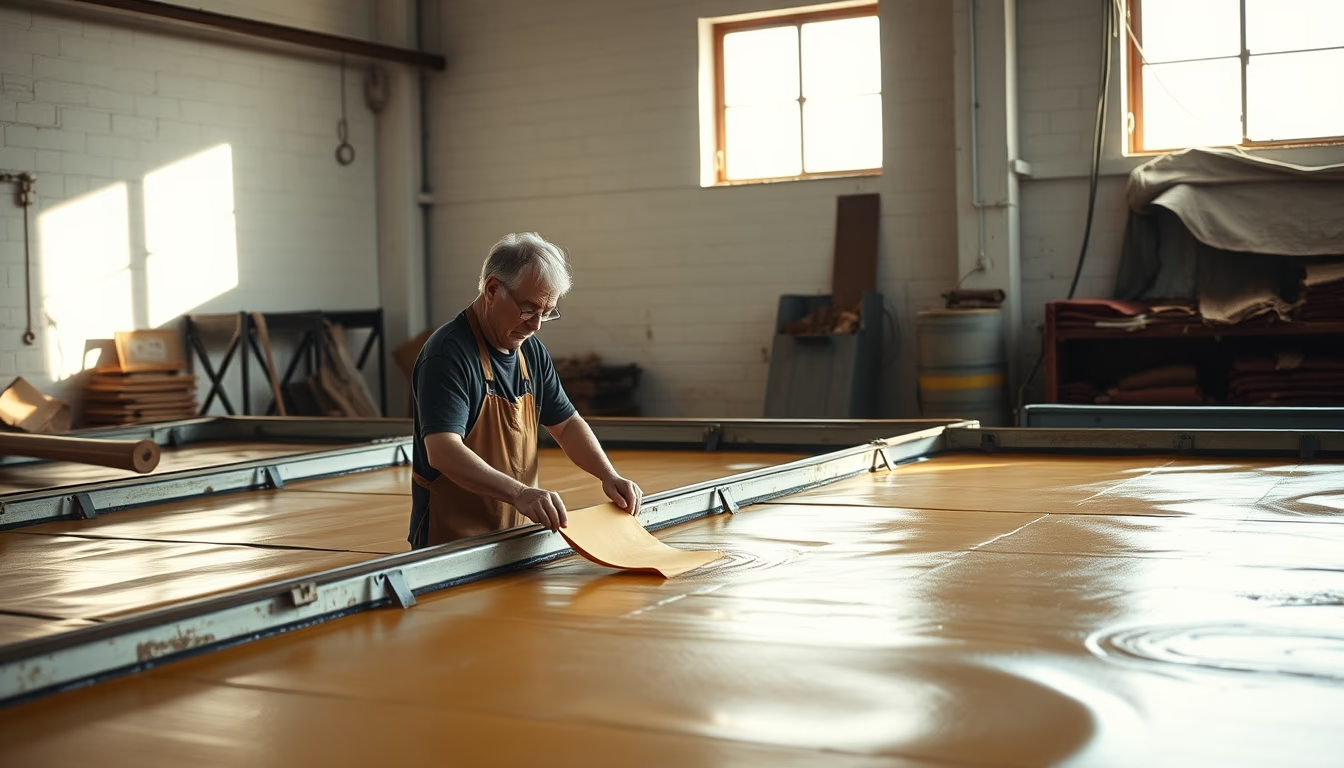
In artisanal settings, a dyeing vat is often a plastic or metal barrel or basin where the craftsman dips individual pieces, adjusting colors as needed. In industrial settings, vats can hold hundreds of liters and are integrated with recirculation systems for uniformity. A key technical aspect is choosing the right dye type: aniline, acid, or chrome-based dyes, each with specific fixation and durability properties.
An interesting fact: in luxury leather goods, manual vat dyeing is often preferred for achieving subtle nuances that machines cannot replicate. Proper vat maintenance is also vital to prevent color contamination and ensure final leather quality.
Frequently Asked Questions
What types of dyes are used in leather dyeing vats?
The main types include aniline dyes (transparent, preserving natural texture), acid dyes (for greater resistance), and chrome-based dyes (for solid, durable colors). The choice depends on the desired effect and leather type.
What is the difference between manual vat dyeing and automated industrial dyeing?
Manual dyeing allows the craftsman to visually control the process and create subtle color variations. Automated dyeing uses rotating drums and controlled temperature/time systems, ensuring uniformity and repeatability on a large scale.
How can color contamination be avoided between different dyes in a vat?
Thoroughly cleaning the vat between batches is essential. Using dedicated vats for light and dark colors also helps. Preventive maintenance prevents residues that could alter future shades.
Direct URL
https://pub-c7d6a6ea828543ac903a74a341ccb2e1.r2.dev/imagens/leather-dyeing-vat-studio-editorial-portrait-fresh0.avifHow to credit
Include a visible link back to UtilizAí. Copy one of the snippets below:
<a href="https://xn--utiliza-eza.com/en/midia/imagens/leather-dyeing-vat-studio-editorial-portrait-fresh0">Leather dyeing vat</a> by <a href="https://xn--utiliza-eza.com">UtilizAí</a>, licensed under <a href="https://creativecommons.org/licenses/by/4.0/">CC BY 4.0</a>.
[Leather dyeing vat](https://xn--utiliza-eza.com/en/midia/imagens/leather-dyeing-vat-studio-editorial-portrait-fresh0) by [UtilizAí](https://xn--utiliza-eza.com), CC BY 4.0
License: CC-BY-4.0