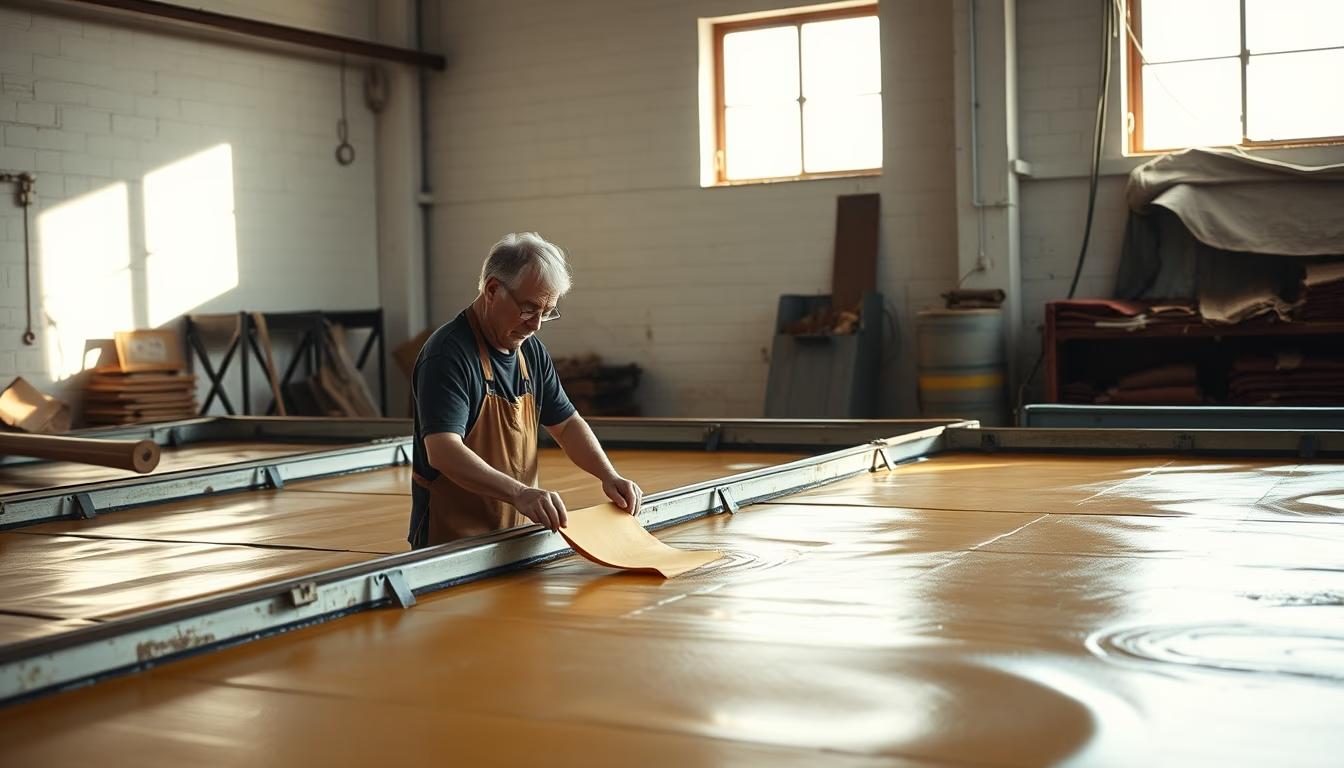
Leather dyeing vat
1344×768 · AVIF · CC BY 4.0
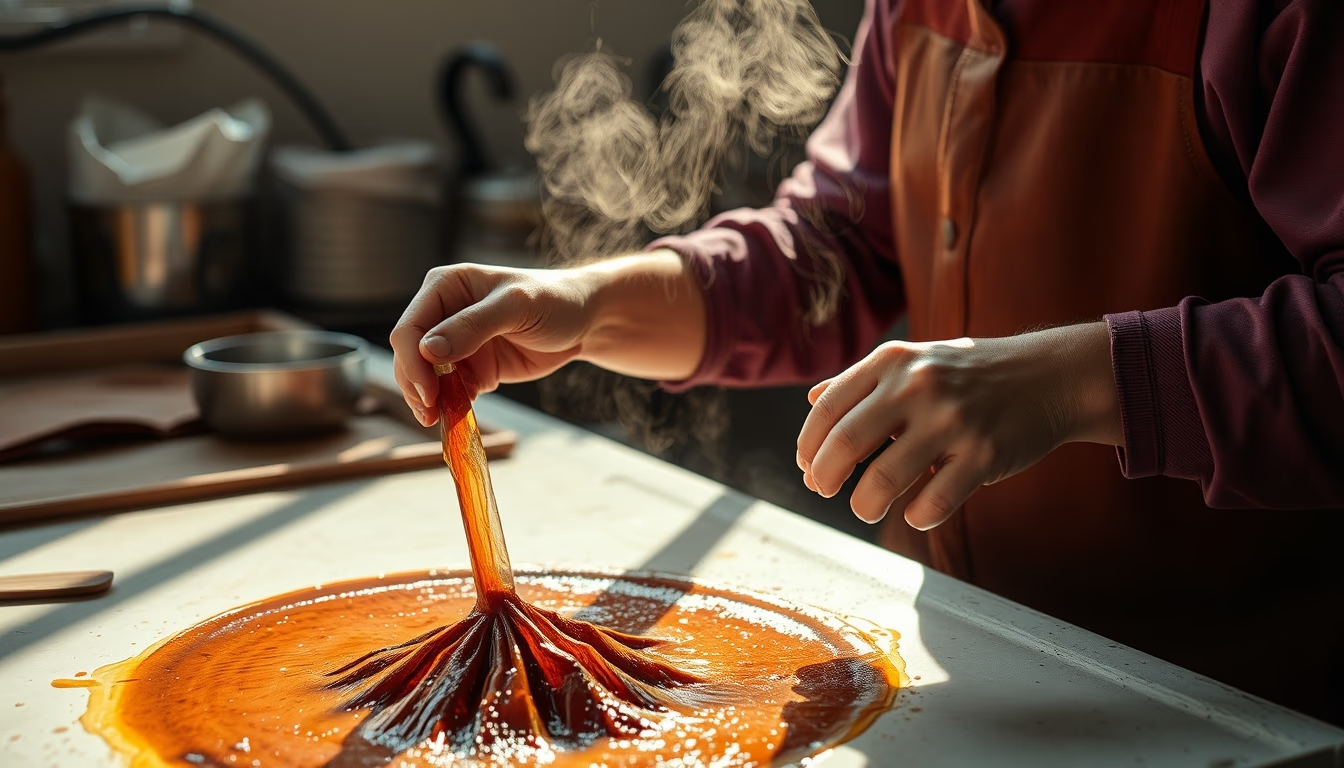
Leather dyeing vats are essential equipment in the leather industry, where hides are immersed in dye baths to achieve the desired color.
About this subject
Leather dyeing vats, also known as dye drums, are used in the final stage of leather processing to apply colorants that give the material its desired hue and uniformity. Traditionally, these vats are large rotating drums made of wood or stainless steel that slowly turn to ensure even penetration of the dye into the hide fibers. The dyeing process can involve synthetic or natural dyes, with natural dyes such as plant extracts and minerals having a long history in artisanal tanning.
Modern leather industry uses dyeing vats with precise control of temperature, pH, and rotation time to achieve consistent results. Leather dyed in vats is widely used for products like footwear, bags, upholstery, and clothing. The choice of dye and method directly affects the final product's resistance to light, abrasion, and sweat.
Interestingly, leather dyeing is not limited to dark colors; aniline dyeing allows the natural texture of the leather to show through, while pigmented dyeing covers imperfections. For luxury leathers, such as those used in designer goods, dyeing is often done by hand or in small batches to ensure exclusivity.
Brazil, as one of the world's largest leather producers, has a tannery industry that uses state-of-the-art dyeing vats, especially in the leather hubs of Rio Grande do Sul and São Paulo. Sustainability is also a growing concern, with efforts to recycle water from dye baths and use less aggressive dyes.
Frequently Asked Questions
What is the difference between aniline dyeing and pigmented dyeing?
Aniline dyeing uses dyes that penetrate the leather and maintain its natural texture, while pigmented dyeing uses pigments that form a surface layer, covering imperfections and offering greater durability.
Can dyeing vats be used for all types of leather?
Yes, but the process varies: thinner leathers require gentle agitation, while thicker hides may need longer rotation times and controlled temperature.
How does the industry handle dyeing waste?
Many tanneries treat wastewater with filtration and recycling systems, and use more eco-friendly dyes to reduce environmental impact.
Direct URL
https://pub-c7d6a6ea828543ac903a74a341ccb2e1.r2.dev/imagens/leather-dyeing-vat-magazine-editorial-fresh5.avifHow to credit
Include a visible link back to UtilizAí. Copy one of the snippets below:
<a href="https://xn--utiliza-eza.com/en/midia/imagens/leather-dyeing-vat-magazine-editorial-fresh5">Leather dyeing vat</a> by <a href="https://xn--utiliza-eza.com">UtilizAí</a>, licensed under <a href="https://creativecommons.org/licenses/by/4.0/">CC BY 4.0</a>.
[Leather dyeing vat](https://xn--utiliza-eza.com/en/midia/imagens/leather-dyeing-vat-magazine-editorial-fresh5) by [UtilizAí](https://xn--utiliza-eza.com), CC BY 4.0
License: CC-BY-4.0