Leather briefcase italian
1344×768 · AVIF · CC BY 4.0
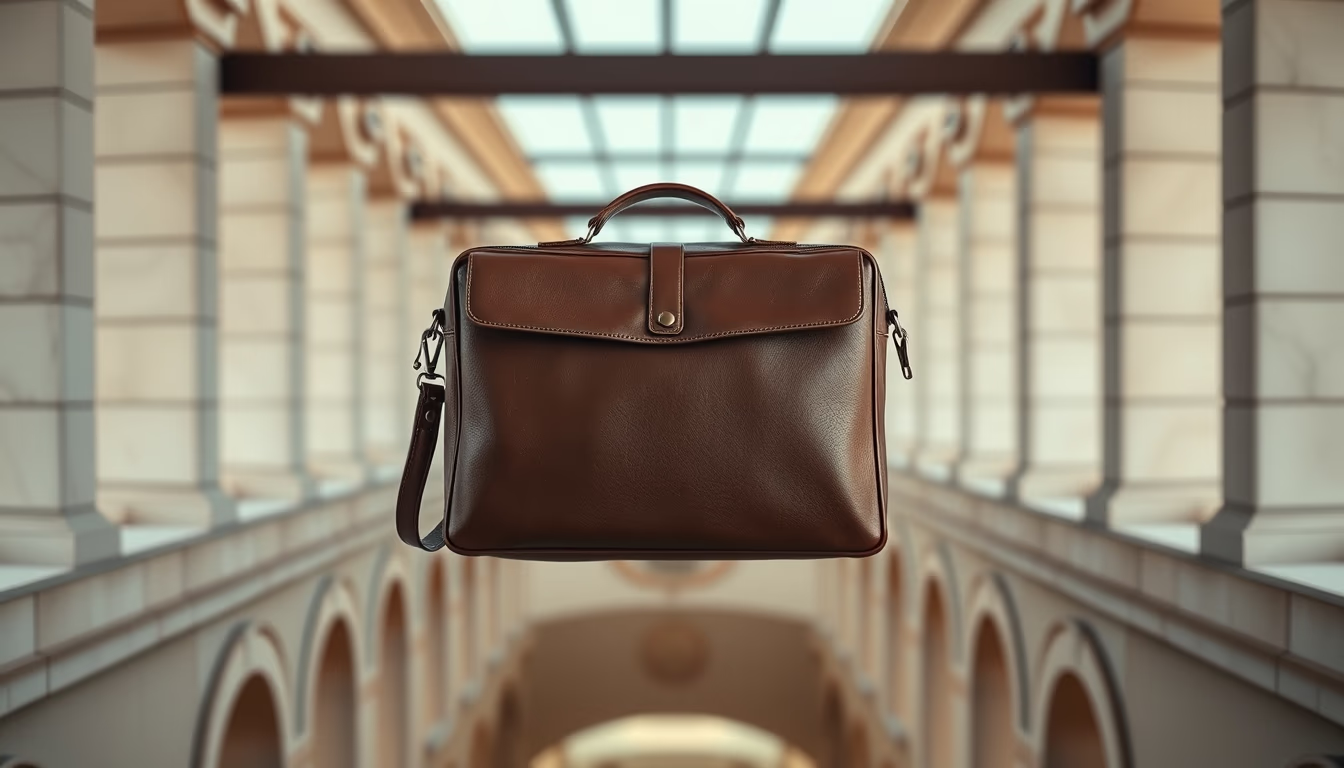
Italian leather briefcases embody centuries of artisanal excellence, merging classic design with the durability of premium materials.
About this subject
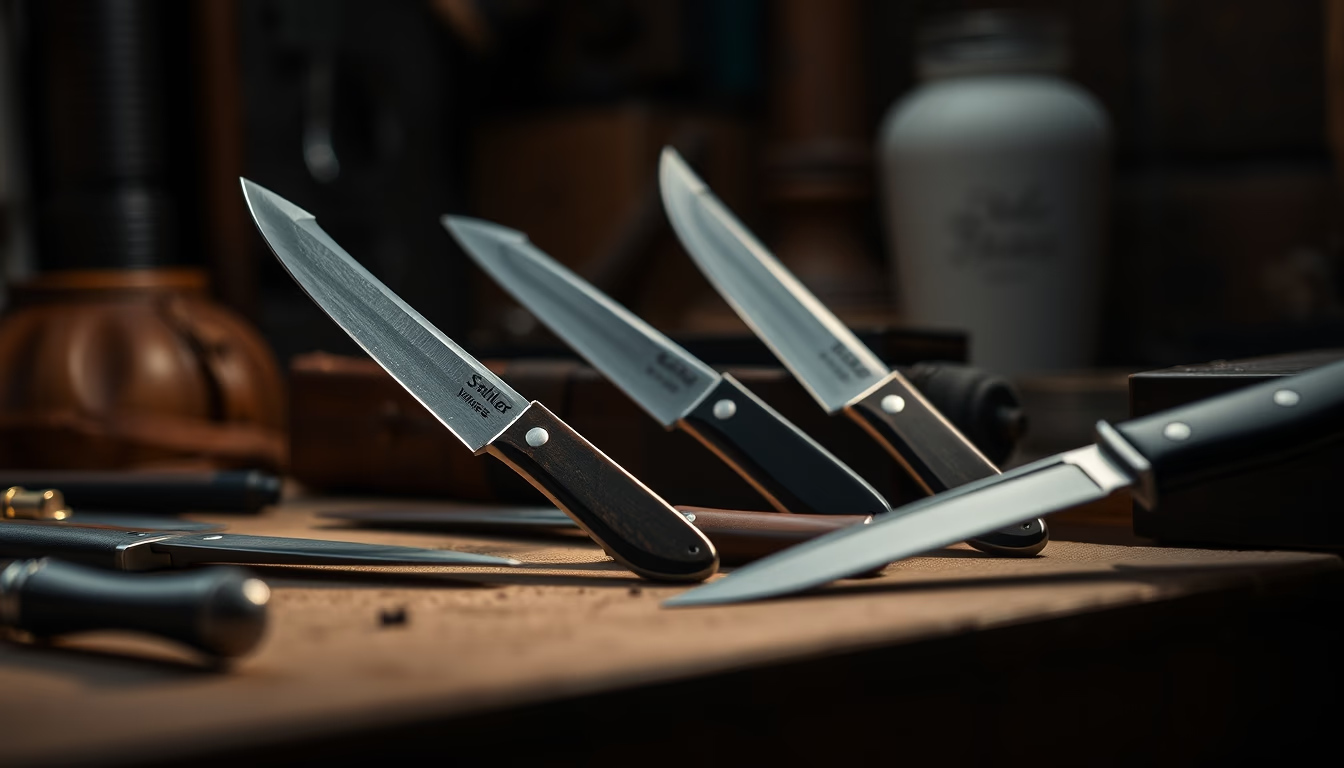
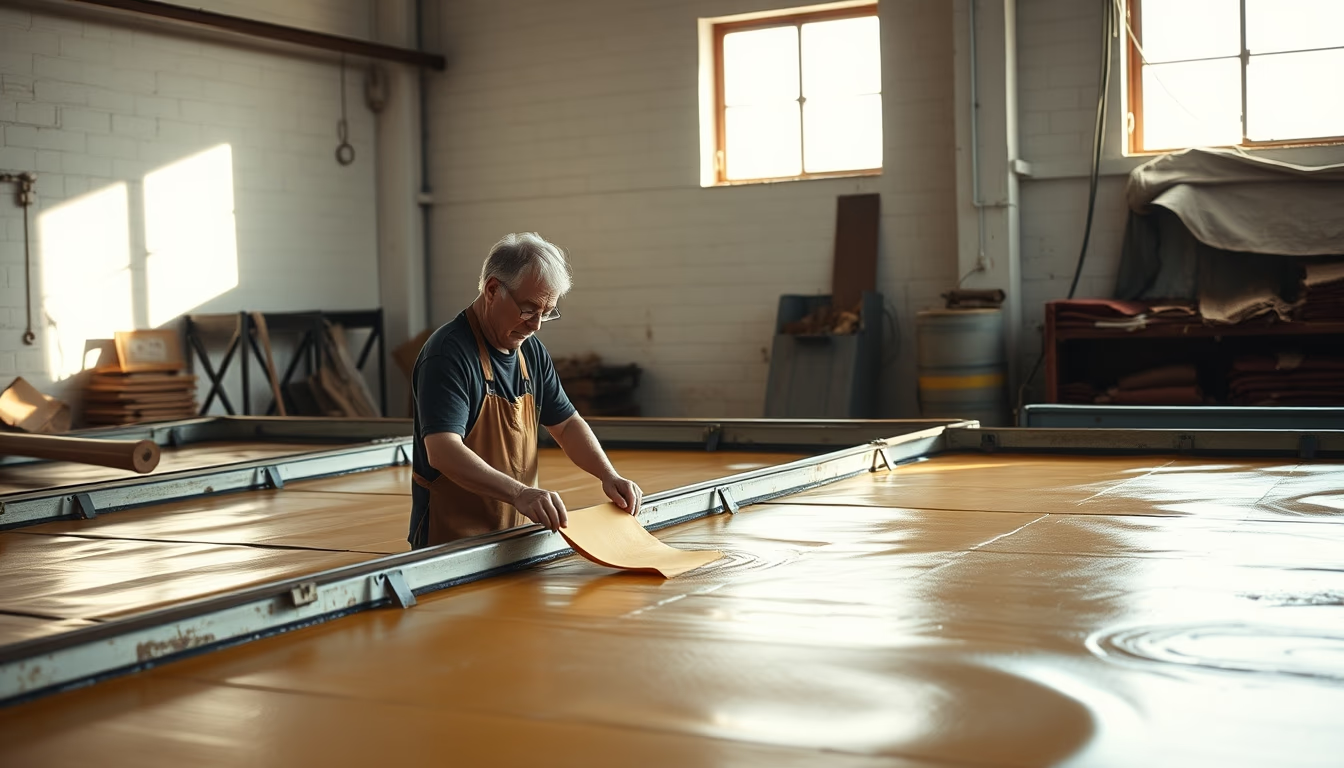
Italian leather briefcases are globally recognized as symbols of elegance and quality. Originating from regions like Tuscany and Florence, these pieces are crafted by artisans mastering centuries-old techniques such as vegetable tanning, which uses natural tannins from tree bark. This method gives the leather an initial firmness that evolves into a soft, durable texture with use, creating a unique patina over time. Full-grain leather, the top layer, is most valued for preserving the animal's natural markings, ensuring authenticity and longevity.
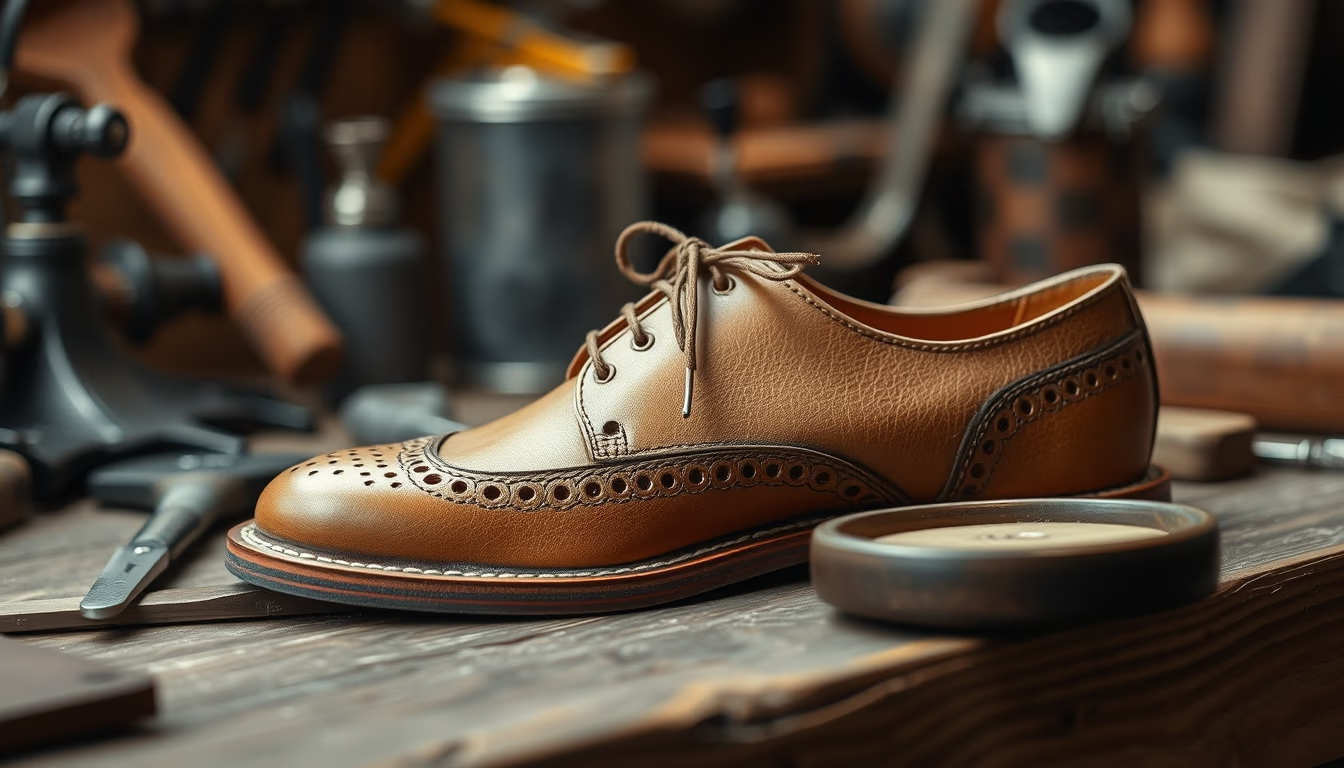
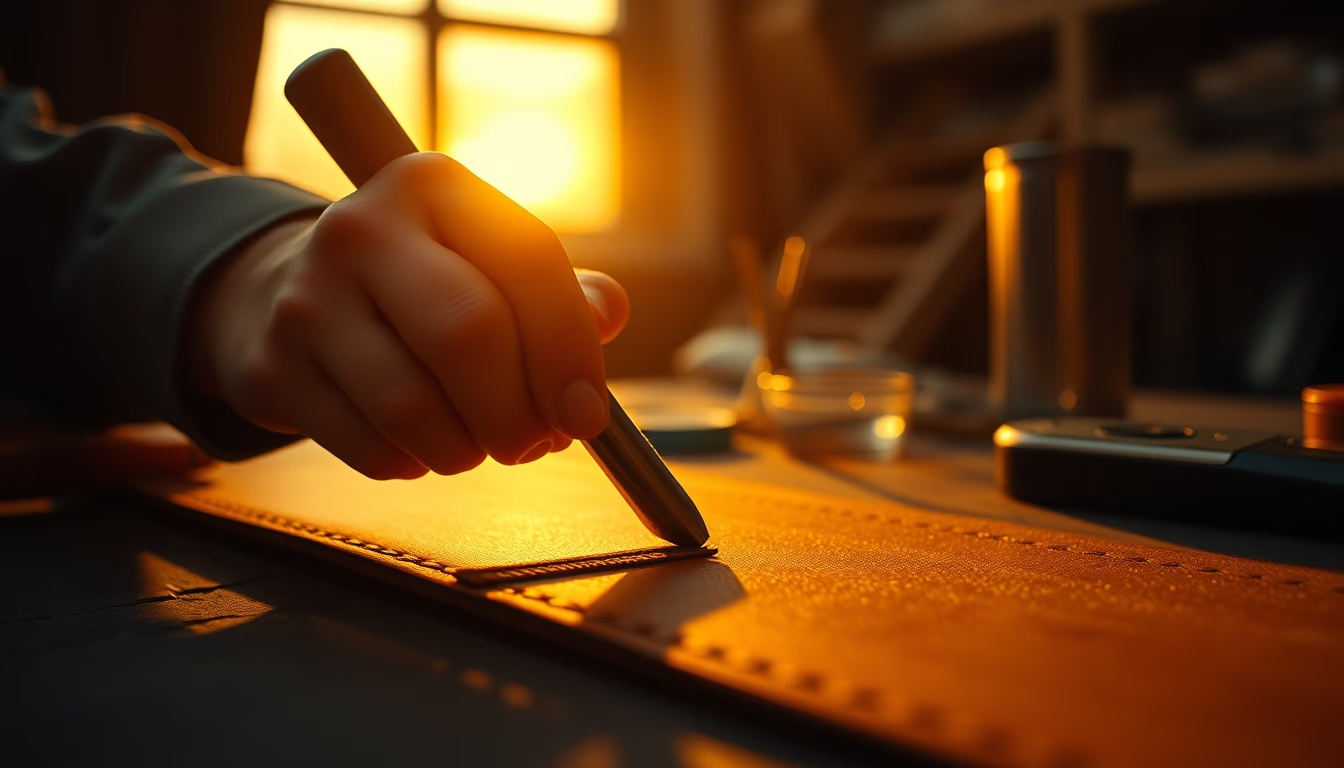
The manufacturing process of an Italian briefcase involves up to 30 manual steps. Stitches are hand-sewn with waxed linen thread, reinforced to prevent unraveling. Corners are heat-molded for precision, and metal hardware, often brass or polished steel, undergoes anti-rust treatment. Historic brands like Valextra, founded in Milan in 1937, and small family ateliers uphold this standard, while fashion houses like Prada and Gucci incorporate contemporary design without forsaking tradition.
In professional settings, the Italian leather briefcase is an accessory of power and refinement. Architects, lawyers, and executives use it not only to carry documents but as a style statement. The classic 3M model, with three compartments, remains timeless, while modern variations include shoulder straps and laptop compartments. The material's durability allows a well-maintained briefcase to last decades, often becoming a family heirloom.
Artisanal production contrasts with fast fashion, emphasizing sustainability. Vegetable-tanned leather is biodegradable, and repairability reduces waste. Events like Milan’s Mipel fair highlight innovations in leather goods, and the “Vero Cuoio Italiano” seal certifies origin. Investing in an Italian briefcase means acquiring an object that ages gracefully, telling stories in every scratch.
Frequently Asked Questions
Why are Italian leather briefcases so expensive?
The high cost reflects the use of selected full-grain leather, lengthy vegetable tanning, and handcrafted stitching. Each piece requires hours of manual work, up to 30 steps, and noble materials like brass locks and linen thread.
How can I identify a genuine Italian leather briefcase?
Look for the 'Vero Cuoio Italiano' seal or labels from certified brands. Genuine leather has a natural smell, surface irregularities, and warms to the touch. Avoid synthetic materials with uniform texture and plastic odor.
What is the proper way to care for an Italian leather briefcase?
Avoid prolonged sun exposure and moisture. Clean with a dry cloth and apply a specific leather conditioner every six months. For stains, use diluted neutral soap. Never store in plastic bags; use cotton bags instead.
Direct URL
https://pub-c7d6a6ea828543ac903a74a341ccb2e1.r2.dev/imagens/leather-briefcase-italian-architectural-photography-fresh2.avifHow to credit
Include a visible link back to UtilizAí. Copy one of the snippets below:
<a href="https://xn--utiliza-eza.com/en/midia/imagens/leather-briefcase-italian-architectural-photography-fresh2">Leather briefcase italian</a> by <a href="https://xn--utiliza-eza.com">UtilizAí</a>, licensed under <a href="https://creativecommons.org/licenses/by/4.0/">CC BY 4.0</a>.
[Leather briefcase italian](https://xn--utiliza-eza.com/en/midia/imagens/leather-briefcase-italian-architectural-photography-fresh2) by [UtilizAí](https://xn--utiliza-eza.com), CC BY 4.0
License: CC-BY-4.0