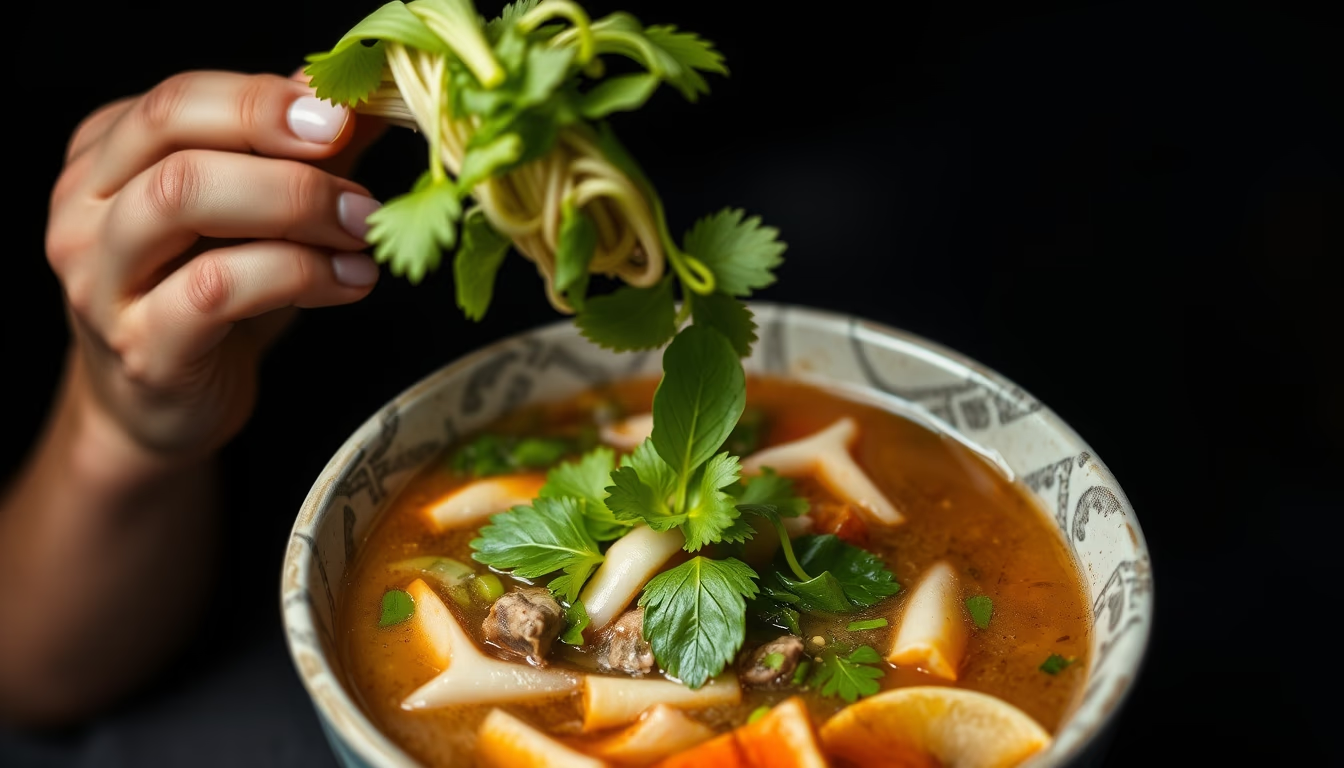
Kimchi fermented korean
1344×768 · AVIF · CC BY 4.0
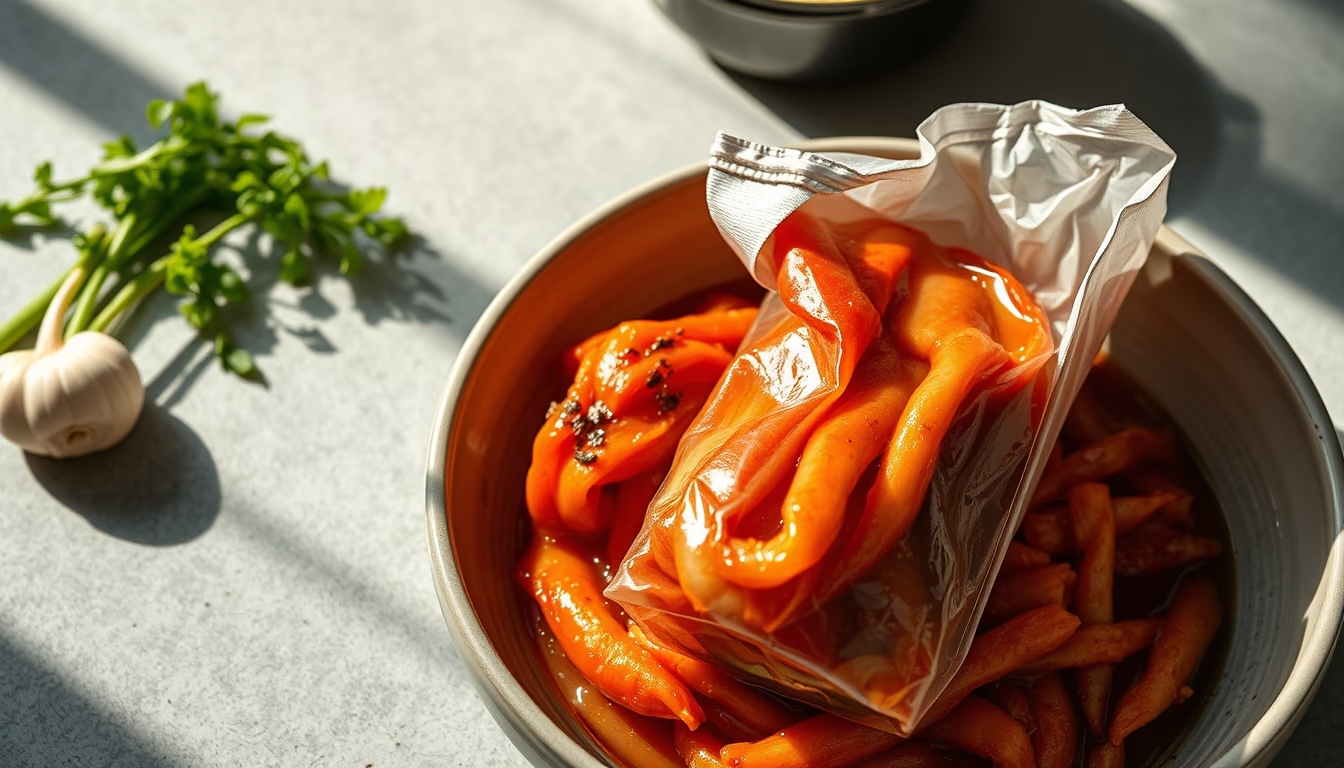
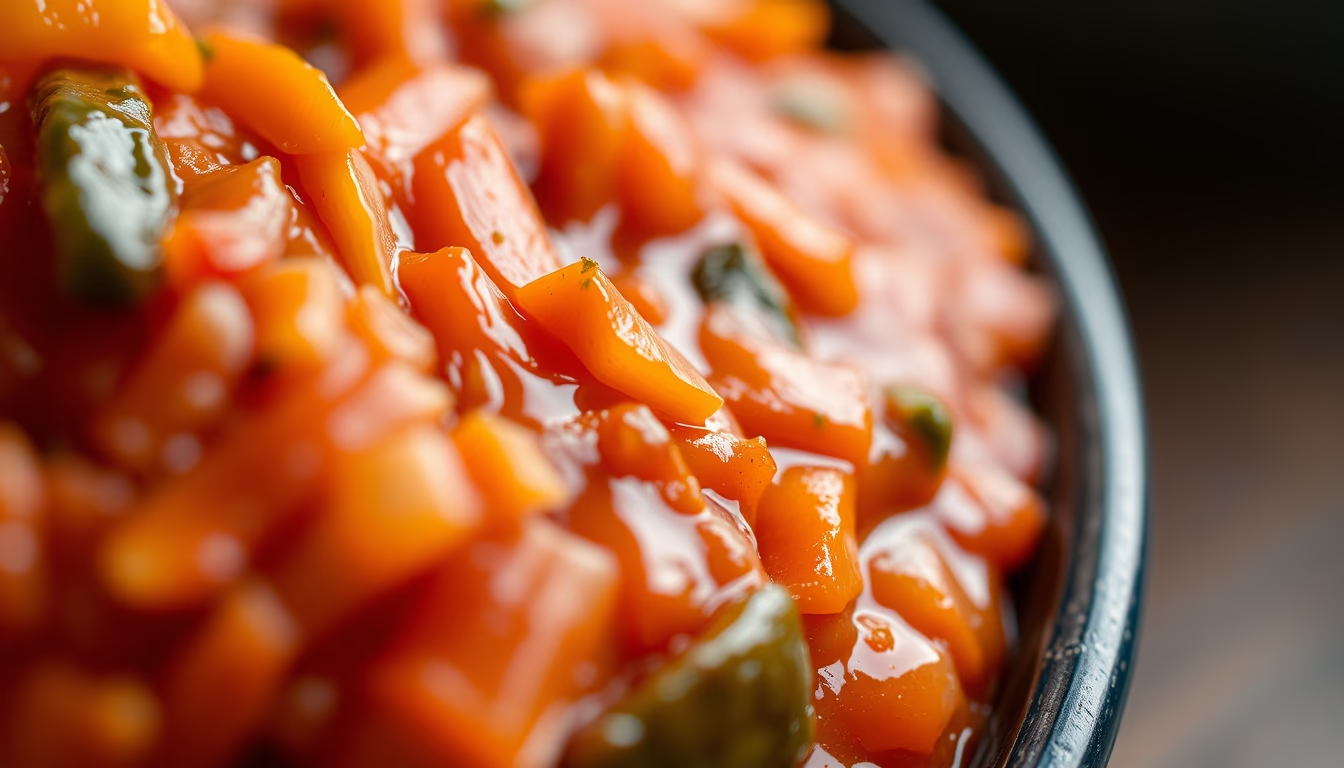
Kimchi, the traditional Korean fermented vegetable dish, combines spiciness, acidity and umami in a millennia-old delicacy recognized by UNESCO.
About this subject
Kimchi is a traditional Korean fermented dish made primarily from napa cabbage or radish seasoned with gochugaru (red chili powder), garlic, ginger, salt, and jeotgal (fermented seafood). Hundreds of regional and seasonal varieties exist, such as baechu kimchi (cabbage) and kkakdugi (cubed radish). The fermentation process, lasting days to months, relies on lactic acid bacteria like Leuconostoc and Lactobacillus, which produce sourness and probiotic benefits.
Historically, kimchi originated over 2,000 years ago on the Korean Peninsula as a method of preserving vegetables during harsh winters. Red chili was only added after its introduction in the 16th century by Portuguese traders via Japan. In 2013, UNESCO inscribed kimjang (the communal preparation of kimchi) as an Intangible Cultural Heritage of Humanity. The dish is so central to Korean culture that Koreans say "kimchi" when smiling for photos (like "cheese") and there is an annual kimchi festival in Seoul.
Nutritionally, kimchi is rich in vitamins A, B, and C, calcium, and iron, plus probiotic bacteria that aid digestion and immunity. Scientific studies link regular consumption to reduced inflammation, cholesterol, and risk of certain cancers. However, its high sodium and spiciness can be problematic for those with hypertension or gastric sensitivity.
Globally, kimchi has gained popularity through K-pop and Korean cuisine. It is used in fusion dishes such as kimchi jjigae (stew), kimchi bokkeumbap (fried rice), and even on pizzas and burgers. Korean industrial production and export generate billions of dollars annually, with major markets in Japan, the United States, and China.
Frequently Asked Questions
How long can kimchi be stored?
Fresh kimchi lasts 1 to 2 weeks in the fridge, but fermented kimchi can persist for months. The flavor becomes more sour over time, ideal for cooked dishes.
Is kimchi always spicy?
No. There are non-spicy varieties like baek kimchi (white kimchi), which uses radish seasoned without chili. Most traditional kimchi includes gochugaru, but the heat level varies.
Can vegans eat kimchi?
Many traditional kimchi use jeotgal (fermented shrimp or fish), which is not vegan. However, vegan versions exist that substitute salt or miso.
Direct URL
https://pub-c7d6a6ea828543ac903a74a341ccb2e1.r2.dev/imagens/kimchi-fermented-korean-magazine-editorial-fresh0.avifHow to credit
Include a visible link back to UtilizAí. Copy one of the snippets below:
<a href="https://xn--utiliza-eza.com/en/midia/imagens/kimchi-fermented-korean-magazine-editorial-fresh0">Kimchi fermented korean</a> by <a href="https://xn--utiliza-eza.com">UtilizAí</a>, licensed under <a href="https://creativecommons.org/licenses/by/4.0/">CC BY 4.0</a>.
[Kimchi fermented korean](https://xn--utiliza-eza.com/en/midia/imagens/kimchi-fermented-korean-magazine-editorial-fresh0) by [UtilizAí](https://xn--utiliza-eza.com), CC BY 4.0
License: CC-BY-4.0