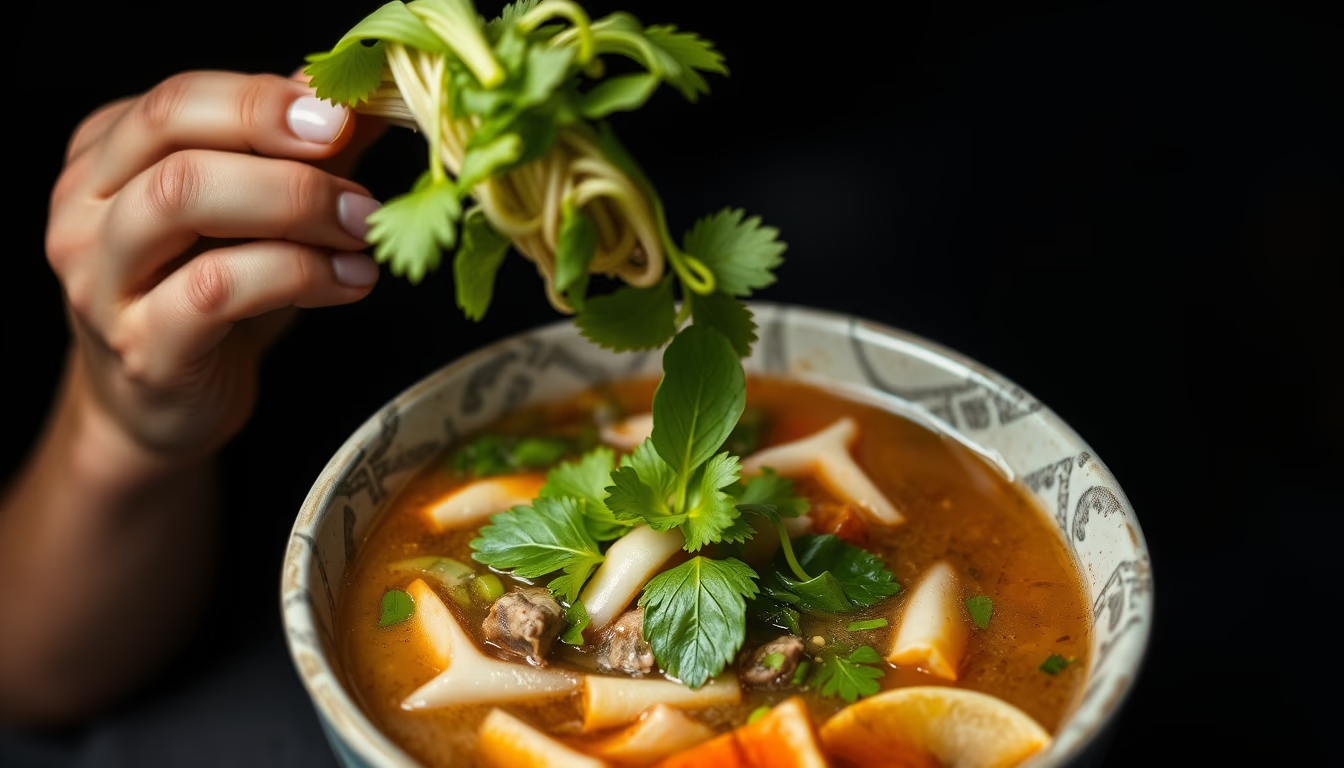
Kimchi fermented korean
1344×768 · AVIF · CC BY 4.0
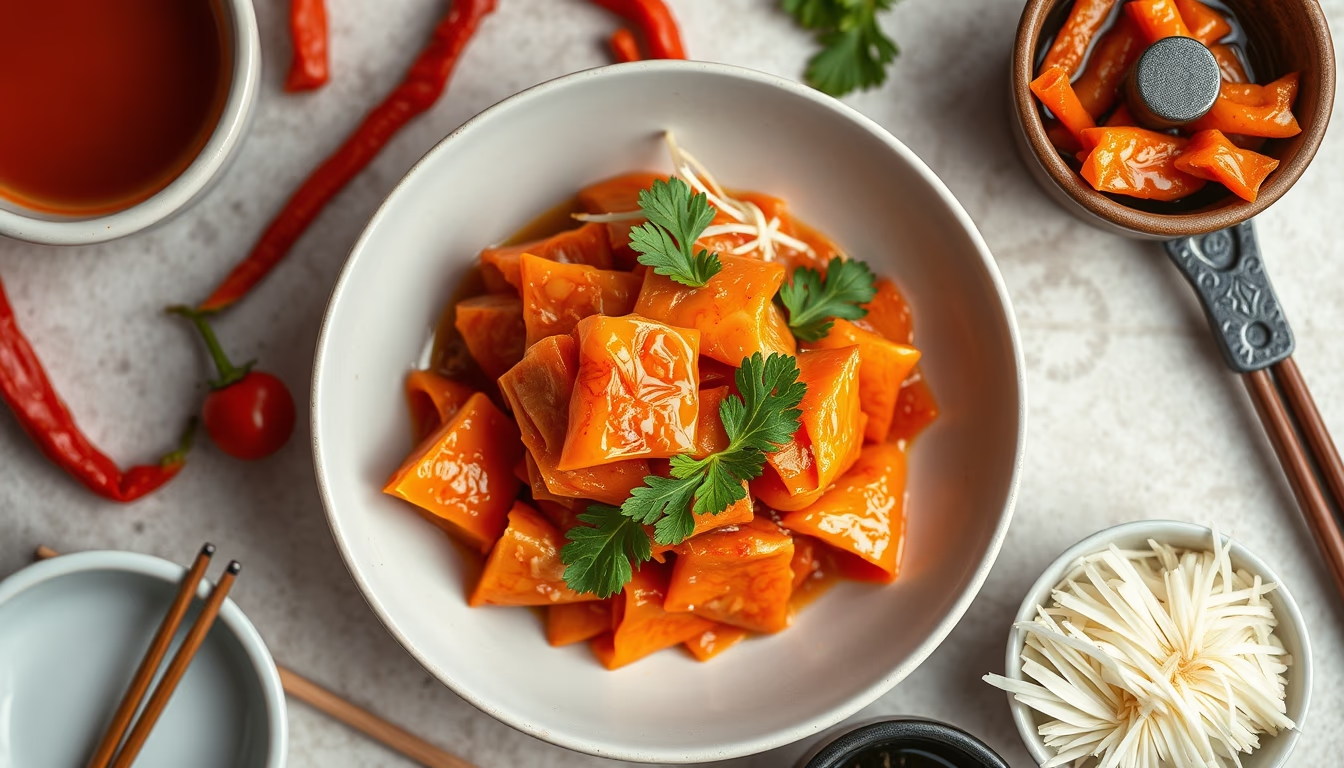
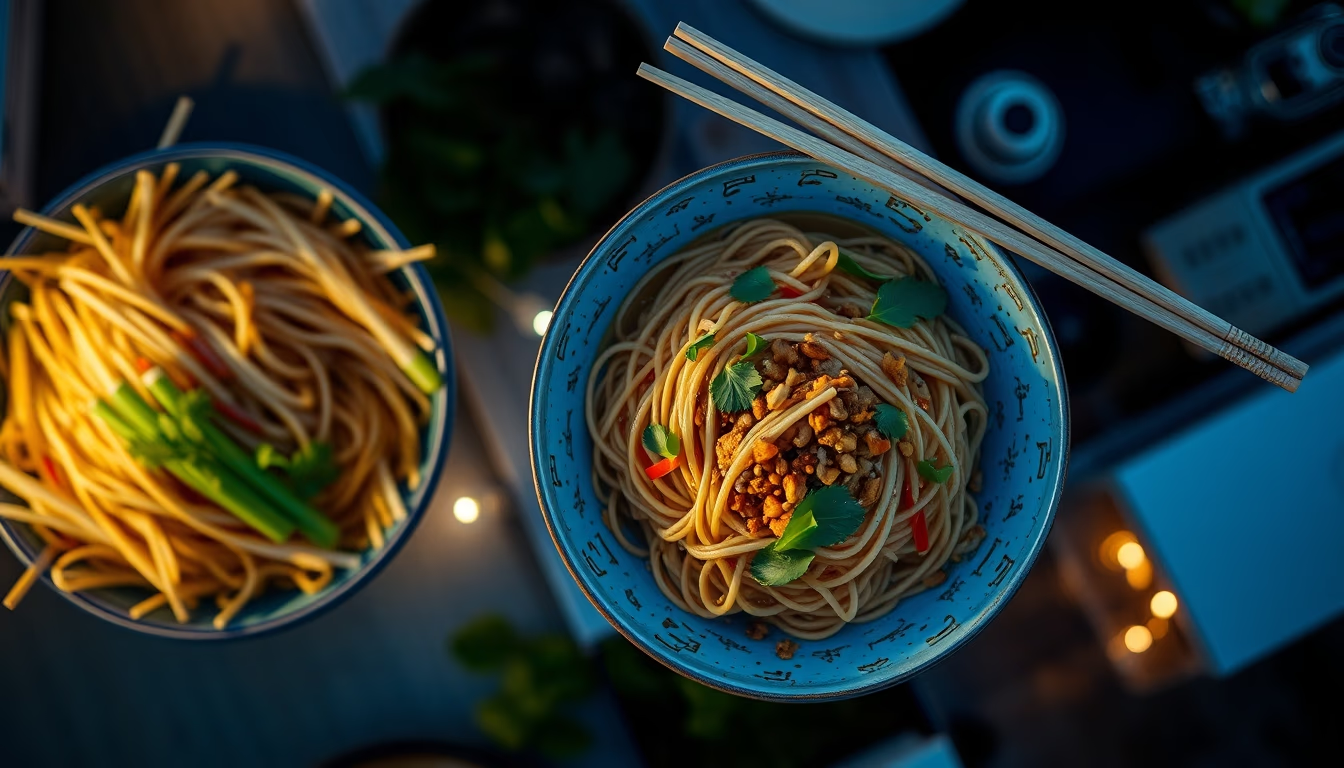
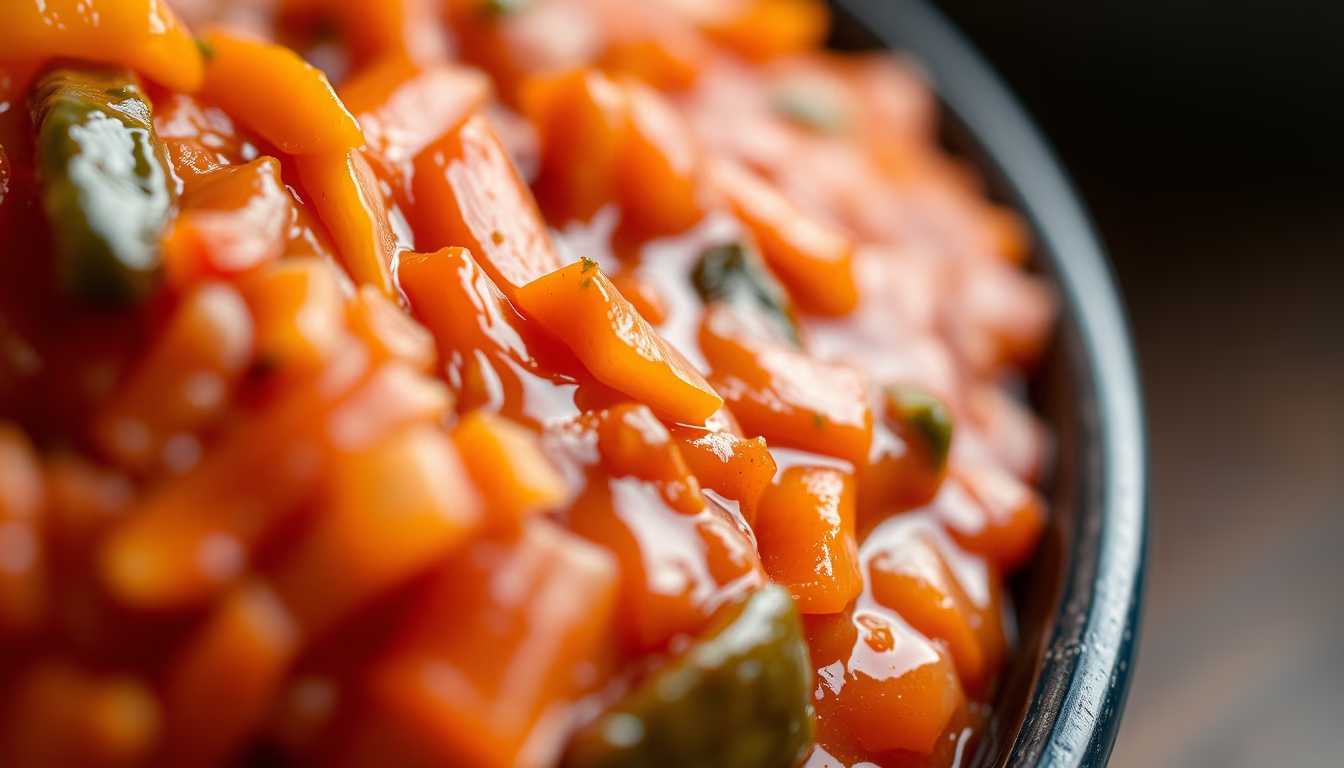
Kimchi, the traditional Korean fermented side dish made from napa cabbage and spicy seasonings, is a staple at every meal in South Korea.
About this subject
Kimchi is far more than a simple side dish: it is a South Korean cultural symbol, inscribed as UNESCO Intangible Cultural Heritage in 2013. The traditional fermentation process (gimjang) takes place in early winter, when communities gather to prepare large quantities of the dish, ensuring supplies for the cold months.
The most common base is napa cabbage, salted and then seasoned with a paste of Korean chili flakes (gochugaru), garlic, ginger, scallions, and fish sauce (or salted shrimp, saeujeot). Other varieties include radish kimchi (kkakdugi), cucumber kimchi (oi sobagi), or scallion kimchi (pa kimchi), each with unique texture and flavor. Fermentation occurs via lactic acid bacteria, which not only preserve the food but also enhance its probiotic content.
Kimchi's importance in Korea is immense: it appears in dishes like kimchi jjigae (stew), bokkeumbap (fried rice), and even Korean-style pizzas. Regular consumption is linked to digestive health, immunity, and cholesterol reduction. Historically, kimchi emerged as a method to preserve vegetables during harsh Korean winters, evolving with the introduction of red pepper in the 16th century, brought by Portuguese traders from South America to Asia.
Frequently Asked Questions
How is traditional kimchi made?
The process starts by salting napa cabbage to draw out water and soften the leaves. Then a paste is made from gochugaru (Korean chili flakes), garlic, ginger, scallions, julienned carrots, and fish sauce or salted shrimp (saeujeot). This paste is spread between the leaves, and the kimchi is stored in jars to ferment at room temperature for a few days, then refrigerated to continue fermenting slowly.
What are the health benefits of kimchi?
Kimchi is rich in probiotics (lactic acid bacteria), which improve gut health and digestion. It also contains vitamins A, B, and C, antioxidants (such as capsaicin from chili peppers), and may help lower cholesterol, boost immunity, and have anti-inflammatory effects.
What is the difference between kimchi and sauerkraut?
Both are fermented foods, but sauerkraut uses white cabbage and salt, fermented without additional seasonings. Kimchi uses napa cabbage (or other vegetables) and a paste of chili, garlic, and ginger, resulting in a spicy and complex flavor. Additionally, kimchi includes fish sauce or salted shrimp, which adds umami.
Direct URL
https://pub-c7d6a6ea828543ac903a74a341ccb2e1.r2.dev/imagens/kimchi-fermented-korean-isometric-flat-lay-fresh9.avifHow to credit
Include a visible link back to UtilizAí. Copy one of the snippets below:
<a href="https://xn--utiliza-eza.com/en/midia/imagens/kimchi-fermented-korean-isometric-flat-lay-fresh9">Kimchi fermented korean</a> by <a href="https://xn--utiliza-eza.com">UtilizAí</a>, licensed under <a href="https://creativecommons.org/licenses/by/4.0/">CC BY 4.0</a>.
[Kimchi fermented korean](https://xn--utiliza-eza.com/en/midia/imagens/kimchi-fermented-korean-isometric-flat-lay-fresh9) by [UtilizAí](https://xn--utiliza-eza.com), CC BY 4.0
License: CC-BY-4.0