Kimchi fermented korean
1344×768 · AVIF · CC BY 4.0

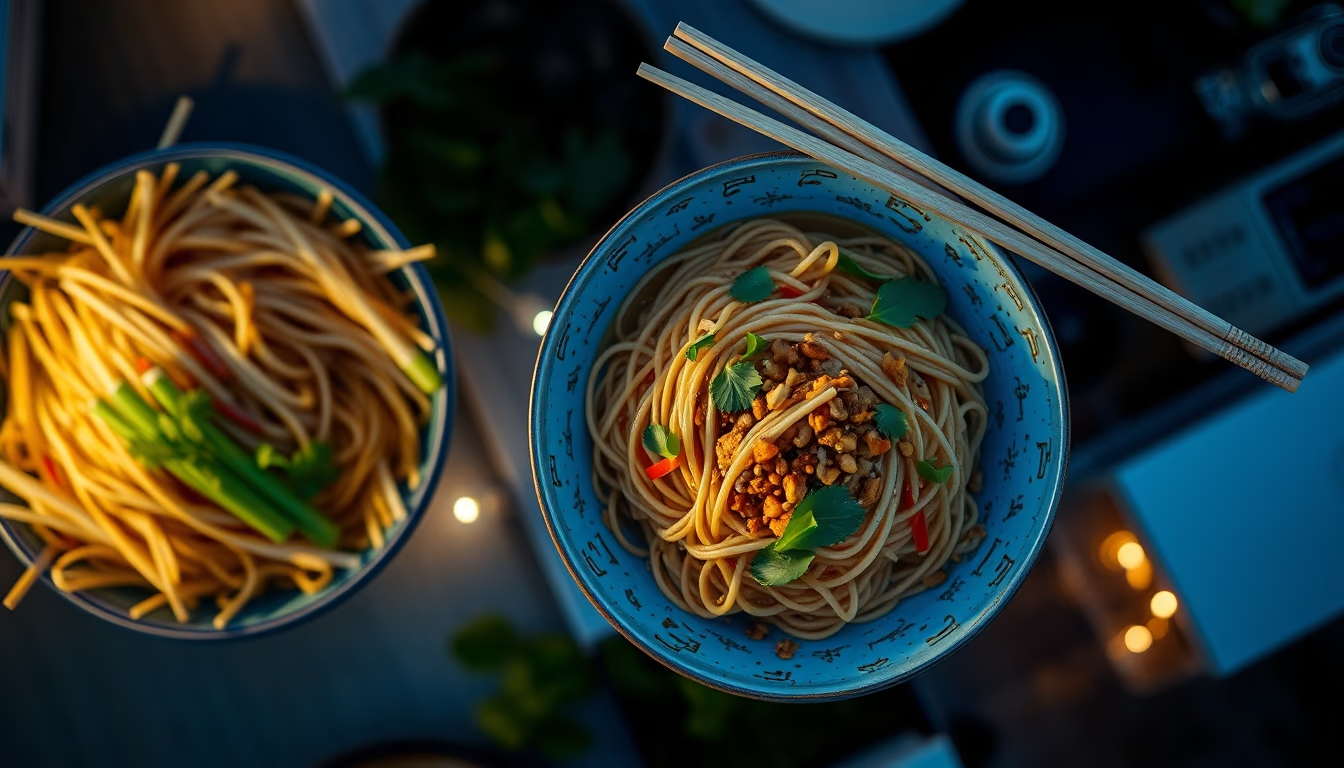
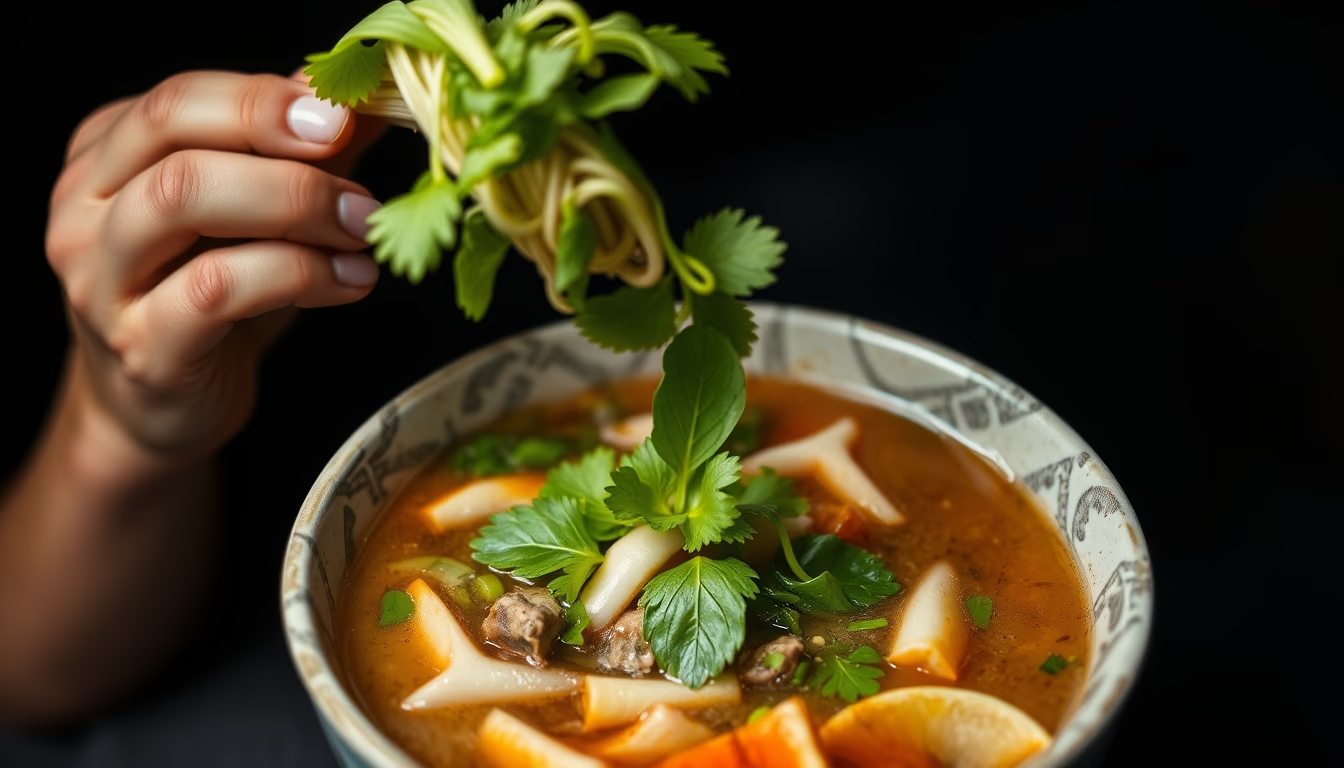
Kimchi is a Korean fermented vegetable dish, typically made with napa cabbage and seasonings, rich in cultural and nutritional significance.
About this subject
Kimchi is a traditional Korean dish, known for its fermentation process that enhances flavors and preserves vegetables. Typically made with napa cabbage (baechu), radish, Korean chili powder (gochugaru), garlic, ginger, and salted seafood (jeotgal), kimchi varies regionally: in northern Korea, it is milder and less salty; in the south, it is spicier and fermented longer. The fermentation involves lactic acid bacteria, such as Lactobacillus kimchii, which produce lactic acid giving kimchi its characteristic sour taste. Kimchi is rich in vitamins A, C, and K, as well as probiotics that benefit gut health.
In Korea, kimchi is more than a side dish: it is a national symbol present at every meal. Kimjang, the seasonal preparation of large quantities of kimchi for winter, was recognized by UNESCO as an Intangible Cultural Heritage of Humanity in 2013. Families and communities gather to prepare kimchi, strengthening social bonds. There are over 200 documented varieties, including cucumber kimchi (oisobagi), scallion kimchi (pa kimchi), and cubed radish kimchi (kkakdugi).
Kimchi has also gained global popularity, used in dishes like kimchi jjigae (stew), kimchi bokkeumbap (fried rice), and even tacos and pizzas. Kimchi exports exceeded 400 million USD in 2022, mainly to Japan, the United States, and China. Homemade fermentation is common, but industrial kimchi is also widely consumed. Those wanting to try can find kimchi in Asian supermarkets or make it at home, requiring patience for fermentation that lasts 1 to 5 days at room temperature, or longer in the fridge for a stronger flavor.
Frequently Asked Questions
How long does kimchi take to ferment?
Kimchi can ferment for 1 to 5 days at room temperature, depending on desired taste. In the fridge, fermentation is slower, lasting weeks for a more intense and sour flavor.
What is the difference between kimchi and sauerkraut?
Both are fermented, but kimchi uses Korean seasonings like gochugaru (chili powder) and jeotgal (salted seafood), while sauerkraut is just cabbage and salt. Kimchi is spicy and complex, while sauerkraut is sour and salty.
Is kimchi vegan?
Not always. Traditional kimchi uses fish sauce or salted shrimp (saewujeot), but vegan versions substitute with vegetable broth or miso. Check ingredients or make your own with plant-based alternatives.
Direct URL
https://pub-c7d6a6ea828543ac903a74a341ccb2e1.r2.dev/imagens/kimchi-fermented-korean-high-fashion-editorial-fresh3.avifHow to credit
Include a visible link back to UtilizAí. Copy one of the snippets below:
<a href="https://xn--utiliza-eza.com/en/midia/imagens/kimchi-fermented-korean-high-fashion-editorial-fresh3">Kimchi fermented korean</a> by <a href="https://xn--utiliza-eza.com">UtilizAí</a>, licensed under <a href="https://creativecommons.org/licenses/by/4.0/">CC BY 4.0</a>.
[Kimchi fermented korean](https://xn--utiliza-eza.com/en/midia/imagens/kimchi-fermented-korean-high-fashion-editorial-fresh3) by [UtilizAí](https://xn--utiliza-eza.com), CC BY 4.0
License: CC-BY-4.0