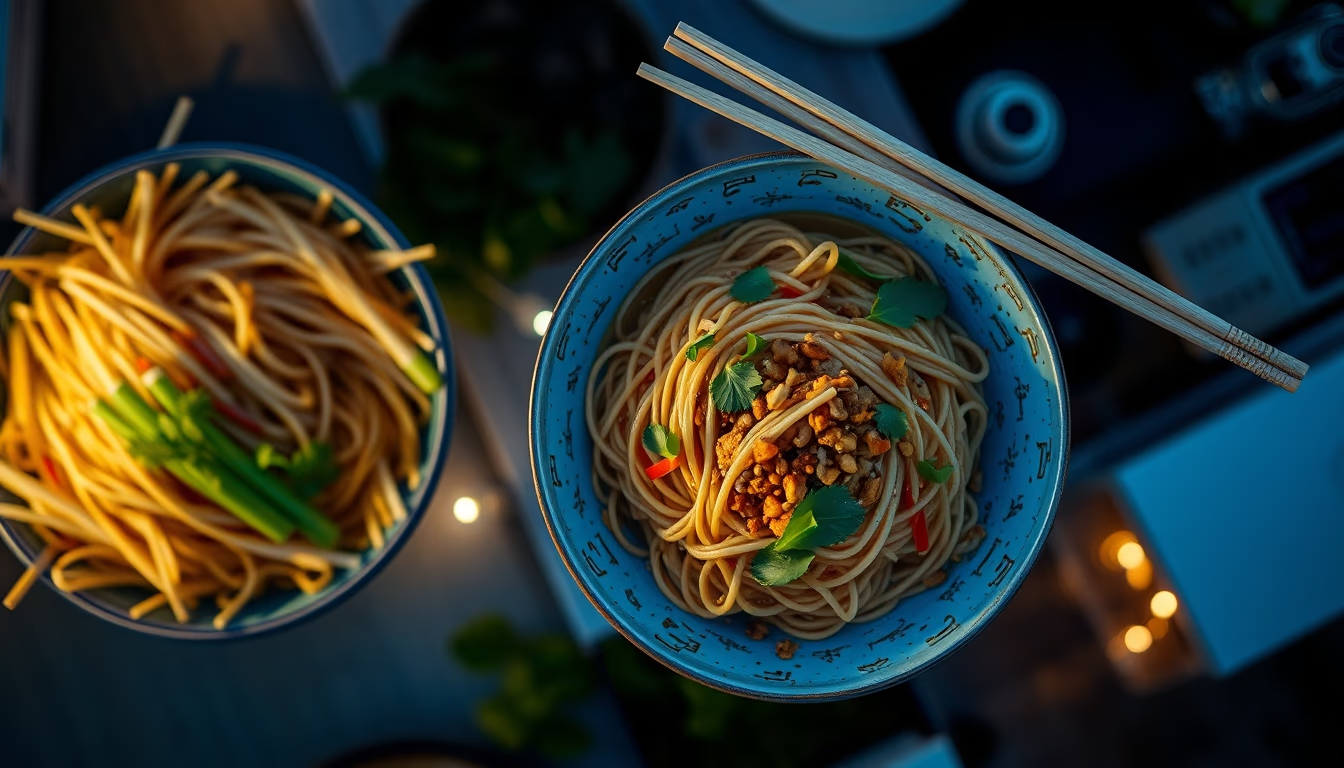
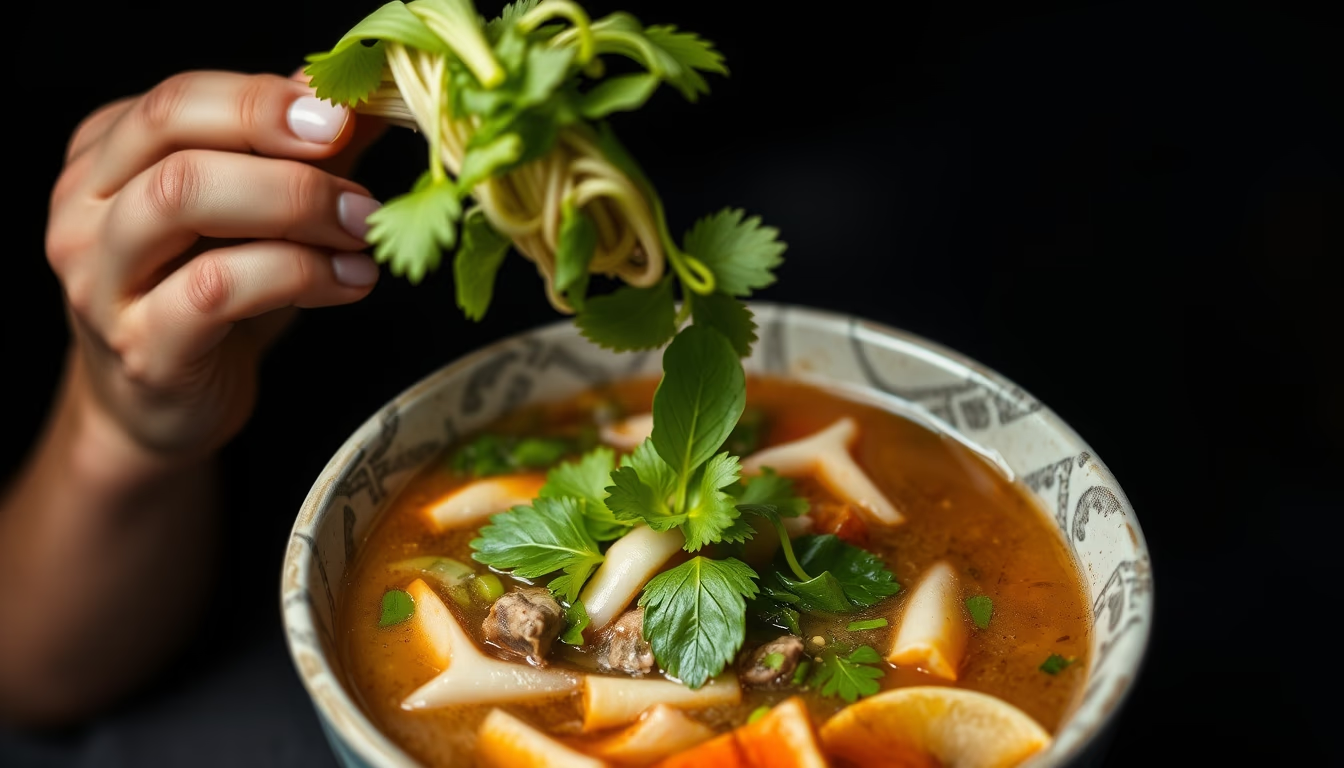
Kimchi fermented korean
1344×768 · AVIF · CC BY 4.0
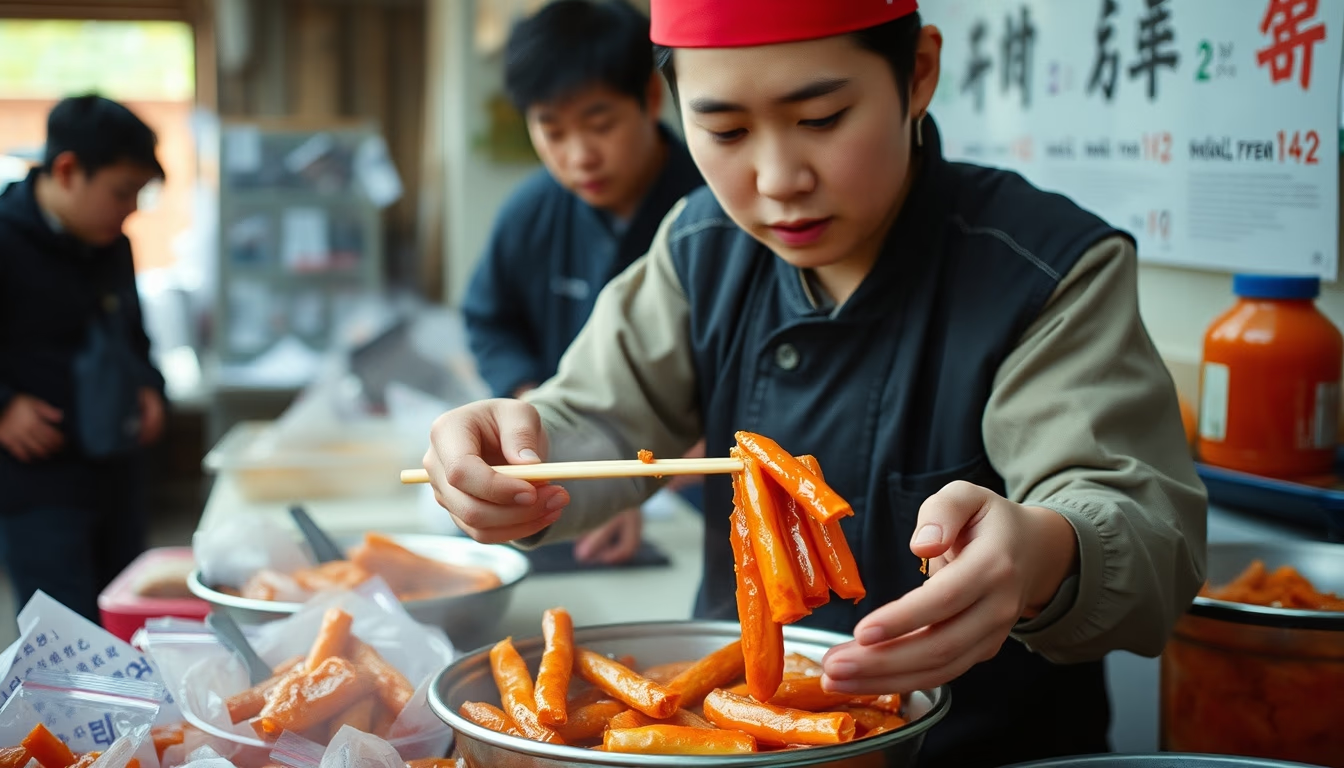
Kimchi is a Korean fermented dish made from vegetables like napa cabbage and radish, seasoned with chili, garlic, ginger, and seafood.
About this subject
Kimchi is a traditional Korean fermented food recognized as a UNESCO Intangible Cultural Heritage in 2013. Its main ingredients are napa cabbage (baechu) or Korean radish (mu), which are brined and then seasoned with a paste of Korean chili powder (gochugaru), garlic, ginger, scallions, and often fermented seafood like jeotgal (shrimp or fish). Fermentation occurs at room temperature for days to weeks, developing a sour, spicy, and complex flavor.
There are hundreds of kimchi varieties in Korean cuisine. Besides the classic baechu kimchi, there is kkakdugi (diced radish kimchi), oi sobagi (stuffed cucumber kimchi), and nabak kimchi (watery radish and cabbage kimchi). Each region and family has its own recipe passed down through generations. Kimchi is ubiquitous on Korean tables, served as a side dish (banchan) at every meal, including breakfast.
Nutritionally, kimchi is rich in probiotics, vitamins (A, B, C), and minerals, while being low in calories. Studies link regular consumption to digestive, immune, and anti-inflammatory benefits. The natural lactic fermentation produces lactobacilli that support gut health. Kimchi is also versatile: used in stews (kimchi jjigae), pancakes (kimchi jeon), fried rice, or even in Western dishes like tacos and burgers.
Historically, kimchi emerged as a method to preserve vegetables during harsh Korean winters. Before the introduction of red chili peppers from the Americas in the 16th century, kimchi was merely salted and fermented. By the 18th century, chili became essential, creating the spicy version we know today. Nowadays, kimchi is produced industrially and exported worldwide, but many families still prepare their seasonal kimchi in the tradition called kimjang, a communal activity recognized by UNESCO.
Frequently Asked Questions
What is kimchi?
Kimchi is a Korean fermented dish primarily made from napa cabbage or radish, seasoned with chili, garlic, ginger, and seafood. Natural fermentation by lactic acid bacteria gives it a sour and spicy flavor.
What are the health benefits of kimchi?
Kimchi is rich in probiotics, vitamins, and minerals. Studies suggest it improves digestion, boosts the immune system, and has anti-inflammatory properties.
How is kimchi traditionally prepared in Korea?
Traditionally, kimchi is prepared during the seasonal event called kimjang, where families gather to season and ferment large quantities of vegetables. The ingredients are salted, rinsed, coated with chili paste, and left to ferment in earthenware pots (onggi).
Direct URL
https://pub-c7d6a6ea828543ac903a74a341ccb2e1.r2.dev/imagens/kimchi-fermented-korean-film-grain-authentic-fresh5.avifHow to credit
Include a visible link back to UtilizAí. Copy one of the snippets below:
<a href="https://xn--utiliza-eza.com/en/midia/imagens/kimchi-fermented-korean-film-grain-authentic-fresh5">Kimchi fermented korean</a> by <a href="https://xn--utiliza-eza.com">UtilizAí</a>, licensed under <a href="https://creativecommons.org/licenses/by/4.0/">CC BY 4.0</a>.
[Kimchi fermented korean](https://xn--utiliza-eza.com/en/midia/imagens/kimchi-fermented-korean-film-grain-authentic-fresh5) by [UtilizAí](https://xn--utiliza-eza.com), CC BY 4.0
License: CC-BY-4.0