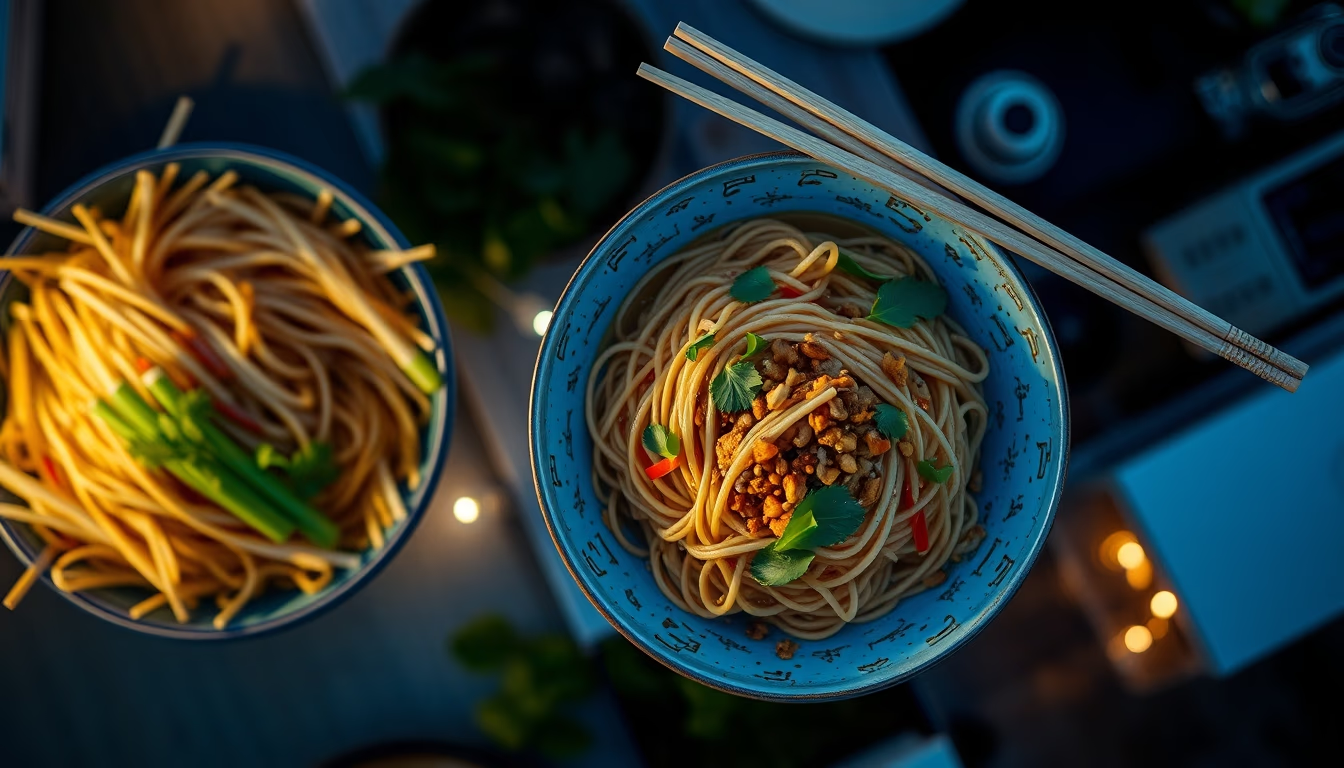
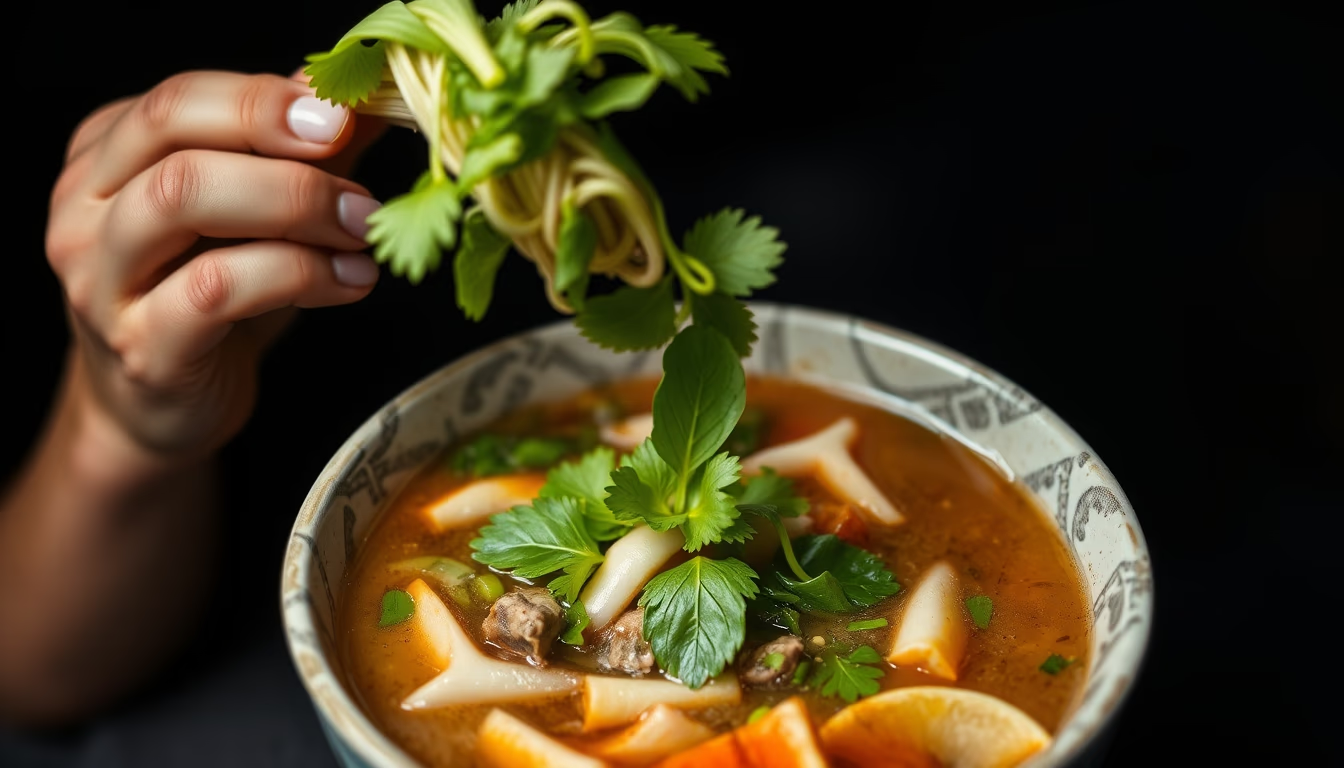
Kimchi fermented korean
1344×768 · AVIF · CC BY 4.0
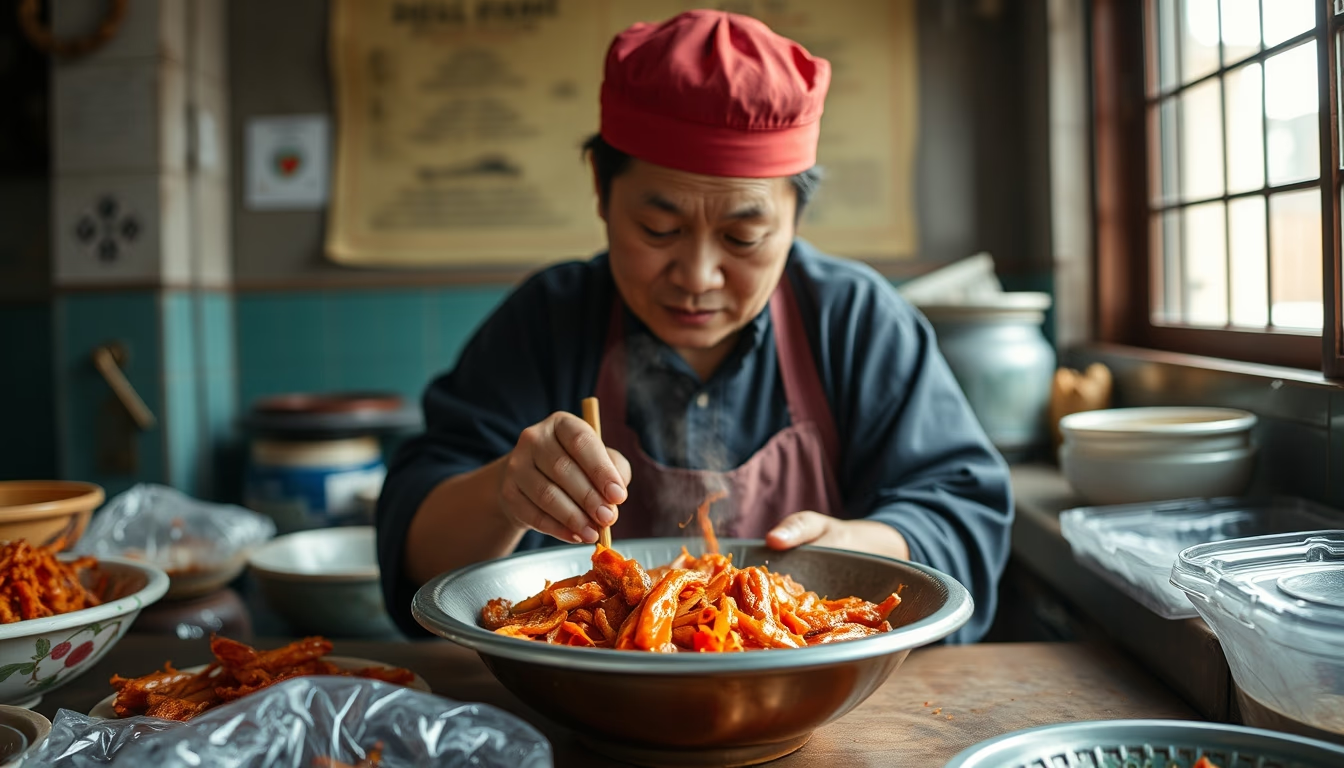
Kimchi is a Korean fermented vegetable dish, typically made with napa cabbage and radish, seasoned with chili, garlic, and ginger, fundamental in Korean cuisine.
About this subject
Kimchi is a traditional Korean dish made from fermented vegetables, most commonly napa cabbage and Korean radish, seasoned with gochugaru (Korean chili powder), garlic, ginger, and jeotgal (salted seafood). Its origins date back to at least the Three Kingdoms period of Korea (57 BCE, 668 CE), when fermentation was used to preserve vegetables through harsh winters. Today, there are hundreds of varieties, including cucumber kimchi (oi sobagi) and young radish kimchi (ggakdugi), each offering distinct flavors and textures.
Culturally, kimchi holds immense significance: in 2013, UNESCO added kimjang (the practice of making and sharing kimchi) to its Representative List of the Intangible Cultural Heritage of Humanity. Kimjang is a communal event where families prepare large batches of kimchi for winter, reinforcing social bonds and passing down recipes. Nutritionally, kimchi is revered for its probiotic properties from lactic acid fermentation, along with vitamins A, B, and C, and dietary fiber.
A fascinating fact is that Korean kimchi differs from Chinese pao cai or German sauerkraut due to its generous use of chili and fermented seafood. During the Joseon Dynasty (1392, 1910), kimchi was milder; the introduction of chili peppers from the Americas in the 16th century revolutionized the recipe. Today, kimchi enjoys global popularity, with adaptations such as vegan versions (using soy sauce or miso instead of fish sauce) and fusion dishes like kimchi tacos. Its distinct pungent flavor and crunchy texture make it a staple banchan (side dish) in any Korean meal.
Frequently Asked Questions
What is the difference between kimchi and sauerkraut?
Kimchi is seasoned with Korean chili flakes (gochugaru), garlic, and ginger, while sauerkraut uses only salt and sometimes caraway. Kimchi also commonly includes seafood-based sauces and a wider variety of vegetables like napa cabbage and radish.
Is kimchi healthy?
Yes, as a fermented food, kimchi contains probiotics that aid digestion and boost immunity. It is rich in vitamins A, B, and C, and antioxidants. However, high-sodium varieties can be less suitable for those on low-salt diets.
How is kimchi traditionally eaten?
Kimchi is served as a side dish (banchan) with almost every Korean meal. It is also used in stews (kimchi jjigae), fried rice (kimchi bokkeumbap), and pancakes (kimchi jeon). It can be eaten fresh or aged, with older kimchi used in cooking for a stronger flavor.
Direct URL
https://pub-c7d6a6ea828543ac903a74a341ccb2e1.r2.dev/imagens/kimchi-fermented-korean-documentary-photography-fresh13.avifHow to credit
Include a visible link back to UtilizAí. Copy one of the snippets below:
<a href="https://xn--utiliza-eza.com/en/midia/imagens/kimchi-fermented-korean-documentary-photography-fresh13">Kimchi fermented korean</a> by <a href="https://xn--utiliza-eza.com">UtilizAí</a>, licensed under <a href="https://creativecommons.org/licenses/by/4.0/">CC BY 4.0</a>.
[Kimchi fermented korean](https://xn--utiliza-eza.com/en/midia/imagens/kimchi-fermented-korean-documentary-photography-fresh13) by [UtilizAí](https://xn--utiliza-eza.com), CC BY 4.0
License: CC-BY-4.0