Kimchi fermented korean
1344×768 · AVIF · CC BY 4.0
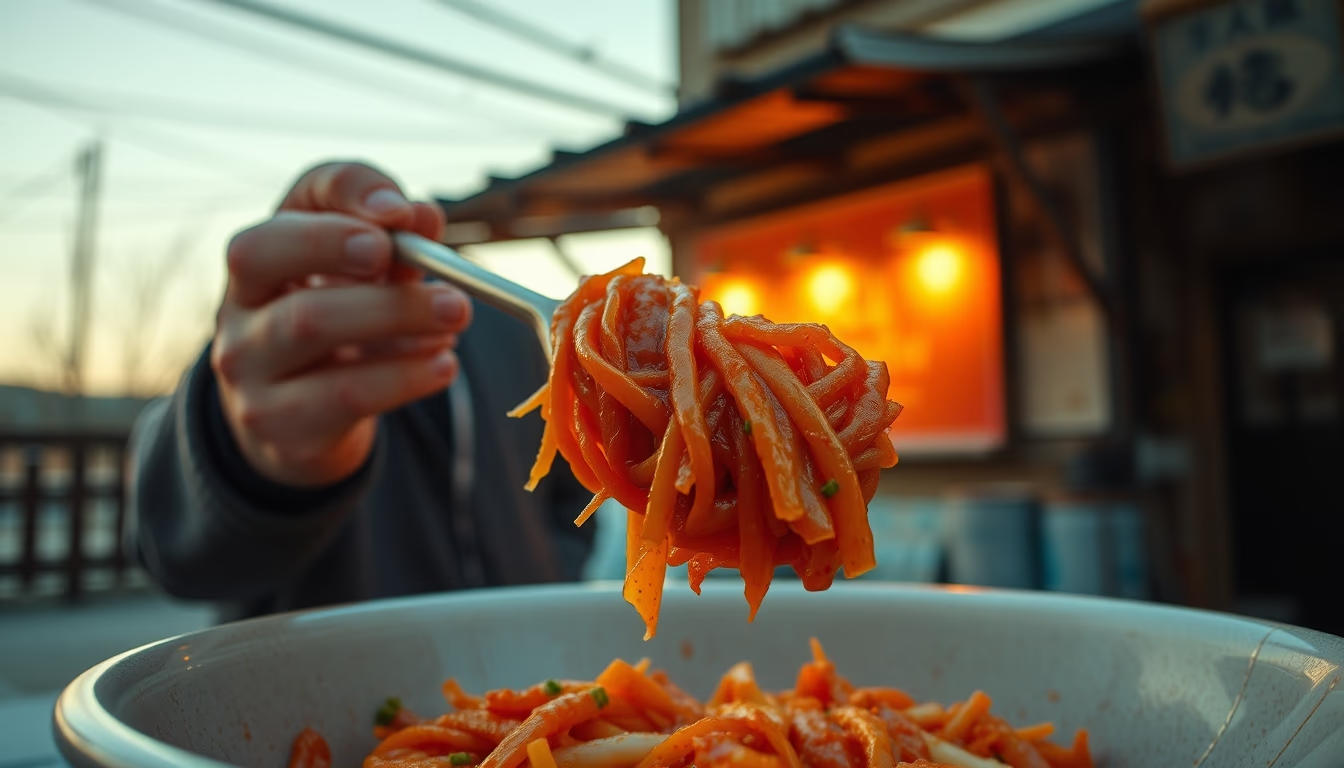
Kimchi is a Korean fermented vegetable dish, typically made with napa cabbage and radish, seasoned with chili, garlic, and ginger, central to Korean cuisine and culture.
About this subject
Kimchi is a cornerstone of Korean cuisine, with a history stretching back over three thousand years. Originally, fermentation was used as a method to preserve vegetables during Korea's harsh winters. Over time, the recipe evolved, incorporating ingredients like red chili flakes (gochugaru), introduced to Korea from the 16th century onward through trade with Japan and Europe. Today, there are hundreds of kimchi varieties, with baechu kimchi (made from napa cabbage) being the most famous internationally.
The fermentation process of kimchi is a complex microbiological phenomenon. Lactic acid bacteria such as Lactobacillus kimchii and Leuconostoc mesenteroides develop during fermentation, contributing to its characteristic tangy flavor and probiotic benefits. Scientific studies indicate that regular consumption of kimchi may aid digestive health, boost the immune system, and even reduce inflammation. Fermentation occurs at low temperatures, traditionally in earthenware pots called onggi, which allow the contents to breathe.
Culturally, kimchi is deeply embedded in Korean identity. In 2013, UNESCO inscribed 'kimjang', the tradition of preparing and sharing kimchi, as an Intangible Cultural Heritage of Humanity. Korean families gather annually in autumn to prepare large quantities of kimchi for winter consumption. Beyond nutrition, kimchi symbolizes cooperation and community bonds. In South Korea, the Kimchi Promotion Agency estimates that each Korean consumes about 20 kilograms of kimchi per year.
Despite its Korean origin, kimchi has gained global popularity in recent decades, found in supermarkets worldwide and adapted to different tastes. Vegan versions, low-sodium options, and regional variations (such as cucumber or radish kimchi) broaden its appeal. Kimchi is also a versatile ingredient in contemporary cooking, used in dishes like kimchi jjigae (stew), kimchi bokkeumbap (fried rice), and even pizza and tacos. Its combination of natural fermentation, spices, and crunchy texture makes it a unique food, prized for both its flavor and health benefits.
Frequently Asked Questions
What is kimchi?
Kimchi is a Korean fermented dish, typically made from napa cabbage and radish, seasoned with chili, garlic, ginger, and other seasonings. It is a traditional side dish in Korean meals.
What are the health benefits of kimchi?
Kimchi is rich in probiotics from fermentation, which support gut health. It also contains vitamins (A, B, C) and antioxidants, potentially boosting immunity and reducing inflammation.
How is kimchi traditionally prepared?
Traditional preparation involves salting the vegetables, rinsing them, then mixing with a paste of chili, garlic, ginger, and other ingredients. The mixture is fermented in earthenware pots (onggi) at low temperature for days or weeks.
Direct URL
https://pub-c7d6a6ea828543ac903a74a341ccb2e1.r2.dev/imagens/kimchi-fermented-korean-cinematic-wide-shot-fresh14.avifHow to credit
Include a visible link back to UtilizAí. Copy one of the snippets below:
<a href="https://xn--utiliza-eza.com/en/midia/imagens/kimchi-fermented-korean-cinematic-wide-shot-fresh14">Kimchi fermented korean</a> by <a href="https://xn--utiliza-eza.com">UtilizAí</a>, licensed under <a href="https://creativecommons.org/licenses/by/4.0/">CC BY 4.0</a>.
[Kimchi fermented korean](https://xn--utiliza-eza.com/en/midia/imagens/kimchi-fermented-korean-cinematic-wide-shot-fresh14) by [UtilizAí](https://xn--utiliza-eza.com), CC BY 4.0
License: CC-BY-4.0