Kabuki stage japanese
1344×768 · AVIF · CC BY 4.0
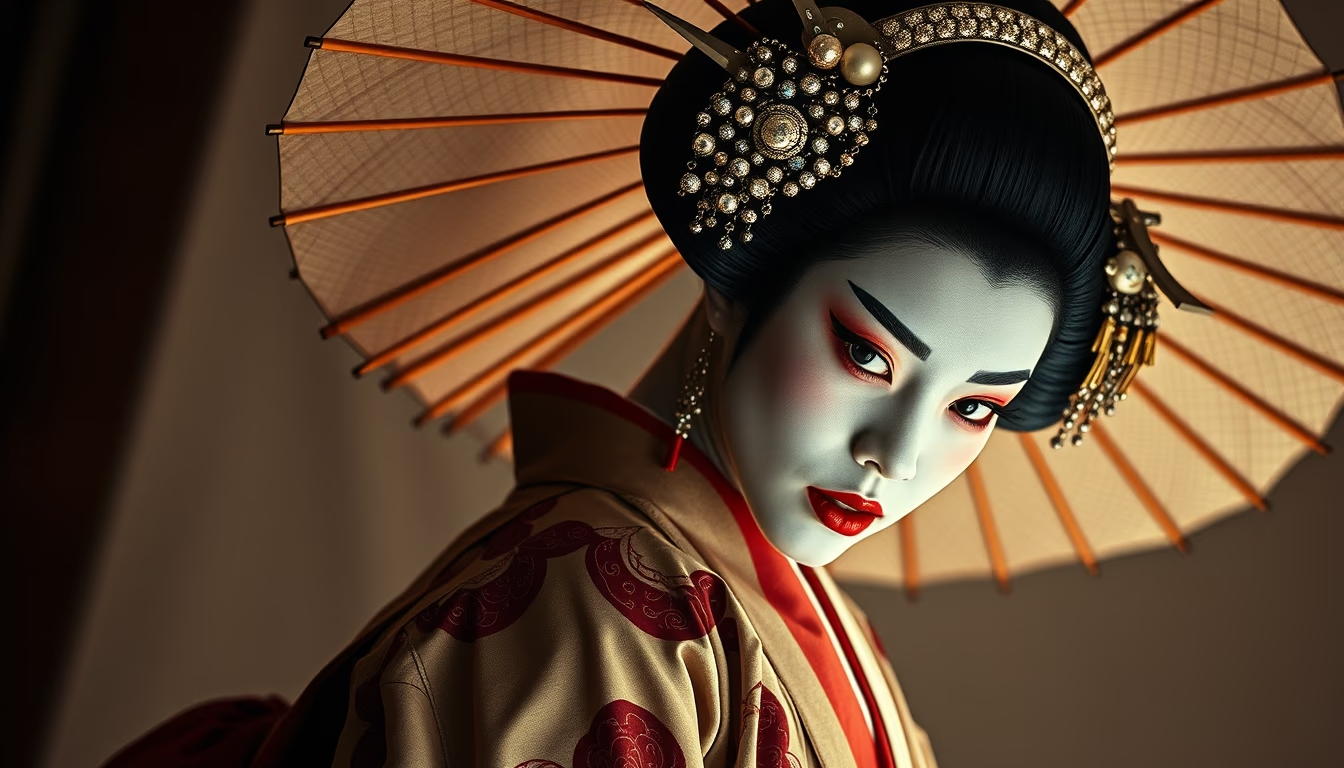
Kabuki is a traditional Japanese theater form combining dance, drama, and music, known for its elaborate costumes and striking makeup.
About this subject
Kabuki originated in the early 17th century when a Shinto priestess named Izumo no Okuni began performing dramatic dances in dry riverbeds in Kyoto. The style quickly evolved into a highly stylized theater with all-male actors (even in female roles, called onnagata). Performances are marked by exaggerated movements, dramatic poses (mie), and a soundtrack of shamisen, flutes, and drums.
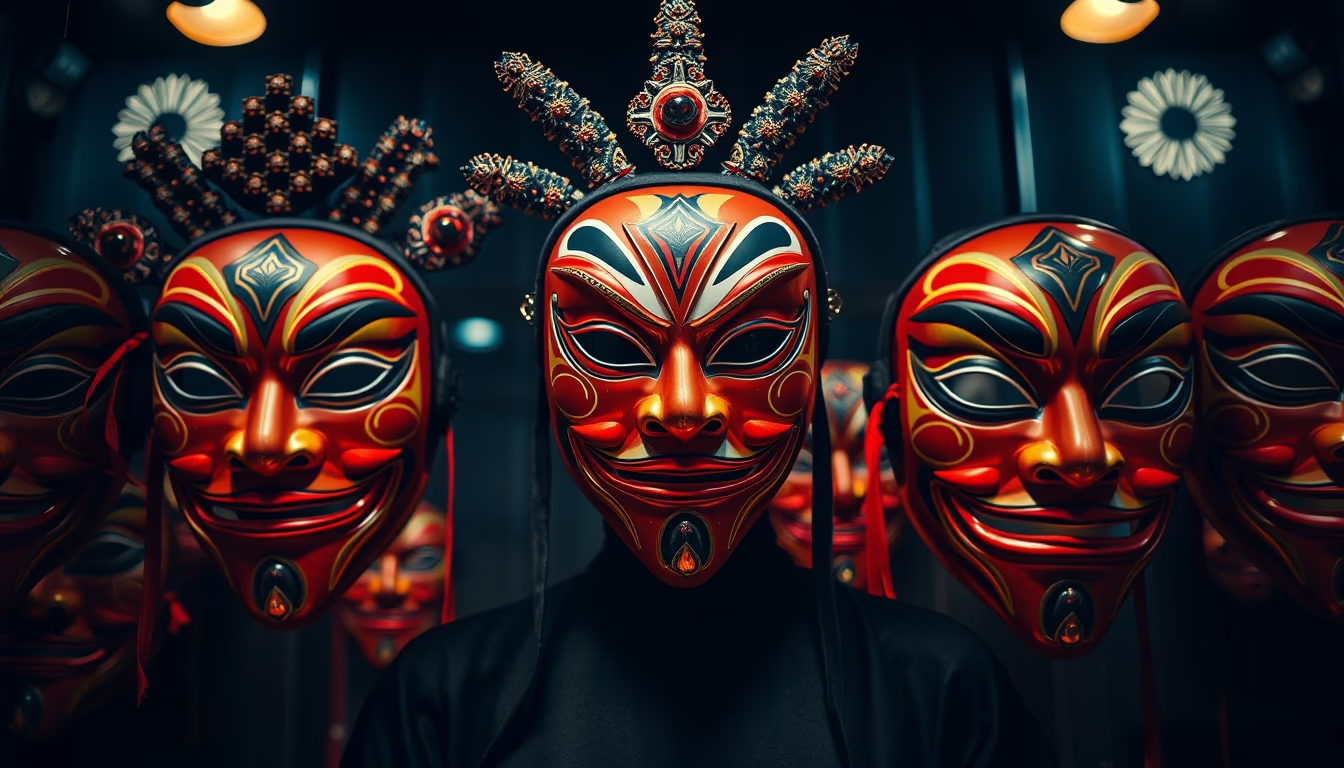
The kabuki stage features unique architectural elements like the hanamichi (a runway through the audience), revolving platforms, and trapdoors. The kumadori makeup, with vibrant colors such as red, blue, and black, symbolizes characters' emotions and virtues. Costumes are extremely heavy and elaborate, often weighing over 20 kilograms, and can take hours to put on.
Culturally, Kabuki was declared a UNESCO Intangible Cultural Heritage of Humanity in 2005. Although it faced periods of censorship and decline, it remains popular in Japan and internationally. In recent years, haute couture designers frequently draw inspiration from the patterns, colors, and silhouettes of kabuki costumes, incorporating elements like obi kimono and theatrical makeup into runway collections.
Kabuki's influence on contemporary fashion is visible in shows by brands such as Alexander McQueen, Yohji Yamamoto, and Marc Jacobs. The dramatic aesthetic, theatricality, and contrast between traditional and avant-garde make Kabuki a recurring source of inspiration for fashion editorials, as in the 'high-fashion editorial' context mentioned.
Frequently Asked Questions
What is Kabuki?
Kabuki is a traditional Japanese theater form combining dance, drama, and music. It originated in the 17th century and is known for its highly stylized performances, colorful makeup (kumadori), and elaborate costumes. All roles are performed by men.
How does Kabuki influence fashion?
Haute couture designers often draw inspiration from the patterns, colors, and silhouettes of kabuki costumes. Elements such as obi kimono, dramatic makeup, and theatricality appear in collections by brands like Alexander McQueen, Yohji Yamamoto, and Marc Jacobs.
What are the key elements of a kabuki stage?
The kabuki stage features a runway called hanamichi that extends through the audience, revolving platforms (mawari butai), and trapdoors for dramatic entrances and exits. The kumadori makeup uses colors like red (passion), blue (villainy), and black (supernatural) to represent emotions.
Direct URL
https://pub-c7d6a6ea828543ac903a74a341ccb2e1.r2.dev/imagens/kabuki-stage-japanese-high-fashion-editorial-fresh13.avifHow to credit
Include a visible link back to UtilizAí. Copy one of the snippets below:
<a href="https://xn--utiliza-eza.com/en/midia/imagens/kabuki-stage-japanese-high-fashion-editorial-fresh13">Kabuki stage japanese</a> by <a href="https://xn--utiliza-eza.com">UtilizAí</a>, licensed under <a href="https://creativecommons.org/licenses/by/4.0/">CC BY 4.0</a>.
[Kabuki stage japanese](https://xn--utiliza-eza.com/en/midia/imagens/kabuki-stage-japanese-high-fashion-editorial-fresh13) by [UtilizAí](https://xn--utiliza-eza.com), CC BY 4.0
License: CC-BY-4.0