Kabuki stage japanese
1344×768 · AVIF · CC BY 4.0
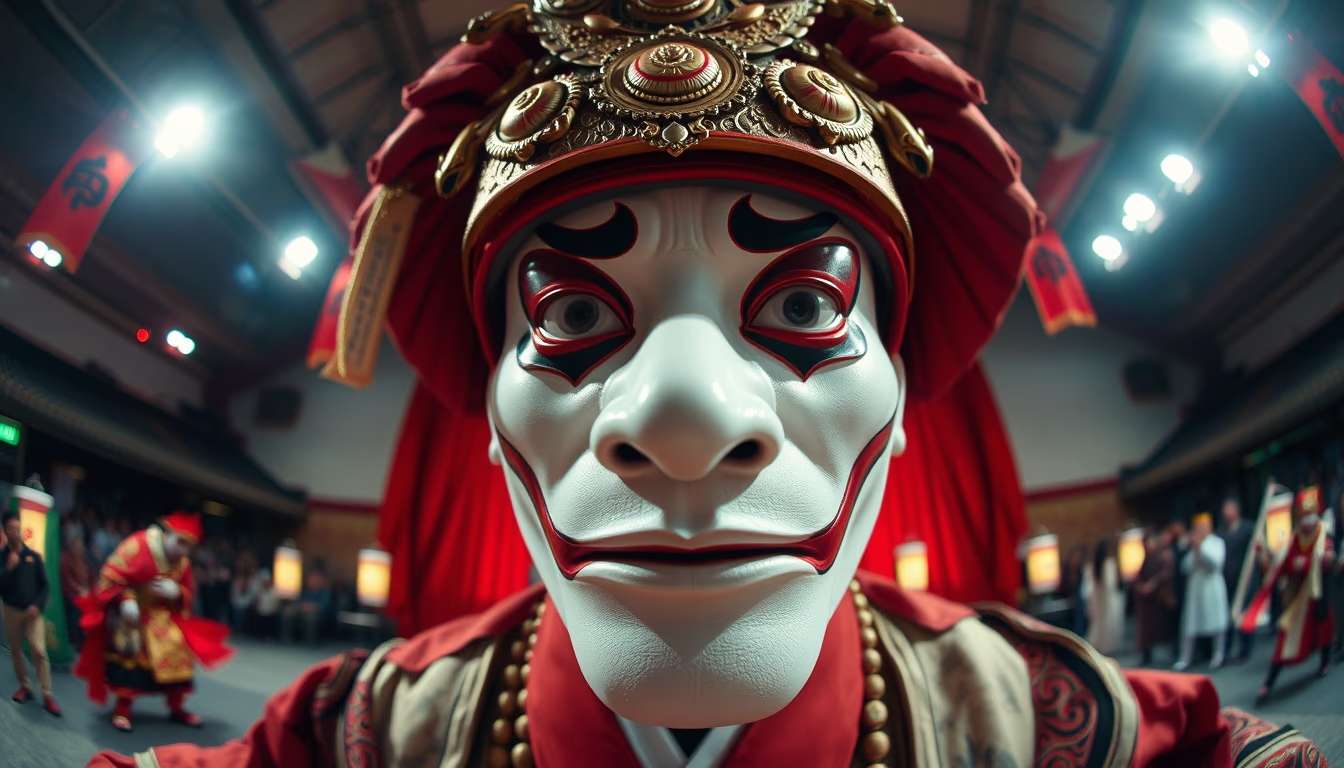
Japanese Kabuki theater combines drama, music, and dance in elaborate performances with striking sets and costumes.
About this subject
Kabuki is a classical Japanese dance-drama that originated in the early Edo period, around the 17th century. It was created by Izumo no Okuni, a Shinto priestess, and initially performed exclusively by women. However, in 1629 the Tokugawa shogunate banned female performers due to moral concerns, leading to the rise of onnagata, male actors specializing in female roles. Kabuki is renowned for its stylized performances, white oshiroi makeup, and elaborate costumes, as well as stage elements like the hanamichi (runway through the audience) and mawari butai (revolving stage). The plays often depict historical events, moral conflicts, or love stories, with exaggerated movements and dramatic poses called mie. Kabuki was inscribed on the UNESCO Intangible Cultural Heritage list in 2005, and remains a popular attraction in Japan and abroad.
Frequently Asked Questions
What is the hanamichi in Kabuki theater?
The hanamichi is a raised runway that extends through the audience from the back to the stage. It is used for dramatic entrances and exits, bringing actors closer to the audience.
Why do Kabuki actors wear white makeup?
The white makeup, called oshiroi, helps emphasize facial expressions and symbolizes traits like nobility or supernatural power. Colors have meanings: red for heroes, blue for villains.
Is Kabuki still performed today?
Yes, Kabuki is regularly performed in Japan, especially at theaters like Kabukiza in Tokyo. There are also international tours and modern adaptations that keep the tradition alive.
Direct URL
https://pub-c7d6a6ea828543ac903a74a341ccb2e1.r2.dev/imagens/kabuki-stage-japanese-fish-eye-wide-angle-fresh0.avifHow to credit
Include a visible link back to UtilizAí. Copy one of the snippets below:
<a href="https://xn--utiliza-eza.com/en/midia/imagens/kabuki-stage-japanese-fish-eye-wide-angle-fresh0">Kabuki stage japanese</a> by <a href="https://xn--utiliza-eza.com">UtilizAí</a>, licensed under <a href="https://creativecommons.org/licenses/by/4.0/">CC BY 4.0</a>.
[Kabuki stage japanese](https://xn--utiliza-eza.com/en/midia/imagens/kabuki-stage-japanese-fish-eye-wide-angle-fresh0) by [UtilizAí](https://xn--utiliza-eza.com), CC BY 4.0
License: CC-BY-4.0