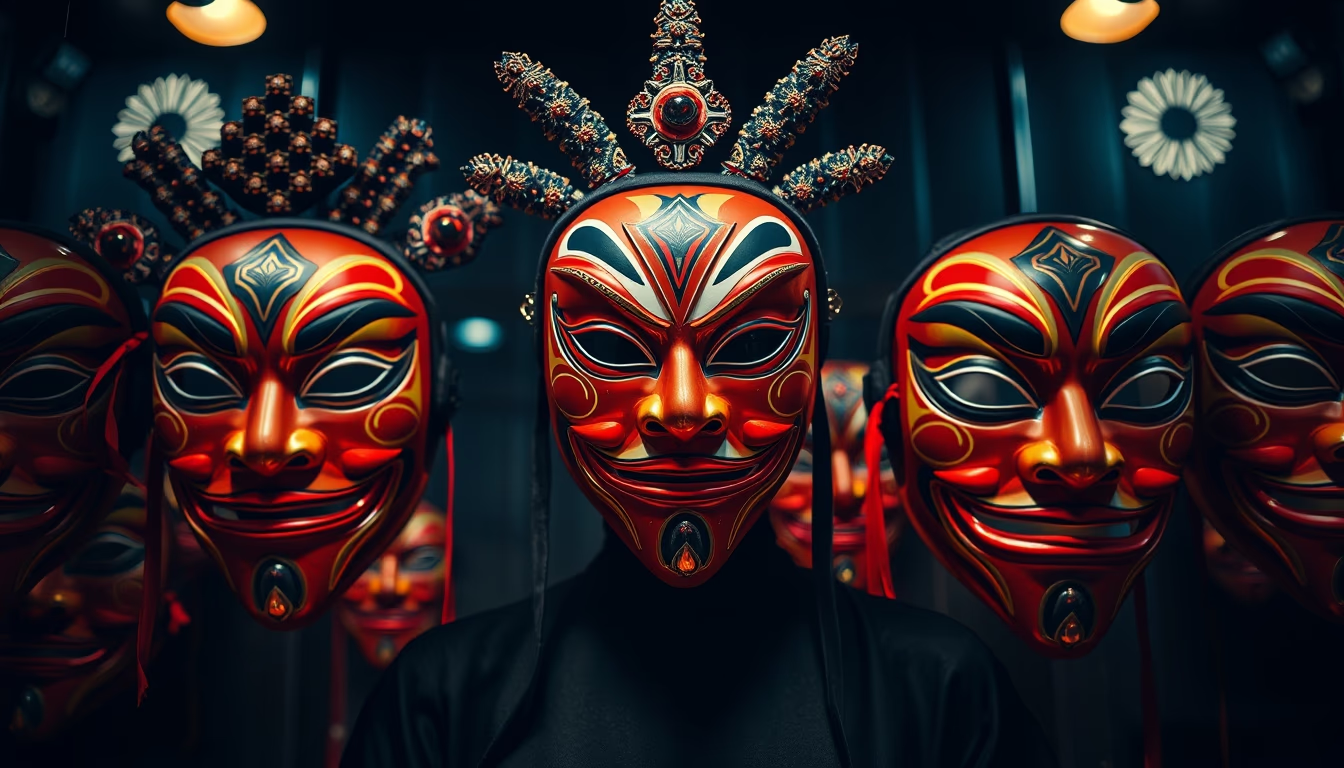
Kabuki stage japanese
1344×768 · AVIF · CC BY 4.0
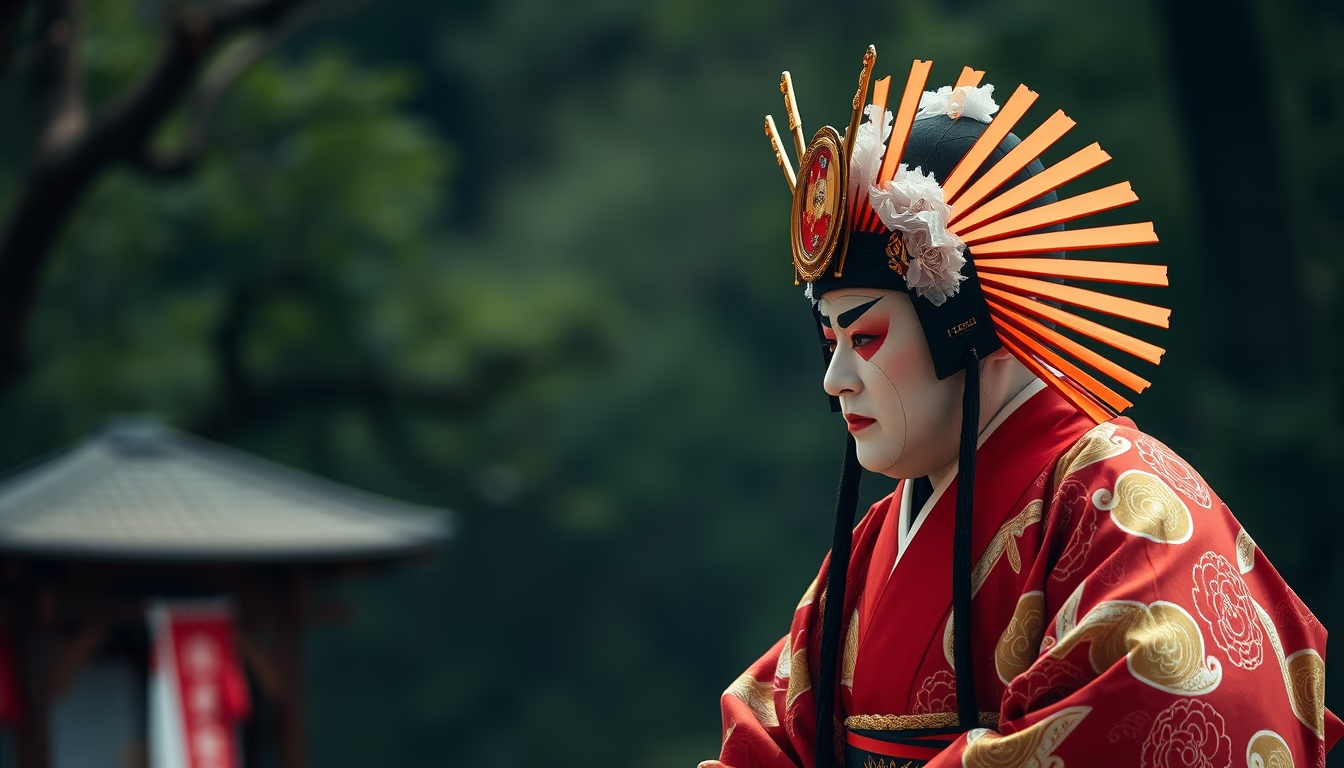
The kabuki stage is the heart of traditional Japanese theater, a space where drama, music, and dance blend into an ancient art form.
About this subject
Kabuki originated in the early Edo period, around 1603, when Izumo no Okuni, a Shinto priestess, began performing theatrical dances in dry riverbeds in Kyoto. It quickly evolved into an elaborate theater form, with exclusively male actors (after 1629, when women were banned from the stage). The kabuki stage is renowned for its complexity: it features a runway called hanamichi that cuts through the audience for dramatic entrances and exits, along with rotating platforms and trapdoors for special effects.
The stage structure is highly symbolic. Sets often depict historical locations or stylized landscapes, with intricate paintings and props. Traditional lighting used candles and oil lamps, but today combines electric light with ancestral techniques. Actors wear vibrant makeup (kumadori) and extravagant costumes that indicate their role: heroes, villains, spirits, or comedic characters. Every movement and pose follows a strict code, with stylized gestures that convey emotions to the audience.
Kabuki was declared an Intangible Cultural Heritage by UNESCO in 2005. Despite its historical roots, it remains popular in modern Japan, with regular performances at theaters such as the Kabukiza in Tokyo. The art form has influenced film, manga, and Western theater. Music, performed with shamisen, drums, and flutes, accompanies the narrative, while kuroko (assistants dressed in black) manipulate props and scenery visibly without breaking the theatrical illusion.
Frequently Asked Questions
What does the word 'kabuki' mean?
Kabuki is composed of three kanji characters: 'ka' (song), 'bu' (dance), and 'ki' (skill). Originally, the word referred to something eccentric or shocking, reflecting the bold style of the theater.
Why are kabuki actors only men?
In 1629, the Tokugawa government banned women from performing due to moral concerns. Since then, female roles are played by specialized actors called onnagata, who train for years to master feminine gestures and speech.
What is the purpose of the hanamichi on the kabuki stage?
The hanamichi is a runway that cuts through the audience, used for dramatic entrances, exits, and key scenes. It symbolizes the connection between the real world and the world of the play.
Direct URL
https://pub-c7d6a6ea828543ac903a74a341ccb2e1.r2.dev/imagens/kabuki-stage-japanese-documentary-nature-style-fresh12.avifHow to credit
Include a visible link back to UtilizAí. Copy one of the snippets below:
<a href="https://xn--utiliza-eza.com/en/midia/imagens/kabuki-stage-japanese-documentary-nature-style-fresh12">Kabuki stage japanese</a> by <a href="https://xn--utiliza-eza.com">UtilizAí</a>, licensed under <a href="https://creativecommons.org/licenses/by/4.0/">CC BY 4.0</a>.
[Kabuki stage japanese](https://xn--utiliza-eza.com/en/midia/imagens/kabuki-stage-japanese-documentary-nature-style-fresh12) by [UtilizAí](https://xn--utiliza-eza.com), CC BY 4.0
License: CC-BY-4.0