Kabuki masks display
1344×768 · AVIF · CC BY 4.0
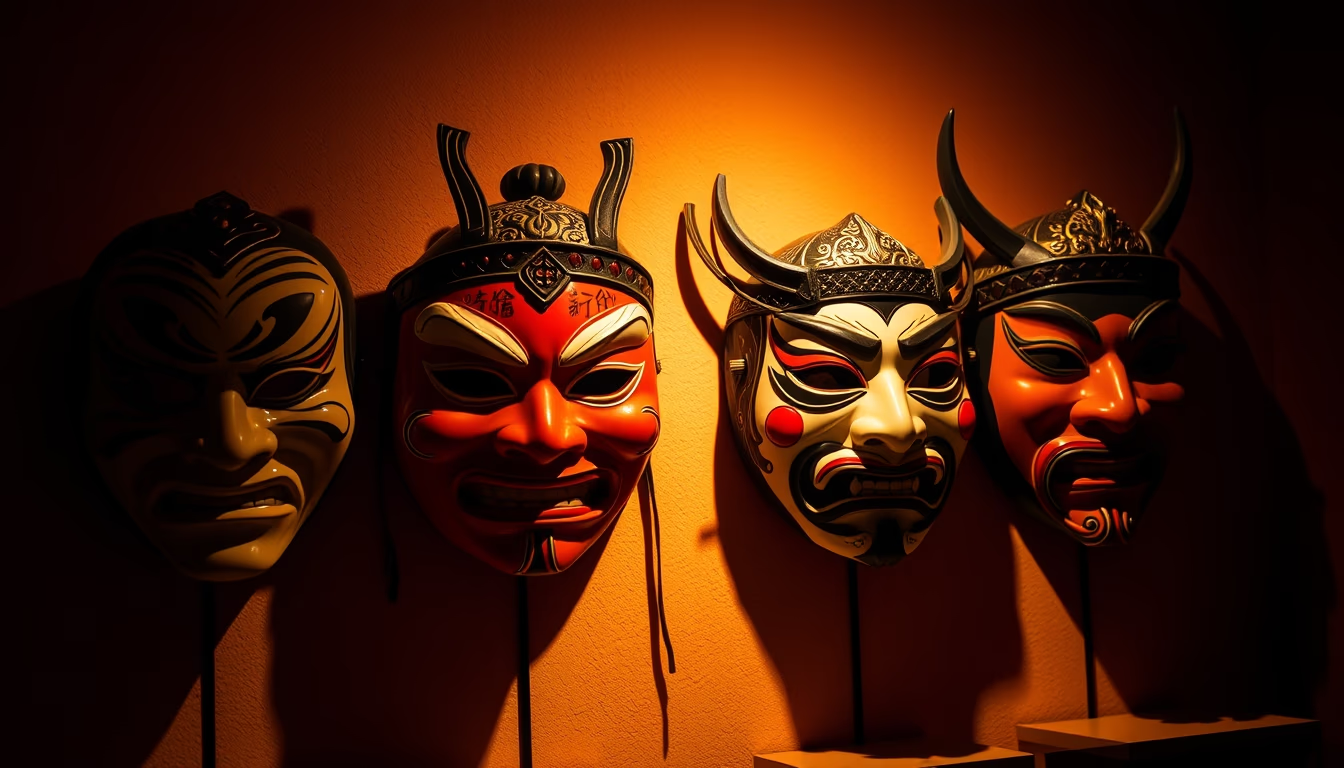
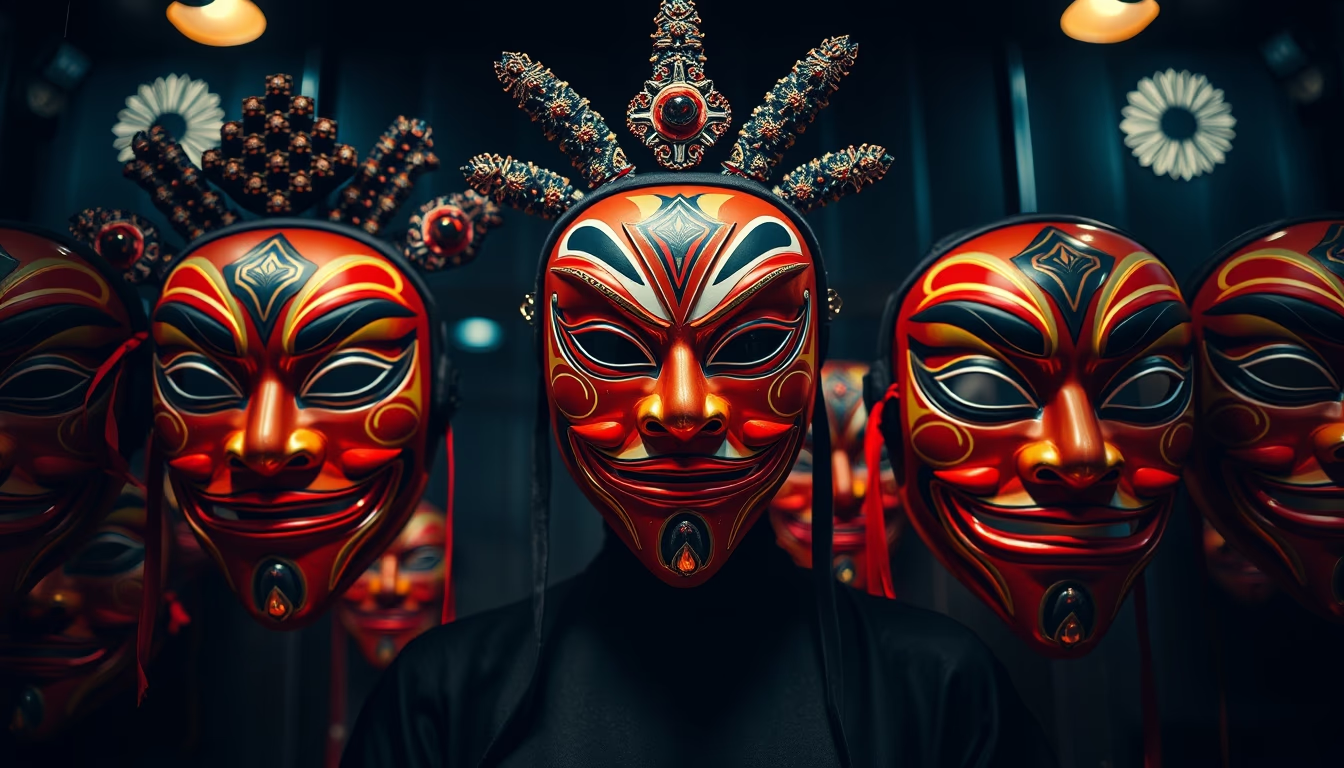
Kabuki masks are central elements of traditional Japanese theater, each representing specific archetypes and emotions through exaggerated expressions and symbolic colors.
About this subject
Kabuki theater originated in the early Edo period (17th century) in Japan, created by Izumo no Okuni. Unlike Noh, which uses full-face masks, Kabuki employs partial masks or facial painting (kumadori) that highlight psychological traits of characters. Kabuki masks, though less common than in Noh, are used in specific plays to represent supernatural beings, animals, or characters with exaggerated features. They are carved from cypress wood (hinoki) and painted with natural pigments. Each color carries meaning: red for virtue and passion; blue for villainy and fear; brown for selfishness; black for fear; purple for nobility. Facial expressions are fixed, but actors use head movements and lighting to convey different emotional states. Famous masks include the tengu (mythical long-nosed creature) and the kitsune (fox). Today, these masks are also collectibles and decorative items, admired for their artistry and symbolism. Dramatic lighting techniques, such as Rembrandt-style chiaroscuro, accentuate the contours and textures of the masks, evoking the original theatrical atmosphere.
Frequently Asked Questions
What is the difference between Kabuki and Noh masks?
Noh masks cover the entire face and are used for female, elderly, or divine characters. In Kabuki, masks are partial and often replaced by facial painting (kumadori), allowing more dynamic and colorful expressions.
What materials are used to make Kabuki masks?
Traditionally, they are carved from Japanese cypress wood (hinoki) and painted with natural pigments. Today, resin or papier-mâché may also be used for decorative replicas.
What do the colors on Kabuki masks signify?
Red indicates virtue or passion; blue, villainy or fear; brown, selfishness; black, fear; purple, nobility; and green, the supernatural. The colors help the audience quickly identify a character's nature.
Direct URL
https://pub-c7d6a6ea828543ac903a74a341ccb2e1.r2.dev/imagens/kabuki-masks-display-rembrandt-lighting-dramatic-shadows-fresh7.avifHow to credit
Include a visible link back to UtilizAí. Copy one of the snippets below:
<a href="https://xn--utiliza-eza.com/en/midia/imagens/kabuki-masks-display-rembrandt-lighting-dramatic-shadows-fresh7">Kabuki masks display</a> by <a href="https://xn--utiliza-eza.com">UtilizAí</a>, licensed under <a href="https://creativecommons.org/licenses/by/4.0/">CC BY 4.0</a>.
[Kabuki masks display](https://xn--utiliza-eza.com/en/midia/imagens/kabuki-masks-display-rembrandt-lighting-dramatic-shadows-fresh7) by [UtilizAí](https://xn--utiliza-eza.com), CC BY 4.0
License: CC-BY-4.0