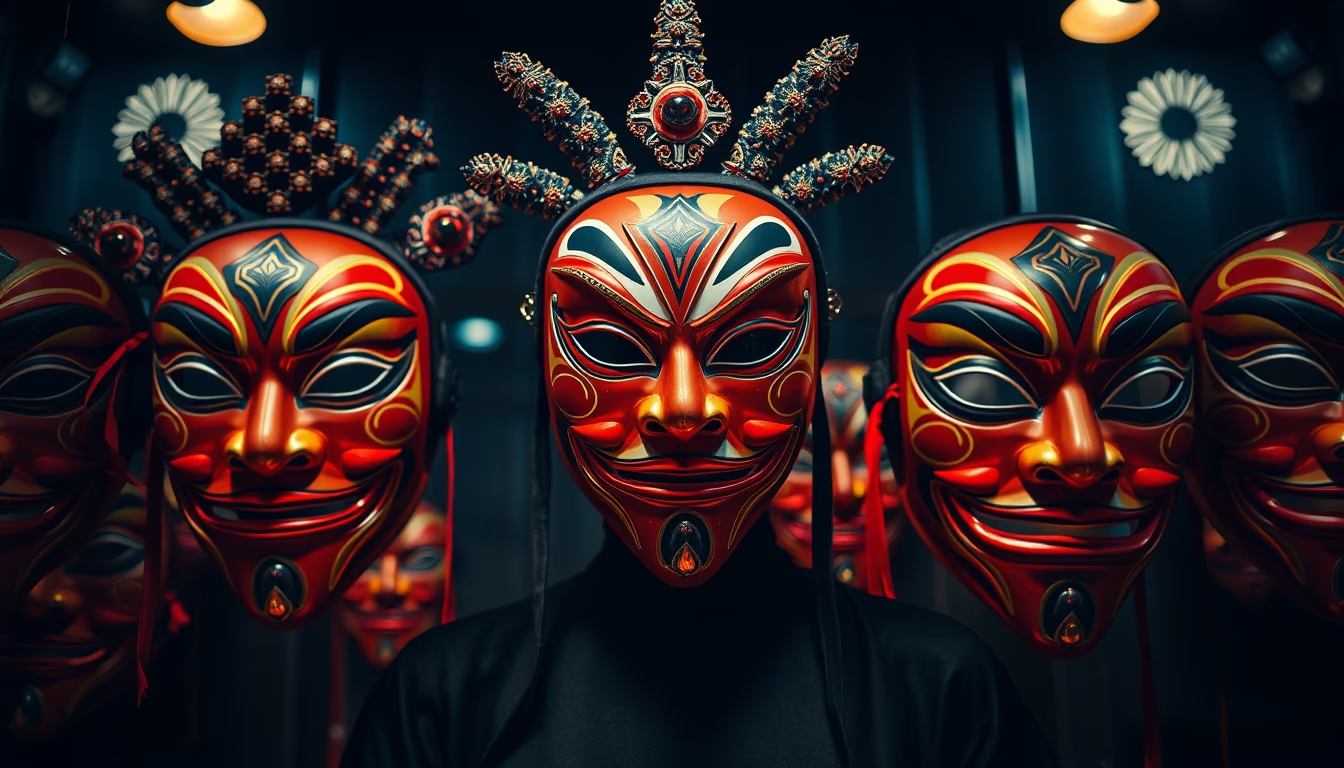
Kabuki masks display
1344×768 · AVIF · CC BY 4.0
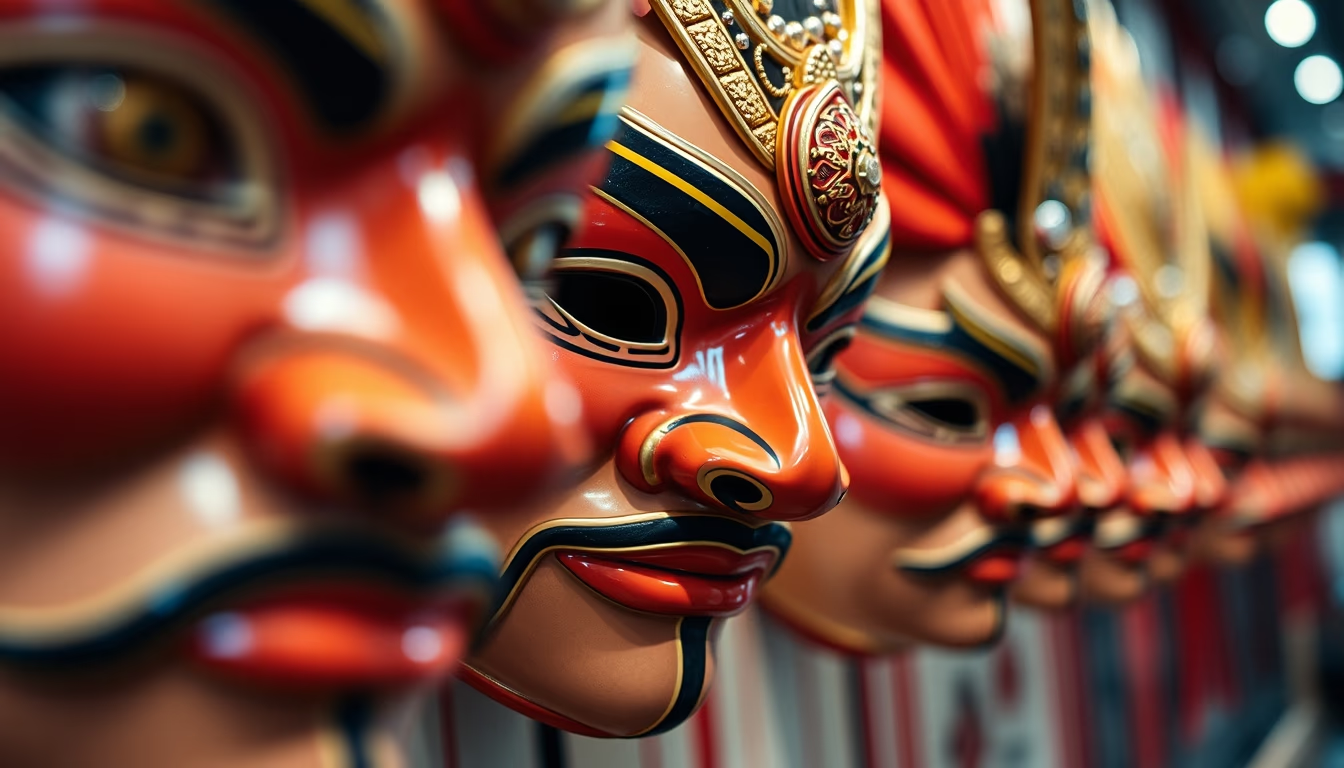
Kabuki masks are essential elements of traditional Japanese theater, symbolizing exaggerated emotions and characters.
About this subject
Kabuki theater, which originated in the early Edo period (17th century), is known for its dramatic and extravagant visual style. Unlike Noh theater, which uses masks in most performances, Kabuki primarily employs heavy makeup (kumadori) to enhance expressions, but it also uses masks for specific roles such as animals, ghosts, and deities. These masks are handmade wooden carvings, often covered with gesso and hand-painted with vibrant colors that carry symbolic meanings: red represents virtue and passion, dark blue indicates villainy and fear, and white denotes nobility or the supernatural. Kabuki masks range from stylized human faces to fantastic creatures, each designed to convey intense emotions like anger, joy, or sadness in an exaggerated manner fitting the theatrical style.
Crafting a Kabuki mask requires great skill. Specialized artisans known as kashira-shi carve Japanese cypress (hinoki) or paulownia wood, ensuring lightness and durability. After sculpting, they apply layers of lacquer and natural pigments, finishing with details such as hair made from horsehair or silk threads. Each mask is unique and represents a specific character from classic plays, such as the heroes of the "Chushingura" tale or demons from the play "Kanadehon Chushingura." Some masks have movable parts, like articulated jaws or moving eyes, allowing dynamic expressions during performance.
Culturally, Kabuki masks are not only theatrical props but also art objects and collectibles. Exhibitions in museums and souvenir shops in Japan display everything from affordable replicas to original antique pieces, valued for their beauty and history. Kabuki aesthetics have influenced global pop culture, appearing in anime, manga, and even tattoos. For enthusiasts, understanding the details of the masks enriches appreciation of Japanese theater, revealing layers of meaning beyond mere visual representation.
Frequently Asked Questions
What are Kabuki masks?
Kabuki masks are masks used in Japanese Kabuki theater to represent non-human characters such as animals, ghosts, and deities, or to exaggerate expressions. Unlike standard makeup (kumadori), masks are carved from wood and hand-painted with symbolic colors.
How are Kabuki masks made?
Artisans carve cypress or paulownia wood, apply gesso, and paint with natural pigments. Details like hair are made from horsehair or silk. Some masks have movable parts for dynamic expressions.
What is the difference between Kabuki and Noh masks?
Noh theater uses masks for most roles, with neutral expressions for the audience to interpret. Kabuki uses masks only for specific roles, favoring exaggerated makeup (kumadori). Kabuki masks are more colorful and expressive.
Direct URL
https://pub-c7d6a6ea828543ac903a74a341ccb2e1.r2.dev/imagens/kabuki-masks-display-macro-closeup-fresh12.avifHow to credit
Include a visible link back to UtilizAí. Copy one of the snippets below:
<a href="https://xn--utiliza-eza.com/en/midia/imagens/kabuki-masks-display-macro-closeup-fresh12">Kabuki masks display</a> by <a href="https://xn--utiliza-eza.com">UtilizAí</a>, licensed under <a href="https://creativecommons.org/licenses/by/4.0/">CC BY 4.0</a>.
[Kabuki masks display](https://xn--utiliza-eza.com/en/midia/imagens/kabuki-masks-display-macro-closeup-fresh12) by [UtilizAí](https://xn--utiliza-eza.com), CC BY 4.0
License: CC-BY-4.0