Kabuki masks display
1344×768 · AVIF · CC BY 4.0
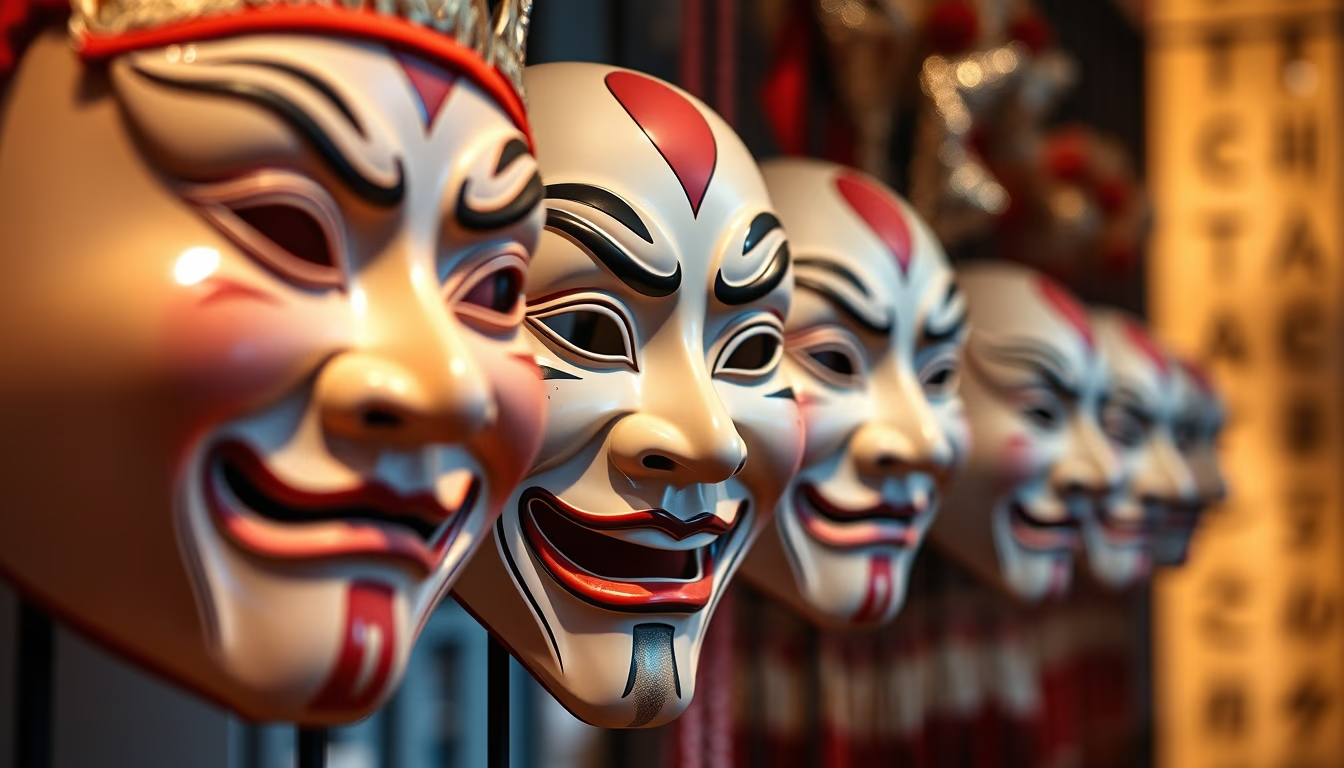
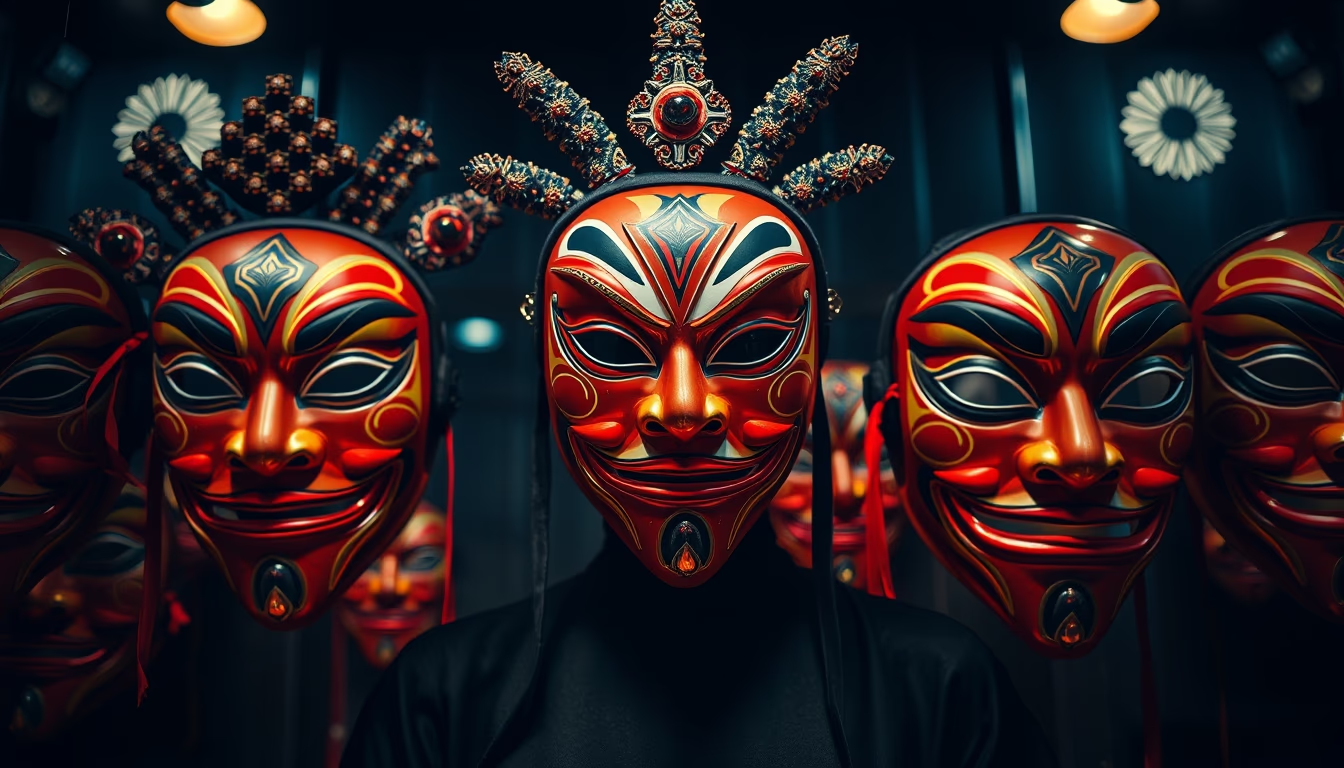
Display of kabuki masks, classical Japanese dance-drama combining dance, theater and music, with masks representing classic roles like heroes, villains, and women.
About this subject
Kabuki originated in the early Edo period, around 1603, with dancer Izumo no Okuni. Unlike Noh, which uses more subtle and static masks, kabuki masks are exaggerated and expressive, allowing the audience to quickly identify character types: heroines (onna), dark-faced villains (kage), red-faced heroes (akai), and others. Each mask is carved from cypress wood and hand-painted with natural pigments, a process requiring years of training by specialized artisans.
Masks are not merely stage props; many are collected as works of art. The display in a vitrine, as shown, highlights the variety of expressions and colors that represent the wide emotional spectrum of kabuki plays: joy, sadness, anger, and madness. Kabuki was recognized by UNESCO as an Intangible Cultural Heritage of Humanity in 2005, and masks are a fundamental part of its visual identity.
The tradition of carving kabuki masks follows techniques preserved by families of artisans over centuries. Each master develops their own style, but all respect canons established in the Edo period. Exhibiting masks in glass cases allows the public to appreciate details that go unnoticed on stage, such as the texture of the wood and the precision of the brushstrokes that define the characters' expressions.
Frequently Asked Questions
What is the difference between kabuki masks and noh masks?
Kabuki masks are more exaggerated and expressive, while noh masks are subtle and static. Kabuki also uses face painting (kumadori) that replaces masks for certain characters, unlike noh which always uses masks.
How are kabuki masks made?
They are carved from cypress wood, sanded, and painted with natural pigments based on minerals and plants. The process can take weeks, with multiple layers of paint and varnish to ensure durability.
What is the importance of masks in kabuki?
Masks help define the character's nature and emotion instantly. They also preserve the visual tradition of kabuki, being key elements in transmitting the Japanese theatrical aesthetic.
Direct URL
https://pub-c7d6a6ea828543ac903a74a341ccb2e1.r2.dev/imagens/kabuki-masks-display-fine-art-photography-fresh14.avifHow to credit
Include a visible link back to UtilizAí. Copy one of the snippets below:
<a href="https://xn--utiliza-eza.com/en/midia/imagens/kabuki-masks-display-fine-art-photography-fresh14">Kabuki masks display</a> by <a href="https://xn--utiliza-eza.com">UtilizAí</a>, licensed under <a href="https://creativecommons.org/licenses/by/4.0/">CC BY 4.0</a>.
[Kabuki masks display](https://xn--utiliza-eza.com/en/midia/imagens/kabuki-masks-display-fine-art-photography-fresh14) by [UtilizAí](https://xn--utiliza-eza.com), CC BY 4.0
License: CC-BY-4.0