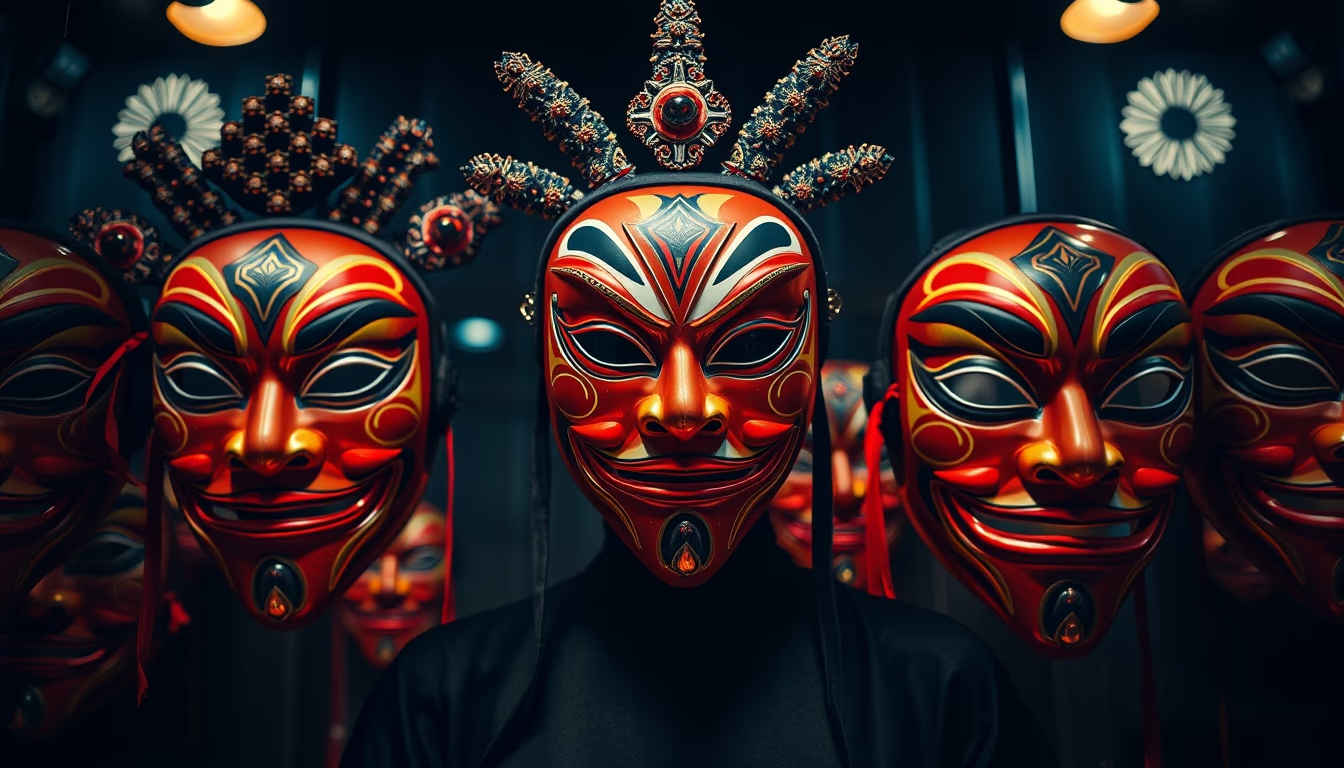
Kabuki masks display
1344×768 · AVIF · CC BY 4.0
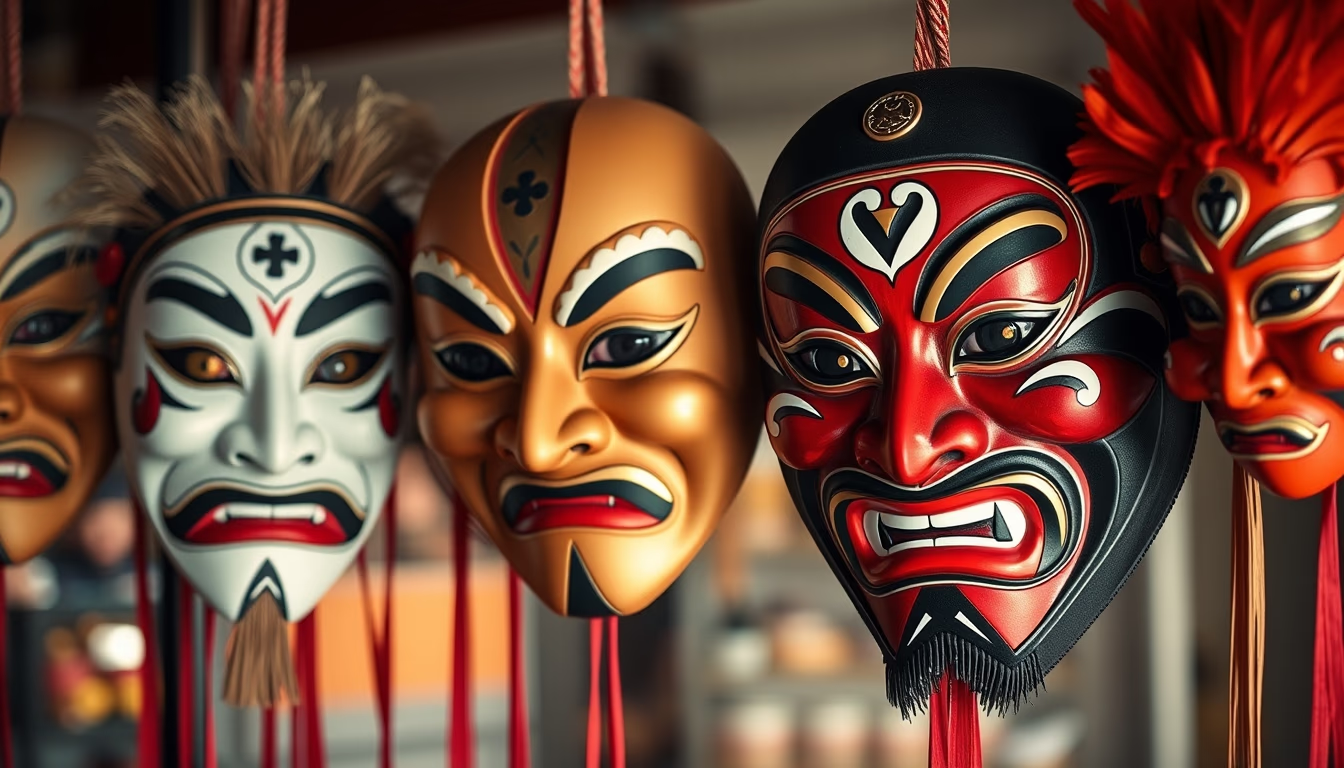
Kabuki masks are essential pieces of Japanese theater, representing characters with codified expressions that convey emotions and social status.
About this subject
Kabuki is a traditional Japanese theater form that originated in the early 17th century, known for its stylized dance, music, and acting. Kabuki masks are used to represent supernatural beings, animals, or mythological figures, unlike Noh masks which are more subtle and focus on human emotions. They are a fundamental part of characterization, allowing actors to fully transform into their roles.
There are various types of kabuki masks, each with specific meanings. Colors and facial features are codified: red symbolizes heroism or bravery, while blue or purple indicates villainy or supernatural characters. Arched eyebrows, elongated noses, and open or closed mouths convey emotions like anger, joy, or sadness. Masks of oni (demons) and tengu (mountain creatures) are particularly popular.
The crafting of kabuki masks is an art form in itself. They are hand-carved from hinoki wood (Japanese cypress), a lightweight and durable material. Artisans apply multiple layers of natural paint, such as lacquer and mineral pigments, to create vibrant and lasting colors. Each mask is unique and can take weeks to complete. The craft is passed down through generations, with specialized schools preserving traditional techniques.
Culturally, kabuki masks are more than stage props; they are considered art objects and are often displayed in museums and collections. They represent Japan's rich cultural heritage and continue to be used in contemporary performances. The display of these masks offers a window into the complexity and beauty of kabuki theater, which was recognized by UNESCO as an Intangible Cultural Heritage.
Frequently Asked Questions
What is the difference between kabuki masks and noh masks?
Kabuki masks are more colorful and expressive, used for supernatural and mythological characters. Noh masks are more subtle and represent human emotions.
What do the colors on kabuki masks mean?
Red indicates heroism or bravery; blue or purple indicate villainy or supernatural; black can represent nobility or mystery.
How are kabuki masks made?
They are carved from hinoki wood and hand-painted with natural pigments. The craft requires specialized skills passed down through generations.
Direct URL
https://pub-c7d6a6ea828543ac903a74a341ccb2e1.r2.dev/imagens/kabuki-masks-display-documentary-photography-fresh8.avifHow to credit
Include a visible link back to UtilizAí. Copy one of the snippets below:
<a href="https://xn--utiliza-eza.com/en/midia/imagens/kabuki-masks-display-documentary-photography-fresh8">Kabuki masks display</a> by <a href="https://xn--utiliza-eza.com">UtilizAí</a>, licensed under <a href="https://creativecommons.org/licenses/by/4.0/">CC BY 4.0</a>.
[Kabuki masks display](https://xn--utiliza-eza.com/en/midia/imagens/kabuki-masks-display-documentary-photography-fresh8) by [UtilizAí](https://xn--utiliza-eza.com), CC BY 4.0
License: CC-BY-4.0