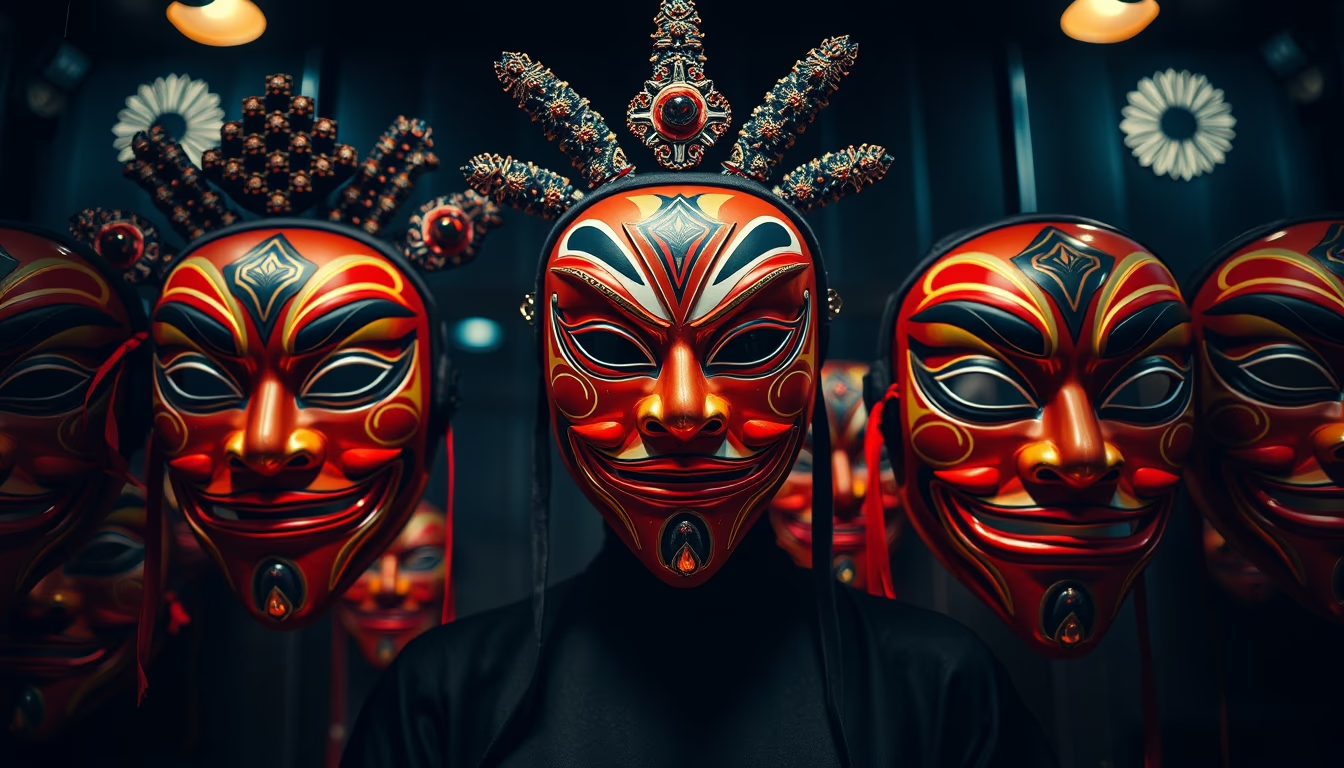
Kabuki masks display
1344×768 · AVIF · CC BY 4.0
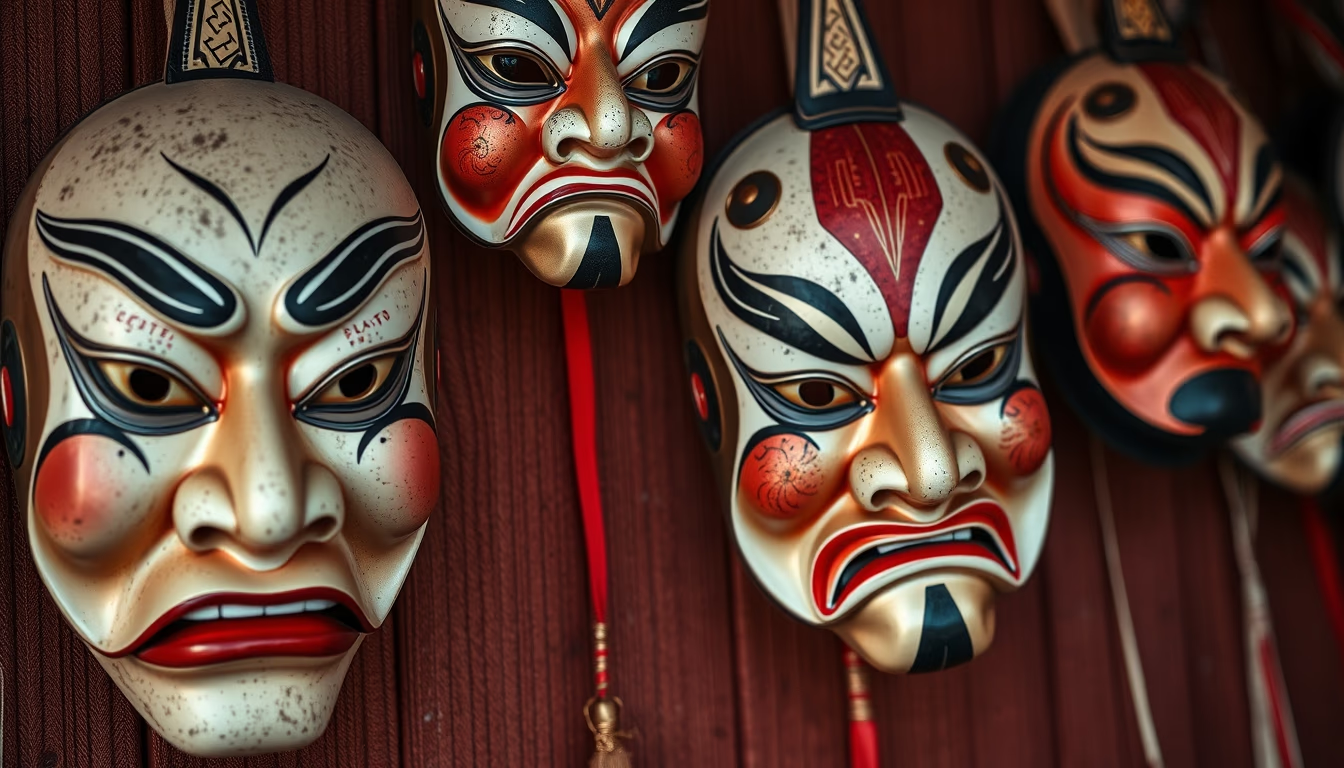
Kabuki masks are essential elements of Japanese theater, used to portray characters and emotions in traditional dramatic performances.
About this subject
Kabuki is a form of Japanese theater that emerged in the early Edo period, around the 17th century. Unlike Noh, which uses masks in almost every scene, Kabuki employs masks more selectively, primarily for supernatural characters, animals, or mythological figures. Kabuki masks are handcrafted from wood, papier-mâché, or resin, and painted by hand with vibrant colors that symbolize personality traits.
Each mask carries specific meaning. For example, the "Kitsune" mask represents a fox, an animal often associated with magical powers. The "Oni" mask portrays demons with fierce expressions, used in battle scenes. Facial expressions on the masks are exaggerated to convey clear emotions to the audience, even from a distance, as Kabuki was originally performed in large halls.
The production of Kabuki masks is considered a traditional Japanese art, passed down through generations of artisans. Carving and painting processes can take weeks for a single piece. During performances, actors wear the masks to fully transform into their characters, adding stylized gestures and choreographed movements that complement the mask.
Today, Kabuki masks are also collected as art objects and frequently displayed in museums worldwide. They represent not only theatrical aesthetics but also the rich cultural history of Japan, preserving centuries-old craftsmanship and symbolism.
Frequently Asked Questions
What is the difference between Kabuki masks and Noh masks?
Kabuki masks are used selectively for supernatural or mythological characters, while Noh masks are used for almost all roles. Kabuki masks tend to have more exaggerated expressions and brighter colors.
How are Kabuki masks made?
The masks are carved from wood, papier-mâché, or resin, then hand-painted with traditional paints. The process involves multiple layers of paint and varnish, and can take weeks to complete by a specialized artisan.
What does the Oni mask symbolize in Kabuki?
The Oni mask represents a demon or ogre, with horns and a fierce expression. It is used in fight scenes or for evil characters, symbolizing brute strength and aggression.
Direct URL
https://pub-c7d6a6ea828543ac903a74a341ccb2e1.r2.dev/imagens/kabuki-masks-display-documentary-nature-style-fresh17.avifHow to credit
Include a visible link back to UtilizAí. Copy one of the snippets below:
<a href="https://xn--utiliza-eza.com/en/midia/imagens/kabuki-masks-display-documentary-nature-style-fresh17">Kabuki masks display</a> by <a href="https://xn--utiliza-eza.com">UtilizAí</a>, licensed under <a href="https://creativecommons.org/licenses/by/4.0/">CC BY 4.0</a>.
[Kabuki masks display](https://xn--utiliza-eza.com/en/midia/imagens/kabuki-masks-display-documentary-nature-style-fresh17) by [UtilizAí](https://xn--utiliza-eza.com), CC BY 4.0
License: CC-BY-4.0