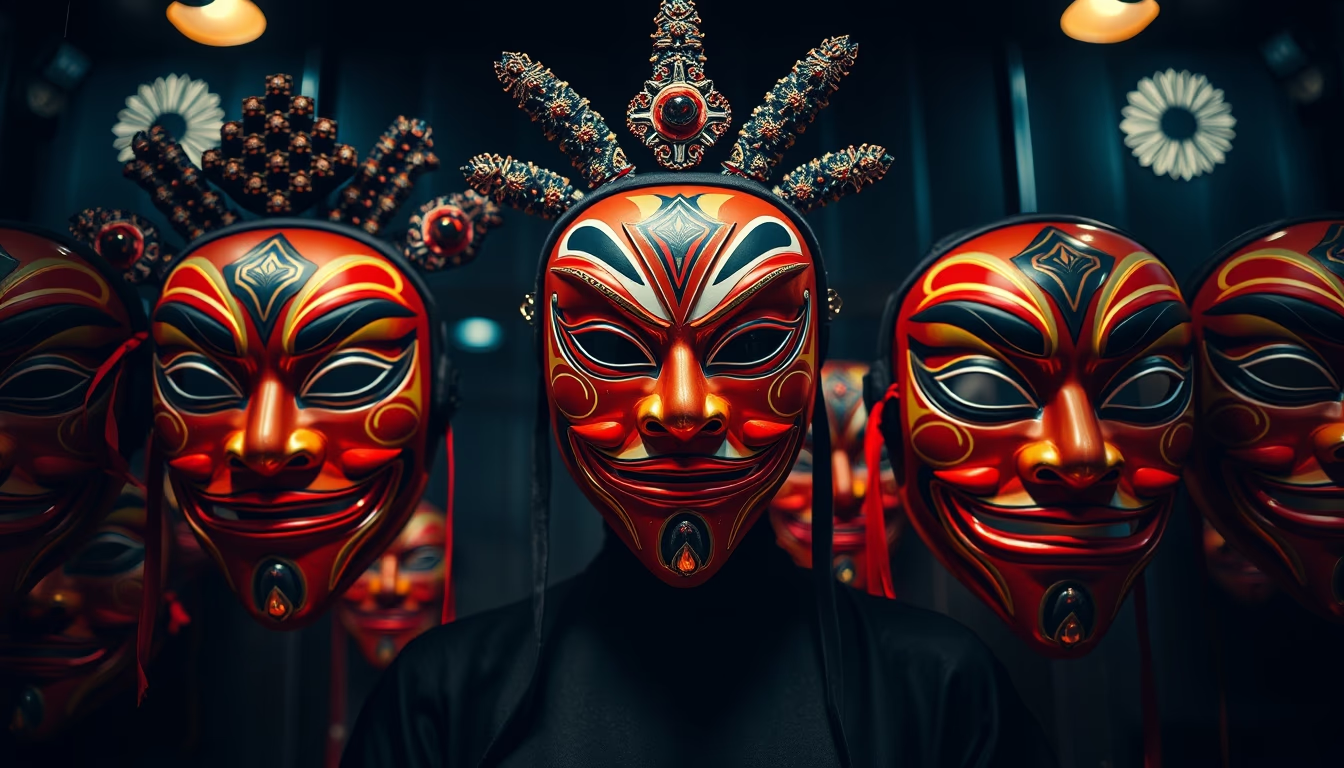
Kabuki masks display
1344×768 · AVIF · CC BY 4.0
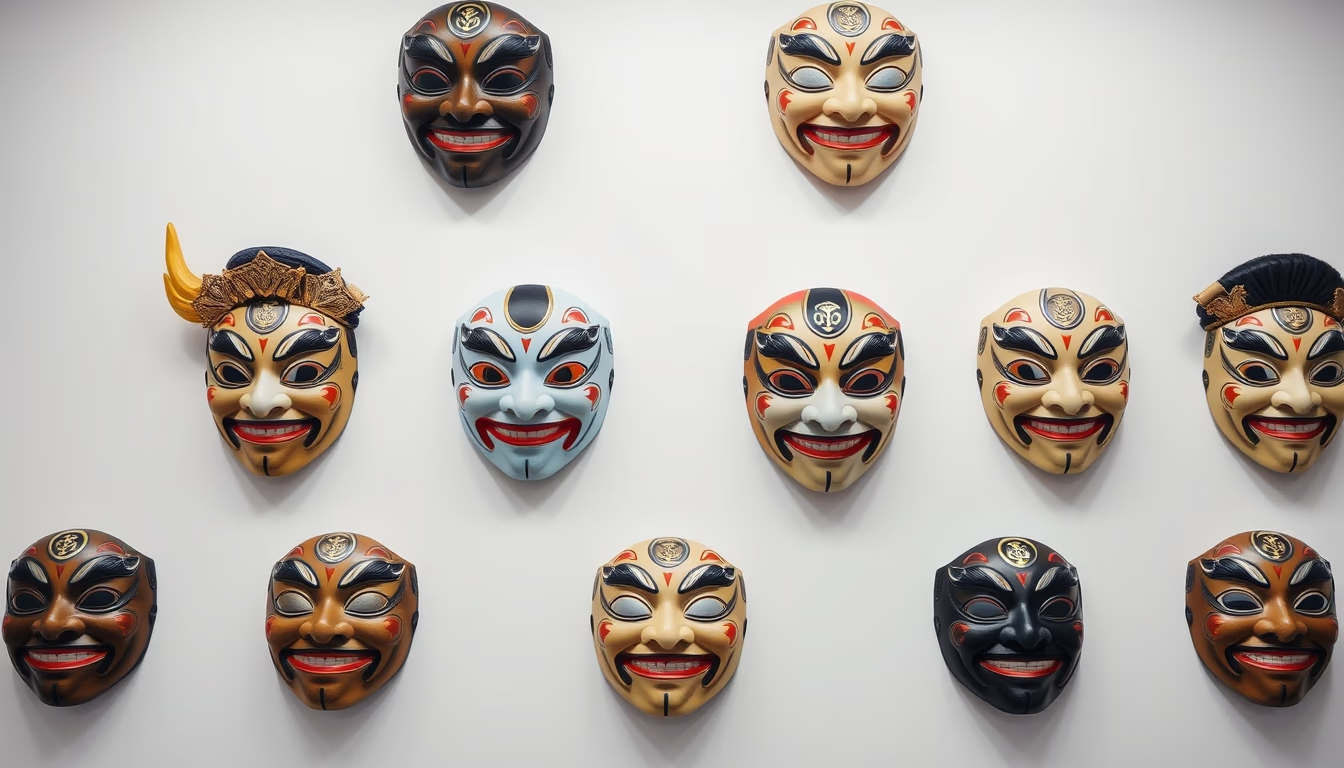
Kabuki masks are central artifacts of Japanese theater, each carrying symbolism and expressions that define classic characters of this dramatic art form.
About this subject
Kabuki masks, known as kumadori when painted on the face or men when sculpted, are fundamental elements of kabuki theater, which emerged in Japan during the early Edo period (17th century). Unlike Noh theater, which uses fixed masks, kabuki traditionally employs expressionistic makeup, but carved wooden masks are often used in exhibitions and as decorative objects, representing archetypes such as the aragoto hero or the wagoto villain.
The colors and patterns of the masks have precise meanings: red symbolizes virtue and passion, blue represents villainy or negative emotions, and gold is associated with gods or supernatural beings. Crafting a kabuki mask requires traditional techniques of lacquer and gilding, passed down through generations of artisans in regions like Kyoto and Tokyo. Facial expressions are exaggerated to be visible at great distances, as kabuki was originally performed outdoors.
Beyond theater, kabuki masks have influenced modern Japanese pop culture, appearing in manga, anime, and tattoos. They are also highly valued collector's items, with antique pieces fetching high prices at auctions. Kabuki was recognized by UNESCO as an Intangible Cultural Heritage of Humanity in 2008, and the masks are among the most recognizable symbols of this art form.
Interestingly, kabuki was created by a woman, Izumo no Okuni, in the early 17th century, but later actresses were banned, and female roles came to be performed by specialized male actors, the onnagata. This gender tradition is reflected in masks representing female characters, with soft features and light colors.
Frequently Asked Questions
What material are kabuki masks made of?
Traditional kabuki masks are carved from wood, usually Japanese cypress (hinoki), and then painted with lacquer and gilded with gold or silver powder. Many also include natural hair or silk threads for ornaments.
What do the colors of kabuki masks signify?
Red indicates virtue, courage, or passion; blue or black represents villainy, jealousy, or negative emotions; white is used for ghosts or female characters; and gold symbolizes deities or supernatural beings.
Are kabuki masks only used in theater?
No, they are widely reproduced as decorative items, tourist souvenirs, and in tattoos. They are also used in festivals and dance performances inspired by kabuki, and are collected by enthusiasts of Japanese culture.
Direct URL
https://pub-c7d6a6ea828543ac903a74a341ccb2e1.r2.dev/imagens/kabuki-masks-display-commercial-product-photography-fresh16.avifHow to credit
Include a visible link back to UtilizAí. Copy one of the snippets below:
<a href="https://xn--utiliza-eza.com/en/midia/imagens/kabuki-masks-display-commercial-product-photography-fresh16">Kabuki masks display</a> by <a href="https://xn--utiliza-eza.com">UtilizAí</a>, licensed under <a href="https://creativecommons.org/licenses/by/4.0/">CC BY 4.0</a>.
[Kabuki masks display](https://xn--utiliza-eza.com/en/midia/imagens/kabuki-masks-display-commercial-product-photography-fresh16) by [UtilizAí](https://xn--utiliza-eza.com), CC BY 4.0
License: CC-BY-4.0