Kabuki masks display
1344×768 · AVIF · CC BY 4.0
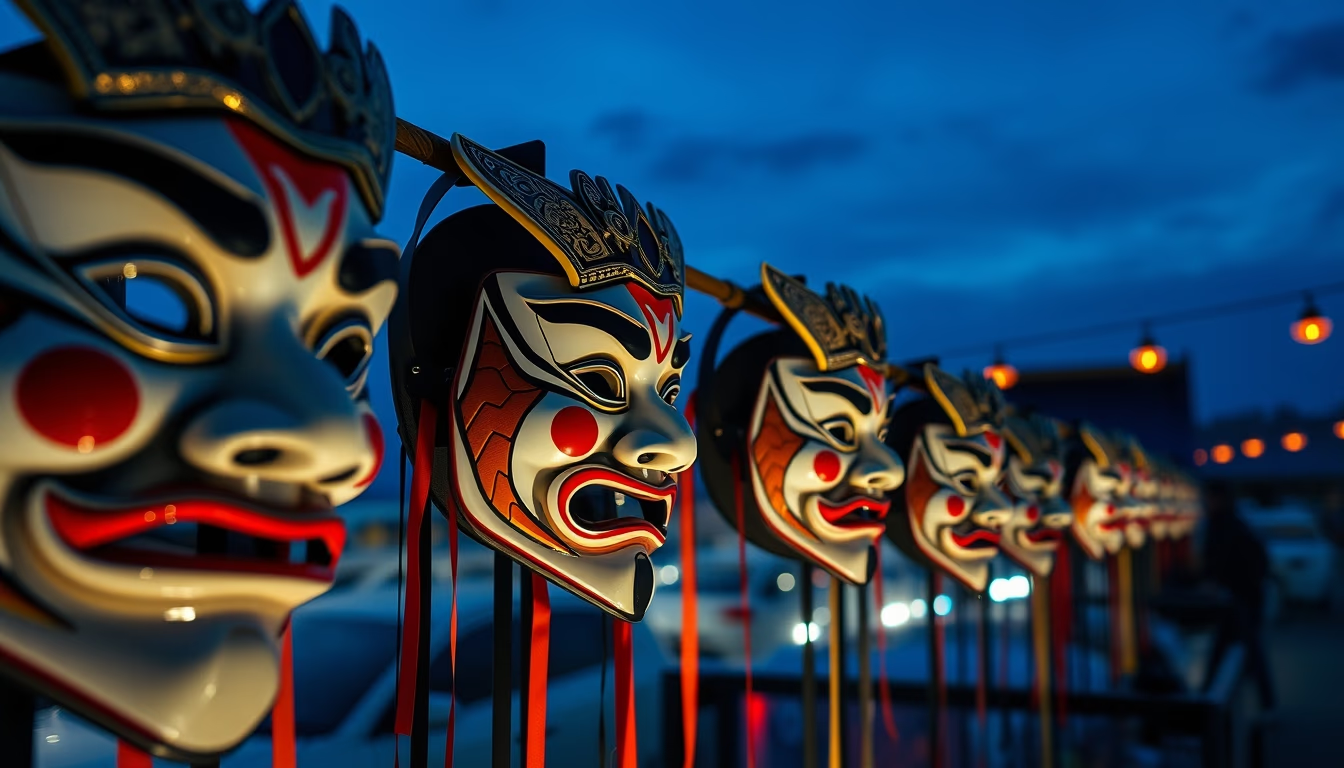
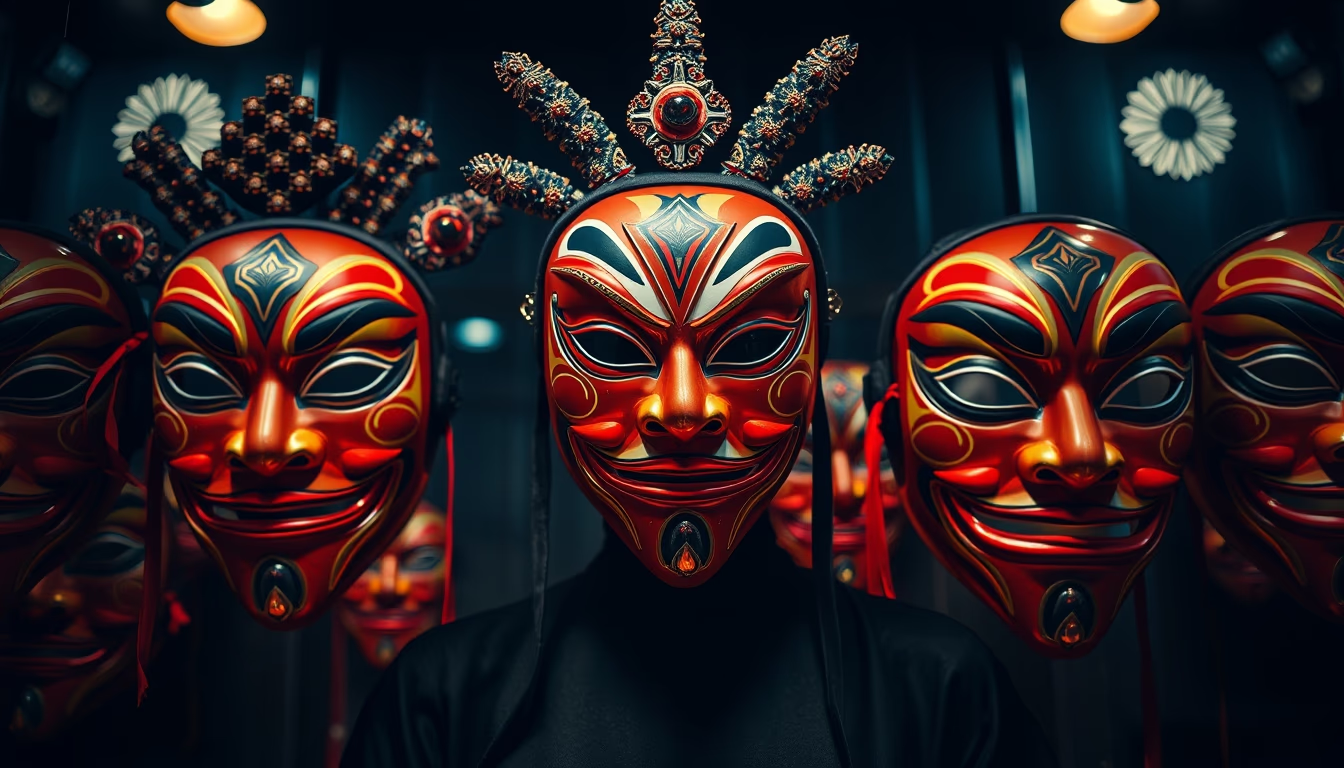
Kabuki masks display the rich tradition of Japanese theater, with facial expressions that define iconic characters.
About this subject
Kabuki masks are central elements of traditional Japanese theater, used to represent characters with exaggerated and stereotyped emotions. Originating in the Edo period (17th century), Kabuki was declared an Intangible Cultural Heritage by UNESCO in 2005. Unlike Noh, which uses fixed masks, Kabuki often relies on facial paintings called keshō, but also incorporates masks for supernatural or animal roles.
Each mask holds specific meaning: the kitsune (fox) mask symbolizes cunning, while the oni (demon) represents strength and fear. Colors also carry symbolism, red indicates heroism and passion, blue represents villainy and sorrow, and black is used for mystical creatures. Specialized artisans, often from traditional families, carve these pieces in wood and paint them by hand with lacquer, a process that can take months.
In modern displays, such as art exhibitions or photographic sets, Kabuki masks are often arranged in sequence to illustrate the evolution of dramatic expressions. The grid or row arrangement, as seen in aerial shots, highlights the contrast between vibrant colors and minute details, attracting both scholars and tourists. Museums in Japan, like the Tokyo National Museum, have permanent collections documenting the history of these masks.
Interestingly, despite their exaggerated technique, Kabuki masks have influenced global pop culture, from horror movies to contemporary fashion. Brazilian artists, such as photographer Bob Wolfenson, have already portrayed Kabuki aesthetics in advertising campaigns, showing its versatility beyond theater.
Frequently Asked Questions
What are Kabuki masks?
They are elements of Japanese Kabuki theater, used to represent supernatural characters, animals or exaggerated emotions, carved in wood and hand-painted.
What is the meaning of colors in Kabuki masks?
Red indicates heroism and passion; blue, villainy and sorrow; black, mystical creatures. White is used for ghosts or nobility.
Where can I see authentic Kabuki masks?
At the Tokyo National Museum, the Kabuki Theater Museum in Kyoto, and in temporary exhibitions at major cultural centers.
Direct URL
https://pub-c7d6a6ea828543ac903a74a341ccb2e1.r2.dev/imagens/kabuki-masks-display-aerial-drone-shot-fresh11.avifHow to credit
Include a visible link back to UtilizAí. Copy one of the snippets below:
<a href="https://xn--utiliza-eza.com/en/midia/imagens/kabuki-masks-display-aerial-drone-shot-fresh11">Kabuki masks display</a> by <a href="https://xn--utiliza-eza.com">UtilizAí</a>, licensed under <a href="https://creativecommons.org/licenses/by/4.0/">CC BY 4.0</a>.
[Kabuki masks display](https://xn--utiliza-eza.com/en/midia/imagens/kabuki-masks-display-aerial-drone-shot-fresh11) by [UtilizAí](https://xn--utiliza-eza.com), CC BY 4.0
License: CC-BY-4.0