Jaguar e-type roadster
1344×768 · AVIF · CC BY 4.0
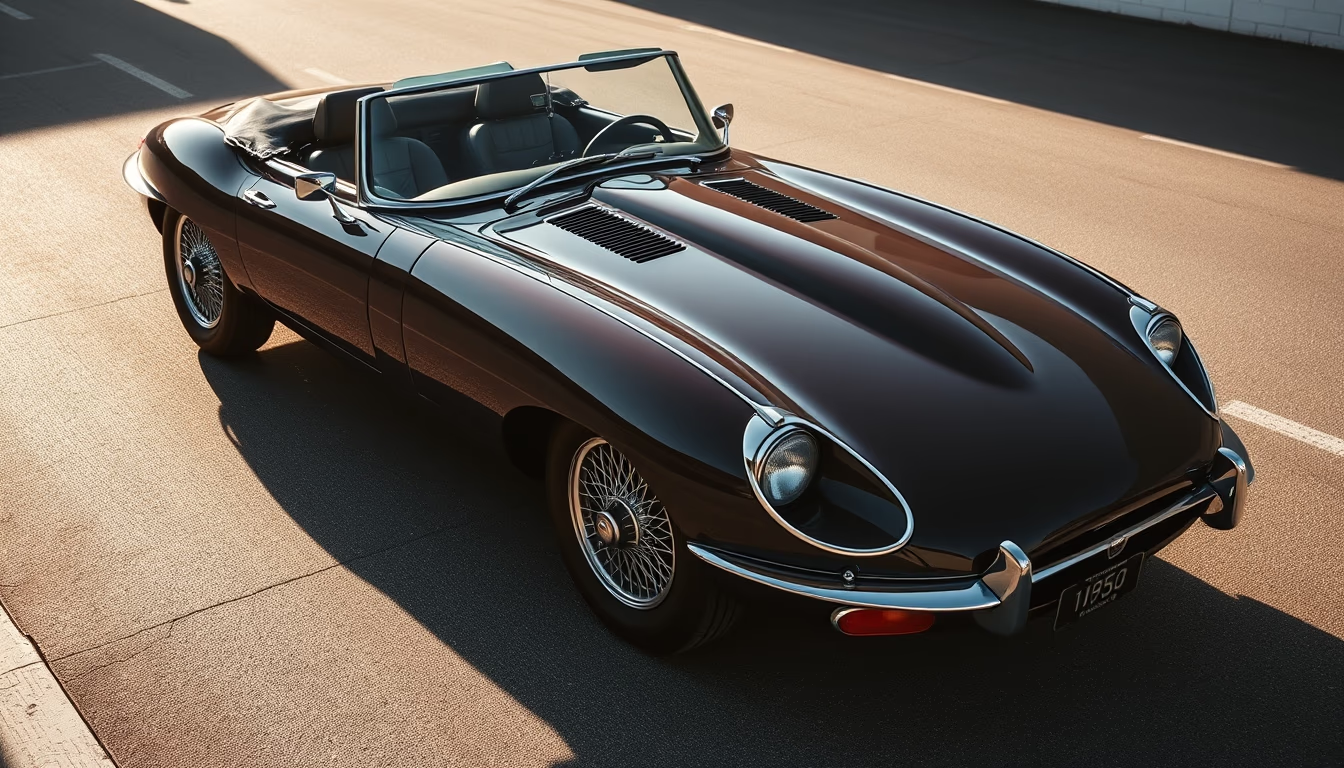
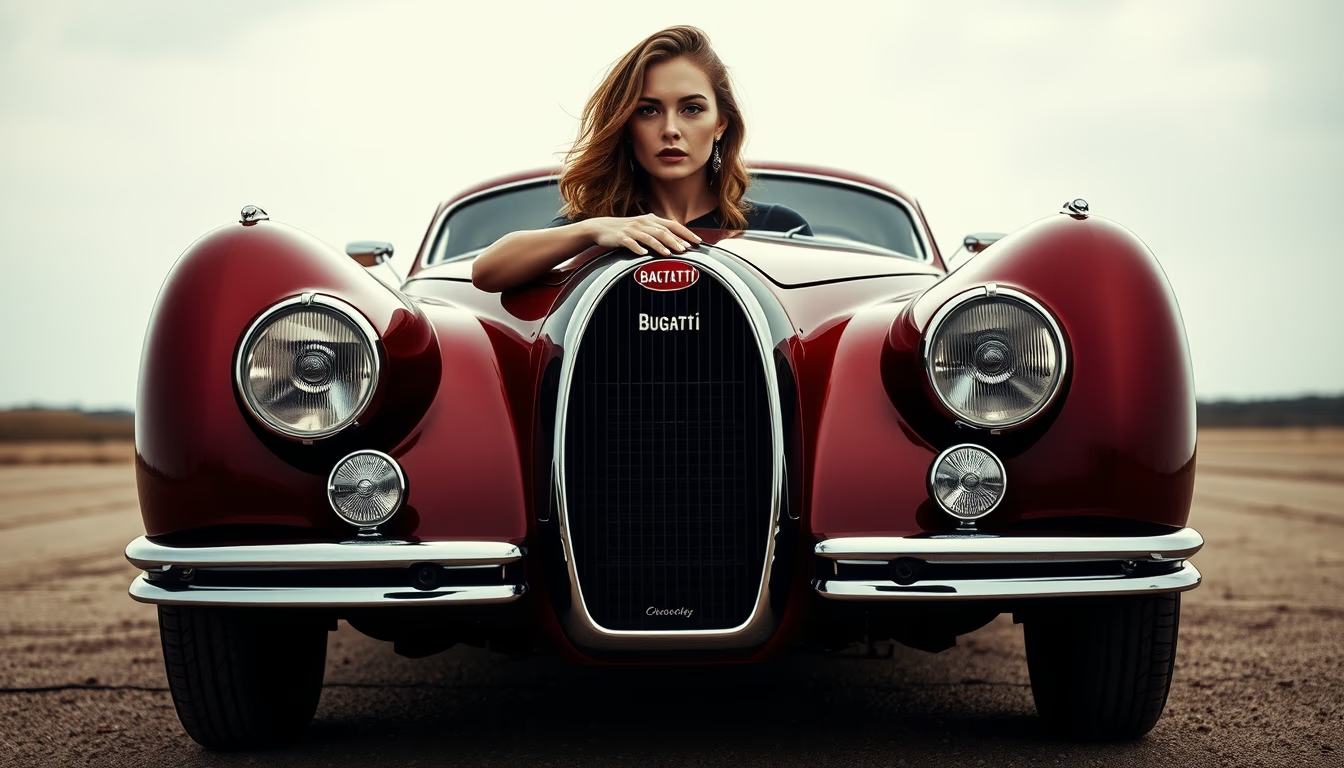
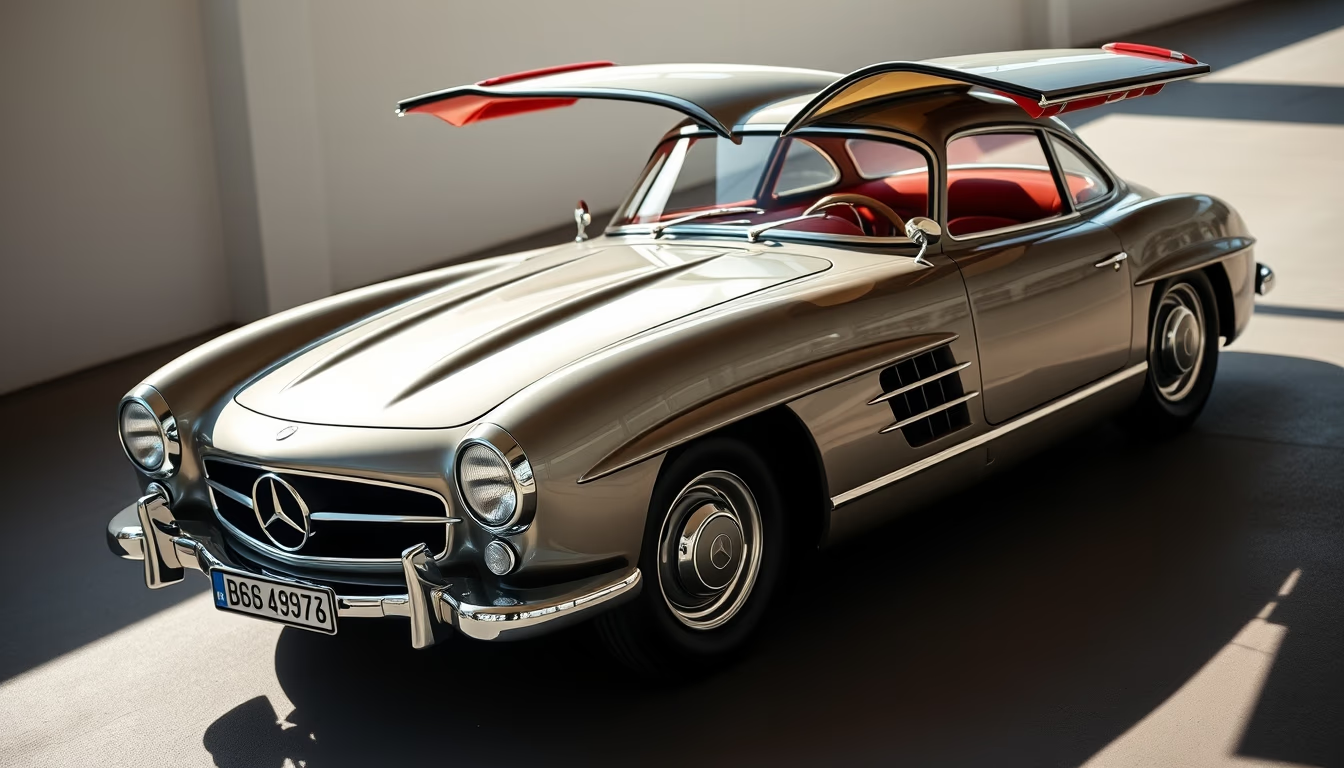
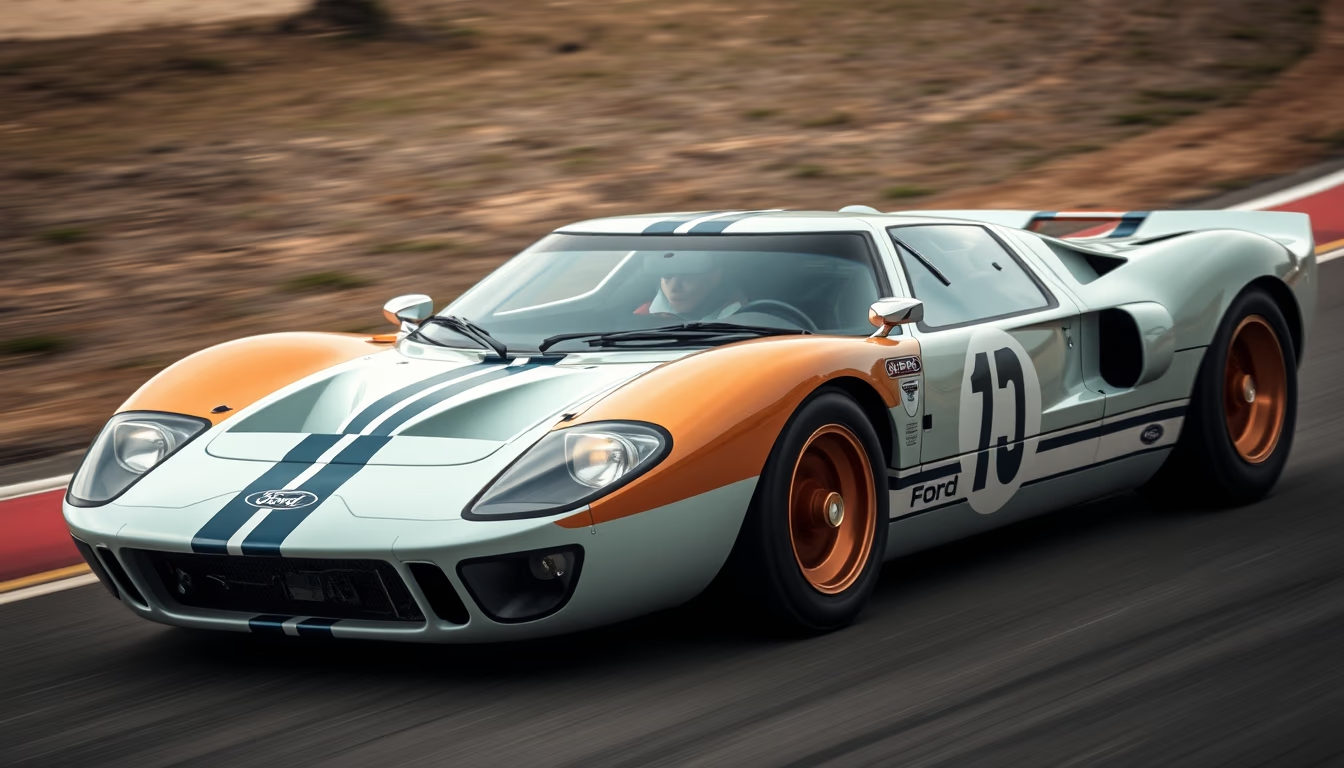
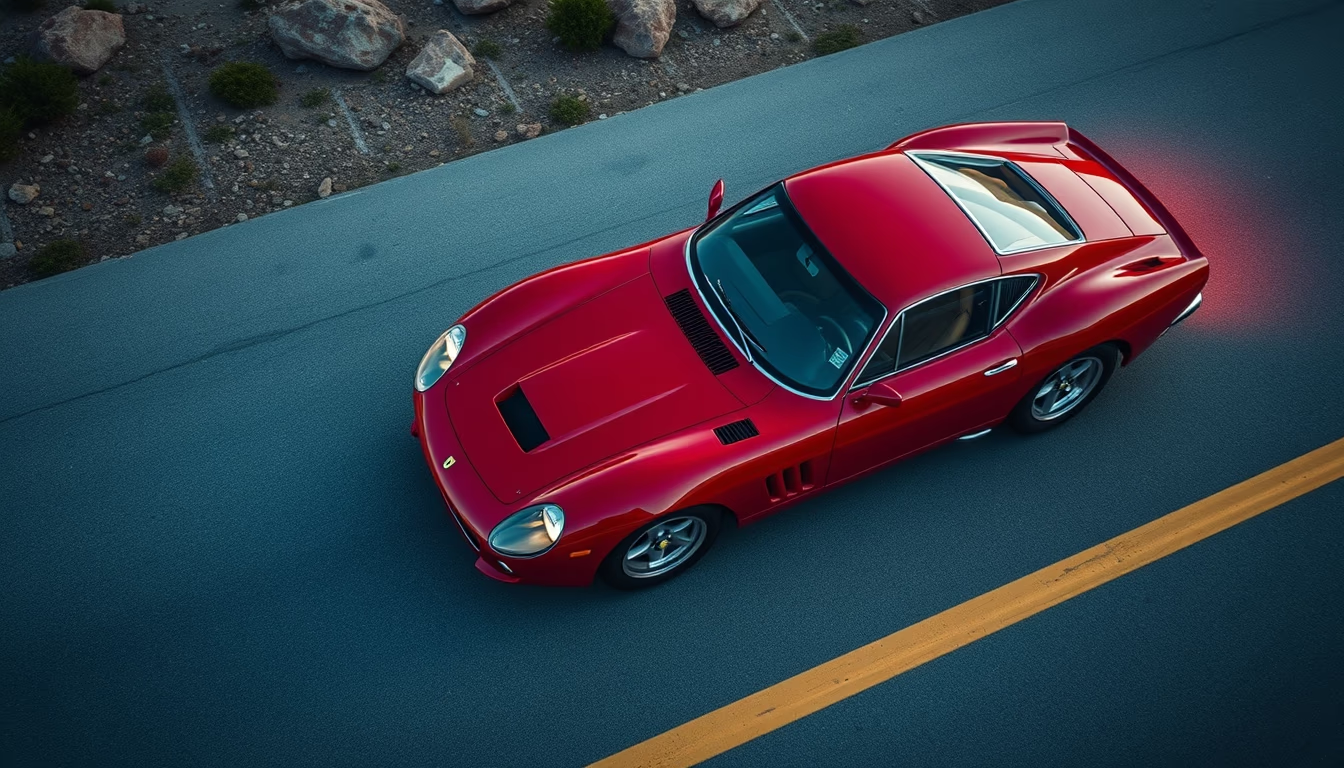
The Jaguar E-Type Roadster, launched in 1961, is a British automotive design icon and one of the most emblematic sports cars of the 20th century.
About this subject
The Jaguar E-Type, also known as the XK-E in the United States, was unveiled at the Geneva Motor Show in March 1961. Its debut caused an immediate sensation, praised for its aerodynamic beauty and exceptional performance. The roadster, an open-top body style, was the first version launched, followed by the fixed-head coupé. Designer Malcolm Sayer applied aeronautical principles to create an elegant and functional silhouette, combining flowing lines with headlamps covered by glass fairings.
Under the hood, the E-Type housed a 3.8-liter straight-six engine (later 4.2 liters) from Jaguar, capable of reaching 150 mph (240 km/h). This performance made it one of the fastest production cars of its time, rivaling Ferrari and Aston Martin at a significantly lower price. The four-speed manual transmission and independent suspension on all four wheels contributed to precise and comfortable handling.
The E-Type became a cultural icon of the 1960s, often associated with a modern lifestyle and freedom. It was driven by celebrities such as Steve McQueen, Brigitte Bardot, and the British Royal Family. Production continued until 1975, with mechanical and aesthetic evolutions including the Series 2 (with exposed headlights) and Series 3 (V12 engine). Approximately 70,000 units were built, of which roadsters are a minority.
In 2008, the Jaguar E-Type was voted the most beautiful car in history by the Daily Telegraph, and in 2016, Jaguar relaunched a factory-restored version, the E-Type Reborn, using original parts. Its legacy remains strong among collectors and enthusiasts, being one of the most desirable and valuable classic cars in the global vintage automobile market.
Frequently Asked Questions
What is the difference between the Jaguar E-Type Series 1 and Series 2?
The Series 1 (1961-1968) has headlamps covered by glass fairings and a narrow front grille. The Series 2 (1968-1971) features exposed headlights without fairings, a wider grille, and redesigned bumpers to meet US safety regulations.
How many Jaguar E-Type Roadsters were produced?
Approximately 70,000 E-Types were built, but roadsters make up a smaller portion. It is estimated that around 7,800 Series 1 3.8-liter roadsters were produced.
Did the Jaguar E-Type Roadster have a V12 engine?
Yes, only the Series 3 (1971-1975) offered the 5.3-liter V12 engine, available in both roadster and coupé. Earlier series used straight-six engines of 3.8 or 4.2 liters.
Direct URL
https://pub-c7d6a6ea828543ac903a74a341ccb2e1.r2.dev/imagens/jaguar-e-type-roadster-magazine-editorial-fresh0.avifHow to credit
Include a visible link back to UtilizAí. Copy one of the snippets below:
<a href="https://xn--utiliza-eza.com/en/midia/imagens/jaguar-e-type-roadster-magazine-editorial-fresh0">Jaguar e-type roadster</a> by <a href="https://xn--utiliza-eza.com">UtilizAí</a>, licensed under <a href="https://creativecommons.org/licenses/by/4.0/">CC BY 4.0</a>.
[Jaguar e-type roadster](https://xn--utiliza-eza.com/en/midia/imagens/jaguar-e-type-roadster-magazine-editorial-fresh0) by [UtilizAí](https://xn--utiliza-eza.com), CC BY 4.0
License: CC-BY-4.0