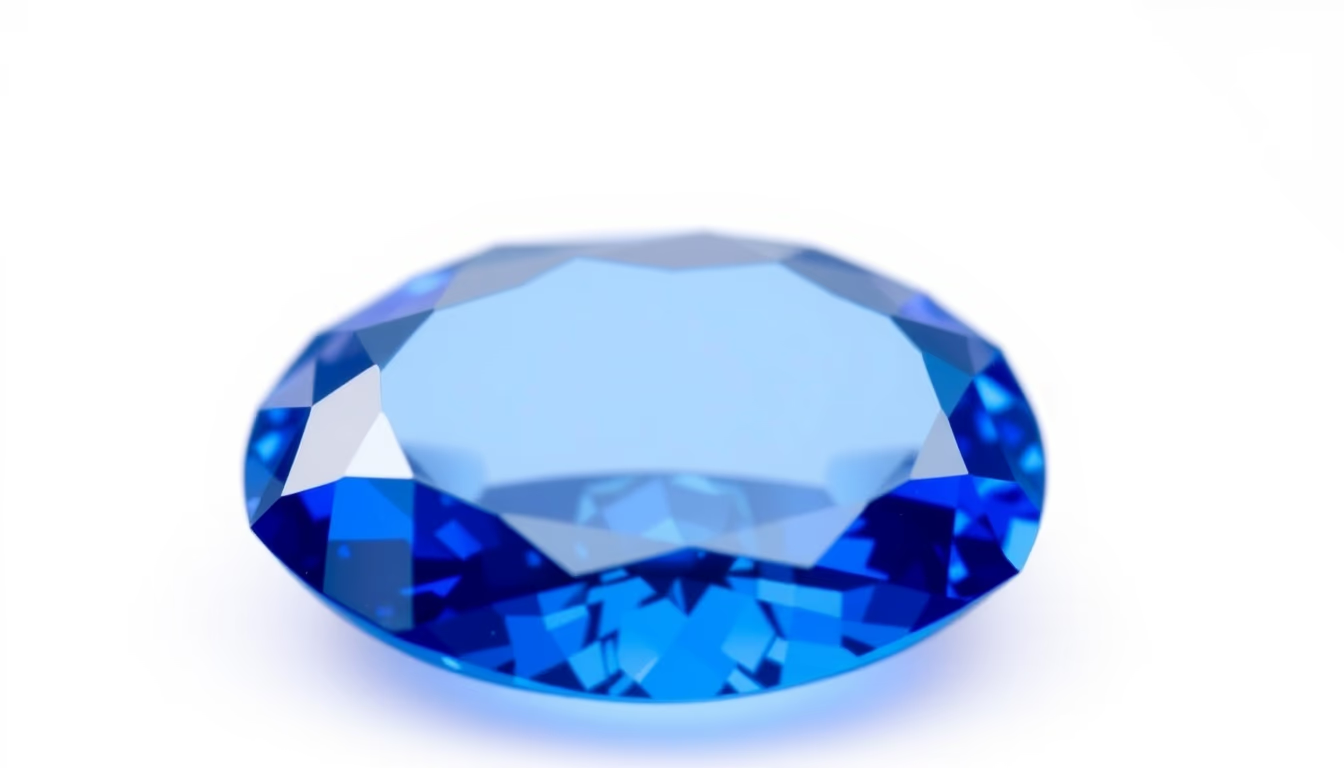
Jade carved chinese
1344×768 · AVIF · CC BY 4.0
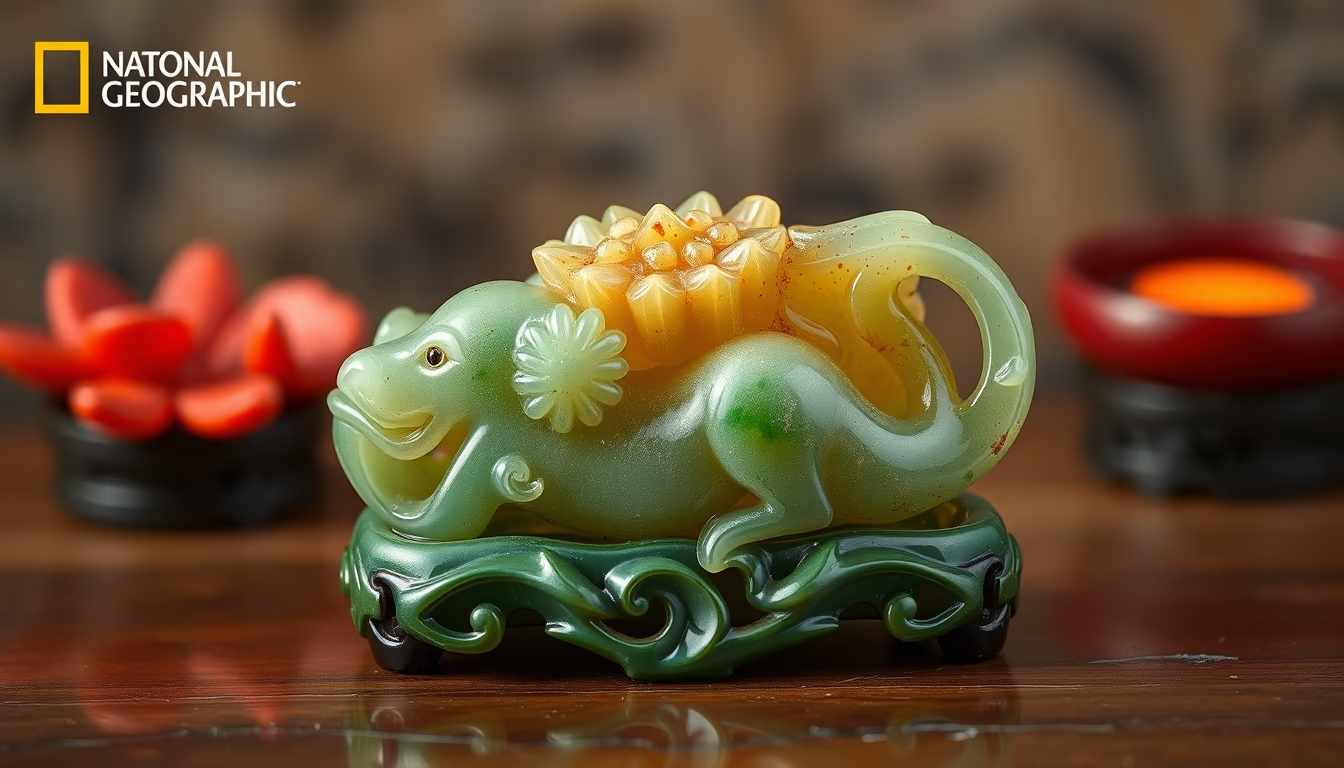
Chinese carved jade is an ancient art form symbolizing purity and immortality in Chinese culture.
About this subject
The art of carving jade in China dates back to the Neolithic period, with ritual and ornamental objects found in the Hongshan culture (4700, 2900 BC). Jade, known as the 'stone of heaven,' was valued more than gold for its beauty and durability. Ancient Chinese believed jade held protective and immortal properties, using it in royal tombs and religious ceremonies.
Jade carving reached its peak during the Qing Dynasty (1644, 1912), when imperial artisans created intricate pieces using abrasion techniques with sand and bamboo drills. Nephrite jade, mainly quarried from the Khotan mountains (modern Xinjiang), was most common, while jadeite, imported from Burma, became popular from the 18th century onward.
Confucianism associated jade with virtues such as wisdom, courage, and purity, as described in the 'Book of Rites.' Carved pieces often depicted mythical animals, longevity symbols (like the peach), or geometric forms used in rituals, such as the bi (disc) and cong (cylinder). Every detail carried spiritual meaning and social status.
Today, Chinese jade is celebrated worldwide as cultural heritage. The Palace Museum in Beijing houses thousands of pieces, some weighing tons, such as the Qing Dynasty 'Great Jade Mountain' sculpture. The tradition continues in small workshops that preserve age-old techniques, producing everything from jewelry to decorative objects.
Frequently Asked Questions
What is the difference between nephrite jade and jadeite?
Nephrite is more common, with colors from pale green to dark green and a fibrous structure, making it tougher. Jadeite is rarer and more translucent, with vivid colors such as imperial green, lavender, and red. Both are considered jade in China.
Why is jade so important in Chinese culture?
Jade symbolizes purity, virtue, and immortality. It is associated with Confucianism, representing the five virtues: benevolence, righteousness, wisdom, courage, and purity. It was also used as currency and in burial rituals to protect the deceased.
How do Chinese artisans traditionally carve jade?
They use rotating tools made of wood or metal with diamond tips, along with abrasive sand and water for polishing. Techniques such as relief carving, openwork, and inlay require patience, as jade is extremely hard. Many pieces take months or years to complete.
Direct URL
https://pub-c7d6a6ea828543ac903a74a341ccb2e1.r2.dev/imagens/jade-carved-chinese-national-geographic-style-p3.avifHow to credit
Include a visible link back to UtilizAí. Copy one of the snippets below:
<a href="https://xn--utiliza-eza.com/en/midia/imagens/jade-carved-chinese-national-geographic-style-p3">Jade carved chinese</a> by <a href="https://xn--utiliza-eza.com">UtilizAí</a>, licensed under <a href="https://creativecommons.org/licenses/by/4.0/">CC BY 4.0</a>.
[Jade carved chinese](https://xn--utiliza-eza.com/en/midia/imagens/jade-carved-chinese-national-geographic-style-p3) by [UtilizAí](https://xn--utiliza-eza.com), CC BY 4.0
License: CC-BY-4.0