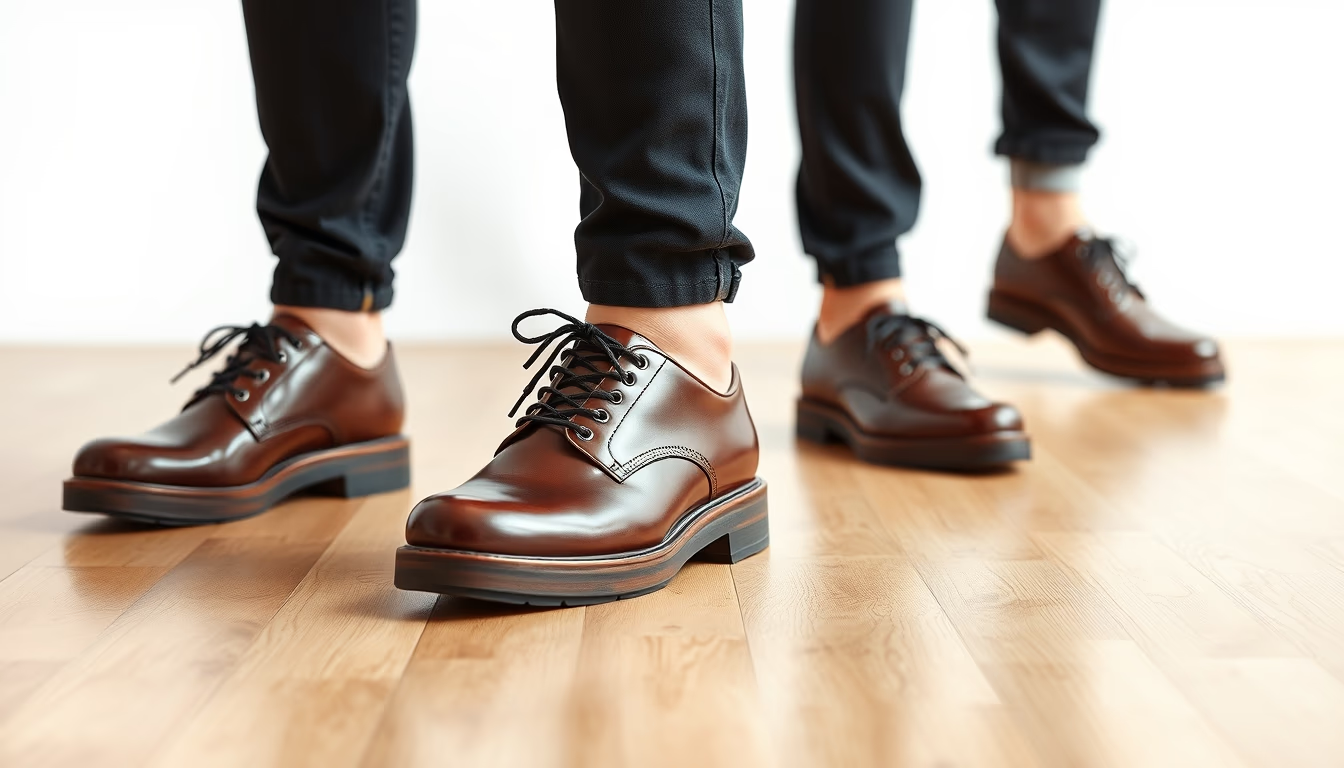
Irish step shoes
1344×768 · AVIF · CC BY 4.0
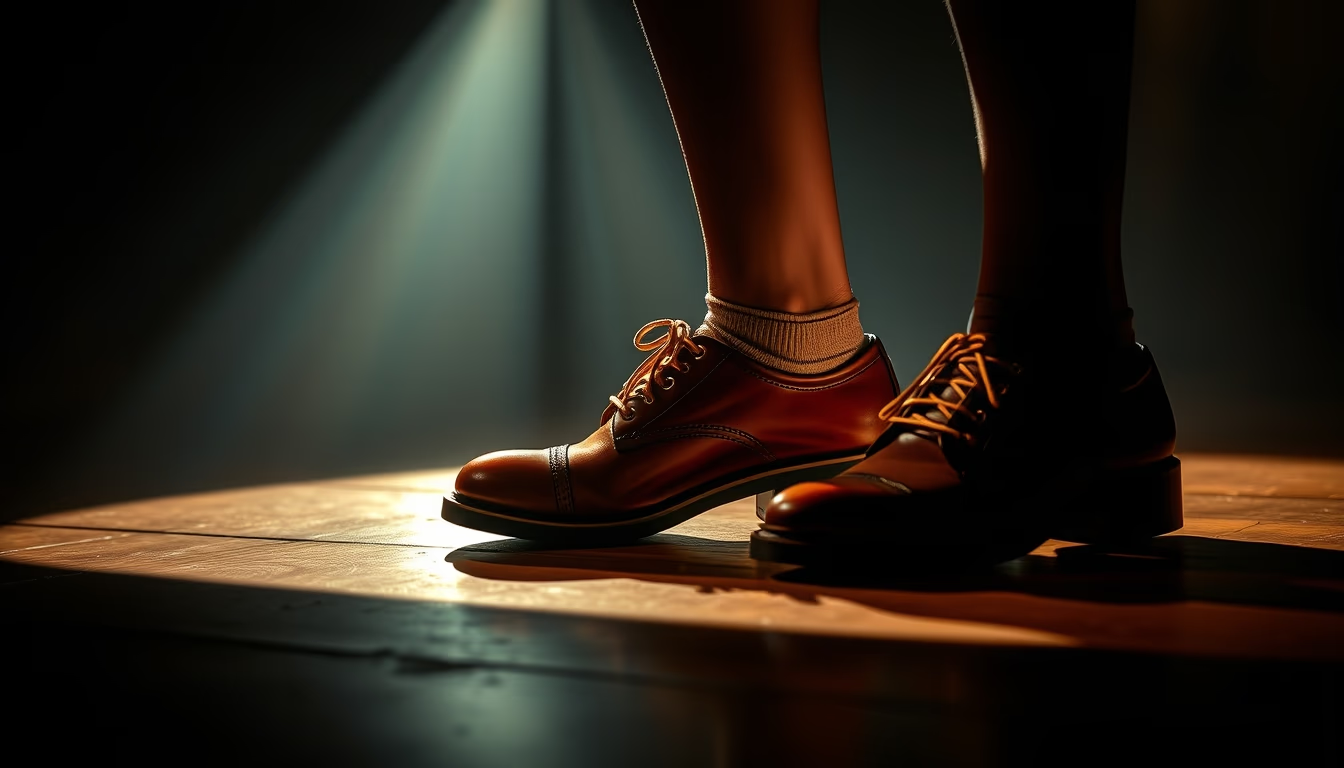
Irish step shoes, known as ghillies or hard shoes, are essential for traditional Irish dance, combining unique technique and sound.
About this subject
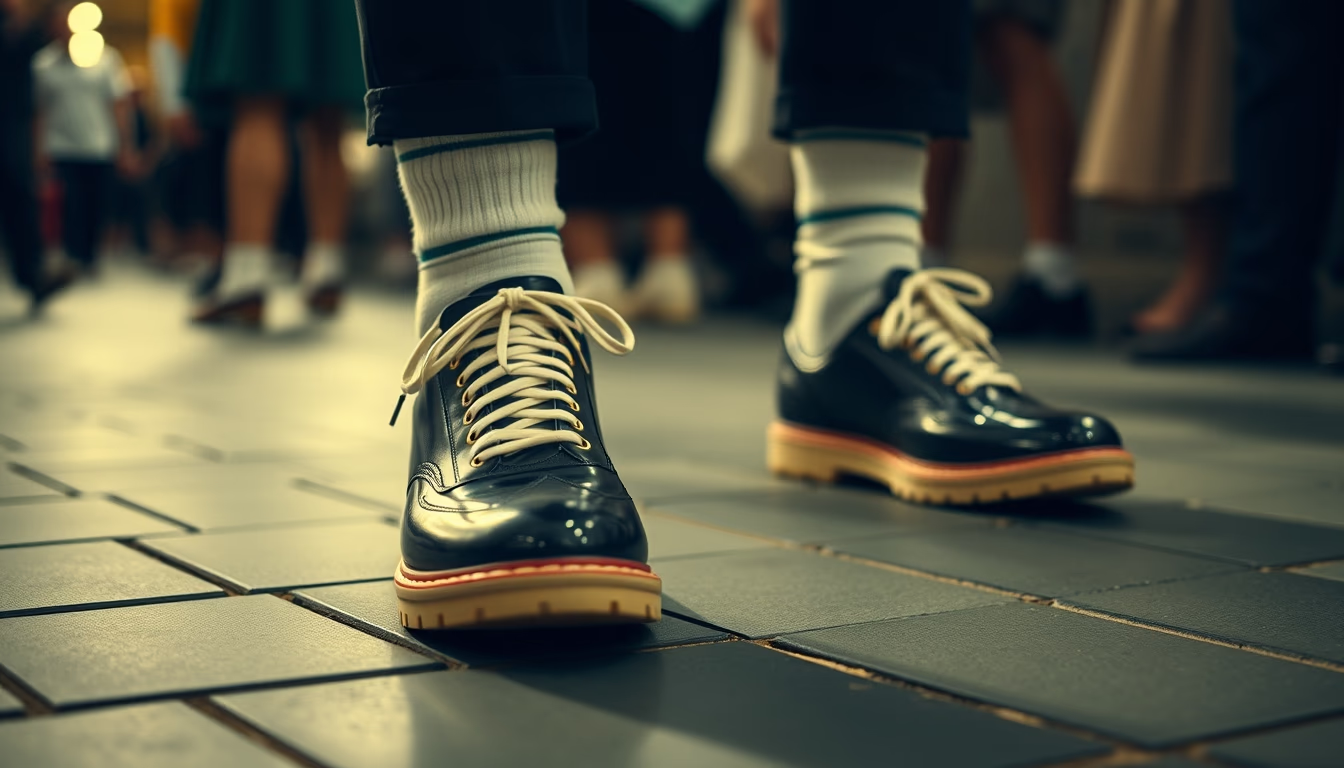
There are two main types of Irish step shoes: ghillies (soft shoes) and hard shoes. Ghillies are soft leather shoes with a flexible sole and no heel, used for light dances like reels and jigs. Hard shoes have rigid fiberglass or wooden soles, with reinforced tips and heels that produce the characteristic percussive sounds. Both are essential for executing the precise, fast steps of Irish dance.
The origin of step shoes dates back to the 18th century, when Irish dance began developing in rural areas. Initially, dancers used ordinary shoes, but with the formalization of competitions (feiseanna) in the 19th century, specialized footwear emerged. Modern hard shoes evolved from work boots, with reinforced leather soles. Today, most hard shoes have fiberglass soles, which amplify sound and increase durability.
Culturally, Irish step shoes gained global prominence with the show Riverdance in the 1990s, which popularized the dance and its distinctive sounds. In competitions, judges evaluate both technique and musicality, and the noise of the shoes is a key part of the performance. Handmade craftsmanship is still valued: brands like Fays, Hession, and Rutherford produce custom shoes for professional dancers.
A curiosity: ghillies have no heels and are laced crosswise up to the ankle, while hard shoes have 2-3 cm heels and fiberglass tips. The sound produced by hard shoes can reach 80 decibels, comparable to an industrial sewing machine. To extend their lifespan, many dancers apply resin to the soles and replace the tips regularly.
Frequently Asked Questions
What is the difference between ghillies and hard shoes?
Ghillies are soft shoes with no heel, used for light dances like reels and jigs. Hard shoes have rigid fiberglass or wooden soles, with heels and tips that produce percussive sounds, used for dances like hornpipes and treble jigs.
Why do Irish step shoes make so much noise?
The sound comes from the rigid fiberglass sole and reinforced tips. Dancers strike the floor in a controlled manner, and the material amplifies the impact, creating a characteristic sound that can reach 80 decibels.
How do I choose the right size for Irish step shoes?
Shoes should be snug without being too tight. For ghillies, measure your foot and check the brand's size chart; for hard shoes, many dancers buy half a size larger to wear thick socks. It's best to try them on or ask a teacher for guidance.
Direct URL
https://pub-c7d6a6ea828543ac903a74a341ccb2e1.r2.dev/imagens/irish-step-shoes-rembrandt-lighting-dramatic-shadows-fresh4.avifHow to credit
Include a visible link back to UtilizAí. Copy one of the snippets below:
<a href="https://xn--utiliza-eza.com/en/midia/imagens/irish-step-shoes-rembrandt-lighting-dramatic-shadows-fresh4">Irish step shoes</a> by <a href="https://xn--utiliza-eza.com">UtilizAí</a>, licensed under <a href="https://creativecommons.org/licenses/by/4.0/">CC BY 4.0</a>.
[Irish step shoes](https://xn--utiliza-eza.com/en/midia/imagens/irish-step-shoes-rembrandt-lighting-dramatic-shadows-fresh4) by [UtilizAí](https://xn--utiliza-eza.com), CC BY 4.0
License: CC-BY-4.0