Irish step shoes
1344×768 · AVIF · CC BY 4.0
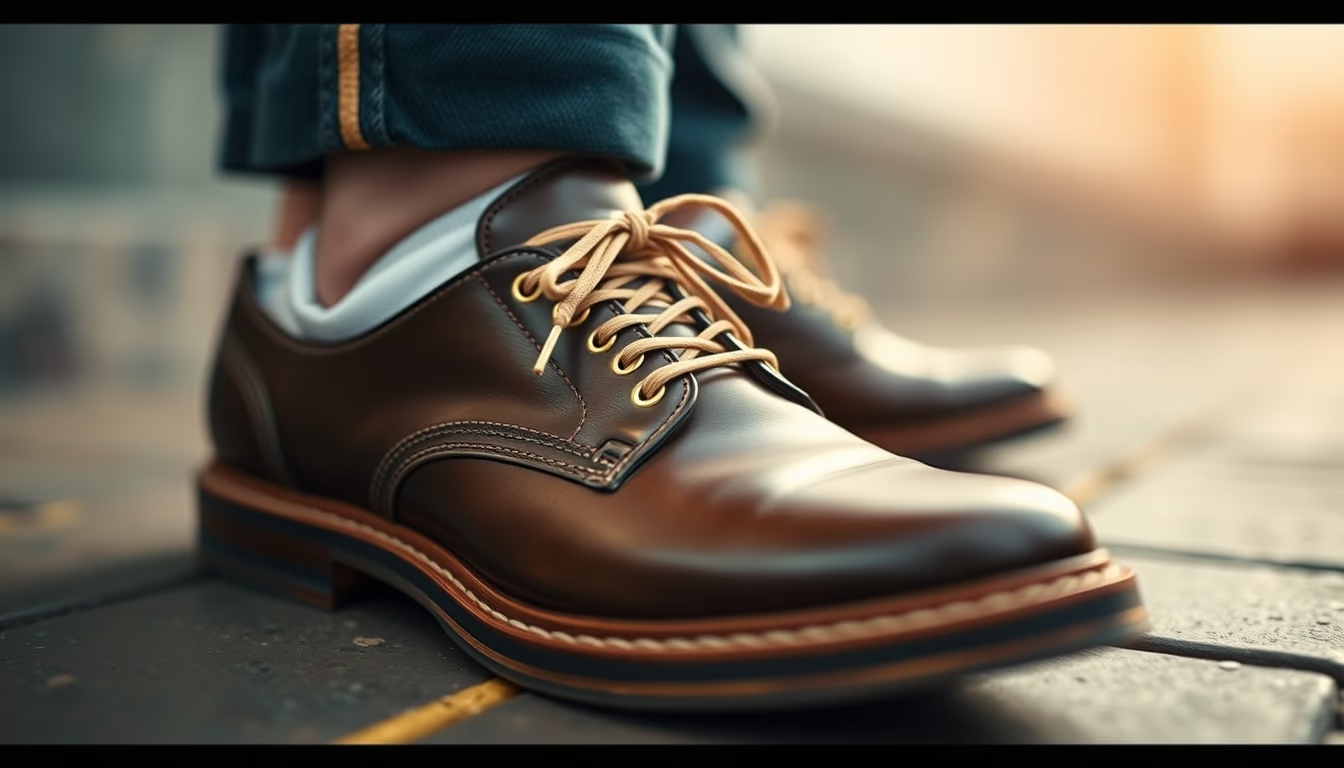
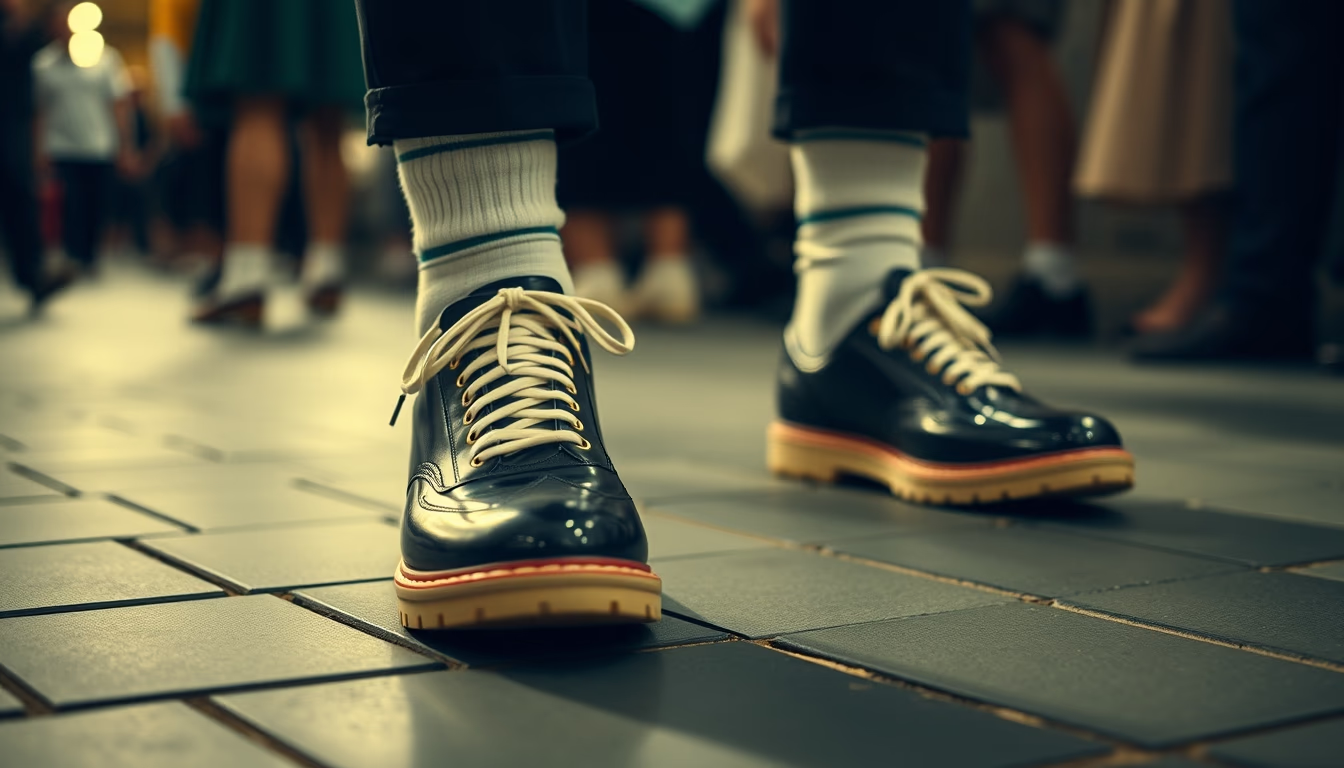
Irish step shoes (ghillies) have flexible soles and long laces that cross at the ankle, essential for traditional Irish dance.
About this subject
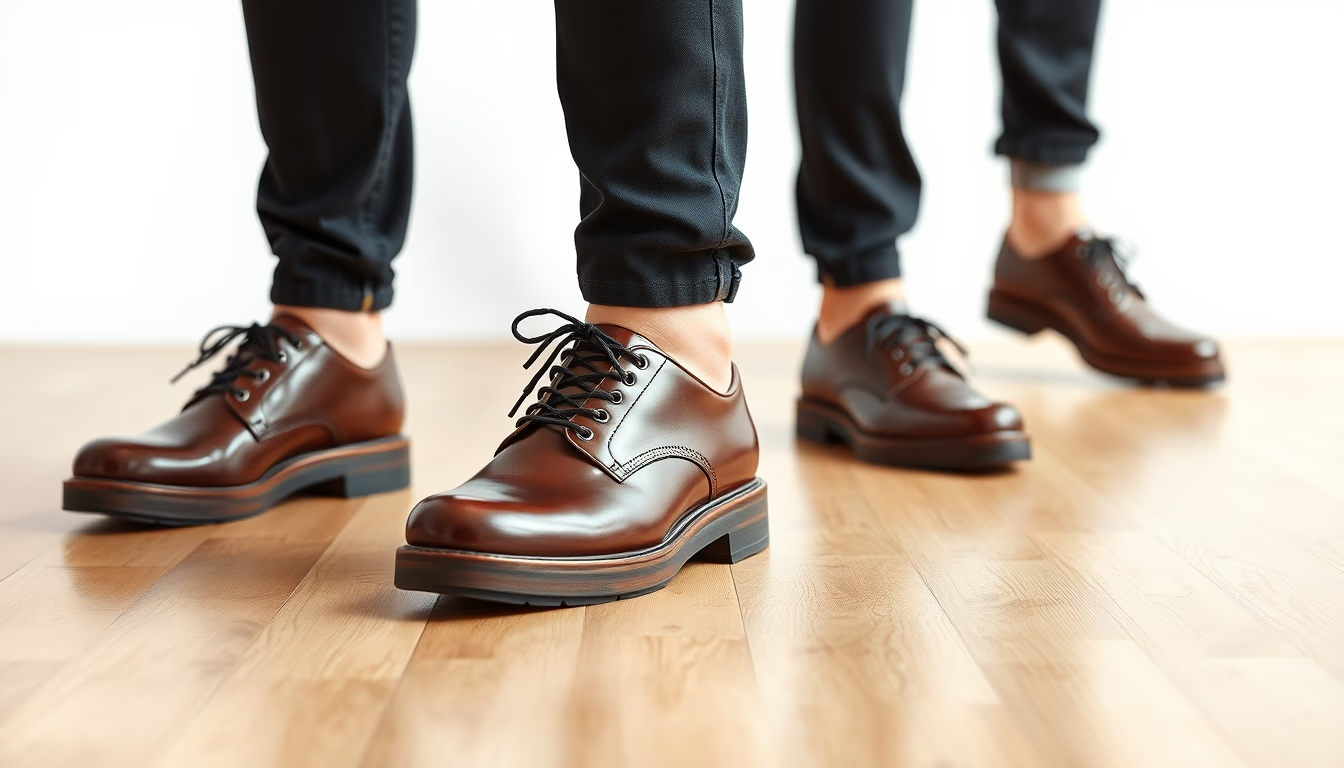
Irish step shoes are categorized into two main types: soft shoes (ghillies) and hard shoes. Ghillies are made of thin leather with a flexible sole, allowing quick, light movements typical of Irish dance steps. Hard shoes have reinforced heels and toes made of fiberglass or wood, producing percussive sounds that mark the rhythm. Both are used in Irish dance competitions (feiseanna) and global shows like Riverdance.
The origin of these shoes dates back to the 18th century, when Irish dance began to formalize. Dancers initially wore everyday shoes. Over time, the need for better performance and sound led to specialized footwear. Ghillies, for example, have laces that cross multiple times around the ankle, ensuring a snug fit without excessive tightness. Hard shoes evolved to include multiple layers of fiberglass, enabling clearer and more varied sounds.
Culturally, Irish step shoes are a symbol of Irish identity abroad. International competitions such as the World Irish Dancing Championships require specific shoes, and handmade craftsmanship is still valued. Traditional brands like Fays and Corr's produce custom-made shoes using durable leather. A pair can last years with proper care, and correct lacing is essential to prevent injuries.
Fun fact: on hard shoes, the toe and heel are made of materials like resin or plastic to produce sound. Experienced dancers can create complex rhythmic patterns solely with their feet, turning the shoe into a musical instrument.
Frequently Asked Questions
What is the difference between soft and hard Irish step shoes?
Soft shoes (ghillies) are flexible and light, used for graceful steps and jumps. Hard shoes have reinforced heels and toes to produce percussive sound, used in rhythmic choreography.
How do you properly lace ghillies?
Long laces cross the instep and ankle in an X pattern, ending with a firm bow at the front. This ensures stability without restricting movement.
Why are Irish step shoes important for the dance?
They are essential for technical execution: soft shoes enable lightness and precision, while hard shoes provide the characteristic sound of step dancing. Without them, Irish dance would lose its sonic and stylistic identity.
Direct URL
https://pub-c7d6a6ea828543ac903a74a341ccb2e1.r2.dev/imagens/irish-step-shoes-macro-closeup-fresh9.avifHow to credit
Include a visible link back to UtilizAí. Copy one of the snippets below:
<a href="https://xn--utiliza-eza.com/en/midia/imagens/irish-step-shoes-macro-closeup-fresh9">Irish step shoes</a> by <a href="https://xn--utiliza-eza.com">UtilizAí</a>, licensed under <a href="https://creativecommons.org/licenses/by/4.0/">CC BY 4.0</a>.
[Irish step shoes](https://xn--utiliza-eza.com/en/midia/imagens/irish-step-shoes-macro-closeup-fresh9) by [UtilizAí](https://xn--utiliza-eza.com), CC BY 4.0
License: CC-BY-4.0