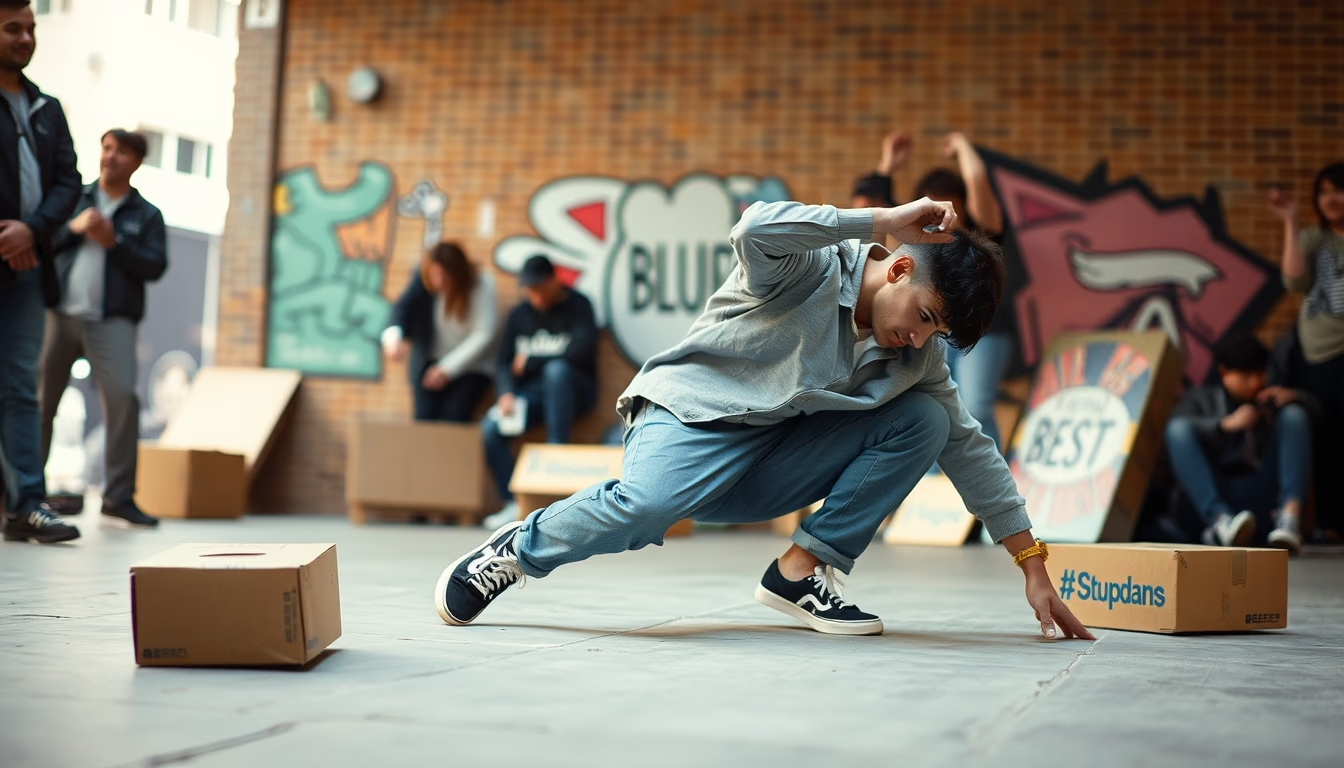
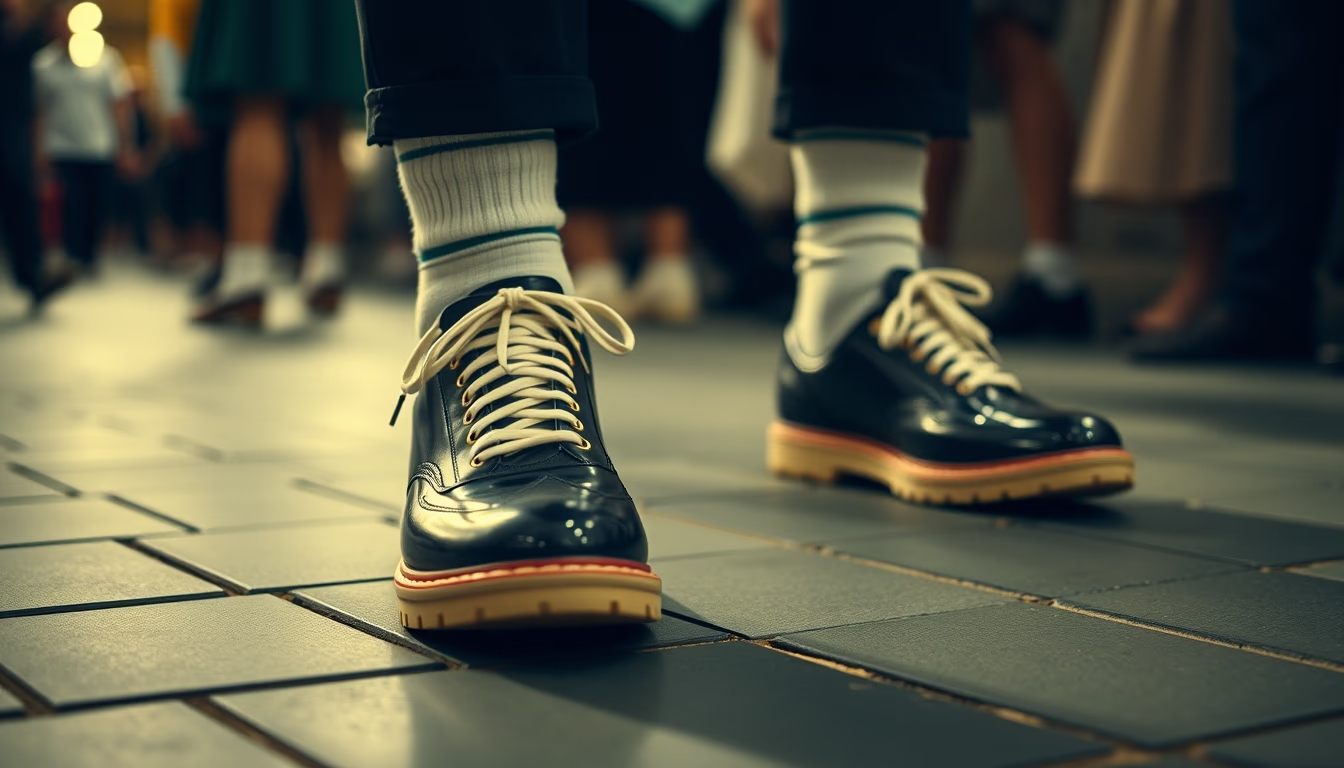
Irish step shoes
1344×768 · AVIF · CC BY 4.0
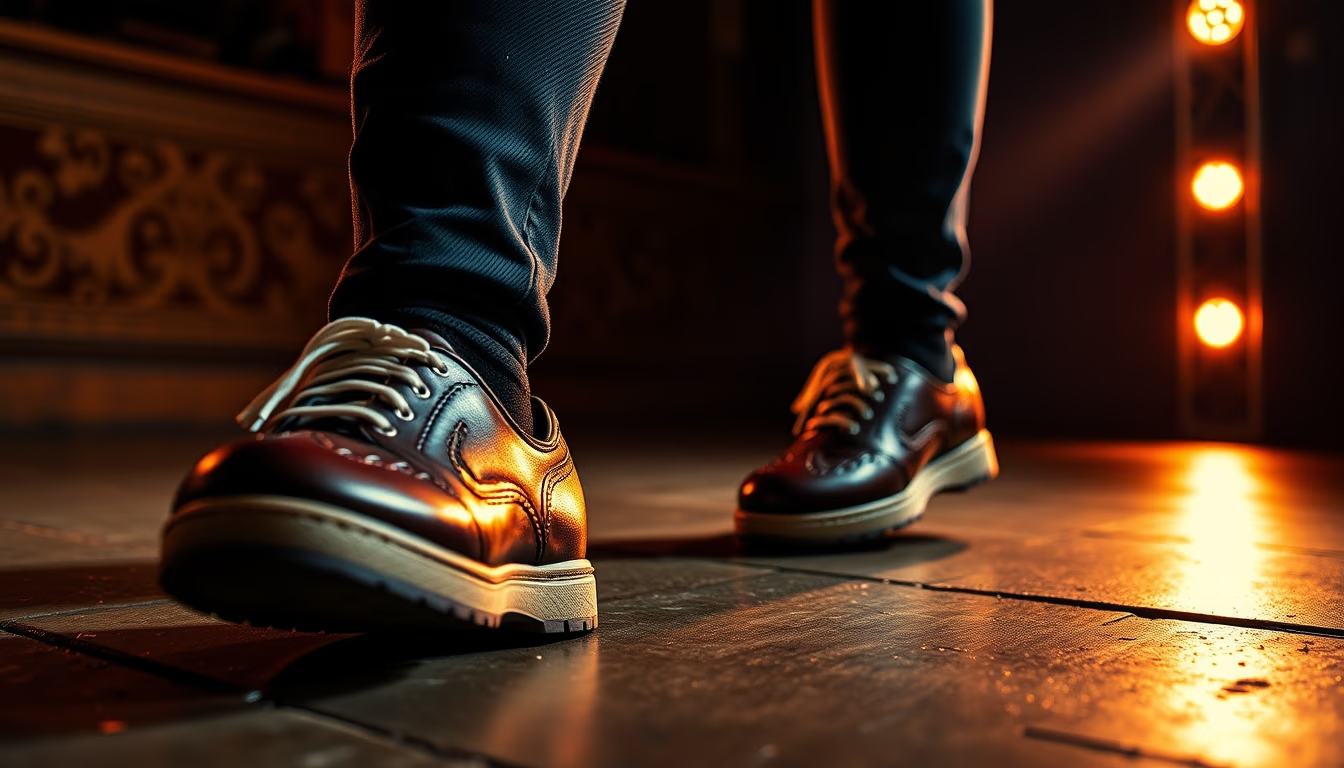
Irish step shoes, used in traditional Irish dance, combine craftsmanship and functionality for rhythmic performances.
About this subject
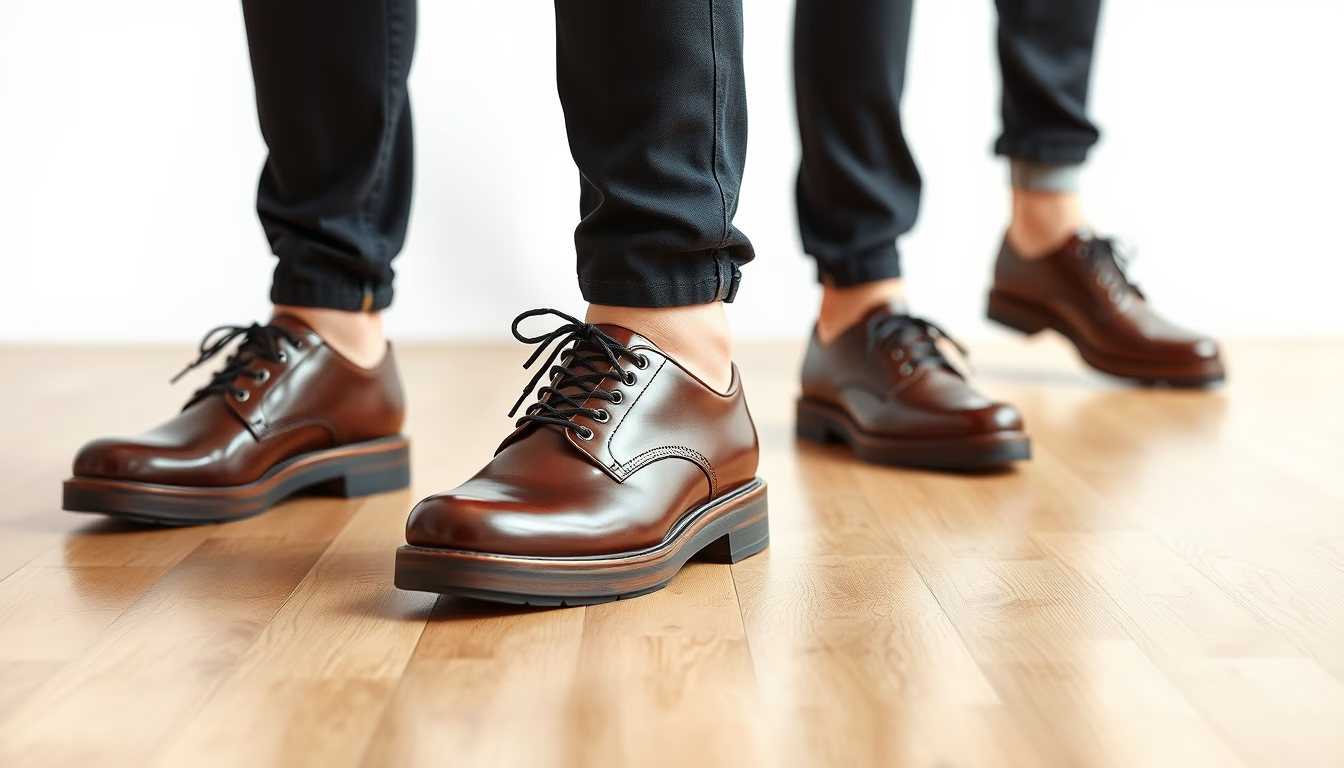
Irish step shoes are a fundamental component of traditional Irish dance attire, divided into two main categories: soft shoes (ghillies) and hard shoes. Soft shoes, made of flexible leather, resemble ballet slippers but lack heels and are used for light, graceful dances such as the reel and jig, where foot sound is minimal. Hard shoes, with soles of fiberglass or wood, feature a heel and toe caps that produce the characteristic percussive sounds essential for dances like the hornpipe and treble jig. This tradition dates back to the 18th century when Irish dancers began wearing hard-soled shoes to amplify the rhythm of their steps. Today, specialized brands like Fays, Rutherford, and Corr's produce handmade shoes, often custom-fitted to each dancer. The leather allows natural foot movement while reinforced toes and heels ensure durability and sound clarity. In competitions, the sound of hard shoes is as important as the movements, and dancers spend hours adjusting fit and polishing shoes to achieve the ideal timbre. Though rooted in folk dance, Irish step shoes are now used worldwide in shows like Riverdance, which popularized the style since the 1990s. Maintenance requires care: soft shoes are hand-washed and dried away from heat, while hard shoes need varnishing and periodic sole replacement to maintain sound quality.
Frequently Asked Questions
What is the difference between soft shoes and hard shoes in Irish step dance?
Soft shoes (ghillies) are flexible leather shoes without heels, used for light dances like reels and jigs. Hard shoes have fiberglass or wooden soles with sound-enhancing tips and heels, used for percussive dances like hornpipes and treble jigs.
How are Irish step shoes made?
They are typically handmade from high-quality leather. Soft shoes are stitched and shaped manually. Hard shoes have a fiberglass sole with a wooden heel block, attached with adhesive and individually fitted.
Why is the sound of hard shoes so important?
The percussive sound of hard shoes is an integral part of the performance, marking rhythm and enhancing musicality. Different sole and shoe designs produce varied timbres, and dancers aim for a clear, consistent sound.
Direct URL
https://pub-c7d6a6ea828543ac903a74a341ccb2e1.r2.dev/imagens/irish-step-shoes-fine-art-photography-fresh11.avifHow to credit
Include a visible link back to UtilizAí. Copy one of the snippets below:
<a href="https://xn--utiliza-eza.com/en/midia/imagens/irish-step-shoes-fine-art-photography-fresh11">Irish step shoes</a> by <a href="https://xn--utiliza-eza.com">UtilizAí</a>, licensed under <a href="https://creativecommons.org/licenses/by/4.0/">CC BY 4.0</a>.
[Irish step shoes](https://xn--utiliza-eza.com/en/midia/imagens/irish-step-shoes-fine-art-photography-fresh11) by [UtilizAí](https://xn--utiliza-eza.com), CC BY 4.0
License: CC-BY-4.0