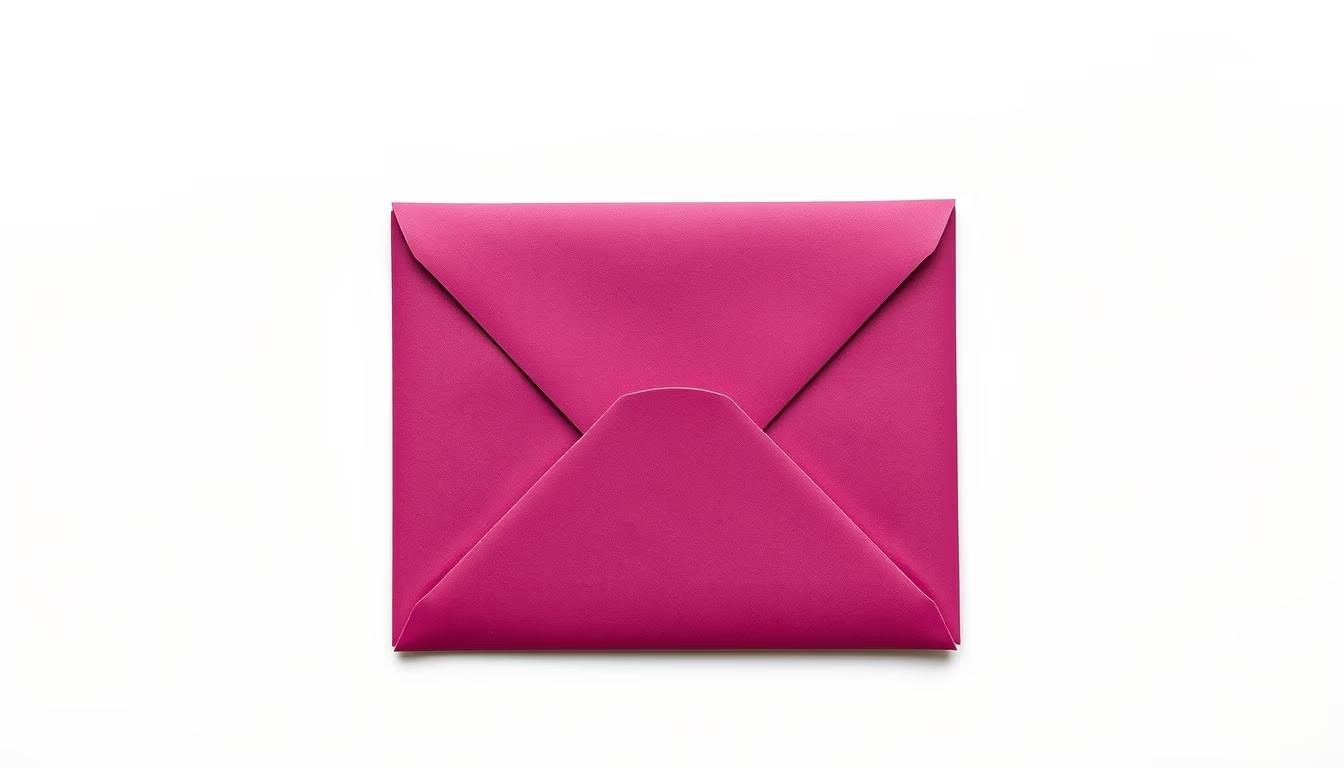
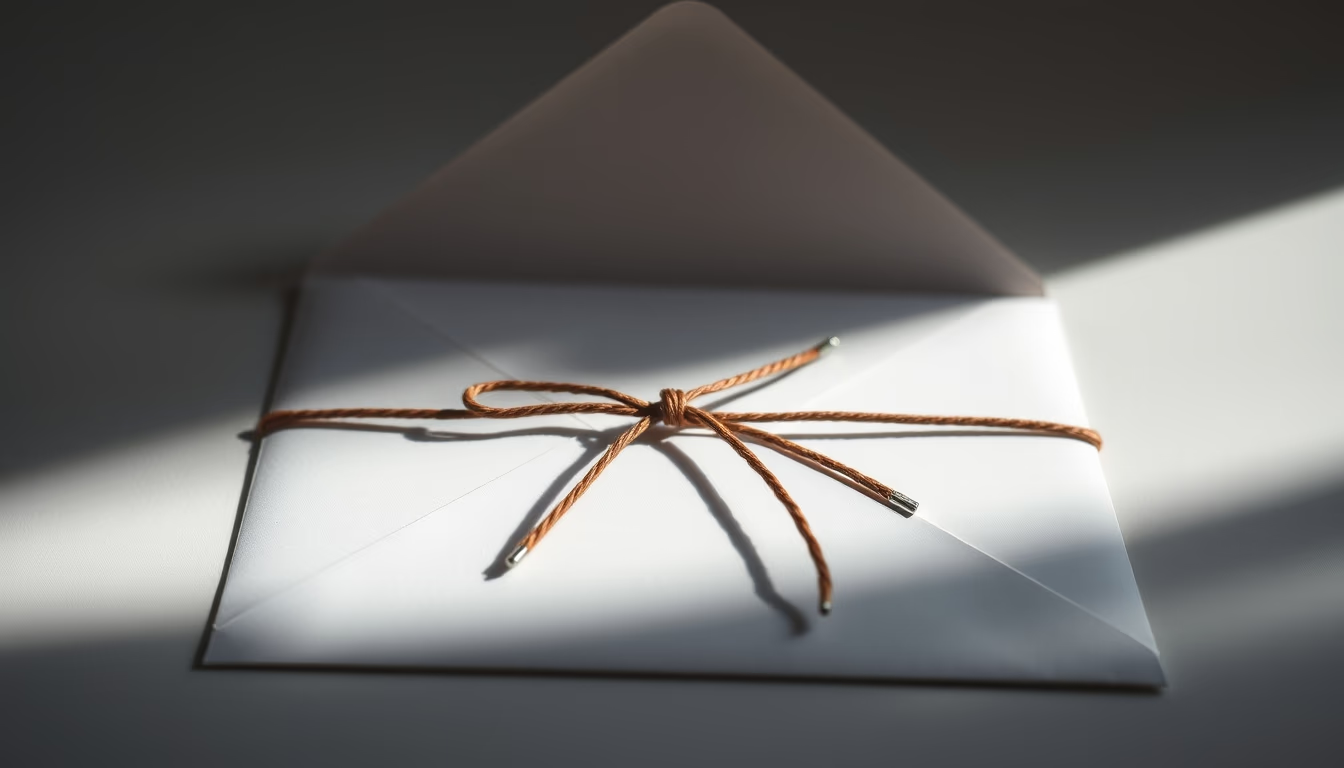
Invitation envelope sealed
1344×768 · AVIF · CC BY 4.0
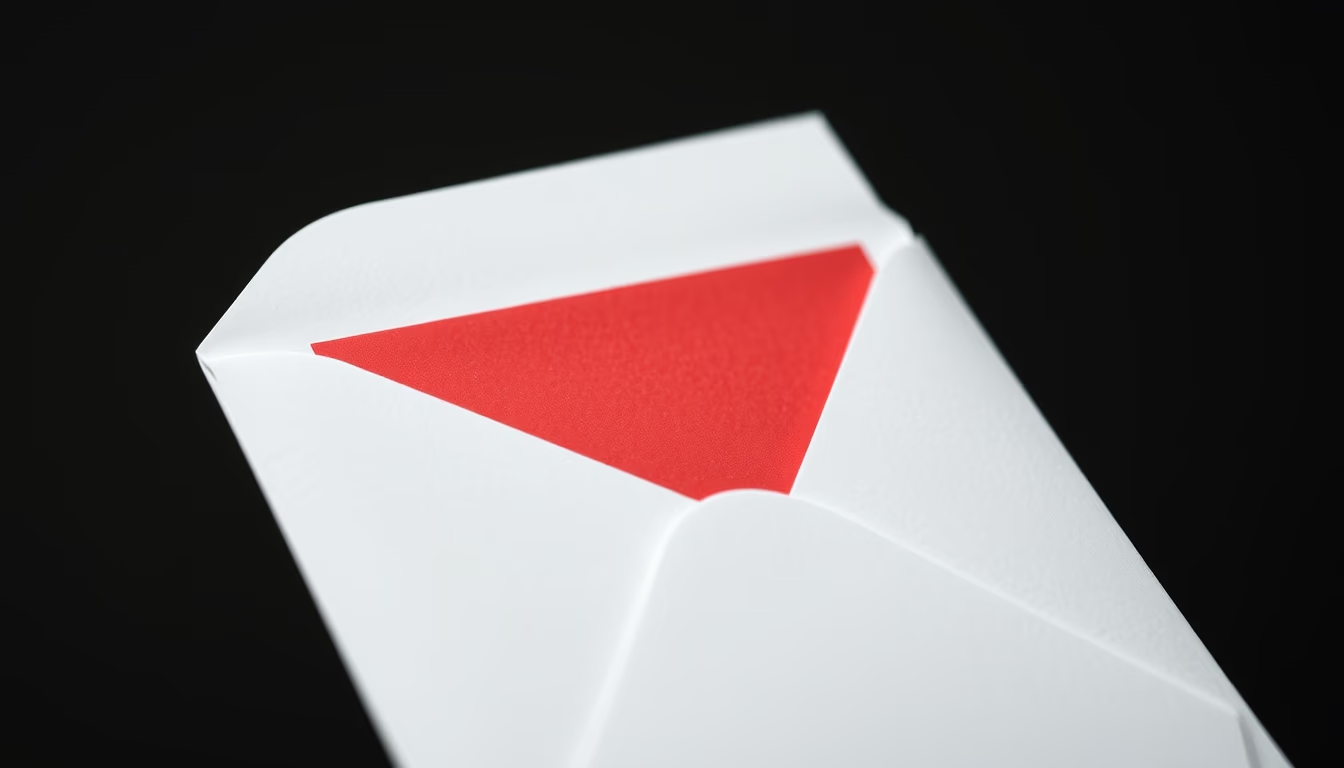
Sealed invitation envelope, a symbol of tradition and anticipation for wedding ceremonies.
About this subject
The sealed invitation envelope is a classic element in formal event communication, especially weddings. Its origins date back to the 17th century, when European nobility used wax seals to guarantee privacy and authenticity of correspondence. Today, the seal can be made with wax, decorative stickers, or ribbons, maintaining an air of sophistication.
In Brazil, the tradition of sealing wedding invitations gained strength in the 20th century, influenced by European culture. The envelope is usually made of high-grammage paper, which may be textured, satin-coated, or linen. The most common color is white or off-white, but pastel and metallic tones are also used to match the ceremony theme.
The seal is not merely aesthetic: it protects the invitation from damage during transport and indicates the care invested by the family. Many couples personalize the seal with their initials or a special phrase. Additionally, the act of opening the sealed envelope creates a moment of anticipation for the guest, reinforcing the solemnity of the event.
Interestingly, the use of wax seals has resurfaced in contemporary weddings as a vintage touch. Custom seals can be purchased online or handmade. The drying technique and choice of wax color (red, gold, blue) also carry symbolism: red for passion, gold for prosperity, blue for fidelity.
Frequently Asked Questions
Why seal wedding invitation envelopes?
The seal protects the invitation during transport, adds an elegant touch, creates anticipation for the guest, and symbolizes authenticity and the care invested.
How can I personalize the seal of an invitation envelope?
You can use wax seals with monograms or phrases, custom stickers, satin ribbons, or metal stamps. Many artisans offer custom wax engraving services.
What is the historical origin of seals on invitations?
The use of wax seals on formal correspondence dates back to the 17th century, when the nobility used them to ensure privacy and prevent forgery. The practice was adapted for wedding invitations in the 19th century.
Direct URL
https://pub-c7d6a6ea828543ac903a74a341ccb2e1.r2.dev/imagens/invitation-envelope-sealed-studio-still-life-fresh3.avifHow to credit
Include a visible link back to UtilizAí. Copy one of the snippets below:
<a href="https://xn--utiliza-eza.com/en/midia/imagens/invitation-envelope-sealed-studio-still-life-fresh3">Invitation envelope sealed</a> by <a href="https://xn--utiliza-eza.com">UtilizAí</a>, licensed under <a href="https://creativecommons.org/licenses/by/4.0/">CC BY 4.0</a>.
[Invitation envelope sealed](https://xn--utiliza-eza.com/en/midia/imagens/invitation-envelope-sealed-studio-still-life-fresh3) by [UtilizAí](https://xn--utiliza-eza.com), CC BY 4.0
License: CC-BY-4.0